Hyundai Sonata DN8 PPF Review: Rock Chip Protection
Service Price
$40–80
Estimated price · Actual price may vary by shop
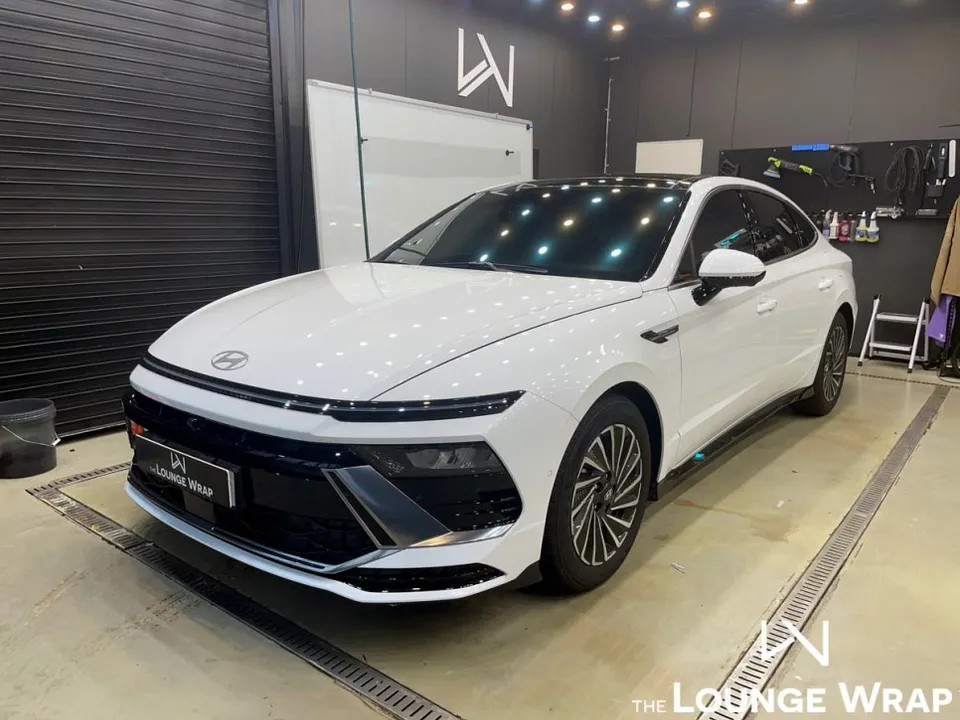
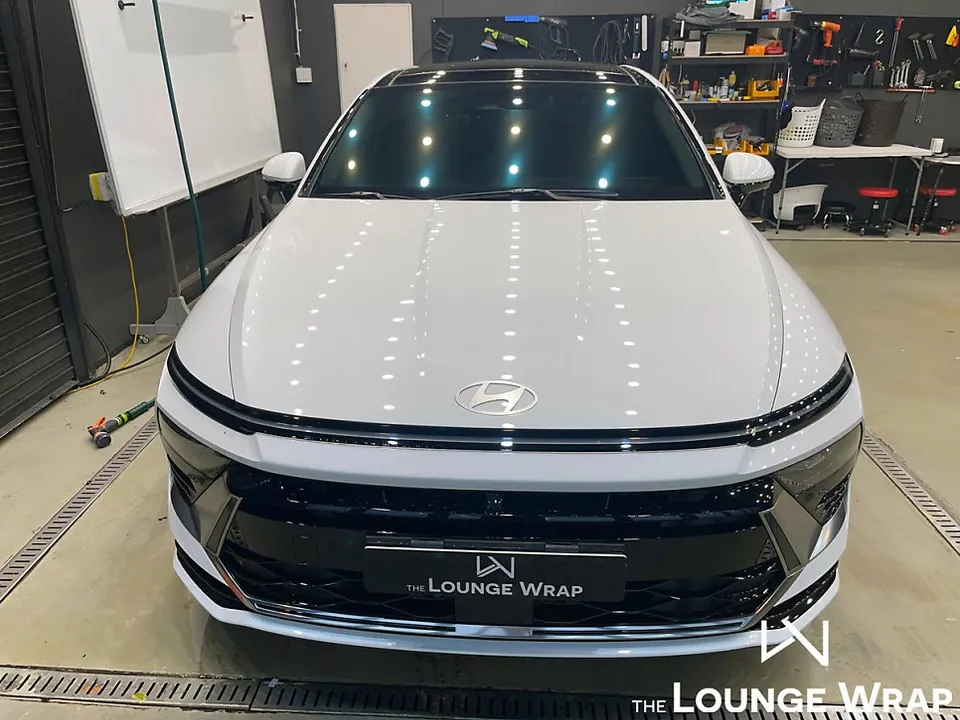
Sonata DN8 light PPF installation: Approx. $220-$360. Protects headlights & DRLs from rock chips and scratches.
Why Your Hyundai Sonata DN8 Needs Light PPF Protection
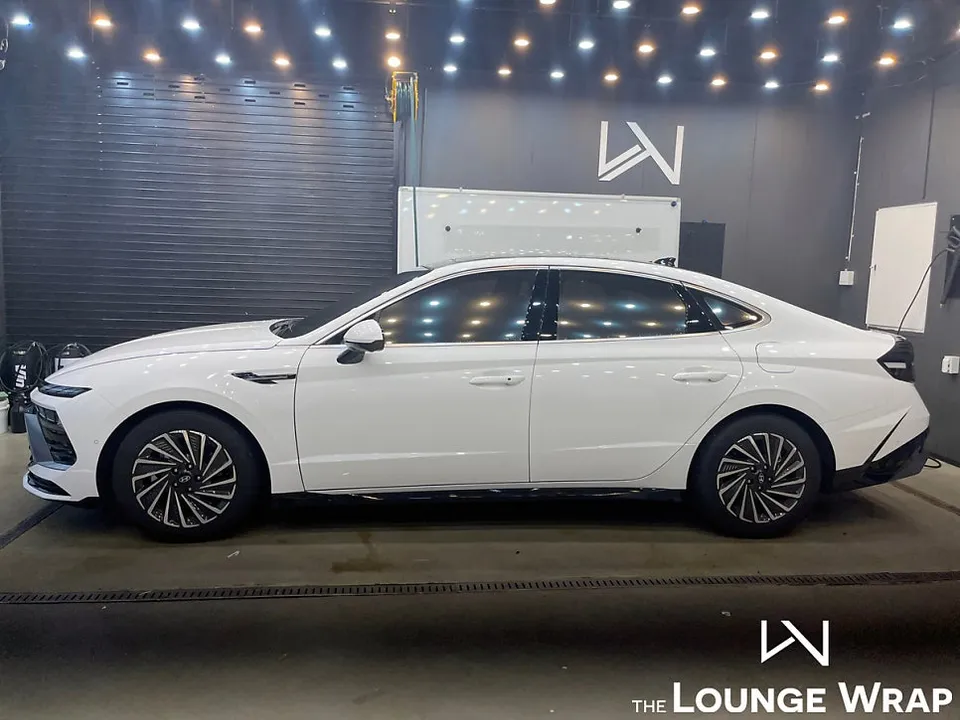
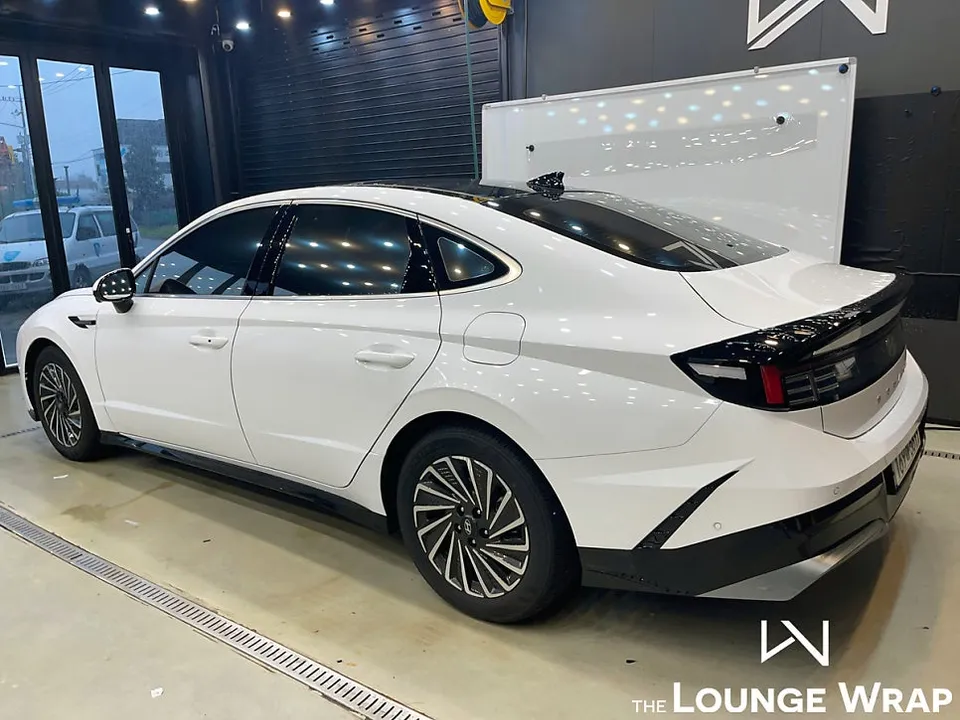
The Hyundai Sonata DN8 boasts a sporty and distinctive design, popular with younger drivers. Its sleek lines, integrated taillights, and dynamic side character lines are certainly eye-catching. However, these design elements can also make certain parts more vulnerable to external damage. Specifically, the front-end lighting components are at a higher risk. The integrated daytime running lights (DRLs) and turn signals, while stylish, could require a full replacement if damaged. Furthermore, the headlights are positioned lower on the front fascia, making them prime targets for small rocks and debris kicked up during driving – commonly known as "rock chips." Even for a domestic vehicle, replacement parts and labor can be costly, making preventative protection a wise investment.
This is why many Sonata DN8 owners opt for Paint Protection Film (PPF) installation, particularly for the headlights and DRLs. PPF is a transparent film applied to vulnerable exterior surfaces to shield the paint from impacts, scratches, and environmental contaminants. Applying it to high-risk areas like the headlights offers significant protection against stone chips and abrasions.
Detailed PPF Installation for Sonata DN8 Lights
This specific installation focused on the Hyundai Sonata DN8's left and right headlights and the full DRL units. The process involved applying a single, large piece of PPF to each side, accommodating the long, sweeping design of the Sonata's lighting. A film piece exceeding 2 meters was used for each headlight assembly. The installer began by cutting the PPF slightly larger than the area to be covered. This excess material is crucial for proper application, allowing the film to be stretched and molded precisely to the contours of the headlight and DRL housing. Cutting the film too small or exactly to size would necessitate excessive stretching during application, increasing the risk of lifting, bubbling, or premature failure.
Technical Note: "Stretching" or "tensioning" refers to the process of carefully pulling and manipulating the film to conform to curved or complex surfaces. This is essential for a smooth, bubble-free finish.
The installation concluded with a clean cut along the edge of the black bezel surrounding the headlight assembly. Cutting directly on the clear lens can make the seam more visible. This technique ensures a discreet finish, even on the sharp curves and edges of the lighting components, preventing the film from peeling up at the extremities.
Installation Process:
- Surface Preparation: The headlight and DRL units are thoroughly cleaned and degreased to ensure optimal adhesion.
- Film Cutting & Application: PPF is precisely cut (often with a plotter) slightly oversized and then carefully applied to the light assembly.
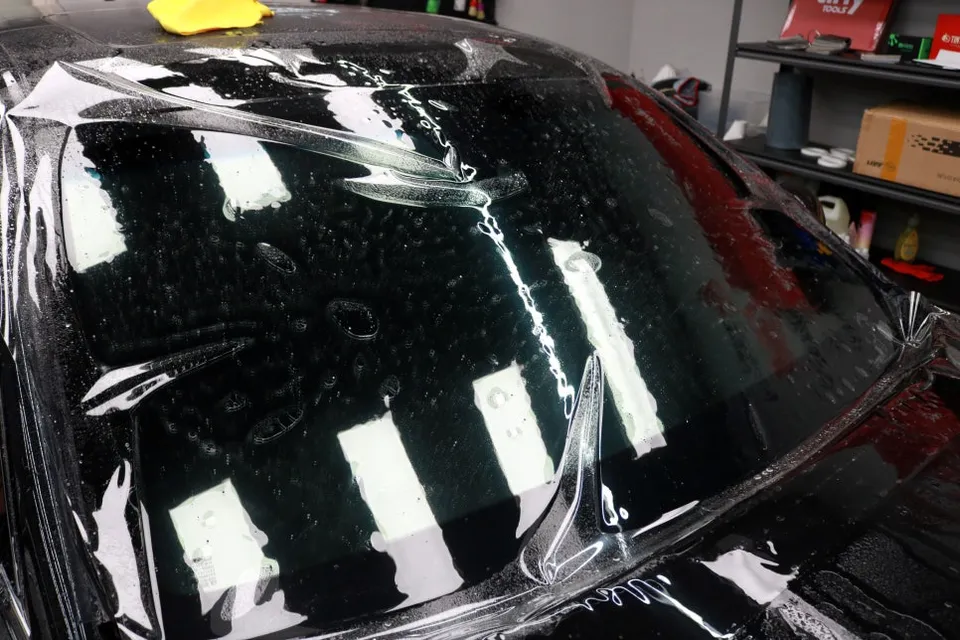
- Stretching & Molding: Heat and tension are applied to conform the film to the complex curves of the lights.
- Trimming & Finishing: Excess film is meticulously trimmed, typically along panel edges or bezels, for a seamless look.
Results, Durability, and Cost Considerations
Following the installation, the Sonata DN8's headlights and DRLs were visibly protected by a clear, almost invisible layer of film. The finish was smooth, with no visible edges or imperfections. This type of "light PPF" service typically takes about 2 to 3 hours to complete, though this can vary based on humidity and the specific condition of the vehicle. In Korea, the estimated cost for this service ranged from 300,000 to 500,000 KRW (approximately $220 - $360 USD, subject to exchange rates). The durability of PPF is generally expected to last between 3 to 5 years, with proper care and maintenance extending its lifespan. Regular washing and avoiding harsh chemical cleaners will help preserve the film's clarity and protective qualities.
Deciding whether PPF is worth it depends on your driving habits and priorities. For drivers concerned about road debris damaging expensive headlight assemblies or those who want to maintain the pristine look of their Sonata DN8, investing in PPF for these vulnerable areas offers significant peace of mind and protection against costly repairs.
Frequently Asked Questions
Q. How much does PPF cost for a Hyundai Sonata DN8?
For the Sonata DN8's headlights and DRLs, the estimated cost in Korea was 300,000-500,000 KRW (approx. $220-$360 USD). Typical US pricing for full front-end PPF packages can range from $1,500 to $3,000 or more.
Q. How long does PPF last on a Hyundai Sonata DN8?
Paint Protection Film is generally expected to last 3 to 5 years. Proper maintenance, such as regular washing and avoiding abrasive cleaners, can help extend its lifespan and clarity.
Q. Is PPF worth it for a Hyundai Sonata DN8?
PPF is highly recommended for Sonata DN8 owners who frequently drive on highways or in areas prone to road debris, as it provides excellent protection against rock chips and scratches. It offers peace of mind and can prevent costly repairs to expensive headlight assemblies.
Q. How is PPF installed on a Hyundai Sonata DN8?
Installation involves meticulously cleaning the headlight and DRL surfaces, then applying a pre-cut or custom-fit PPF sheet. The film is carefully stretched and molded to the contours, with excess material precisely trimmed along edges for a seamless finish.
Q. What is the difference between PPF and ceramic coating for a Hyundai Sonata DN8?
PPF provides superior physical protection against impacts like rock chips and scratches, whereas ceramic coating offers a hard, hydrophobic layer primarily for gloss enhancement and resistance to minor scratches and chemical etching. For headlight protection, PPF is the recommended choice.
OhCar Partner Shop
More ppf Reviews
See all →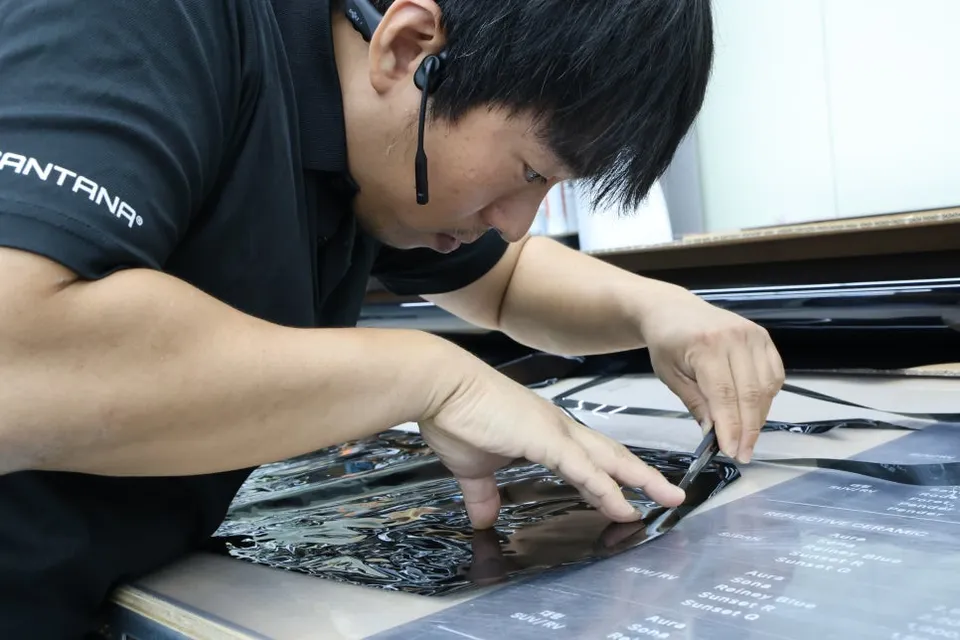

More Hyundai Reviews

Pair with Another Service
Complete your new car protection package