Hyundai Sonata Window Tinting Review: Cost & Results
Service Price
$under $40
Estimated price · Actual price may vary by shop
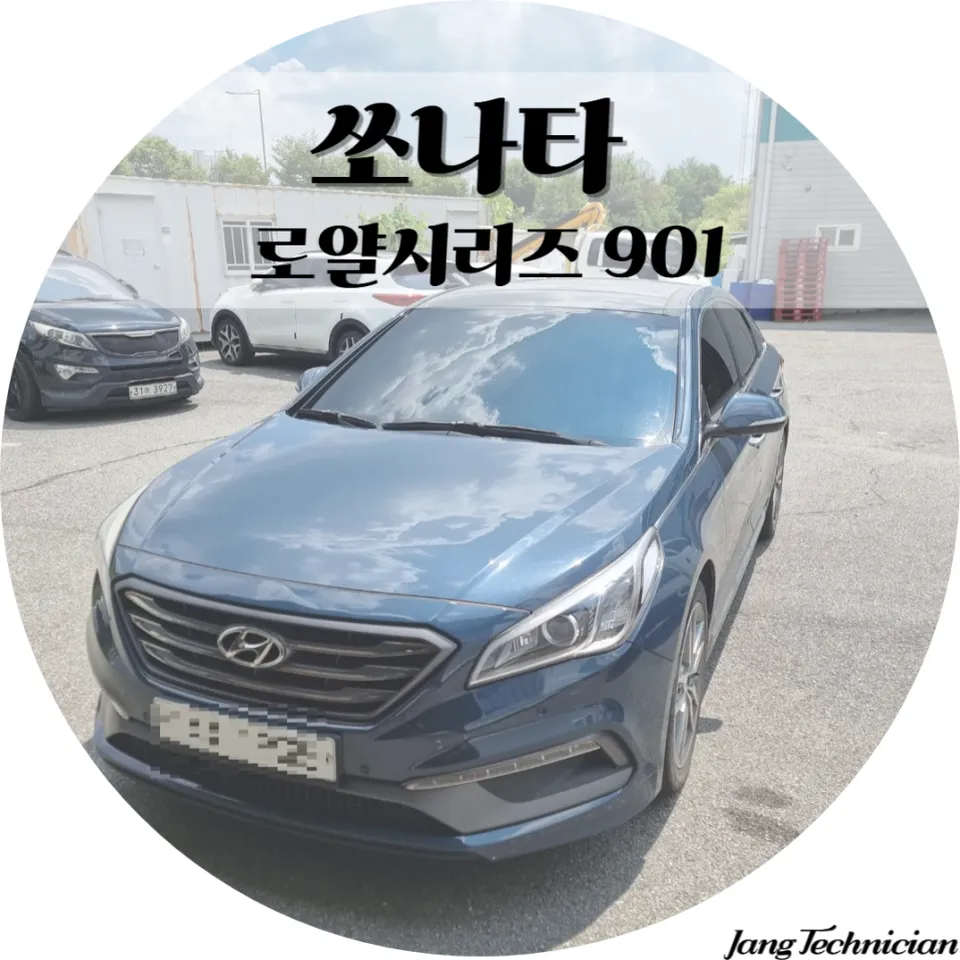
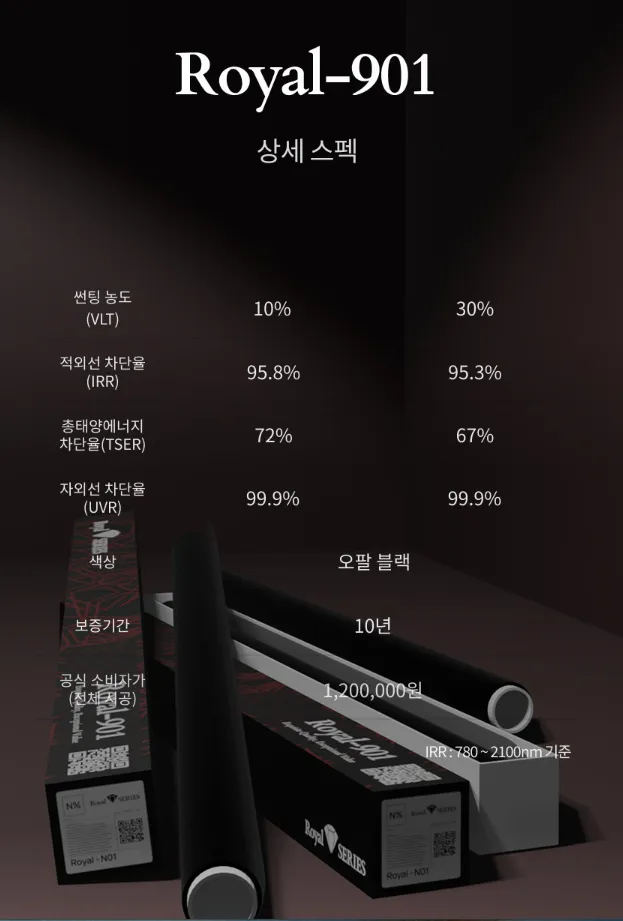
Hyundai Sonata window tinting re-installation: 400,000 KRW (approx. $300 USD). Eliminated bubbles without damaging defroster lines.
Understanding Window Tinting Bubbles and Resurfacing
If you're experiencing bubbles in your Hyundai Sonata's window tint, especially on the rear windshield, it often points to an issue during the initial installation. Many car owners in areas like Gwangju have sought out re-tinting services due to this common problem. Bubbles tend to grow over time, making prompt attention crucial. This review details a real-life case of a Hyundai Sonata undergoing a professional re-tinting process to eliminate bubbles without damaging the glass.
Causes of Bubbles vs. Proper Installation Techniques
The primary reason for tint bubbles is insufficient air removal during the film application. Window tinting involves applying an adhesive solution to the glass, carefully placing the film, and then using a squeegee tool to press out all air and moisture. Inadequate attention during this squeegee process can leave small air pockets that develop into noticeable bubbles.
Another factor is the quality of the tint film itself. Lower-quality films often have weaker adhesives, making them more prone to bubbling as they age. Conversely, mid-to-high-grade films, such as the Royal Series 901 mentioned, typically feature advanced adhesive layers designed to last 3-5 years or more without developing bubbles.
Proper installation involves several key steps: thoroughly cleaning the glass surface, applying the adhesive evenly, allowing a settling period of at least 30 minutes to an hour after film application before squeegee work, and meticulously removing all air, especially from edges and corners. Skipping any of these steps can lead to inevitable bubbling.
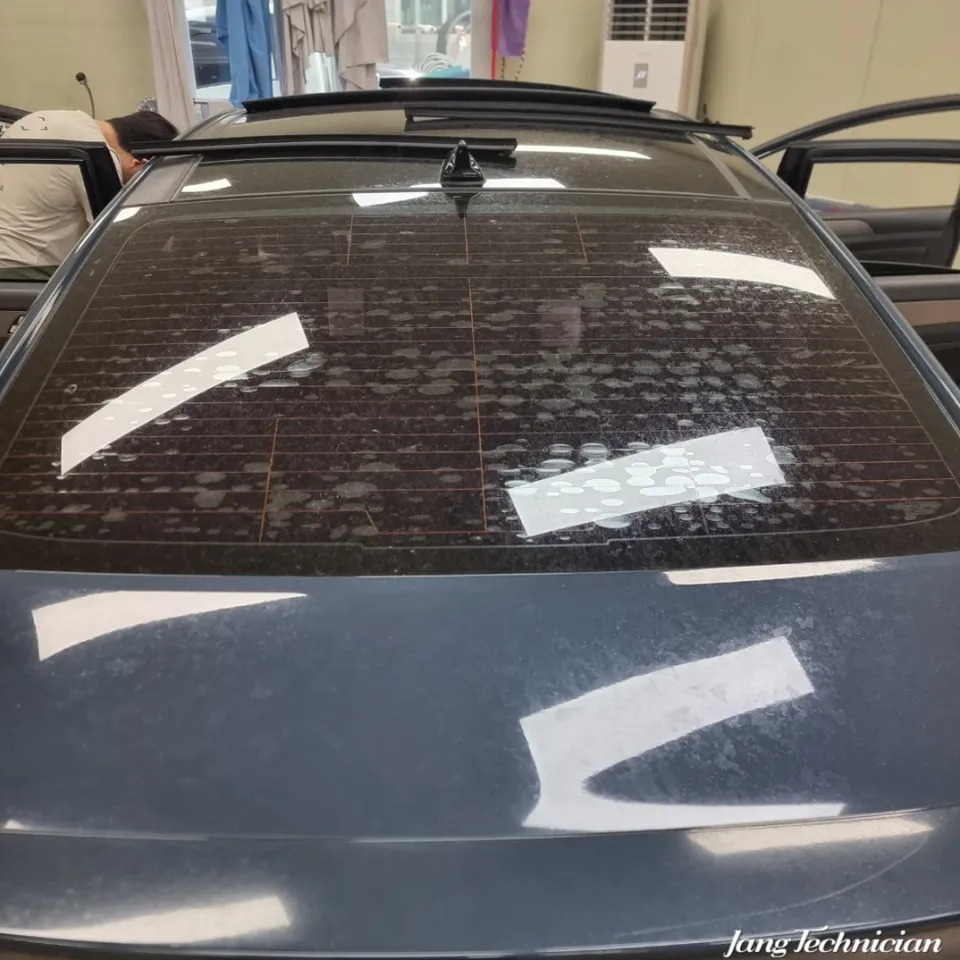
Hyundai Sonata Rear Window Tint Re-installation Case Study
This case features a Hyundai Sonata, specifically a Royal Series 901 model, that required a rear window re-tint due to bubbling from a previous installation. The owner sought a professional solution in the Gwangju region.
Pre-Installation Assessment
Upon inspection, the rear window clearly showed significant bubbling. A more concerning issue was the discovery that the existing tint was a multi-layer application (a bus film layered with another film). This complexity increases the risk of glass damage during removal. The technician at the Gwangju specialist shop explained these risks to the owner before proceeding cautiously.
Bubble Removal and Film Stripping
Removing the old, multi-layered tint took approximately two hours. Each layer had to be carefully separated. The process involved gently heating the adhesive with a heat gun to soften it, then slowly peeling back the film. Minimizing damage to the defroster lines (rear window heating elements) was a critical focus during this stage.
Glass Cleaning and New Film Application
After completely removing the old film, the glass surface was meticulously cleaned to eliminate any residual adhesive. This step is vital; failing to remove all residue can compromise the adhesion of the new film, leading to future bubbling. The technician used specialized cleaning solutions to ensure a perfectly clean surface, free from even microscopic dust particles.
A new Royal Series 901 film was then applied. This film offers mid-to-high-level heat rejection performance and was priced around 400,000 Korean Won (approximately $300 USD, though actual US pricing varies significantly). The adhesive solution was spread evenly across the glass before the new film was carefully positioned.
Curing Time and Squeegee Work
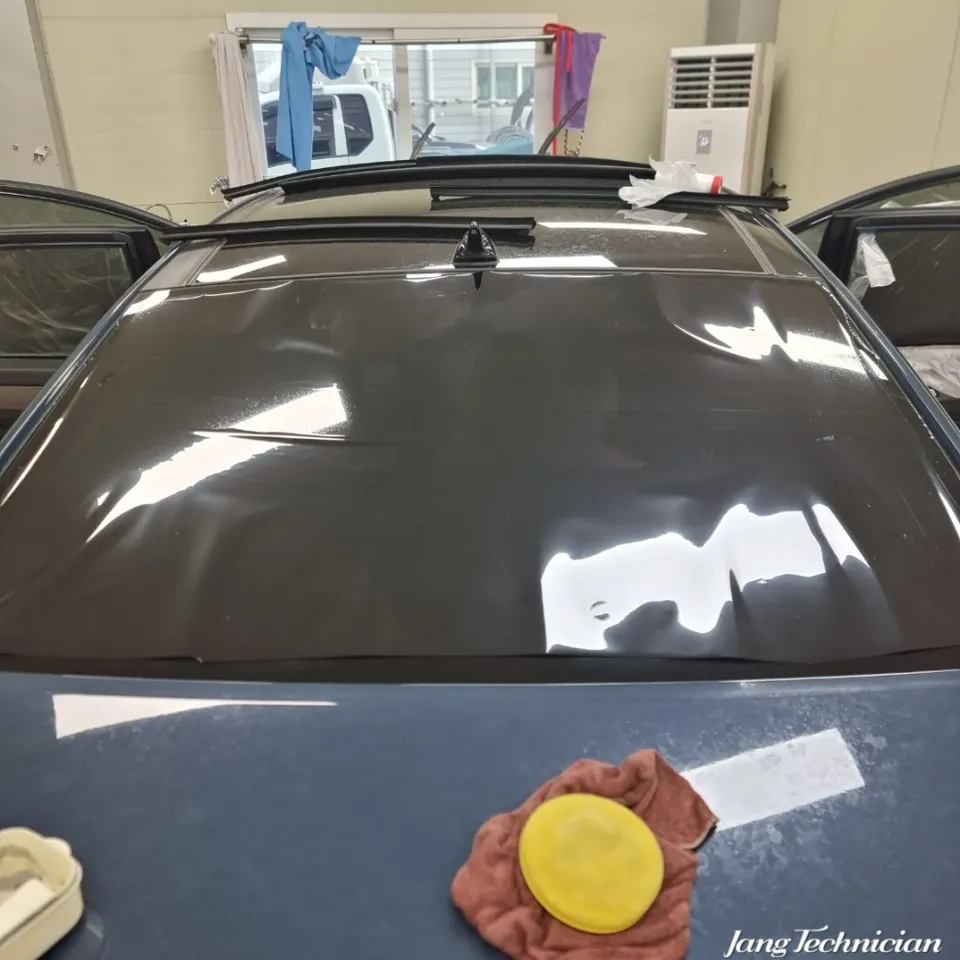
Following the application, the film was allowed to cure for about an hour. This settling period allows the adhesive to bond properly, making the subsequent squeegee work more effective. Rushing this step can result in incomplete air removal and the need for re-work.
After the curing period, the technician meticulously used a squeegee tool to press out any remaining air and moisture, paying close attention to the edges and corners to ensure a smooth, bubble-free finish.
Frequently Asked Questions
Q. How much does window tinting cost for a Hyundai Sonata?
The re-tinting service for the Hyundai Sonata in this case cost 400,000 Korean Won. Typical professional window tinting for a sedan like the Sonata in the US can range from $200 to $500 depending on the film type and shop.
Q. How long does window tint last on a Hyundai Sonata?
Quality window tint films, like the Royal Series 901 used in this example, are designed to last 3-5 years or more without bubbling. To maintain the tint, avoid harsh chemical cleaners and refrain from rolling down windows for at least 24-48 hours after installation.
Q. Is ceramic tint worth the extra cost for a Hyundai Sonata?
Ceramic tint is often worth the investment for a Hyundai Sonata if superior heat rejection and UV protection are priorities, especially in hot climates. While typically more expensive than dyed or metallic films, its performance benefits in blocking solar heat can significantly improve cabin comfort and reduce AC usage.
Q. How is window tint installed on a Hyundai Sonata?
Installation involves: 1. Thoroughly cleaning the glass surface. 2. Applying an adhesive solution and carefully placing the tint film. 3. Allowing a brief curing period (30-60 mins). 4. Meticulously using a squeegee to remove all air and moisture, especially from edges.
Q. What is the difference between ceramic and dyed window tint for a Hyundai Sonata?
Ceramic tint uses non-metallic ceramic particles to block heat and UV rays without interfering with electronics, offering superior heat rejection. Dyed tint uses dye to darken the windows and offers basic UV protection but less heat rejection and can fade over time. For maximum heat rejection and durability, ceramic tint is generally recommended.
OhCar Partner Shop
More window tinting Reviews
See all →
More Hyundai Reviews

Pair with Another Service
Protect paint while you're at the shop
Add gloss and protection