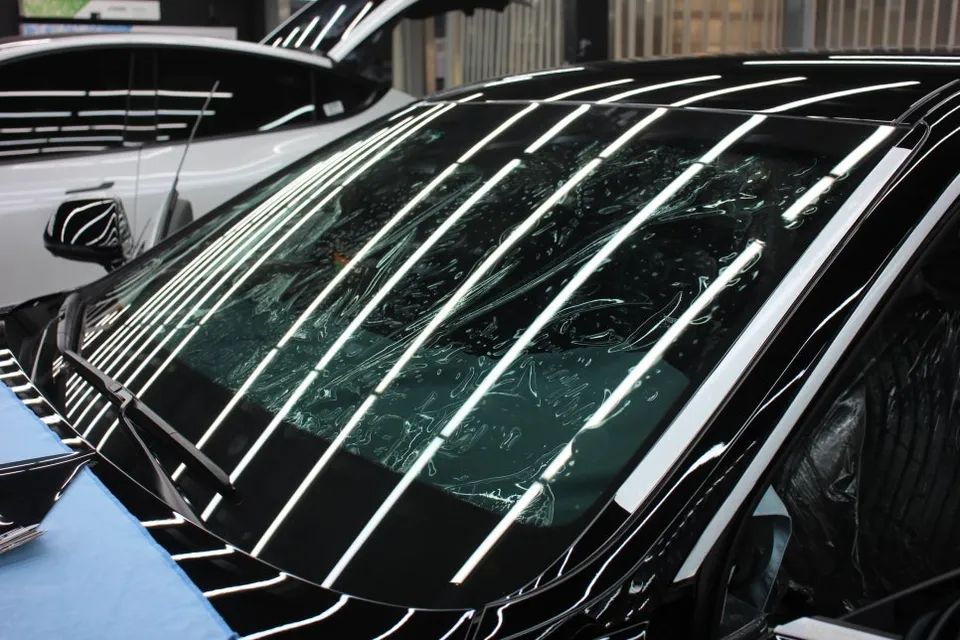
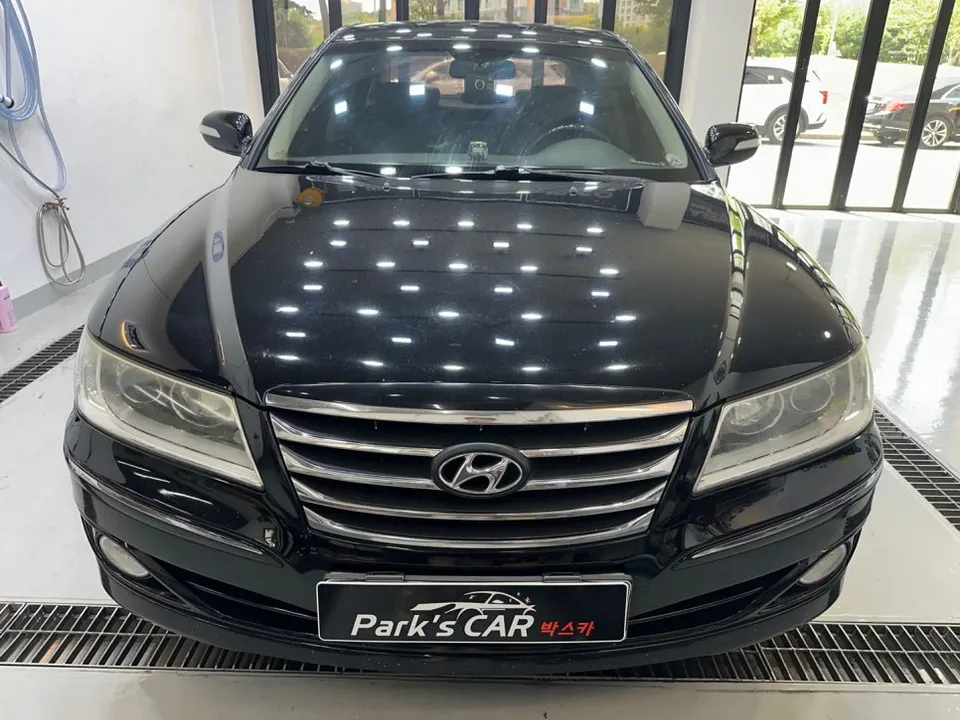
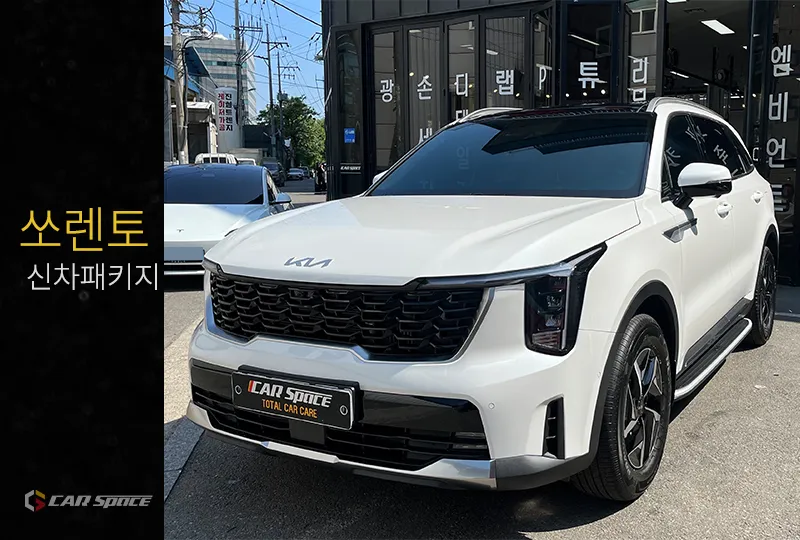
Window tinting applies a thin film to car windows to reduce heat, block UV rays, and improve privacy. Film types range from dyed (economy) to ceramic (premium).
Typical Cost
$200–$800
based on real installs
Reviews
1,020
English owner examples
Shops
113
installers with this service
Models
5
popular car matches
Verify your state's legal VLT (Visible Light Transmission) limits for front, rear, and windshield windows.
Options include dyed (budget), metallic, carbon, and ceramic (premium). Ceramic offers the best heat rejection without signal interference.
Lower VLT = darker tint. 35% is a popular middle ground; 20% or 5% are darker but may not be legal in some states.
The installer cleans the glass, precision-cuts the film, applies it with a slip solution, and squeezes out air bubbles.
Allow 3–5 days for the film to fully cure. Small water bubbles during this period are normal and will disappear.
| Brand | Avg. Price (USD) |
|---|---|
| Kia · 42 reviews | $84 |
| Hyundai · 39 reviews | $83 |
| Tesla · 30 reviews | $78 |
| BMW · 16 reviews | $89 |
| Genesis · 15 reviews | $82 |
Full car window tinting costs $200–$800. Ceramic tint is $400–$800; dyed film starts at $150–$300. Windshield tinting adds $100–$200.
35% VLT is popular for a balance of visibility and privacy. Check your state's legal limit — most require 35–70% VLT for front windows.
Quality ceramic tint lasts 10+ years. Budget dyed films may bubble or fade within 3–5 years.
Ceramic tint uses nano-ceramic particles to block heat and UV without metallic interference, so GPS and phone signals work normally. Regular dyed or metallic films are cheaper but may interfere with signals and fade faster.
Yes. Ceramic window tint can block up to 80% of solar heat, keeping the interior significantly cooler and reducing air conditioning load. Dyed films offer less heat rejection (around 30–40%).