Audi Q7 Body Kit Installation Review — Cost & Results
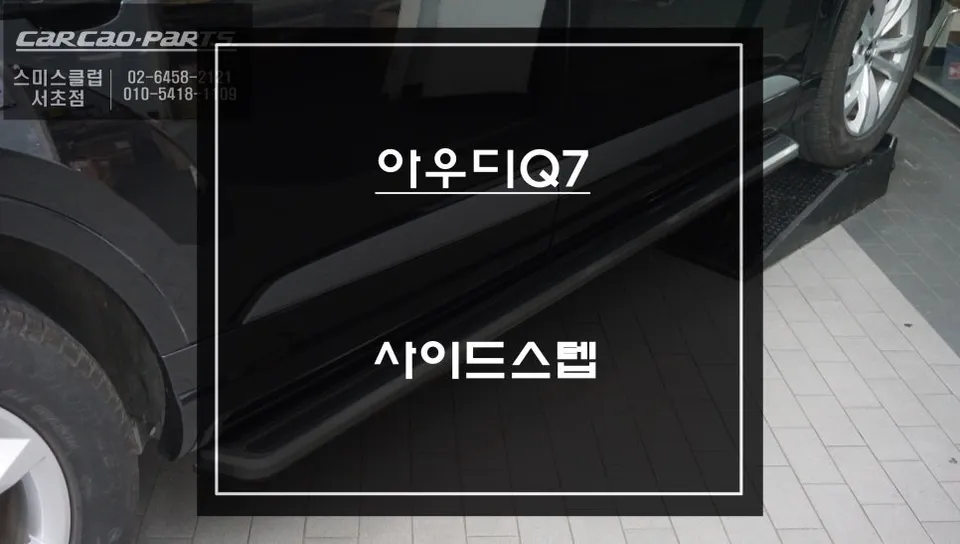
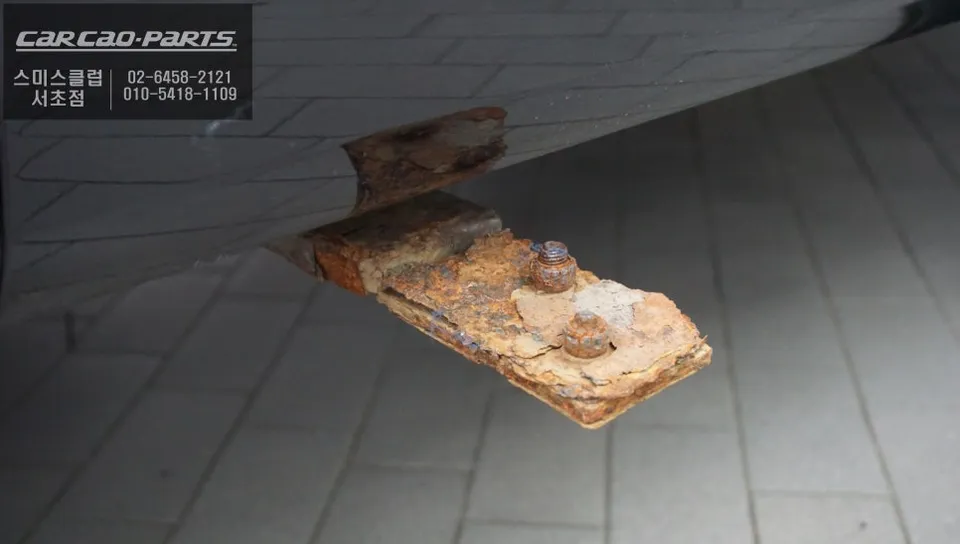
Audi Q7 body kit installation: Cost varies, but expect enhanced aesthetics and aerodynamics. Durability depends on material and installation.
Audi Q7 Body Kit Installation: Enhancing Style and Functionality
The Audi Q7, a luxury SUV known for its spaciousness and comfort, can be further personalized with a body kit. While the original Korean context focused on replacing rusted side steps, the concept of body kits extends to enhancing the vehicle's aesthetic appeal and aerodynamics. This review delves into the typical considerations for an Audi Q7 body kit installation, including cost, the transformation it offers, and its long-term value.
Understanding Body Kit Components and Materials
A body kit for an Audi Q7 typically includes several components designed to alter the vehicle's exterior profile. These can range from a front lip spoiler and side skirts to a rear diffuser and sometimes even a new bumper. The materials used are crucial for durability and fitment. Common options include polyurethane, which is flexible and impact-resistant, and fiberglass-reinforced plastic (FRP), which is lighter but can be more brittle. The choice of material significantly impacts the body kit cost and its longevity. While the original context mentioned stainless steel for side steps, body kits for the Q7 often focus on aerodynamic enhancements rather than purely functional steps.
The Installation Process and Expected Results
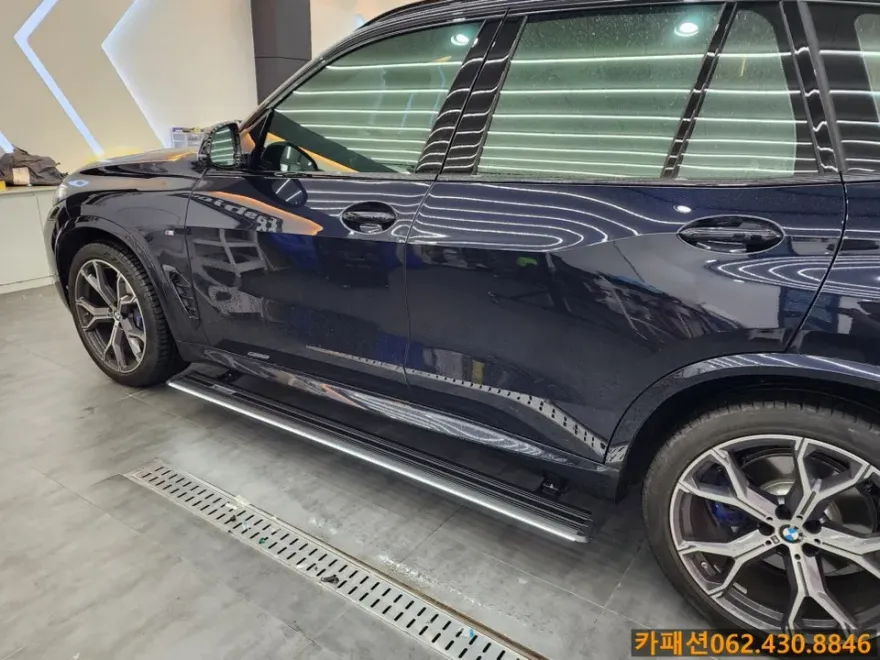
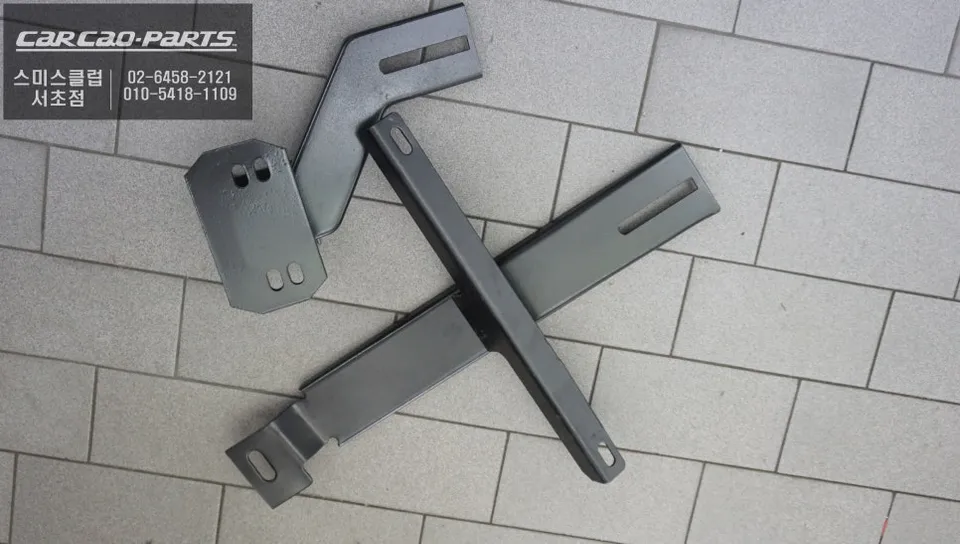
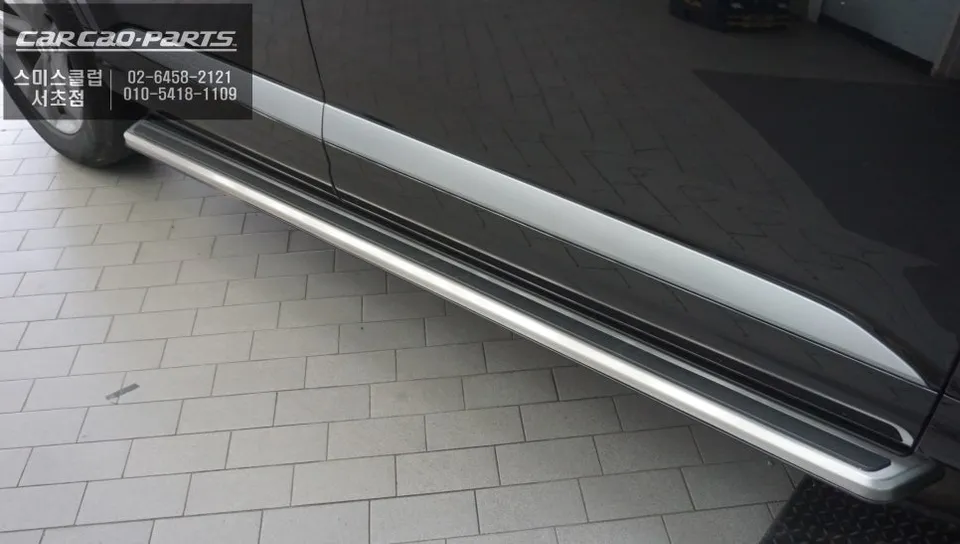
Installing a body kit on an Audi Q7 is a specialized process that requires precision to ensure a seamless fit and a factory-like finish. The installation typically involves careful alignment of each component, drilling (though often utilizing existing mounting points), and secure fastening. The before and after results can be dramatic, giving the Q7 a more aggressive, sporty, or customized look. The original Korean context highlighted the replacement of rusted side steps, emphasizing the importance of sturdy brackets and secure mounting. For a full body kit, the process is more involved, focusing on integrating new aerodynamic elements.
Installation process:
- Preparation: The vehicle's existing bumpers and trim pieces are removed, and the new body kit components are test-fitted to ensure proper alignment.
- Mounting: Brackets are secured, often using factory bolt locations where possible, or requiring precise drilling. The new components (front lip, side skirts, etc.) are then attached.
- Finishing: Gaps are checked and adjusted, and the components are permanently secured. Professional painting to match the vehicle's color is usually the final step.
The durability of a body kit depends heavily on the material quality, the installation expertise, and how the vehicle is used. Regular cleaning and avoiding harsh impacts will help maintain its appearance and integrity. While the original context noted that even improved parts might require management, this applies to any aftermarket automotive addition.
Frequently Asked Questions
Q. How much does a body kit cost for a Audi Q7?
The cost for a full body kit installation on an Audi Q7 can range significantly, typically from $1,500 to $5,000 or more in the US, depending on the brand and complexity. The specific side step replacement mentioned in the Korean context would be considerably less.
Q. How long does body kit installation take on a Audi Q7?
Body kit installation on an Audi Q7 typically takes 1-3 days, including preparation and painting. For long-term durability, regular washing and avoiding high-impact areas are recommended maintenance steps.
Q. Is a body kit worth it for a Audi Q7?
A body kit is worth it for Audi Q7 owners seeking a more personalized and aggressive aesthetic. It significantly enhances the vehicle's visual appeal, offering a custom look that can increase satisfaction.
Q. How is a body kit installed on a Audi Q7?
Installation involves test-fitting components, securing them with brackets (often using factory points or requiring precise drilling), and then permanently attaching the parts. Finally, the kit is professionally painted to match the vehicle's color.
Q. What is the difference between FRP and polyurethane body kits for a Audi Q7?
Polyurethane is more flexible and impact-resistant, making it ideal for daily driving and minor bumps, while FRP is lighter but more prone to cracking. For most owners, polyurethane offers better long-term durability and value.
Q. What should I know before getting Body Kit on a Audi Q7? (common regrets and mistakes)
The most common regret is choosing a kit that doesn't fit the owner's style or is poorly installed, leading to fitment issues. To avoid this, research reputable brands and experienced installers, and consider the long-term maintenance.
Kakao Parts