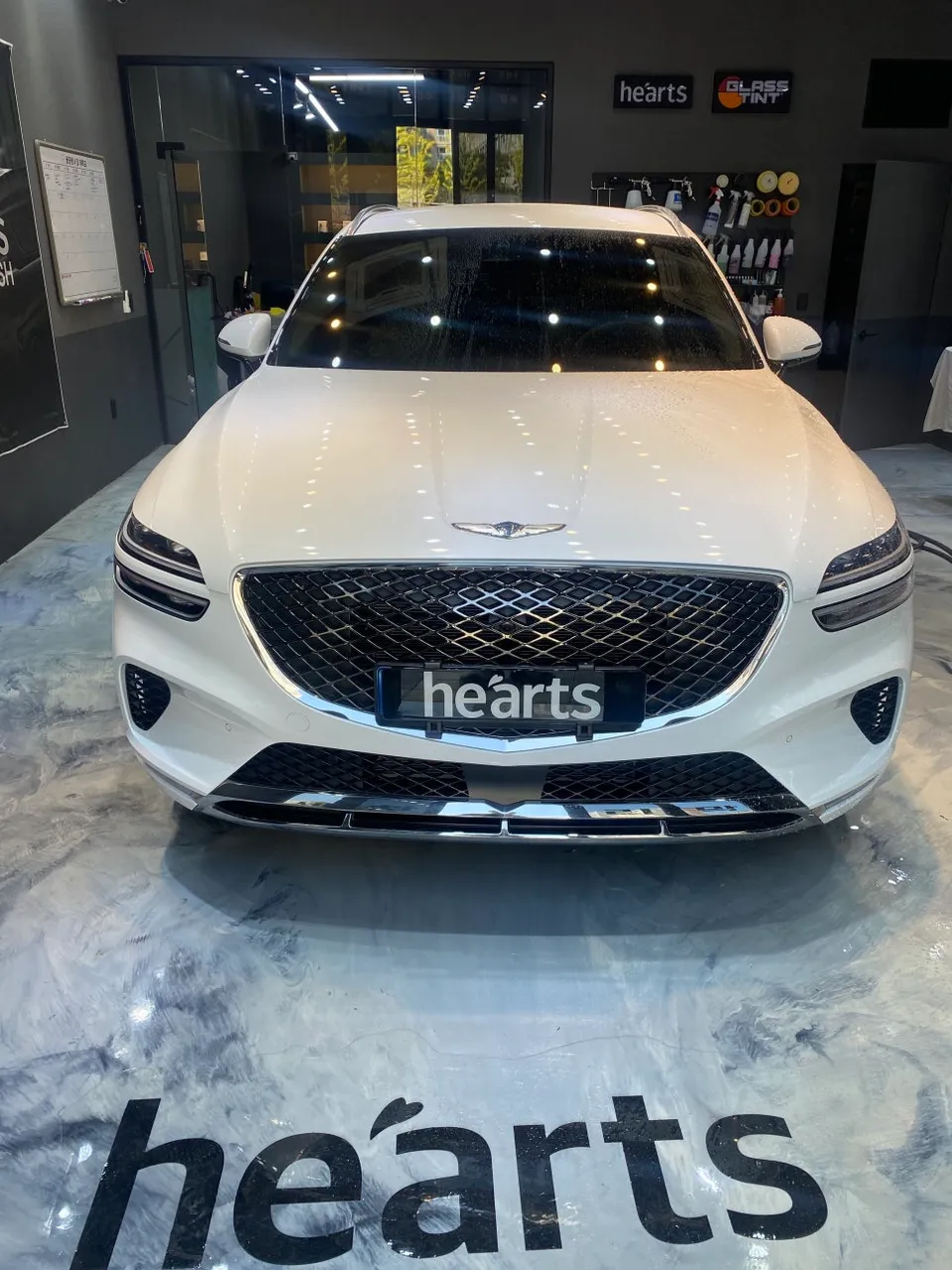
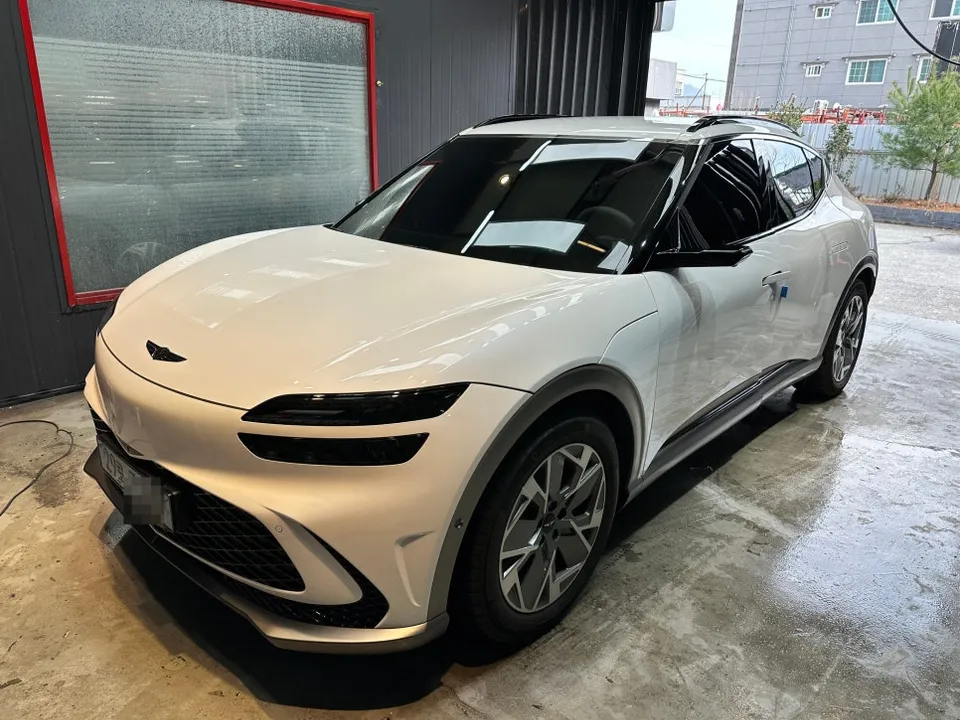
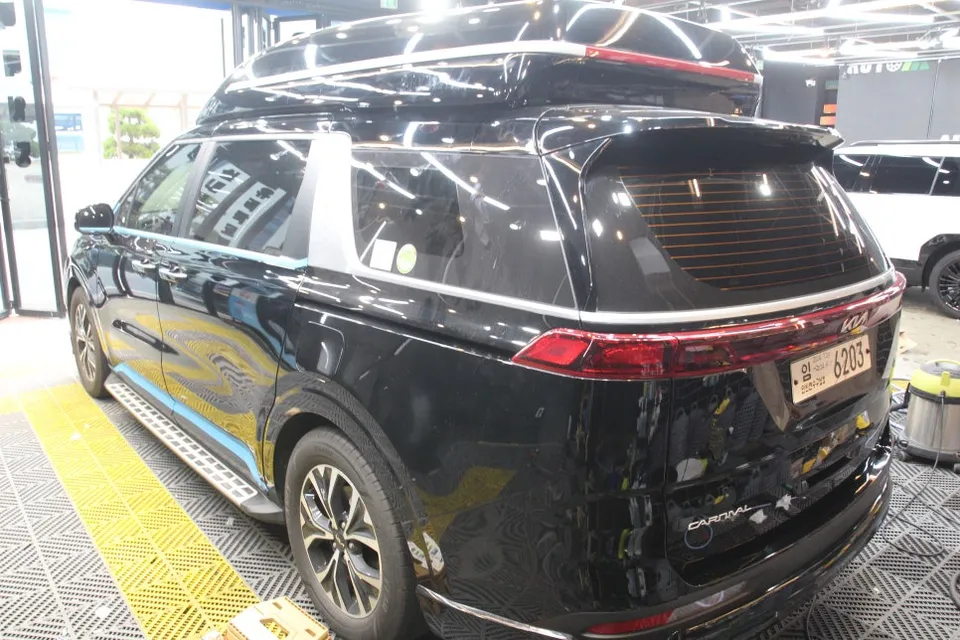
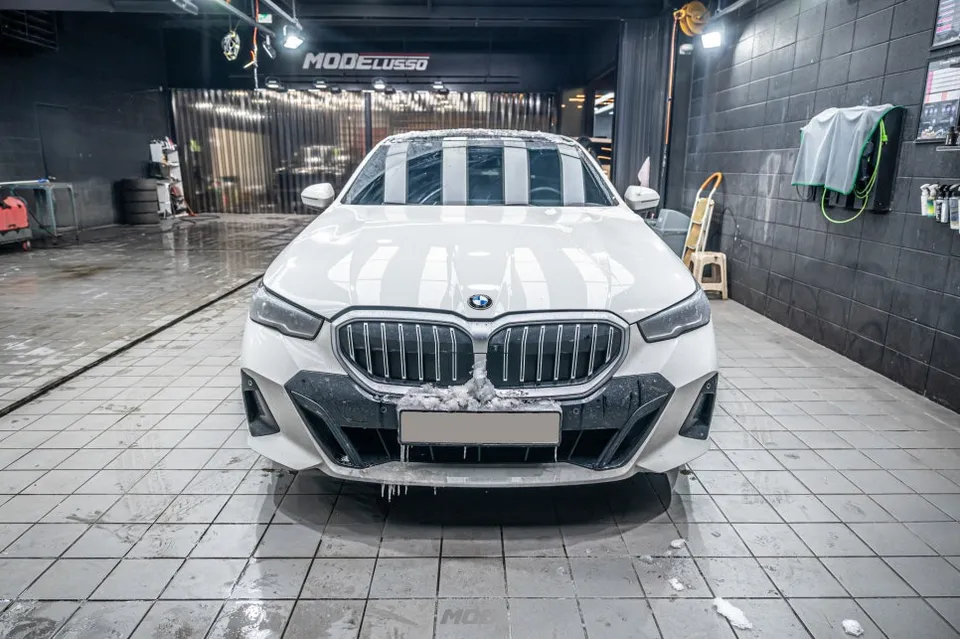
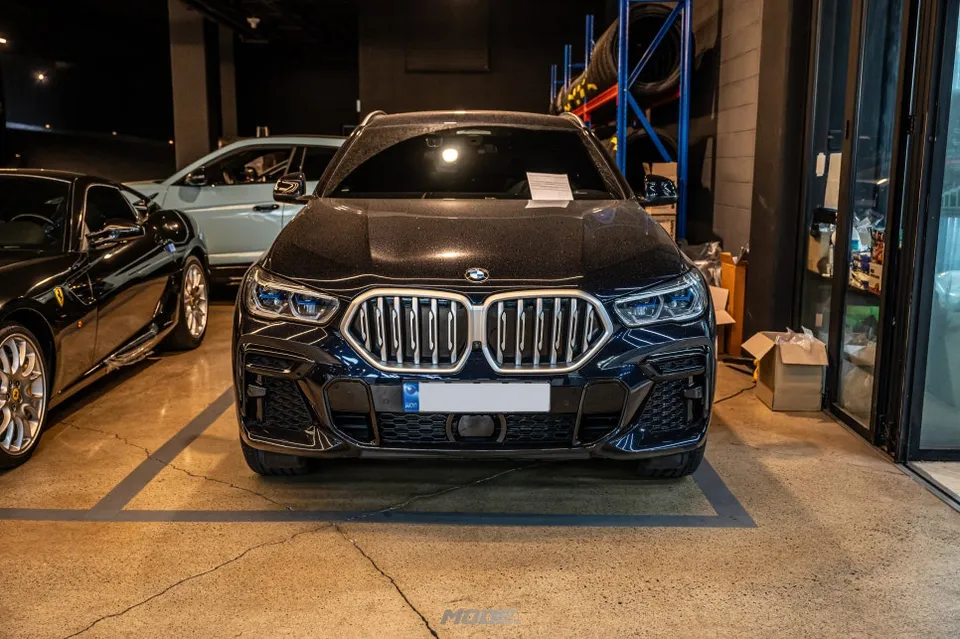
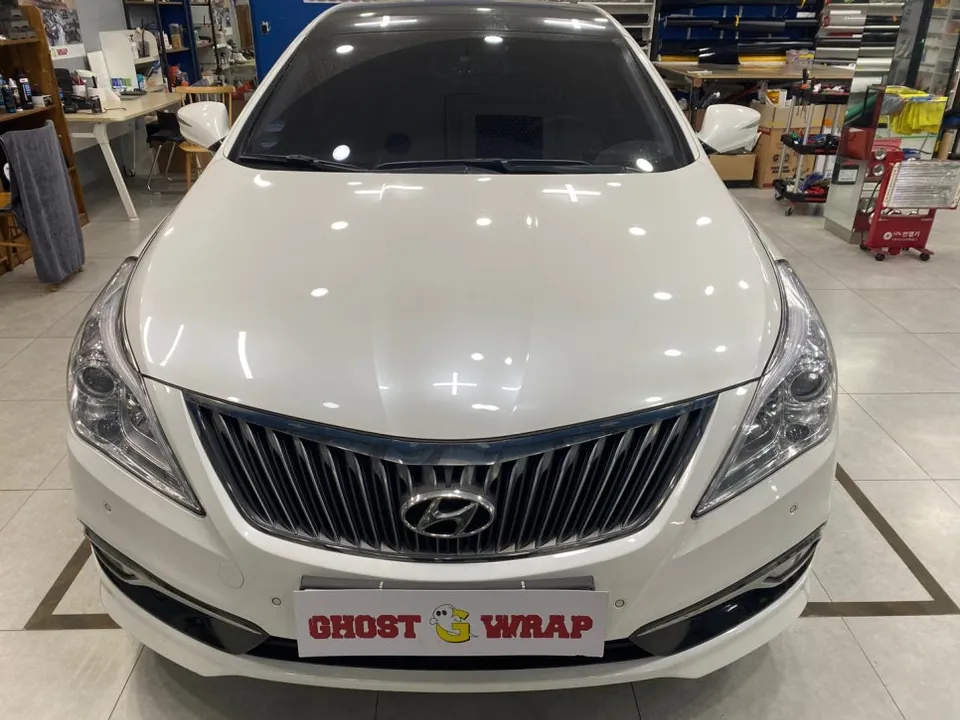
Ceramic coating is a liquid polymer that chemically bonds to your car's paint, creating a permanent hydrophobic layer that repels water, dirt, and UV rays.
Typical Cost
$600–$2,500
based on real installs
Reviews
240
English owner examples
Shops
70
installers with this service
Models
5
popular car matches
Thoroughly wash the vehicle, then use a clay bar and iron remover to strip embedded contaminants.
Polish or compound the paint to remove swirl marks. Coating locks in any imperfections, so this step is crucial.
Consumer coatings last 1–3 years; professional-grade coatings (9H) last 5–7 years. Discuss options with your installer.
The installer applies coating panel by panel in a dust-free environment, leveling excess before it cures.
Keep the car dry for 24–48 hours. Avoid car washes for 7 days to let the coating fully harden.
| Brand | Avg. Price (USD) |
|---|---|
| Kia · 16 reviews | $100 |
| Hyundai · 14 reviews | $91 |
| Mercedes-Benz · 12 reviews | $114 |
| Genesis · 11 reviews | $93 |
| BMW · 8 reviews | $100 |
Professional ceramic coating costs $600–$2,500 depending on coating grade and vehicle size. DIY kits cost $50–$200 but require paint correction first.
Consumer-grade coatings last 1–3 years. Professional coatings can last 5–7 years with proper maintenance.
Yes. Ceramic coating over PPF is a popular combination — the coating makes the PPF easier to clean and adds extra gloss.
Ceramic coating adds hardness (typically 9H) and resists light swirl marks, but it does not block rock chips or deep scratches the way PPF does. Think of it as paint enhancement, not physical armor.
Yes. Ceramic coating locks in whatever condition your paint is in. Any swirl marks, water spots, or scratches will be permanently sealed under the coating. Paint correction before application is strongly recommended.