Audi Q7 Blind Spot Assist Retrofit Review
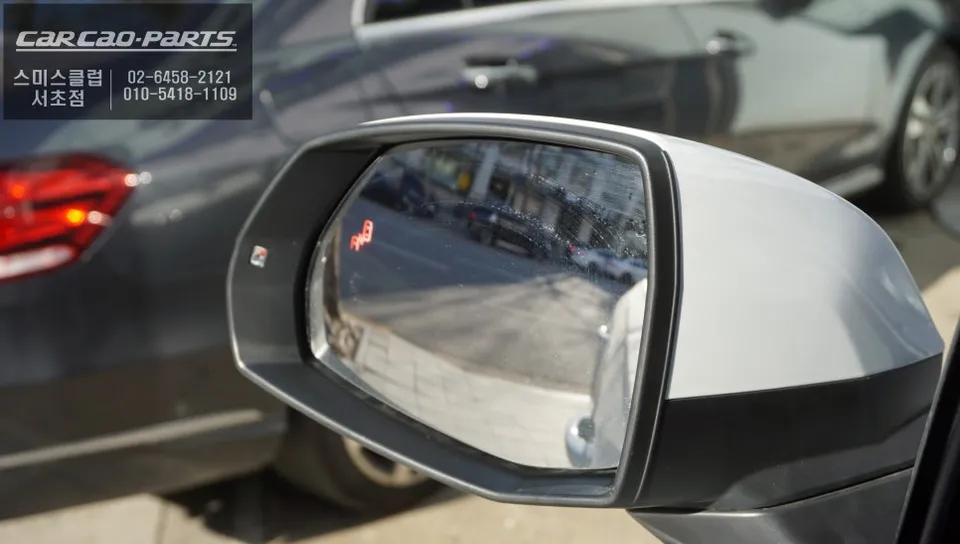
Audi Q7 blind spot assist retrofit: Approx. $500-$1500+. Enhances lane change safety with visual and audible alerts.
Enhancing Your Audi Q7 with Blind Spot Monitoring
Many Audi Q7 owners find themselves wishing for an extra layer of safety, particularly when changing lanes. The concern often stems from difficulty detecting vehicles approaching from the rear sides, leading to anxiety during maneuvers. This review explores a proven method to implement a blind spot warning system, closely mimicking factory options for a seamless integration. This approach ensures the system functions perfectly, enhancing your awareness of surrounding traffic. Many luxury import car owners have already opted for this upgrade, appreciating its blend of discreet installation and effective performance.
Side Mirror Options: Standard vs. Wide-Angle with Sensors
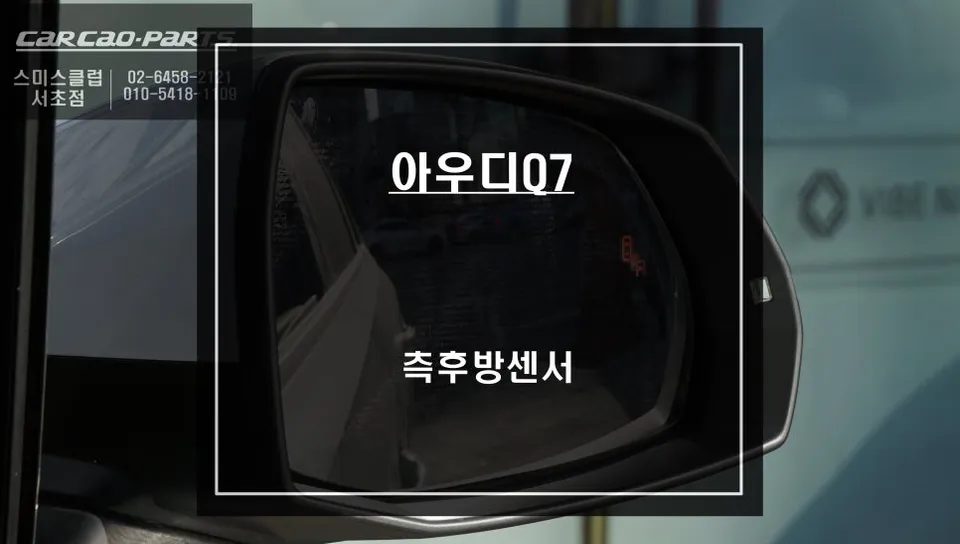
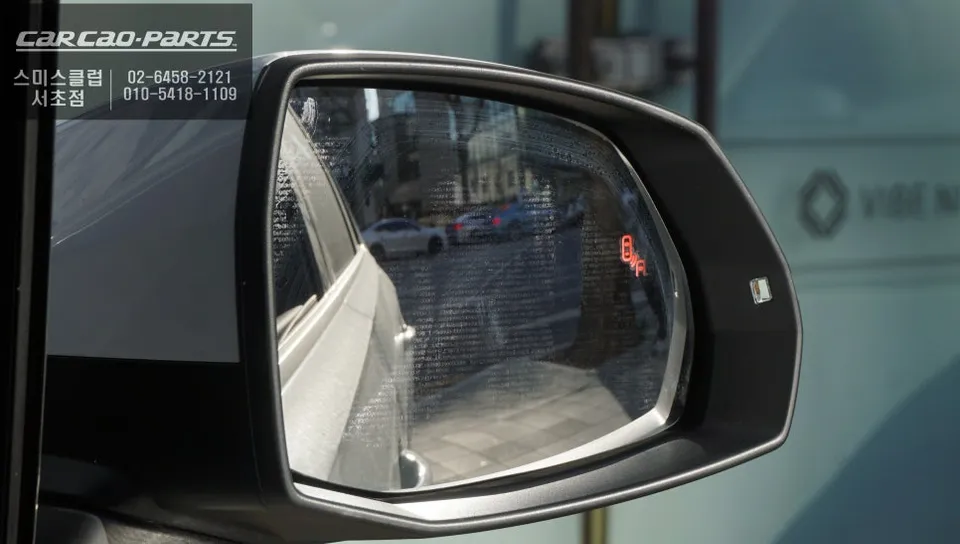
When checking your blind spots, you typically rely on your side mirrors. However, there are two primary ways to enhance this: either add separate sensors to your existing mirrors or replace them with specialized wide-angle mirrors that incorporate sensors. While simply adding sensors might seem sufficient, the effectiveness can differ significantly. Wide-angle mirrors offer a broader field of vision, allowing you to visually scan for vehicles in your blind spot before the sensors even alert you. This is especially beneficial for larger, more complex vehicles like the Audi Q7. When combined with sensors, you get a dual layer of protection. The new mirrors feature integrated LED warning lights along their edges. When a vehicle is detected approaching from the rear, a red sensor light illuminates on the side mirror, providing a clear visual cue. Red is chosen for its high visibility, even in adverse weather conditions. The warning becomes even more pronounced when you activate your turn signal. If the sensors detect an obstacle while your blinker is on, the mirror light will flash rapidly, and an audible alert will sound from a separate speaker, ensuring you're alerted through both sight and sound.
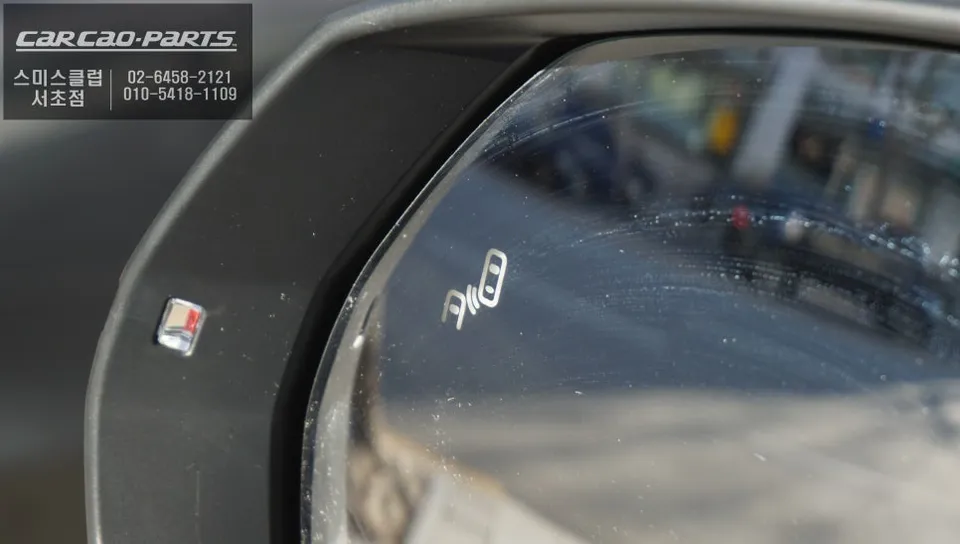
S-RADAR PLUS Sensors: Discreet Installation and Advanced Detection
A common concern with sensor installations is the need for drilling holes in the bumper. The S-RADAR PLUS sensors recommended here offer a different approach. They are installed discreetly inside the bumper, leaving the exterior completely untouched and maintaining a factory-original look. This is crucial for two reasons: it preserves the vehicle's aesthetics, which is important for resale value, and it simplifies any future repairs or maintenance. Another key feature of the S-RADAR PLUS system is its detection method. It's designed to ignore stationary objects and only alert you to moving vehicles in your blind spot. This prevents unnecessary warnings, such as when you're maneuvering past parked cars. This system has received domestic KC certification and has been proven safe and effective on over 750 import vehicles, including BMW, Mercedes-Benz, Porsche, and Lexus, offering a comparable level of technology to factory-installed systems.
Installation Process:
- Carefully remove the original side mirrors, preserving all integrated functions like heating and power adjustment.
- Integrate the LED warning lights into the new sensor mirrors, ensuring clean wiring within the mirror housing and vehicle interior.
- Connect the sensor system, signal processing unit, and speaker, then thoroughly test all functions.
The detection range of these sensors is up to 7 meters, providing ample warning time for lane changes. When a vehicle is detected, the mirror's LED illuminates. If you signal a lane change, the LED flashes faster, and an audible warning sounds simultaneously. The system's continuous signal transmission makes it resistant to dust and rain, though occasional cleaning of the sensor lens is recommended for optimal performance. All wiring is neatly concealed within the vehicle's interior using factory-style protective tubing.
This upgrade is not limited to the Q7; it can be applied to most Audi models, including sedans like the A4, A6, and A8, as well as SUVs like the Q5 and Q8, provided they lack factory blind spot monitoring. The key is the installer's expertise in understanding the vehicle's electrical system for a seamless, factory-like integration. Specialized shops focusing on high-end import car tuning are well-equipped for this task.
The cost for this comprehensive upgrade, including the wide-angle mirrors, sensors, wiring, and professional installation, typically ranges in the several hundred to low thousands of US dollars (or several hundred thousand to over a million Korean Won). The exact price varies based on the specific vehicle, mirror features, and sensor options. Given the significant enhancement in lane-changing safety, especially for frequent highway drivers or those in heavy traffic, this investment is often considered well worth it.
Frequently Asked Questions
Q. How much does OEM option and factory upgrade installation cost for a Audi Q7?
The cost for a factory-style blind spot warning system retrofit on an Audi Q7 typically ranges from several hundred to around $1500 USD, depending on specific options and installation complexity.
Q. How long does OEM options installation take on a Audi Q7?
The durability of these retrofitted blind spot sensors is comparable to factory systems, generally lasting many years with proper care. Occasional cleaning of the sensor lenses on the side mirrors is the primary maintenance required.
Q. Are OEM options worth adding after purchase for a Audi Q7?
This upgrade is particularly beneficial for Audi Q7 owners who frequently change lanes or drive in heavy traffic, significantly enhancing safety. The investment provides a substantial improvement in driving confidence and accident prevention.
Q. How are OEM factory options installed on a Audi Q7?
Installation involves carefully replacing the original side mirrors with wide-angle versions containing integrated sensors and LED indicators. Wiring is then discreetly routed through the vehicle's interior, connecting to a control unit and speaker for alerts.
Q. What is the difference between dealer-installed options and aftermarket upgrades for a Audi Q7?
Dealer-installed options are typically integrated during manufacturing or offered as official accessories, while this type of retrofit uses specialized aftermarket components designed to mimic factory blind spot systems. This specific upgrade focuses on seamless integration and advanced detection, often surpassing basic dealer options.
Q. What should I know before getting OEM Options on a Audi Q7? (common regrets and mistakes)
A common regret is not opting for the wide-angle mirrors alongside the sensors, which diminishes the visual confirmation aspect. To avoid this, ensure the installation includes both the sensors and the wider field-of-view mirrors for maximum safety.
Kakao Parts