Audi Q7 Blind Spot Sensor Retrofit Review

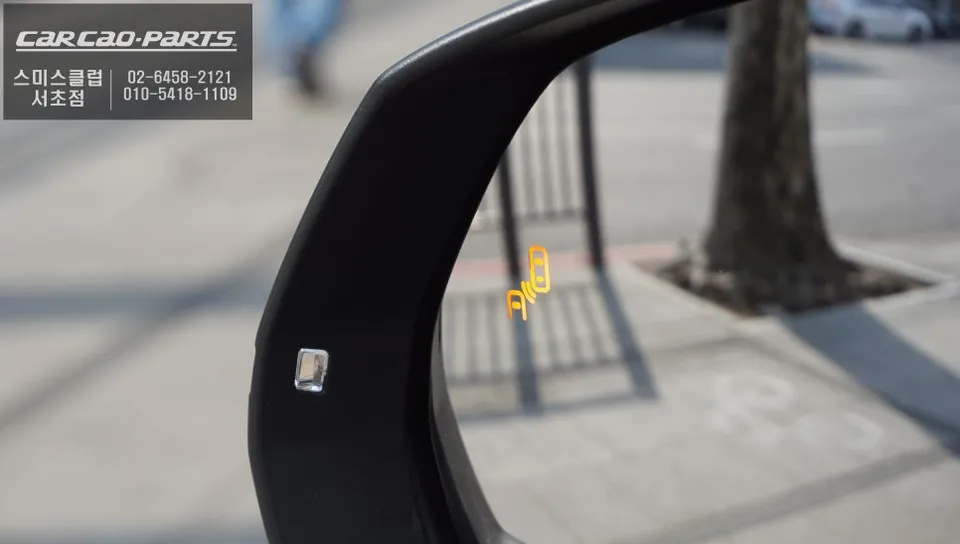
Audi Q7 blind spot sensors + wide-angle mirrors installed for 700,000 KRW (~$520 USD). Enhances safety by detecting vehicles in blind spots.
Enhancing Your Audi Q7's Safety with Blind Spot Monitoring
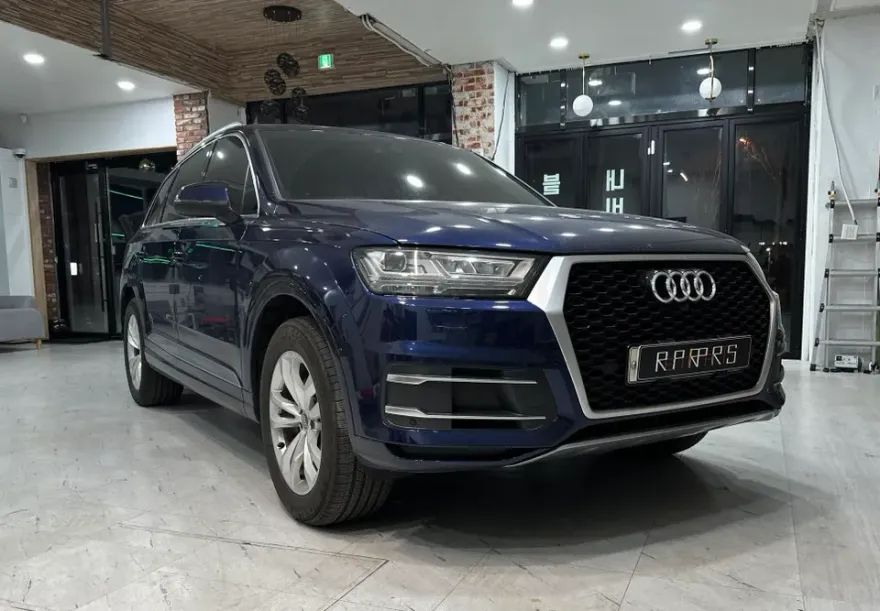
The Audi Q7, a large luxury SUV, presents a significant blind spot due to its expansive dimensions. This can make it challenging for drivers to detect smaller vehicles like motorcycles or bicycles, as well as other cars, especially during parking maneuvers or low-speed driving. To address this safety concern, a specialized aftermarket blind spot warning system, combined with wide-angle mirrors, was installed on an Audi Q7. This solution is designed for Q7 models that do not come equipped with the factory Side Assist feature, offering a verified method to improve driver awareness.
Aftermarket vs. Factory Blind Spot Systems
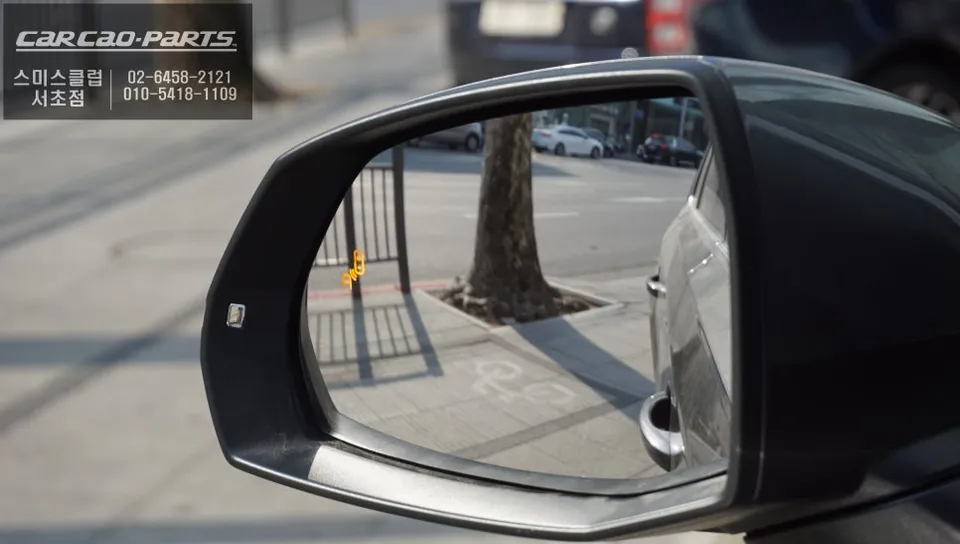
A key distinction between this aftermarket system and a factory-installed one lies in the installation location of the warning indicators. While OEM systems typically integrate warning lights within the side mirror housings, this aftermarket approach embeds the sensors directly into wider-angle mirrors. This not only provides the driver with a broader field of vision but also enhances the accuracy of the sensor detection. Furthermore, the wiring is meticulously routed through the vehicle's original protective conduits, ensuring no external wires are visible. This results in a clean, integrated look, akin to a factory-fitted option, which is also beneficial for future resale or maintenance.
Blind Spot Sensor Installation and Functionality
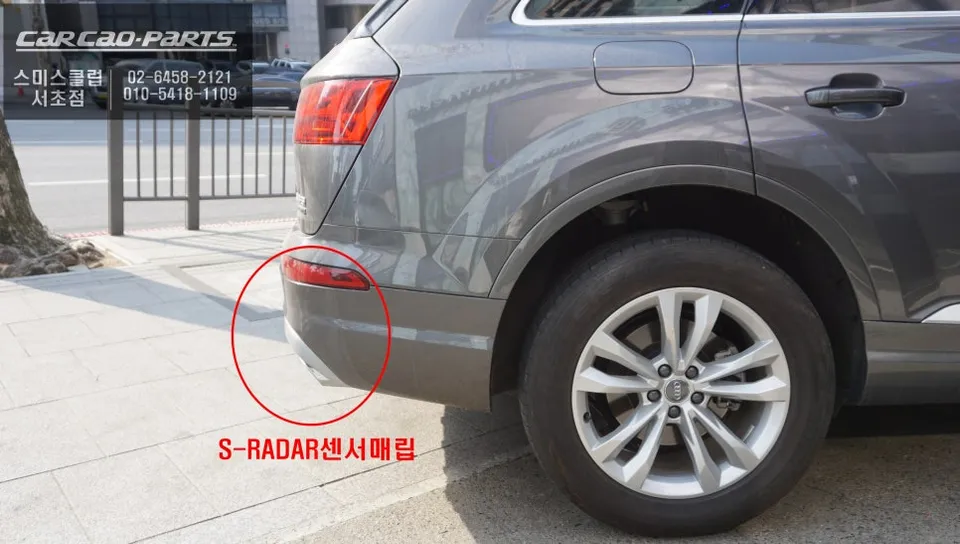
The blind spot sensors themselves are discreetly mounted inside the rear bumper. The installation process involves removing the bumper to securely attach the sensors internally, thus avoiding any visible exterior modifications or drilling. A standout feature of this system is its ability to detect only moving objects, significantly reducing false alarms from stationary items like fences or walls. The sensors are calibrated to detect objects within a range of approximately 5 to 7 meters, providing timely alerts through both audible beeps and LED indicators in the side mirrors when a potential hazard is within a critical distance.
Installation Process:
- Bumper removal to access internal mounting points.
- Securely mounting the blind spot sensors within the bumper structure.
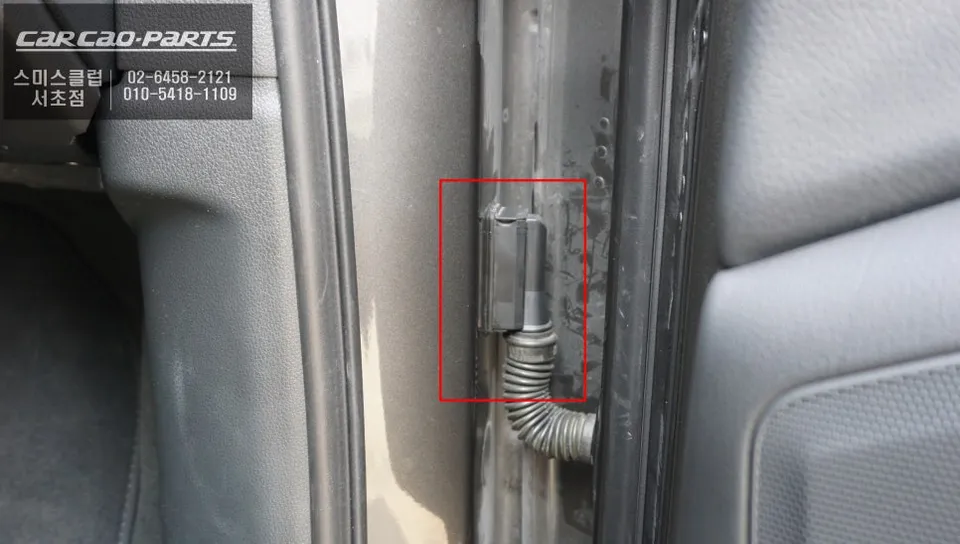
- Integrating sensors with the vehicle's wiring harness, routed through factory conduits.
- Installing wide-angle mirrors with integrated LED warning lights.
- Testing system functionality and calibration.
Smart Speed-Sensing Technology
This blind spot system incorporates intelligent speed detection by interfacing with the vehicle's OBD2 port to receive speed data. The system automatically determines its operational status based on the car's speed. Specifically, the sensors remain inactive when the vehicle is traveling below 15 km/h (approximately 9 mph). Once the speed exceeds 15 km/h, the system automatically activates. This logic is based on the understanding that at lower speeds, drivers are typically more attentive and the risk from blind spots is reduced. Conversely, at higher speeds, driver attention can be more easily divided, making the active monitoring of blind spots crucial. This design mirrors the standards of proven OEM systems.
Preventing Rear Blind Spot Collisions
When the blind spot sensors detect an approaching vehicle or motorcycle from the rear, the LED indicator in the corresponding side mirror illuminates, accompanied by an audible warning. This immediate alert allows the driver to react instinctively and avoid potential collisions. During test drives, the system demonstrated accurate and reliable performance. Its utility is particularly pronounced when exiting parking spaces or changing lanes, effectively covering areas that are impossible for the driver to see. For large SUVs like the Audi Q7, where blind spots are more pronounced, the value of such safety enhancements is significantly amplified, offering a crucial layer of protection against potential accidents.
The installation described was performed in Korea. The cost for this specific blind spot sensor and wide-angle mirror upgrade on the Audi Q7 was approximately 700,000 KRW (around $520 USD at the time of reporting). This aftermarket solution provides a robust and effective way to enhance the safety of your Q7, especially if it lacks factory-installed blind spot monitoring.

Frequently Asked Questions
Q. How much does OEM option and factory upgrade installation cost for a Audi Q7?
This aftermarket blind spot sensor and wide-angle mirror upgrade for the Audi Q7 cost approximately 700,000 KRW (around $520 USD). Factory-installed options from a dealer would typically be more expensive.
Q. How long does OEM options installation take on a Audi Q7?
While specific times vary, this type of blind spot sensor installation typically takes a few hours to complete. Proper maintenance involves ensuring the sensors remain clean and unobstructed by debris.
Q. Are OEM options worth adding after purchase for a Audi Q7?
Yes, adding blind spot monitoring is highly recommended for large SUVs like the Audi Q7, significantly improving safety during lane changes and parking. The value lies in preventing accidents in hard-to-see areas.
Q. How are OEM factory options installed on a Audi Q7?
Installation involves removing the rear bumper to mount sensors internally, integrating wiring through factory conduits, and fitting wide-angle mirrors with LED indicators. The process ensures a clean, factory-like appearance without external modifications.
Q. What is the difference between dealer-installed options and aftermarket upgrades for a Audi Q7?
Dealer-installed options are typically OEM parts integrated during manufacturing or by the dealership, often at a higher cost. Aftermarket upgrades, like this blind spot system, offer a more budget-friendly way to add similar functionality, using specialized components designed for retrofitting.
Kakao Parts