Audi Q8 PPF Review: Rock Chip Protection Results
Before
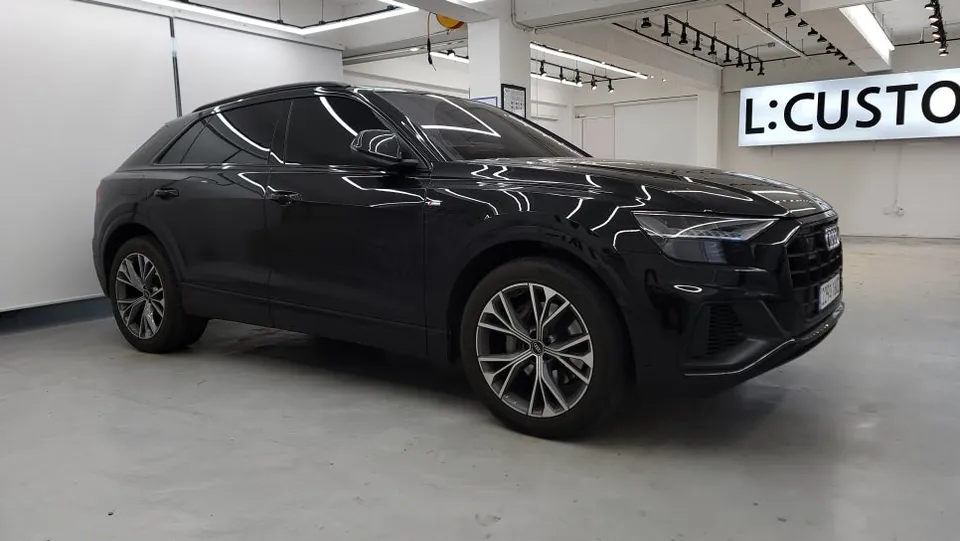
After
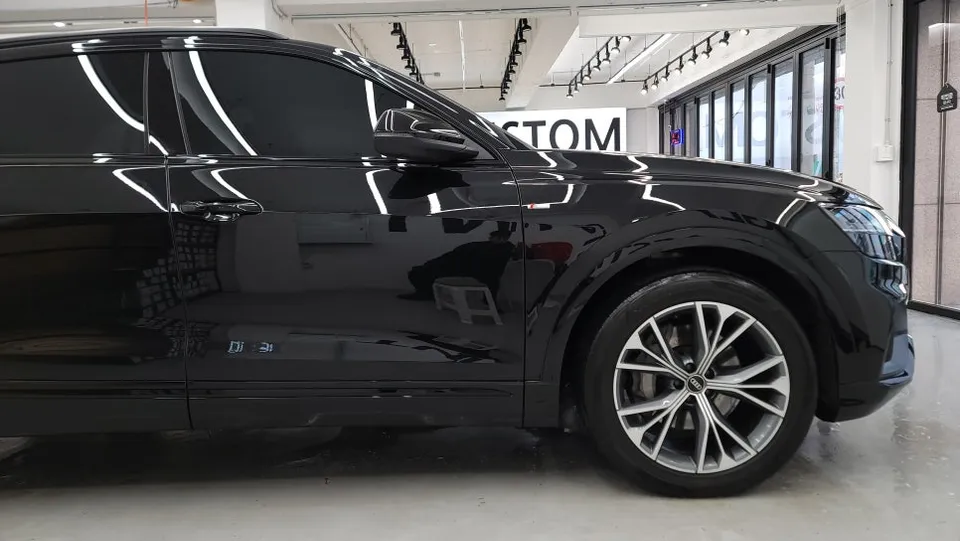
Process photos
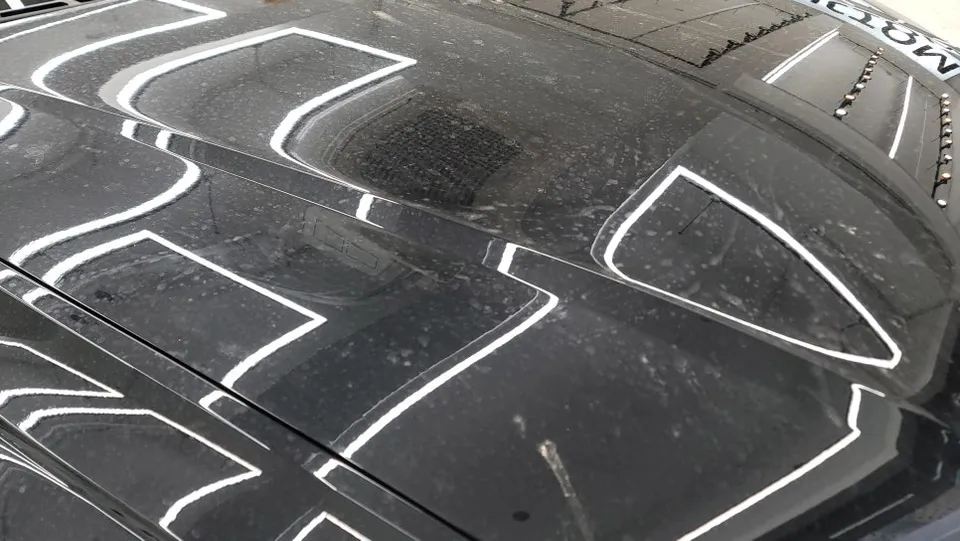
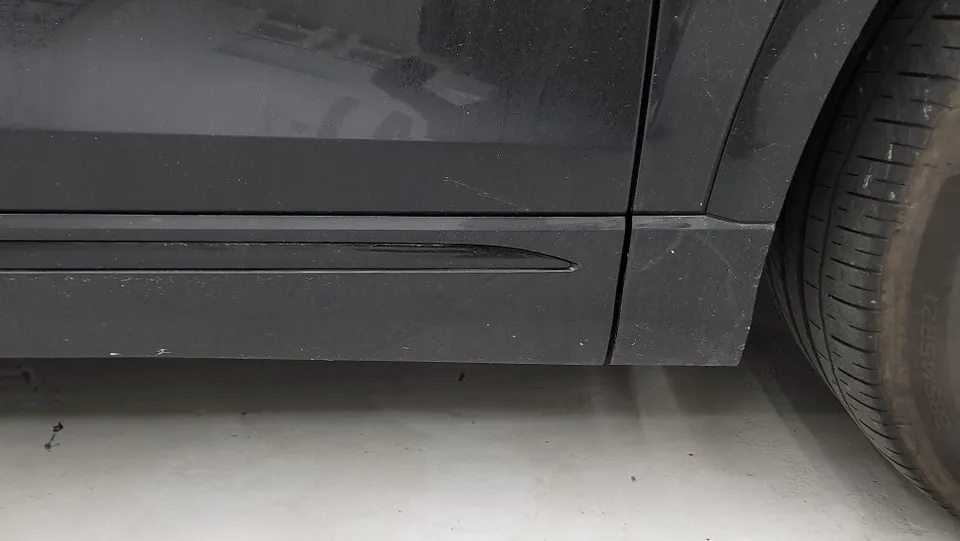
Audi Q8 PPF installation: Protects against rock chips and contaminants. Results in enhanced gloss and preserved paint.
Audi Q8 Paint Protection Film: A Detailed Look
This Audi Q8 55TFSI recently visited our detailing facility for a comprehensive service. While the original context mentions specific detailing products and processes used in Korea, the core takeaway for car owners considering Paint Protection Film (PPF) is clear: proactive protection is key, especially for vehicles like the Q8 that often see varied driving conditions. The owner's diligent maintenance schedule made the detailing process smoother, highlighting how regular care complements protective films. The black finish of the Q8, while stunning, is notoriously difficult to maintain, but a thorough detailing can reveal an unparalleled gloss, especially after protective measures are applied. The presence of minor stone chips, addressed with touch-up paint, underscores the need for robust protection against road debris.
Understanding Paint Protection Film (PPF)
Paint Protection Film, often referred to as a 'clear bra,' is a transparent, urethane-based film applied to your vehicle's painted surfaces. Its primary purpose is to shield the paint from damage caused by road debris like stones, bugs, tar, and other environmental contaminants. The film is designed to be durable and self-healing for minor scratches. For an Audi Q8, applying PPF, especially to high-impact areas like the front bumper, hood, and fenders, can significantly preserve its aesthetic appeal and resale value. The original context notes that acidic contaminants like bugs or tar should be removed promptly to prevent etching into the clear coat, a risk PPF helps mitigate.
Installation and Maintenance Considerations
The installation of PPF is a meticulous process requiring skill and precision. While the specific products and techniques from the Korean context are proprietary, the general steps involve thorough cleaning and preparation of the vehicle's surface, precise cutting of the film to match the vehicle's contours, and careful application to avoid air bubbles or imperfections. The film then needs time to cure. Regular maintenance, as demonstrated by the Q8 owner's approach, involves prompt cleaning of contaminants and avoiding harsh chemicals. The original context emphasizes that timely removal of acidic contaminants is crucial to prevent damage to the clear coat, a benefit PPF provides by acting as a sacrificial layer.
Installation process:
- Surface Preparation: The vehicle's paint is thoroughly cleaned to remove all dirt, debris, tar, and other contaminants.
- Film Application: The PPF is precisely cut and carefully applied to the designated areas of the vehicle, ensuring a smooth, bubble-free finish.
- Edge Wrapping: Where possible, the film edges are wrapped around panel lines for a more seamless and protected finish.
- Curing: The applied film is allowed to cure, bonding securely to the paintwork.
The detailing service described in the original context took approximately three hours, indicating a focused and efficient application. While specific pricing in USD isn't provided, such services in Korea can range from several hundred to over a thousand US dollars depending on the coverage area and film quality.
Frequently Asked Questions
Q. How much does PPF cost for an Audi Q8?
While the specific cost for this Audi Q8 in Korea was not detailed in USD, full front-end PPF installations in the US typically range from $1,000 to $2,500.
Q. How long does PPF last on an Audi Q8?
High-quality Paint Protection Film can last 5-10 years, depending on maintenance and environmental exposure. Regularly cleaning the film and avoiding harsh chemicals will prolong its life.
Q. Is PPF worth it for an Audi Q8?
PPF is most beneficial for owners who frequently drive on highways or in areas with significant road debris, as it offers excellent rock chip protection. It's a worthwhile investment for preserving the car's paint condition and resale value.
Q. How is PPF installed on an Audi Q8?
Installation involves meticulously cleaning and preparing the vehicle's surface, precisely cutting the film to fit the car's panels, and carefully applying it to ensure a smooth, bubble-free finish. The film then cures onto the paint.
Q. What is the difference between PPF and ceramic coating for an Audi Q8?
PPF provides physical protection against impacts like rock chips and scratches, while ceramic coating offers a hard, hydrophobic layer that enhances gloss and makes cleaning easier. For comprehensive protection, many opt for PPF on high-impact areas combined with a ceramic coating.
Q. What should I know before getting Paint Protection Film on an Audi Q8? (common regrets and mistakes)
The most common regret is not covering enough of the vehicle, leaving vulnerable areas exposed. To avoid this, consider full-front coverage or even a full vehicle wrap for maximum protection.
OhCar Partner Shop
More ppf Reviews
See all →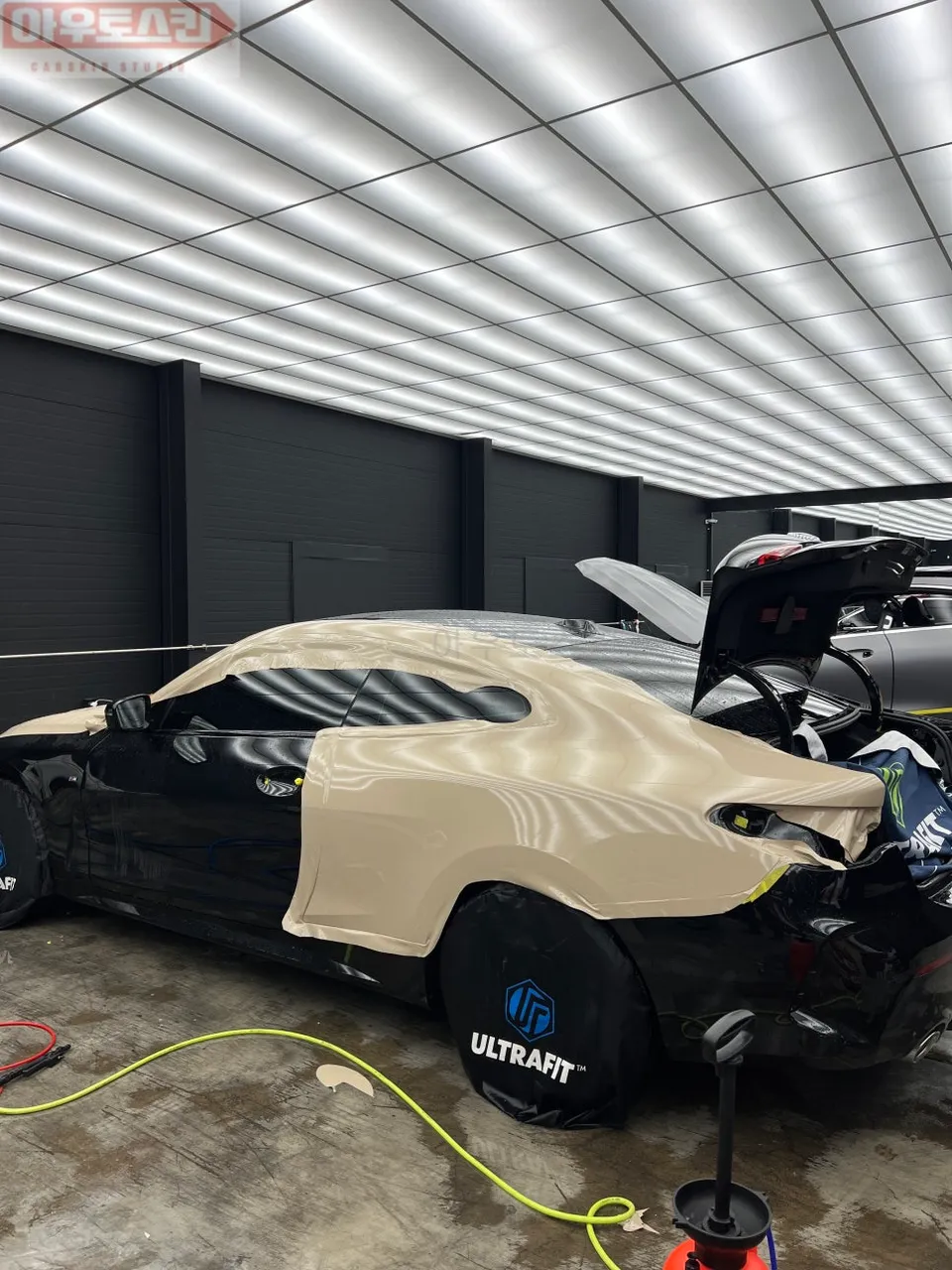
More Audi Reviews

Pair with Another Service
Add hydrophobic protection on top of PPF

Complete your new car protection package