Audi TT Factory Option Retrofit Review
Service Price
Est. $1,500+
Estimated price · Actual price may vary by shop
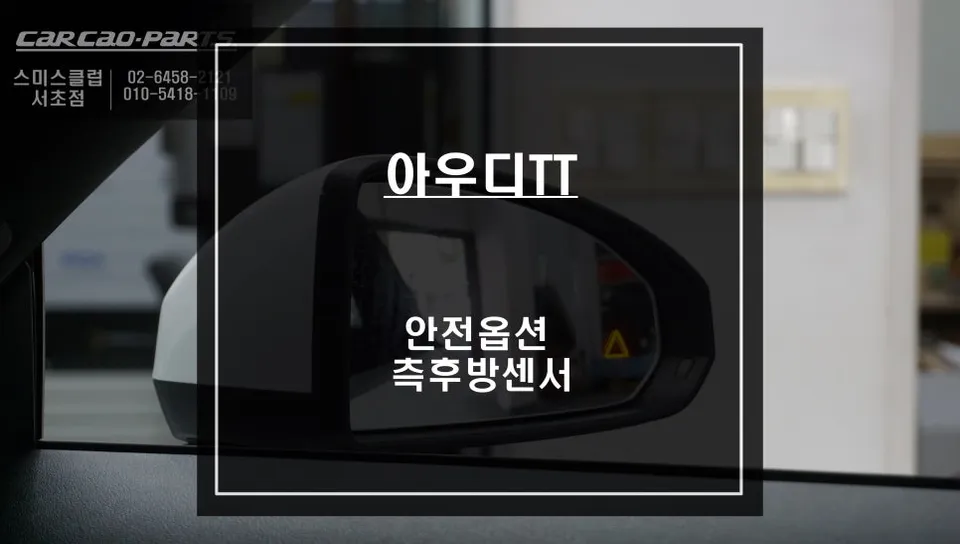
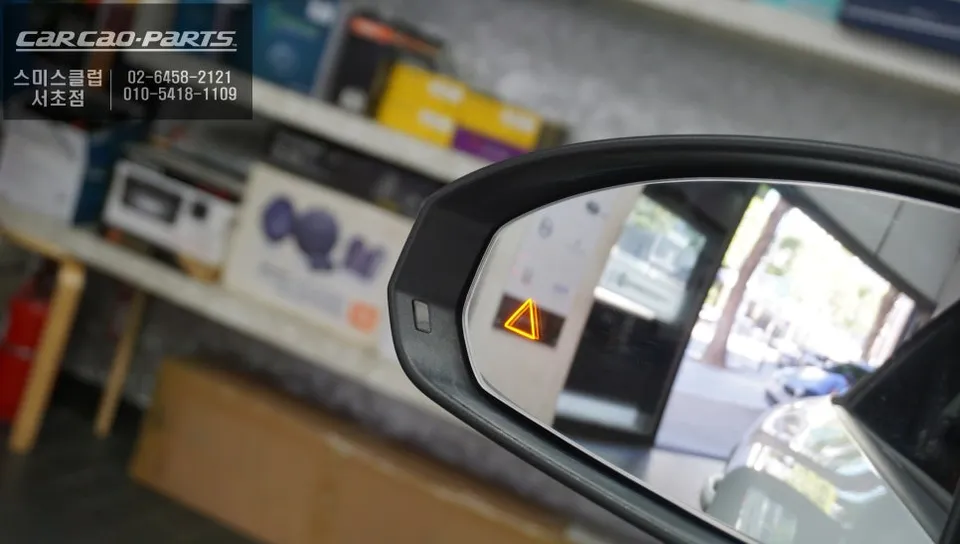
Audi TT blind-spot monitoring retrofit: ~$1,800-$2,800. Enhances lane-change safety with wide-angle mirrors and radar sensors.
Enhance Your Audi TT with Factory Option Retrofits
While many modern vehicles come equipped with advanced safety and convenience features, some premium cars, including certain Audi TT models, might not include every desirable option as standard. This is where the appeal of factory option retrofits, often referred to as OEM options, comes into play. These upgrades allow owners to enhance their vehicles with genuine manufacturer parts, bringing them up to par with higher trim levels or adding functionalities that were previously unavailable. This review delves into the process, benefits, and considerations of installing OEM options, specifically focusing on a common and highly beneficial upgrade: the blind-spot monitoring system (BSM) with wide-angle mirrors.
Understanding OEM Options: Blind Spot Monitoring for the Audi TT
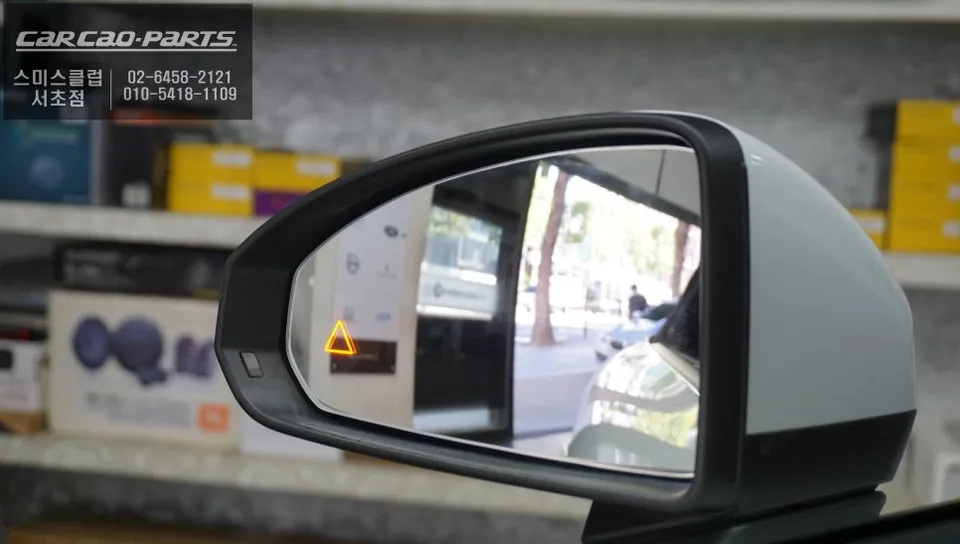
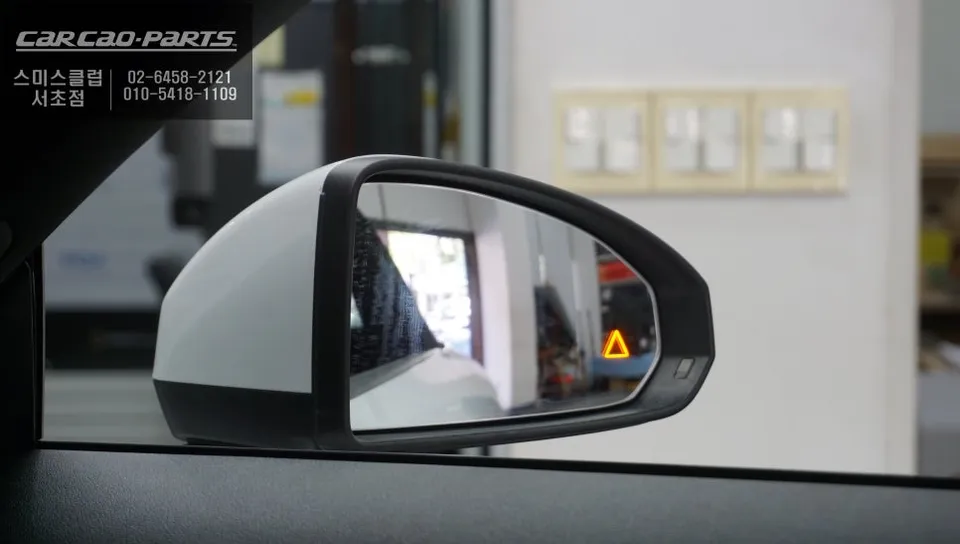
The primary goal of installing OEM options is to integrate features seamlessly, as if they were factory-installed from the beginning. For the Audi TT, a popular retrofit is the addition of a blind-spot monitoring system. This system typically consists of two main components: wide-angle mirrors and S-RADAR sensors. The wide-angle mirrors replace the standard side mirrors, offering a broader field of vision and significantly reducing blind spots. This visual enhancement alone improves lane-change safety. When combined with the S-RADAR sensors, which are discreetly mounted inside the rear bumper, the system provides both visual and audible alerts for approaching vehicles in the rear blind spots. A key feature of the S-RADAR sensors is their ability to detect only moving objects, minimizing false alarms from stationary items and focusing on genuine hazards during lane changes. These sensors typically detect vehicles within a 5-7 meter range, providing ample warning time.
Installation Process: Integrating OEM Options
The installation of OEM options like the blind-spot monitoring system on an Audi TT is a precise process that requires specialized knowledge and tools. It's important to note that this specific installation was performed in South Korea, and the cost is presented in Korean Won with an approximate USD conversion. The process generally involves the following steps:
- Component Removal: The original side mirrors and door trims are carefully removed. Electrical connectors are disconnected, and mirror mounting bolts are loosened.
- Wide-Angle Mirror Installation: The new wide-angle mirrors, identifiable by a triangular marking, are installed in place of the factory mirrors. Precise alignment is crucial to ensure optimal visibility of the blind spots.
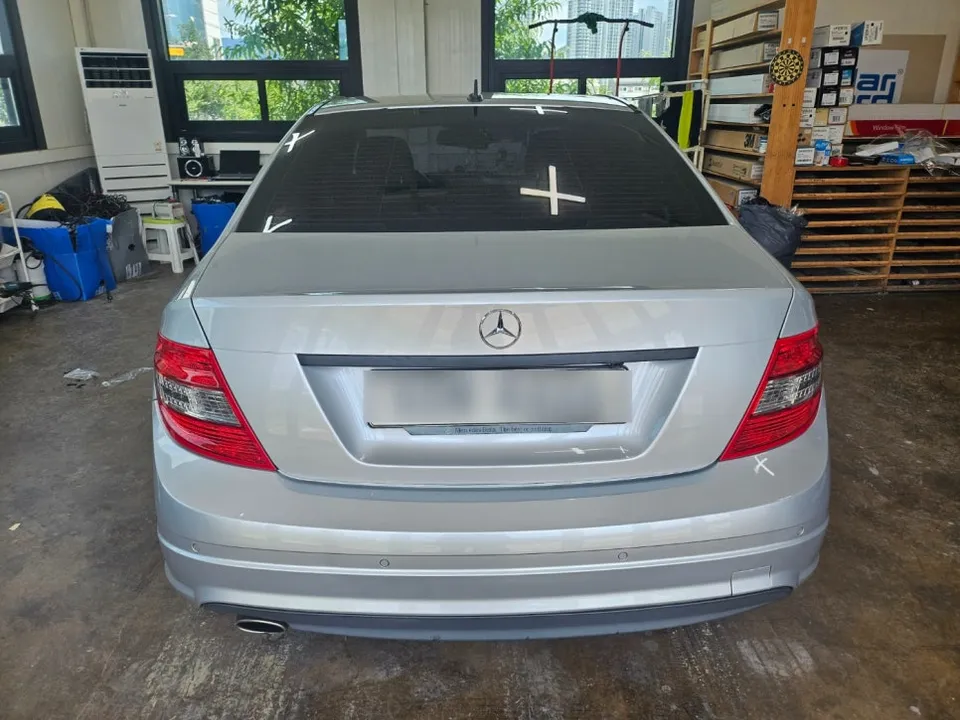
- S-RADAR Sensor Mounting: The S-RADAR sensors are mounted internally within the rear bumper without causing any damage. The angle of installation is critical for accurate detection.
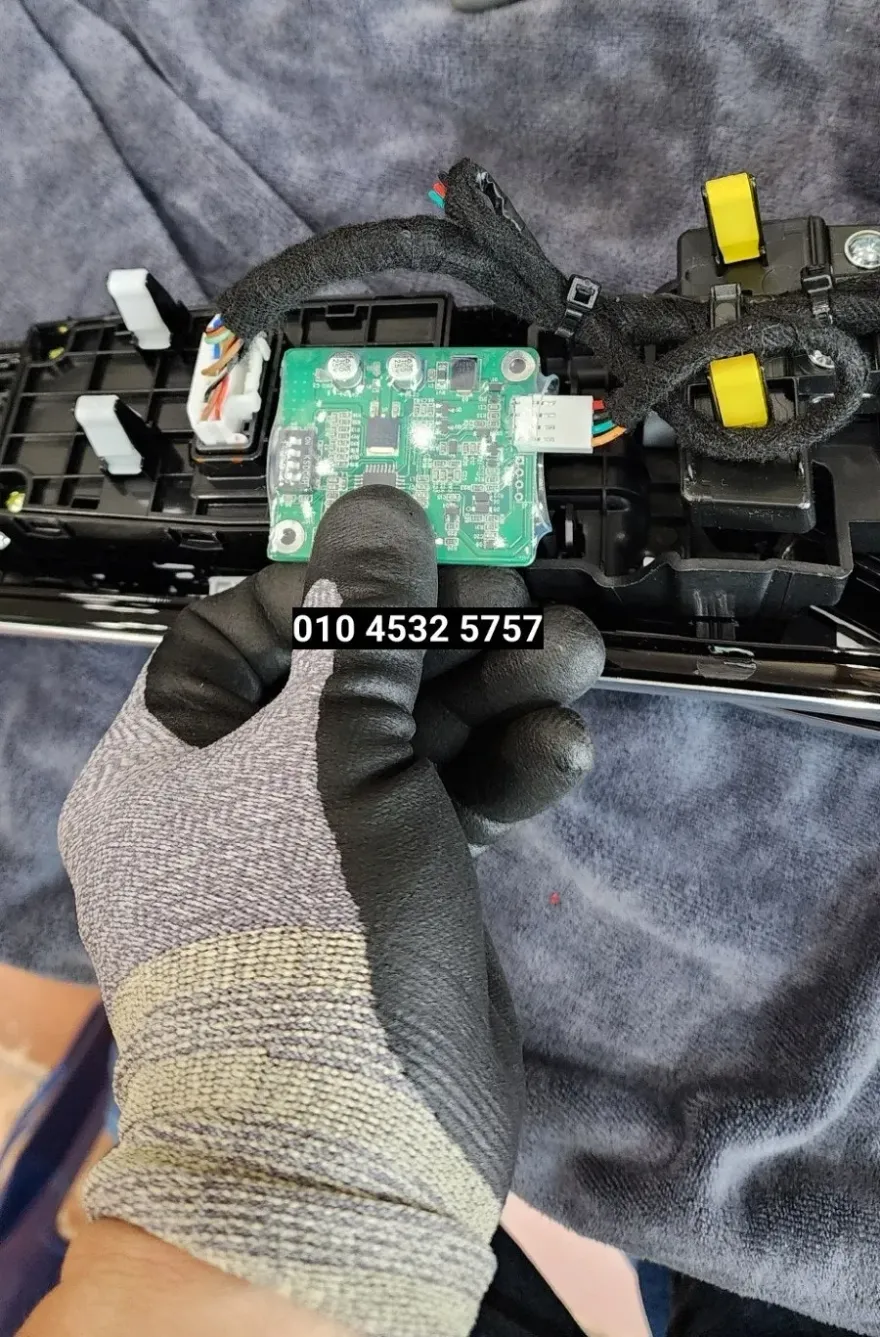
- Wiring and System Integration: Sensor wiring harnesses are connected to the vehicle's electronic control system. This includes connecting the LED indicators in the mirrors and the S-RADAR sensor signals. Wiring is meticulously routed through interior trim for a clean finish.
- Testing and Finalization: After wiring, a comprehensive system test is performed. This involves checking the visual alerts (LEDs in the mirrors) and audible warnings by simulating vehicle movement. Once confirmed, the door trims are reinstalled, and a final inspection ensures all components are secure and functioning correctly.
The entire installation process for this OEM option typically takes about 2-3 hours and can usually be completed within a single day. The cost for a basic set, including wide-angle mirrors and S-RADAR sensors, ranges from approximately 2,500,000 to 3,800,000 Korean Won (roughly $1,800 - $2,800 USD, depending on exchange rates). Additional features, such as integration with a digital rearview mirror, would incur further costs. In terms of durability, the sensors generally come with a 2-3 year warranty. While the wide-angle mirrors require no special maintenance, keeping the rear bumper area free of excessive dirt can help maintain optimal sensor performance. The S-RADAR sensors themselves are designed for longevity, and replacements are rarely needed, but if they do fail, the unit replacement cost can be significant.
Frequently Asked Questions
Q. How much does OEM option and factory upgrade installation cost for a Audi TT?
The installation cost for OEM blind-spot monitoring on an Audi TT typically ranges from 2,500,000 to 3,800,000 KRW (approximately $1,800 - $2,800 USD). This price covers the wide-angle mirrors and S-RADAR sensors, with additional features potentially increasing the total cost.
Q. How long does OEM options installation take on a Audi TT?
The installation of OEM blind-spot monitoring systems on an Audi TT usually takes between 2 to 3 hours to complete. The wide-angle mirrors require no special maintenance, but keeping the rear bumper area clean helps ensure the S-RADAR sensors function optimally.
Q. Are OEM options worth adding after purchase for a Audi TT?
OEM options like blind-spot monitoring are highly recommended for Audi TT owners who frequently change lanes or drive in busy traffic. They provide a significant safety enhancement, acting as a valuable "dual safety device" that increases driver confidence.
Q. How are OEM factory options installed on a Audi TT?
Installation involves replacing the standard side mirrors with wide-angle versions and mounting S-RADAR sensors inside the rear bumper. 1. Original mirrors and door trims are removed. 2. Wide-angle mirrors are fitted and precisely aligned. 3. S-RADAR sensors are discreetly integrated into the bumper. 4. Wiring is connected to the vehicle's electronics, and system tests are performed.
Q. What is the difference between dealer-installed options and aftermarket upgrades for a Audi TT?
OEM options, whether dealer-installed or professionally retrofitted, use genuine manufacturer parts for seamless integration and guaranteed compatibility. While aftermarket options can offer similar functionality, they may not always match the quality, fit, or long-term reliability of OEM parts.
Q. What should I know before getting OEM Options on a Audi TT? (common regrets and mistakes)
The most common regret is not considering the potential for false positives if the system isn't properly calibrated or if using non-OEM sensors. To avoid this, ensure installation is performed by a reputable specialist who understands the specific calibration needs of the Audi TT's electronic system.
Kakao Parts