BMW 1 Series F20 OEM Options Review: Cost & Results
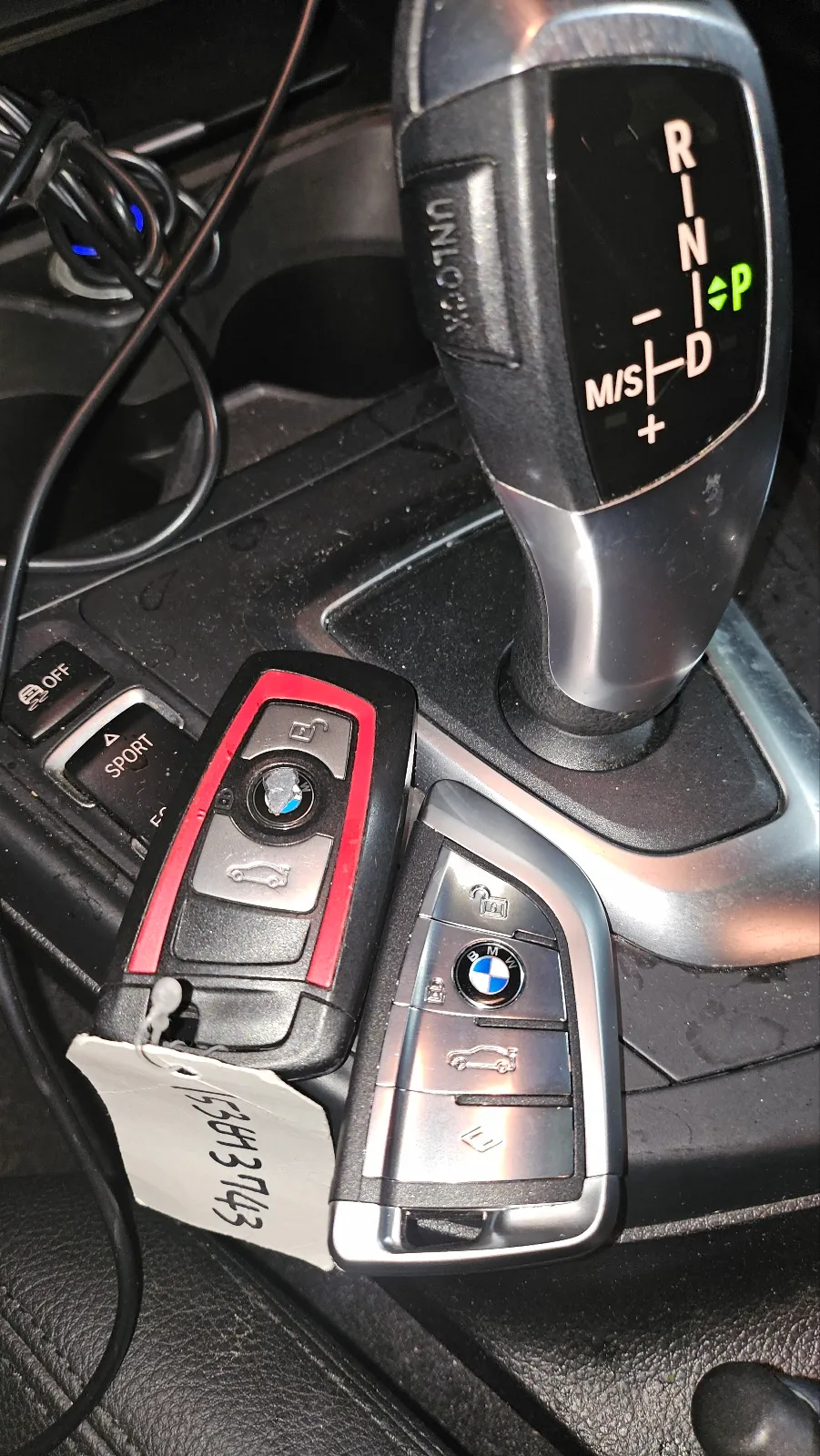
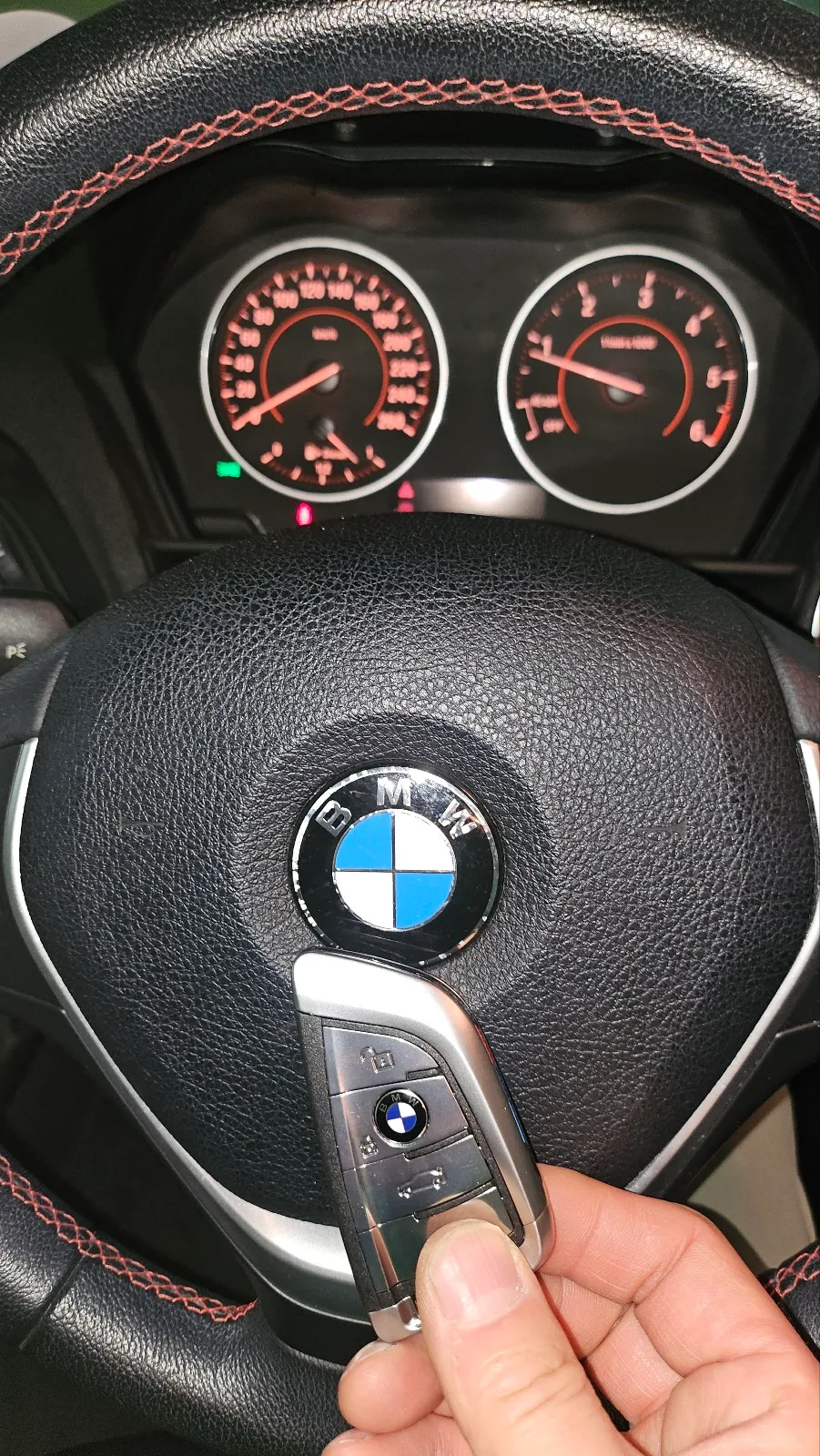
BMW 1 Series F20 OEM options retrofit: Costs vary widely. Enhances functionality and value with genuine parts.
Upgrading Your BMW 1 Series F20 with OEM Options
For BMW 1 Series F20 owners looking to enhance their driving experience, retrofitting factory options after the initial purchase can be a compelling upgrade. This process, often referred to as a factory option retrofit or dealer option retrofit, allows you to add features that weren't originally specified on your vehicle. Whether you're interested in advanced driver assistance systems, premium audio, or enhanced interior comfort, OEM options can bring your F20 closer to your ideal specification. This review delves into the realities of these upgrades, covering installation, cost, durability, and whether the investment makes sense for your BMW.
Understanding OEM Options and Installation
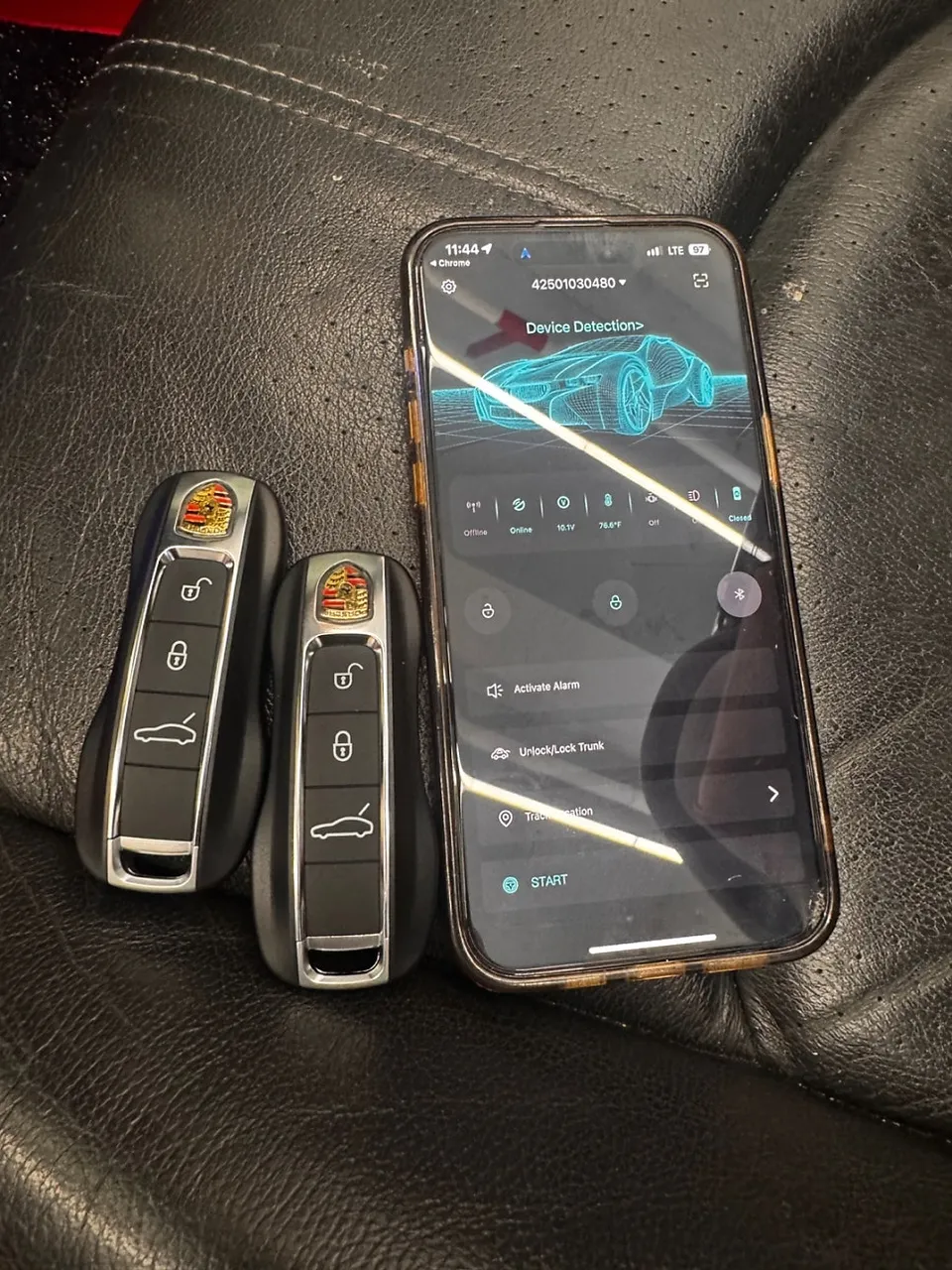
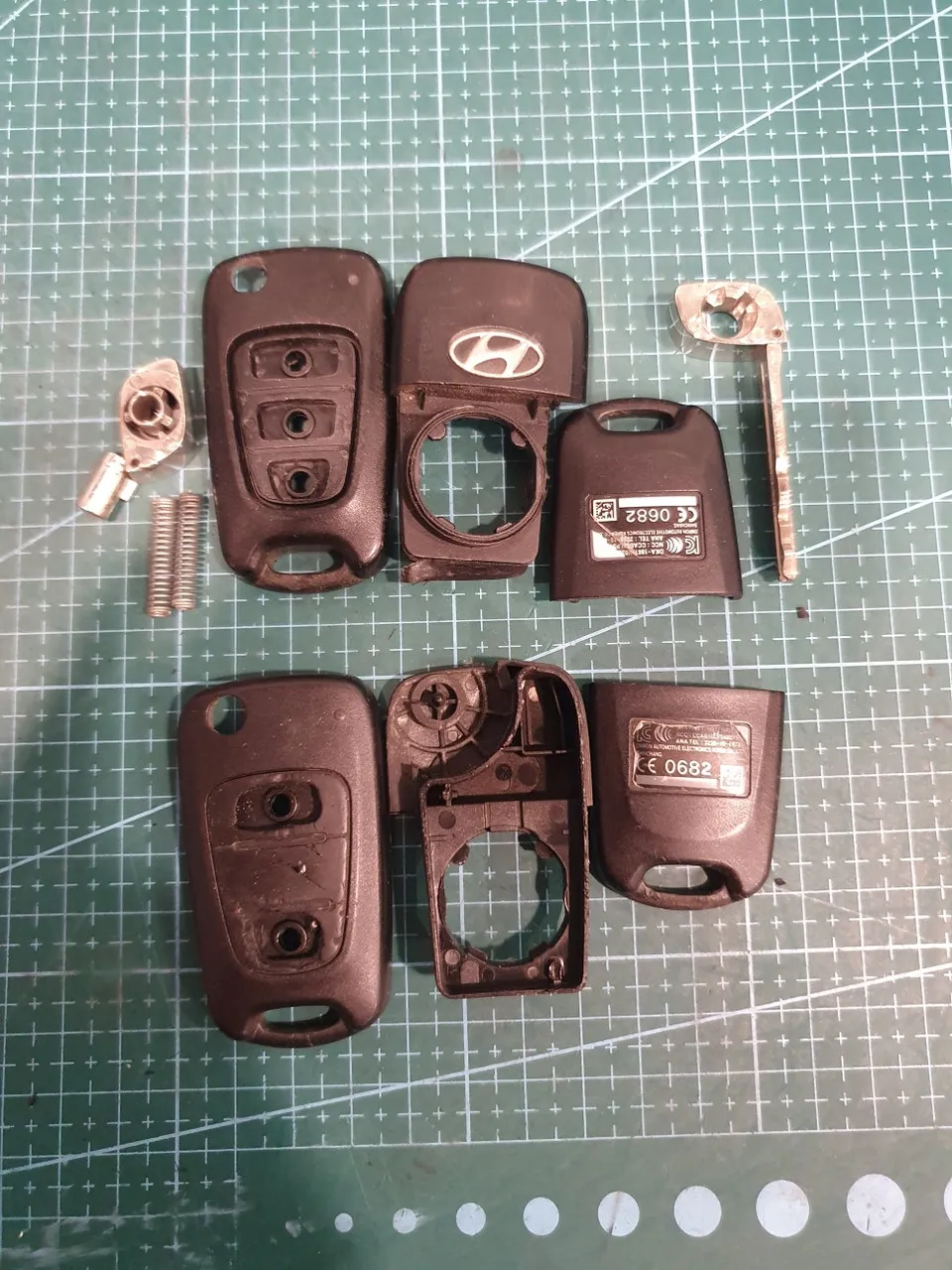
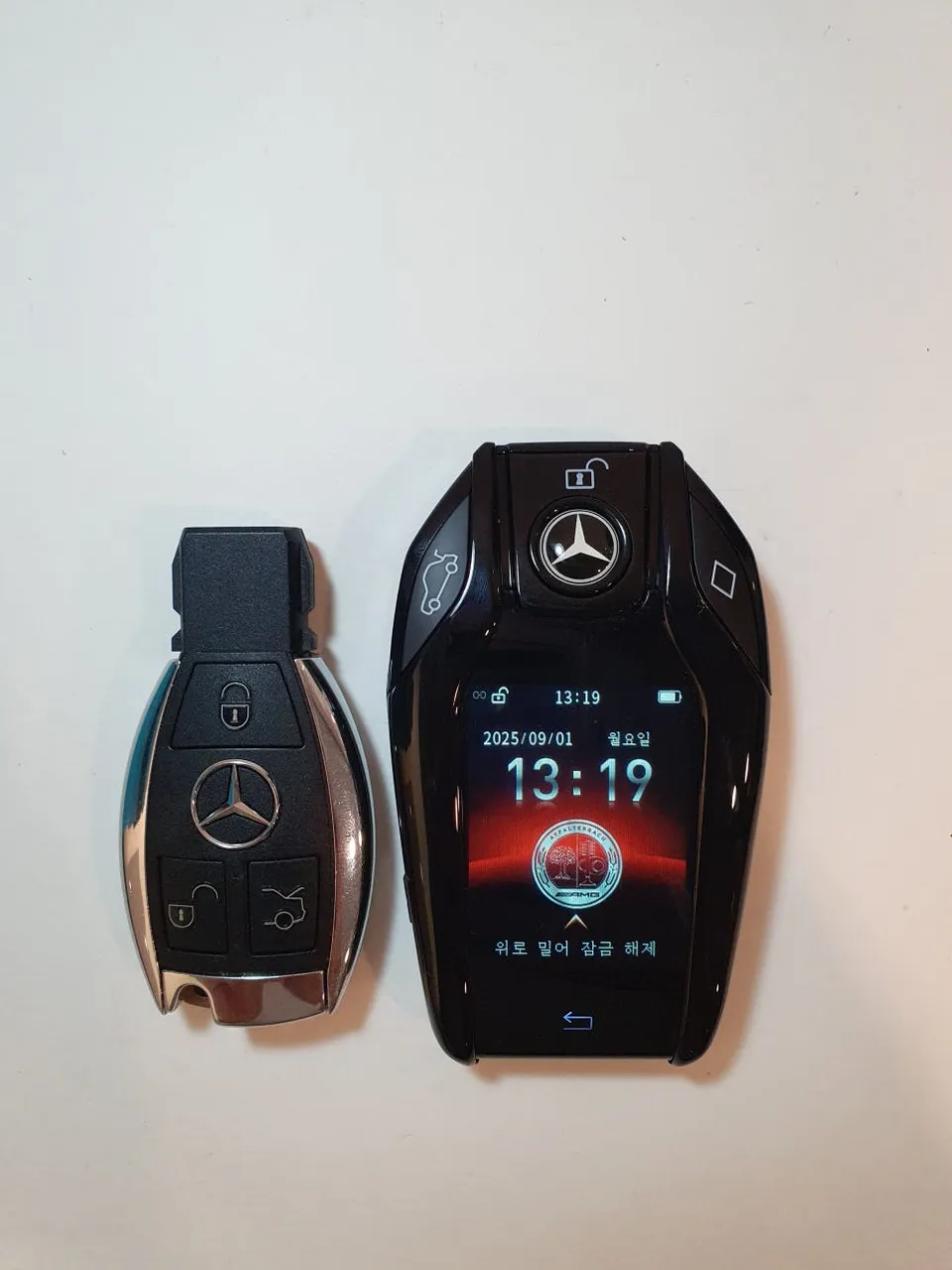
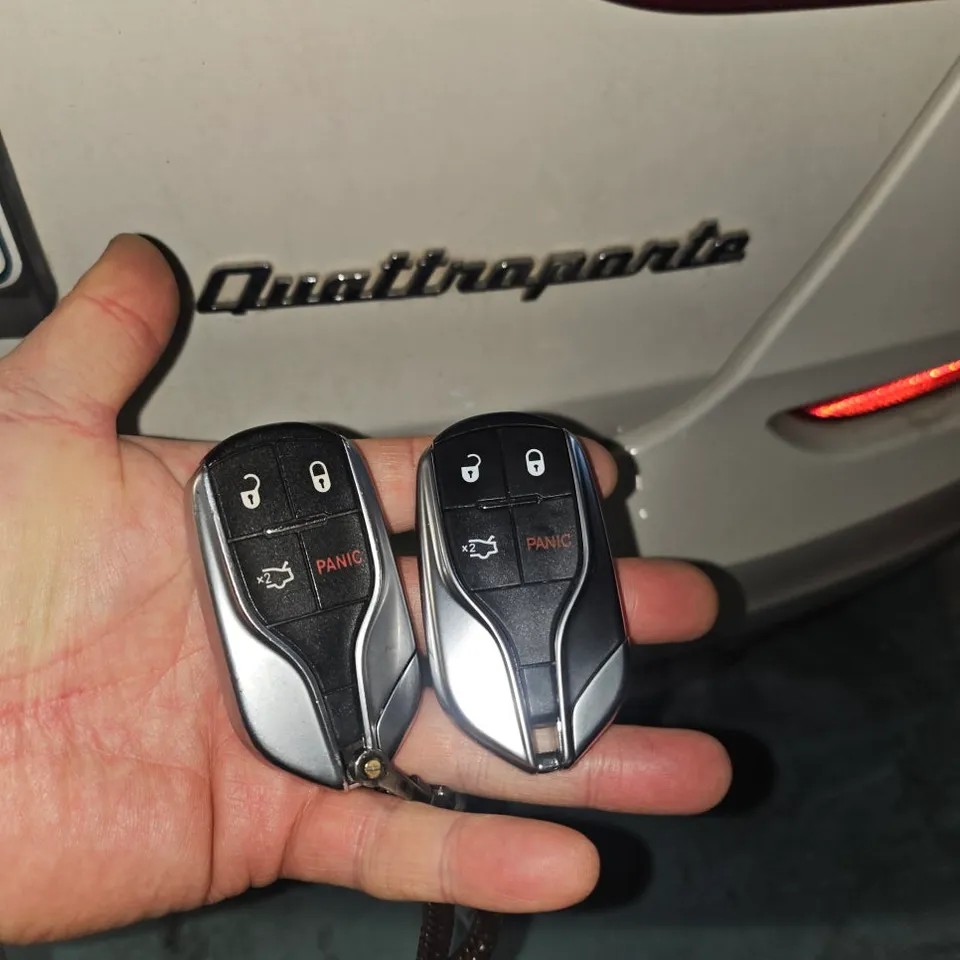
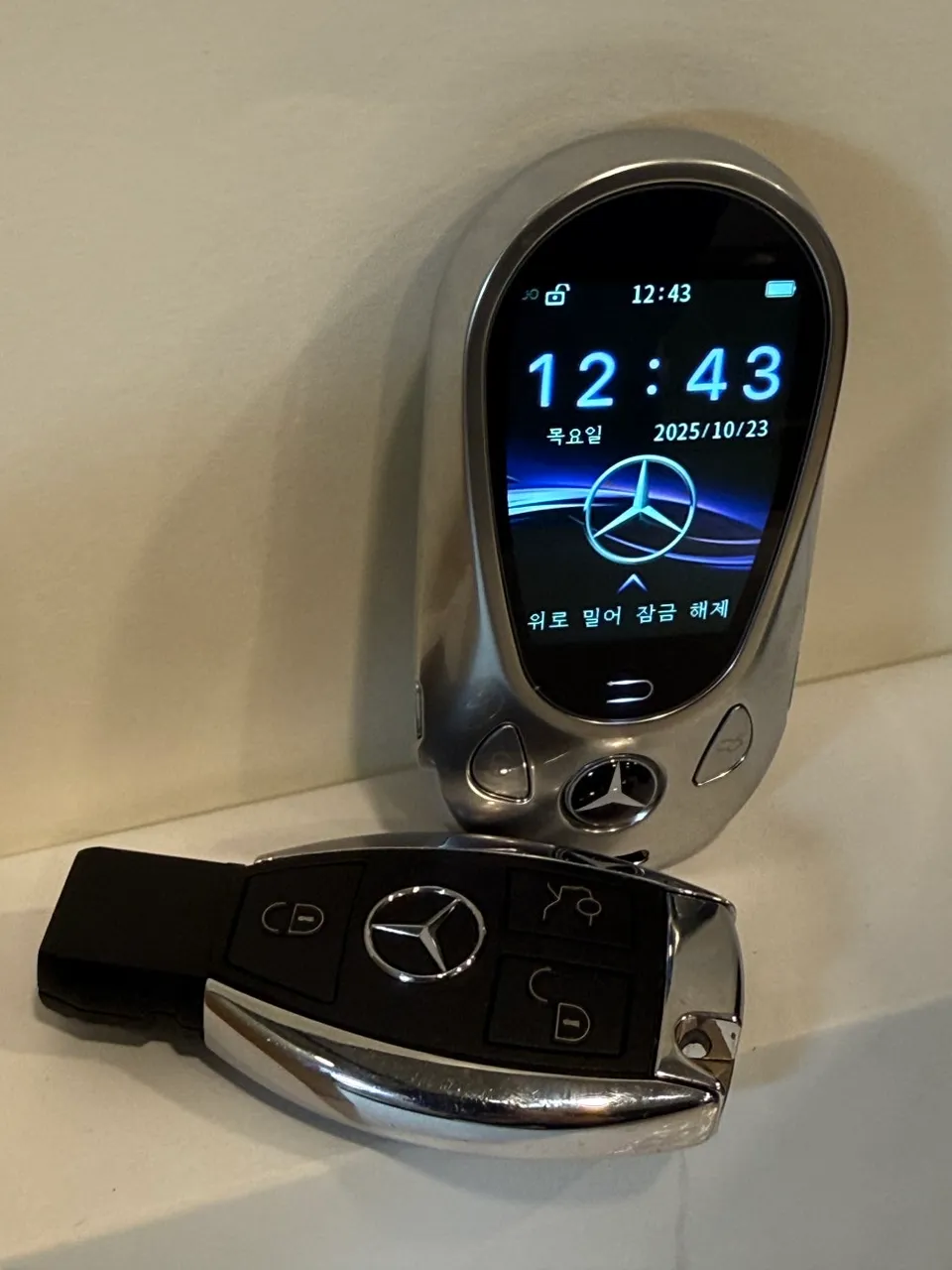
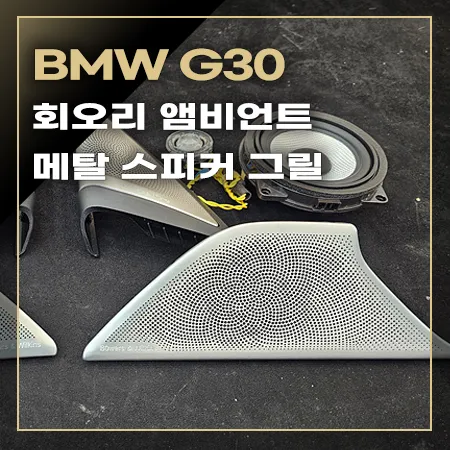
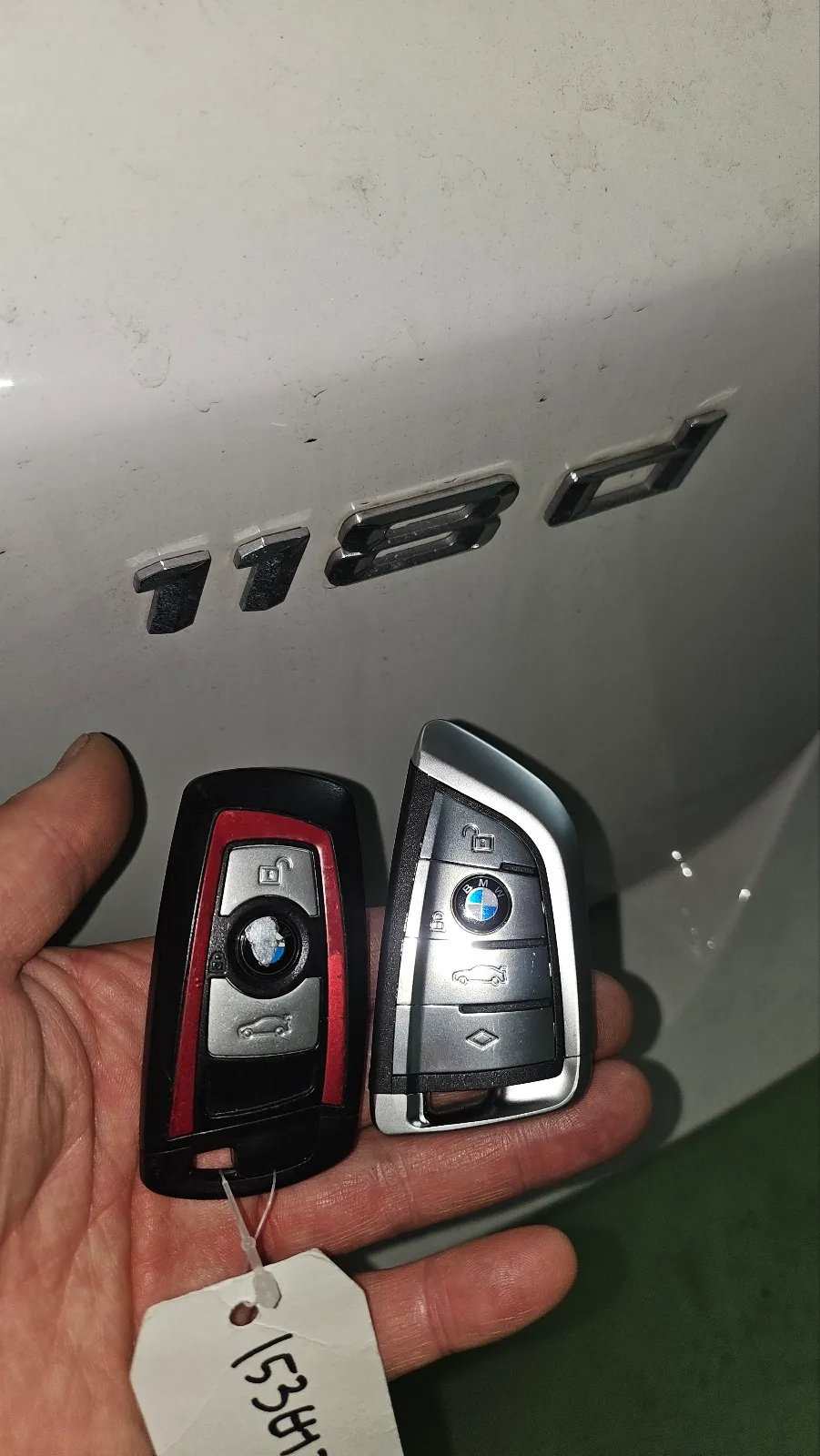
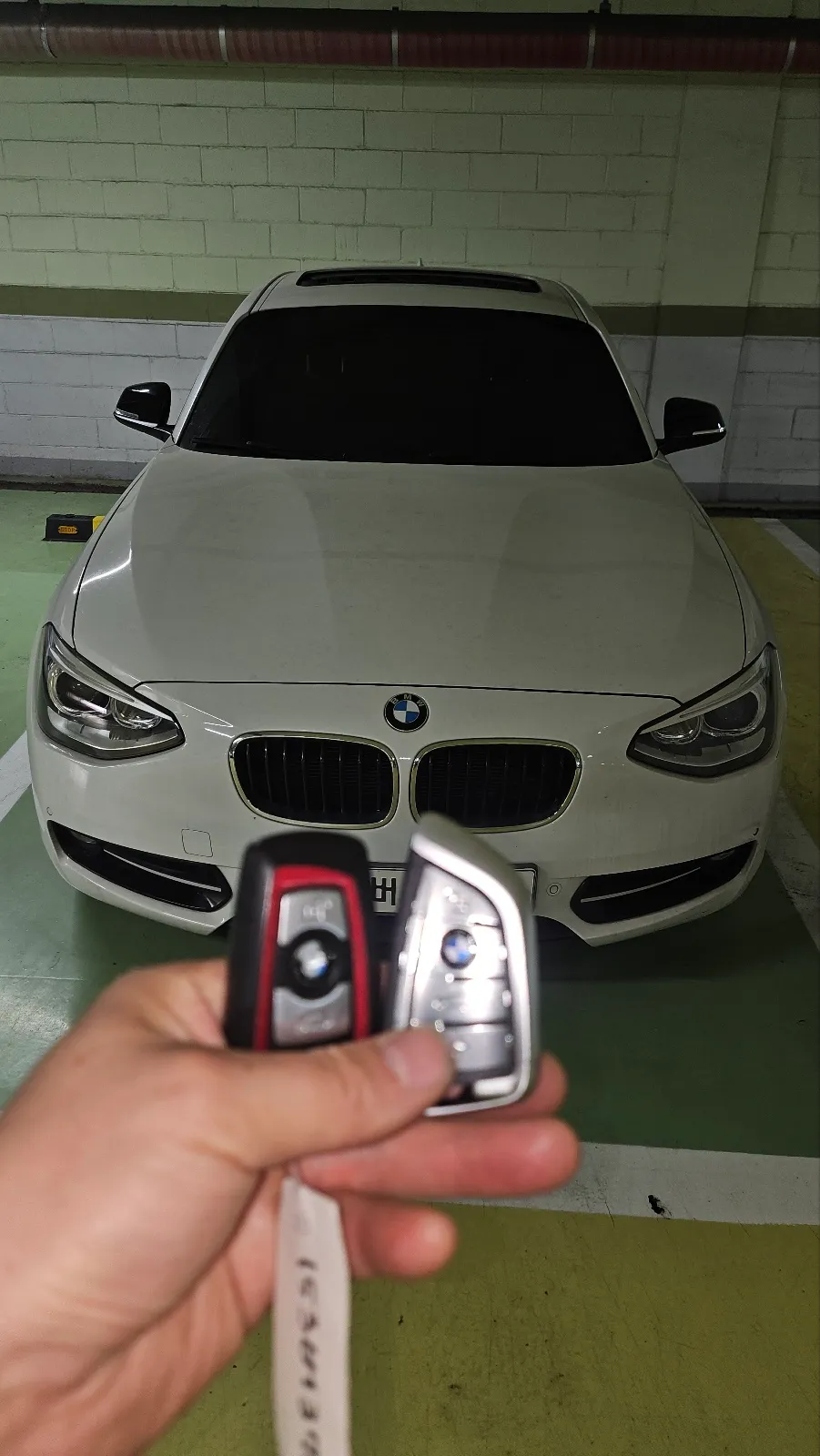
OEM options refer to genuine parts and features designed and manufactured by BMW for their vehicles. When considering a factory upgrade, you're essentially adding original BMW components that could have been factory-fitted. This contrasts with aftermarket modifications, which use parts from third-party manufacturers. The primary advantage of OEM options is guaranteed compatibility and integration with your car's existing systems, ensuring seamless functionality and maintaining the vehicle's aesthetic integrity. The installation process for these factory options typically requires specialized knowledge and tools, often best handled by dealerships or experienced independent BMW specialists. The Korean context for these services involves specialized shops that focus on retrofitting various digital, old, and new key systems, as well as other electronic upgrades. While the original source material discusses key duplication and repair, the principle extends to other OEM retrofits. For a BMW 1 Series F20, this could involve anything from upgrading to a professional navigation system to adding ambient lighting or a more advanced parking assist system.
Installation Process and Durability
The installation of OEM options on a BMW 1 Series F20 is a precise procedure. While specific steps vary greatly depending on the option being retrofitted, a general process often involves:
- Diagnostic and Planning: Identifying the specific OEM parts required and ensuring compatibility with your F20's existing modules.
- Component Installation: Physically fitting the new hardware, which might include wiring harnesses, sensors, control units, or interior trim pieces.
- Software Integration: Coding the vehicle's iDrive system and other ECUs to recognize and operate the new option. This is a critical step for seamless integration.
- Testing and Calibration: Thoroughly testing all functions of the new option to ensure it operates correctly and safely.
Durability is a significant advantage of OEM options. Because these are genuine BMW parts, they are designed to meet the same rigorous standards as the original components. When installed correctly, they offer long-term reliability and performance, often indistinguishable from factory-fitted features. Maintenance is usually minimal, typically involving standard vehicle upkeep. The longevity of these upgrades means they can enhance your ownership experience for years to come.
Is Retrofitting OEM Options Worth It?
Deciding whether to retrofit OEM options on your BMW 1 Series F20 depends on your priorities and budget. The cost of these upgrades can be substantial, often involving the price of the genuine BMW parts plus labor charges for installation and coding. In Korea, such services can range from hundreds to thousands of dollars depending on the complexity. For example, a smart key duplication service mentioned in the source context might cost around ₩100,000-₩300,000 (approximately $75-$225 USD), but more complex retrofits like navigation or advanced driver aids will be significantly higher. Before and after results can be dramatic, transforming the car's functionality and perceived value. However, it's crucial to weigh the cost against the benefits. If a particular feature is essential for your driving needs or significantly enhances your enjoyment of the car, the investment may be well worth it. For owners who value originality and seamless integration, OEM options are generally superior to aftermarket alternatives. However, if cost is a primary concern, carefully research the specific upgrade and compare it to high-quality aftermarket solutions, keeping in mind potential differences in integration and long-term reliability.

Frequently Asked Questions
Q. How much does OEM option and factory upgrade installation cost for a BMW 1 Series F20?
The cost for OEM options and factory upgrades on a BMW 1 Series F20 can vary significantly, ranging from several hundred to thousands of dollars depending on the specific feature. While exact pricing requires a quote, expect genuine BMW parts and professional installation to be a considerable investment.
Q. How long does OEM options installation take on a BMW 1 Series F20?
The durability of OEM options is excellent, as they are genuine BMW parts designed for longevity. Basic maintenance typically involves standard vehicle upkeep, ensuring the upgrades function reliably for years.
Q. Are OEM options worth adding after purchase for a BMW 1 Series F20?
OEM options are worth considering for BMW 1 Series F20 owners who prioritize seamless integration and guaranteed functionality. They offer the best value if the added feature significantly enhances your driving experience or utility.
Q. How are OEM factory options installed on a BMW 1 Series F20?
OEM factory options are installed through a multi-step process: 1. Diagnostic checks and part identification. 2. Physical installation of hardware components. 3. Software coding to integrate the new feature with the car's systems. 4. Final testing and calibration.
Q. What is the difference between dealer-installed options and aftermarket upgrades for a BMW 1 Series F20?
Dealer-installed OEM options are genuine BMW parts designed for perfect integration and reliability, while aftermarket upgrades are made by third-party companies and may vary in quality and compatibility. For guaranteed performance and seamless function, OEM options are generally recommended.
OhCar Partner Shop