BMW 5 Series F10 Comfort Seat Retrofit Review
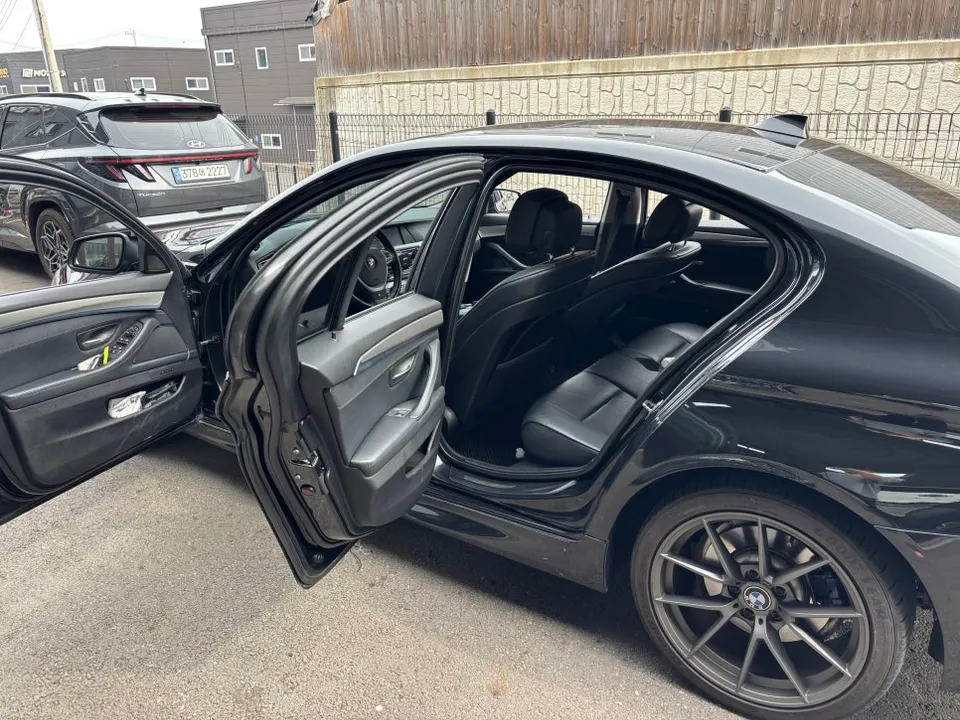
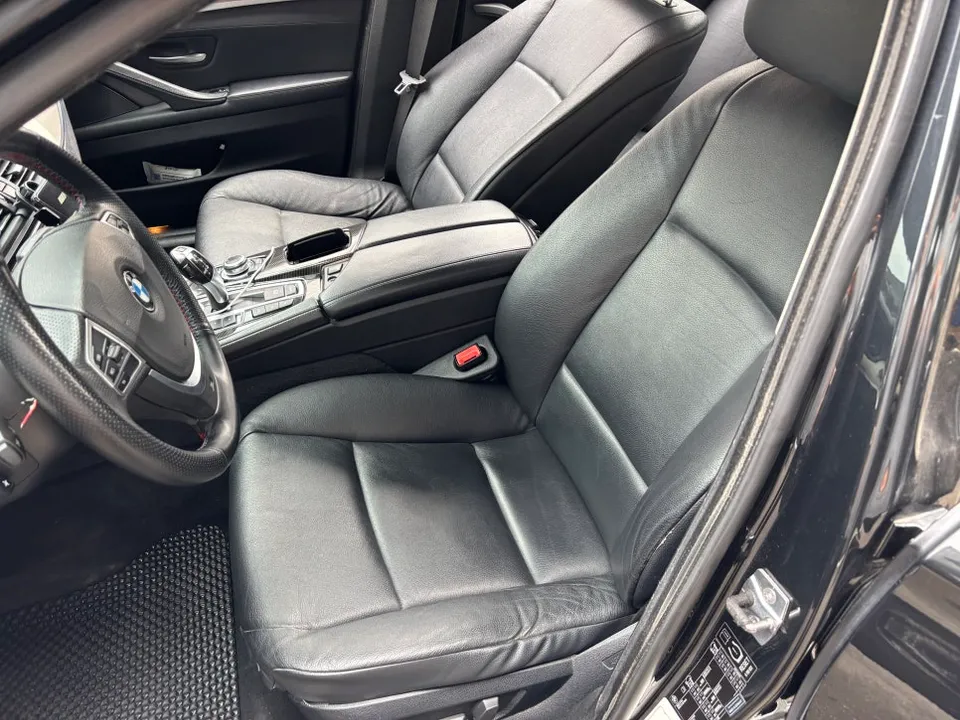
BMW 5 Series F10 comfort seat retrofit: Integration of belt tensioner. Enhances comfort and safety.
Elevate Your Drive with BMW 5 Series F10 Comfort Seat Retrofit
For owners of the BMW 5 Series F10 looking to enhance their driving experience, upgrading to comfort seats offers a significant boost in both luxury and long-term comfort. This review delves into the process, benefits, and considerations of retrofitting OEM comfort seats, particularly focusing on integrating features like the belt tensioner from the original seats. This upgrade is ideal for those who frequently undertake long journeys or simply desire a more premium and fatigue-reducing cabin environment.
The Importance of Comfort Seat Features and Belt Tensioner Integration
Comfort seats provide superior ergonomics and a wider range of adjustability compared to standard seating, directly contributing to reduced driver fatigue on extended trips. For the F10 5 Series, a factory option retrofit of these seats not only increases the vehicle's intrinsic value but also transforms the daily driving experience. A crucial aspect of this upgrade is ensuring that the functionality of the original seat's belt tensioner is preserved. Often, comfort seat modules don't include this feature by default. Instead of disabling it through coding, it's highly recommended to transplant this vital safety component. This ensures you retain the full safety suite of your original setup while gaining the comfort benefits.
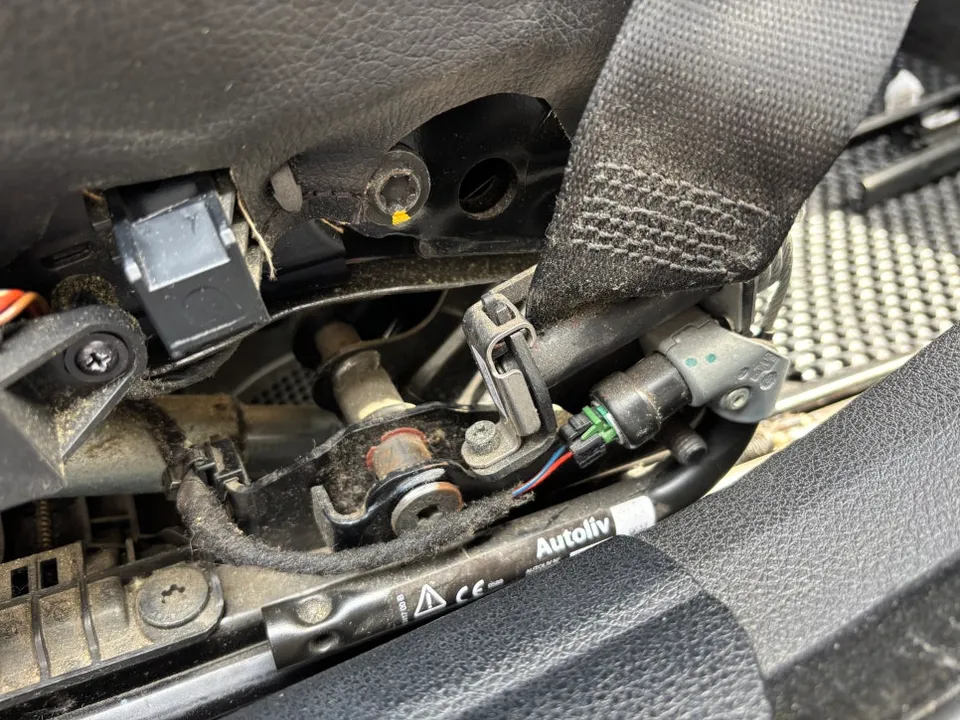
Detailed Installation: Cleaning, Wiring, and Final Assembly
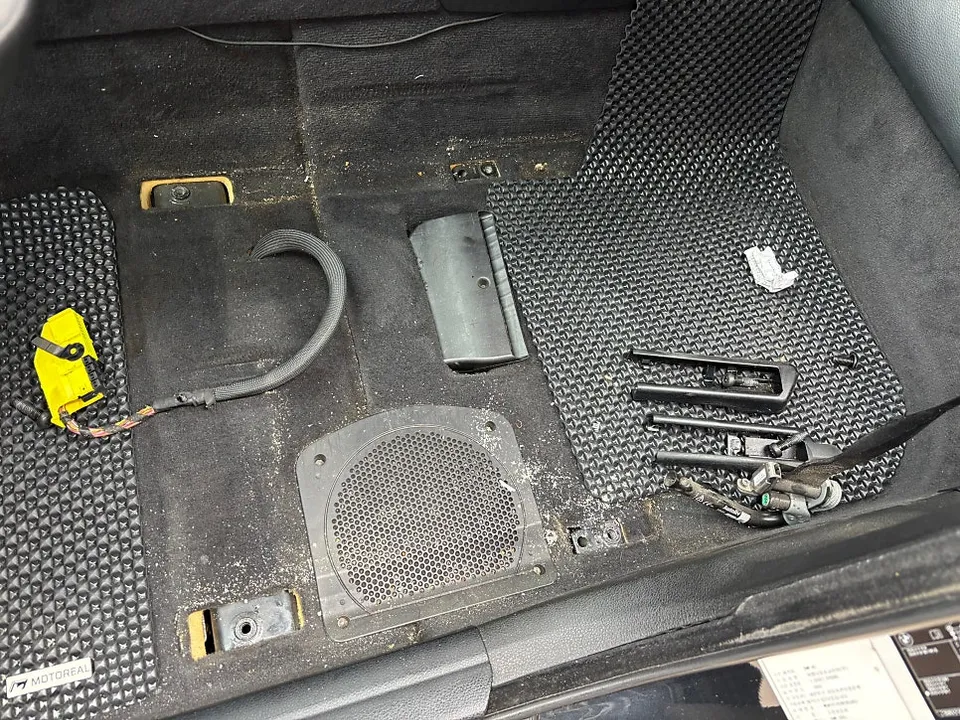
Before any work begins, a thorough cleaning of the seat area, especially underneath the original seats, is essential. Accumulated dust and debris can lead to unwanted rattles and noises post-installation. Taking the opportunity to clean these areas during the seat removal process ensures a quieter and more pleasant cabin afterward. The wiring process is intricate and requires precision. It involves carefully identifying and extracting the necessary wires from the original seat's harness and correctly integrating them into the comfort seat's connectors. Special attention must be paid to the belt tensioner wiring, as incorrect connections can compromise safety and functionality. This is where professional expertise is invaluable.
Installation Process:
- Carefully remove the original seats to access the wiring harnesses and under-seat area.
- Thoroughly clean the floor area beneath the seats to remove dust and debris.
- Extract specific wires (e.g., for the belt tensioner) from the original harness.
- Precisely connect these wires to the corresponding pins in the comfort seat's wiring harness, paying close attention to pin assignments for safety features.
- Secure all wiring with electrical tape to prevent noise and ensure durability, then reassemble the seats and reconnect all components.
The wiring for the driver's seat typically involves connecting the power source from the fuse box to pin 1. For the passenger seat, two CAN signal wires and a power connection to pin 1 are required. Ensuring these connections are correct is vital for the belt tensioner to function properly. While the belt tensioner is often exclusive to the driver's side, verifying the specific wiring diagram for your F10 model is always recommended. This meticulous approach ensures that the comfort seat upgrade is not only about enhanced comfort but also about maintaining the vehicle's safety standards. The entire process, performed by specialists in Korea, aims to deliver a seamless and satisfying upgrade, with customers often expressing great satisfaction with the improved driving experience.
Frequently Asked Questions
Q. How much does OEM option and factory upgrade installation cost for a BMW 5 Series F10?
The cost for this specific comfort seat retrofit, including belt tensioner integration, was performed in Korea. While exact US pricing varies significantly based on the specific comfort seat package and labor rates, expect a substantial investment for genuine OEM parts and professional installation.
Q. How long does OEM options installation take on a BMW 5 Series F10?
The durability of OEM comfort seat retrofits is generally excellent, comparable to factory-installed options. Regular cleaning of the seat upholstery and occasional checks of electrical connections will ensure long-term performance.
Q. Are OEM options worth adding after purchase for a BMW 5 Series F10?
This upgrade is highly recommended for BMW 5 Series F10 owners who prioritize long-distance comfort and a more luxurious driving experience. The value lies in significantly reduced fatigue and an elevated sense of cabin refinement.
Q. How are OEM factory options installed on a BMW 5 Series F10?
Installation involves removing the original seats, meticulously cleaning the area, and then precisely wiring the new comfort seats. This includes extracting and integrating specific wires, such as those for the belt tensioner, from the old harness to the new seat's connectors, ensuring all safety features are functional.
Q. What is the difference between dealer-installed options and aftermarket upgrades for a BMW 5 Series F10?
OEM options, like these comfort seats, are genuine factory parts designed specifically for your BMW 5 Series F10, ensuring perfect integration and performance. Aftermarket upgrades may offer similar features but can vary in quality and compatibility, potentially impacting vehicle systems or resale value.
OhCar Partner Shop