BMW 7 Series Dash Cam Installation Review
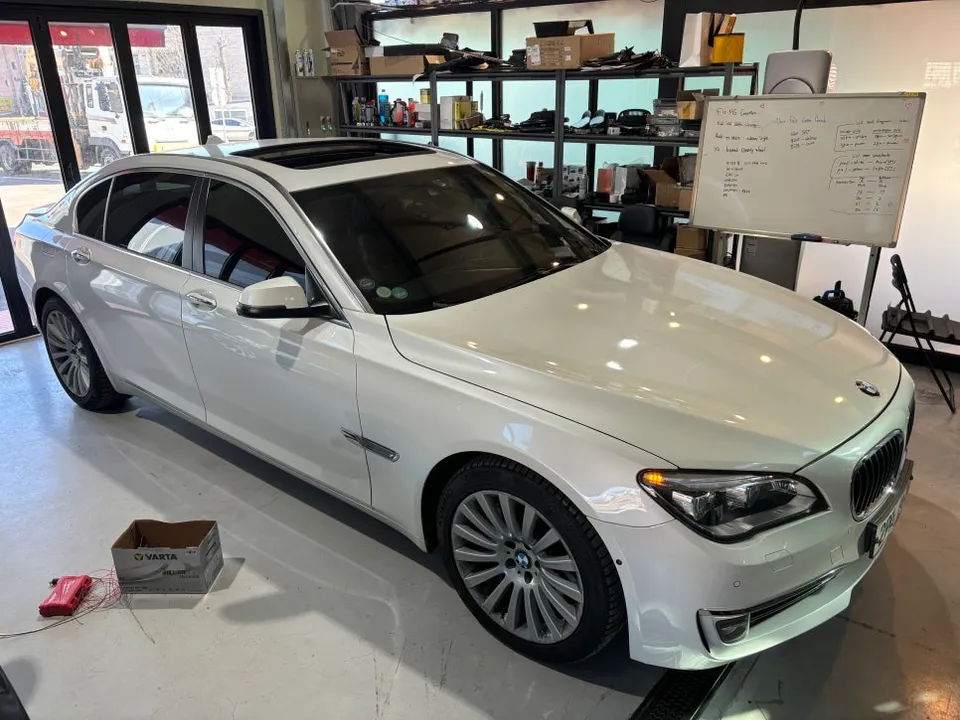
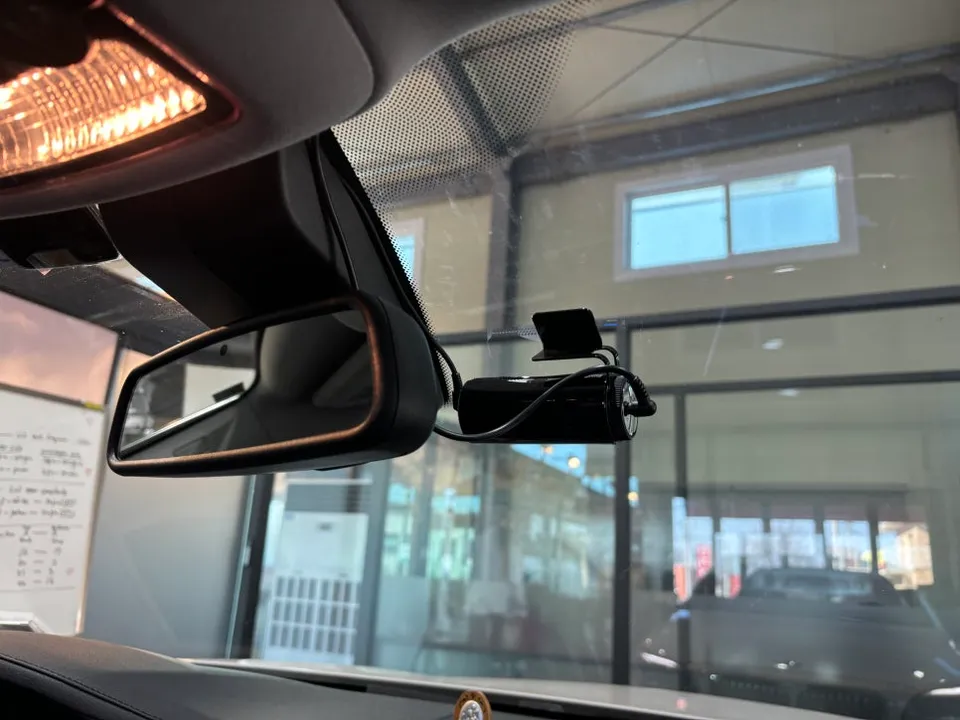
BMW 7 Series dash cam installation: KRW 300,000 (approx. $225 USD). Ensures safe wiring and parking mode.
BMW 740Li: A Pristine Canvas for Dash Cam Installation
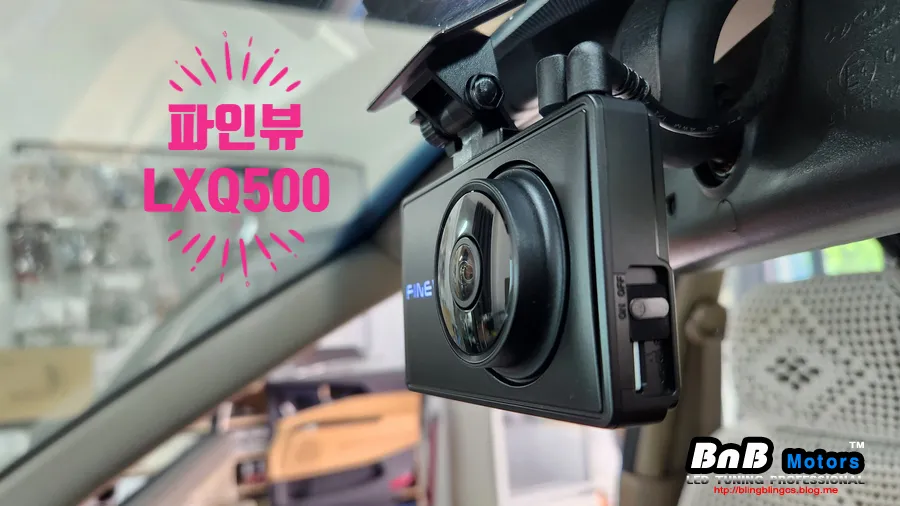
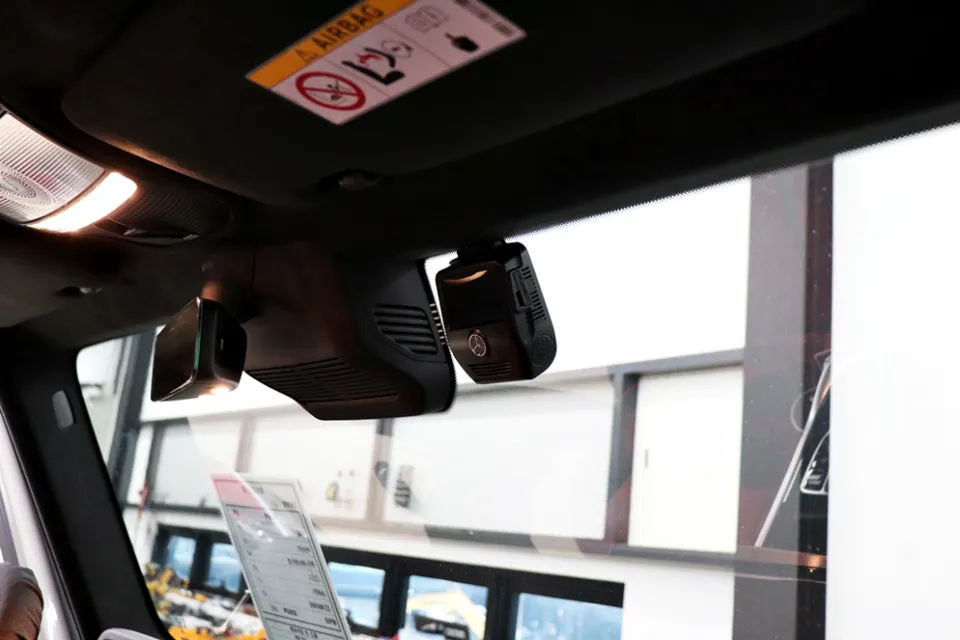
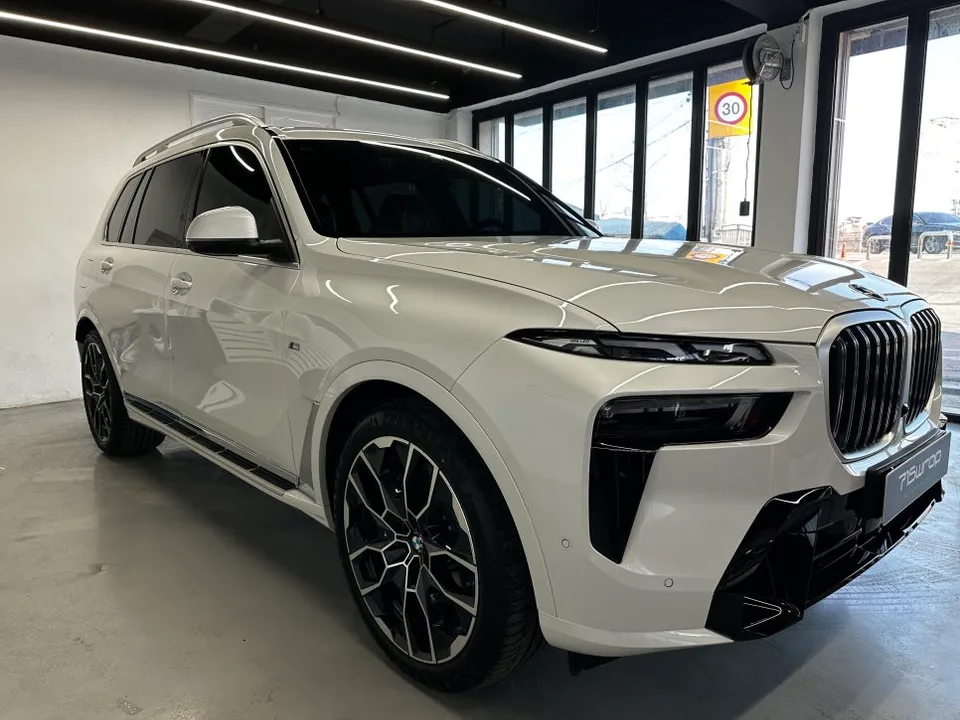
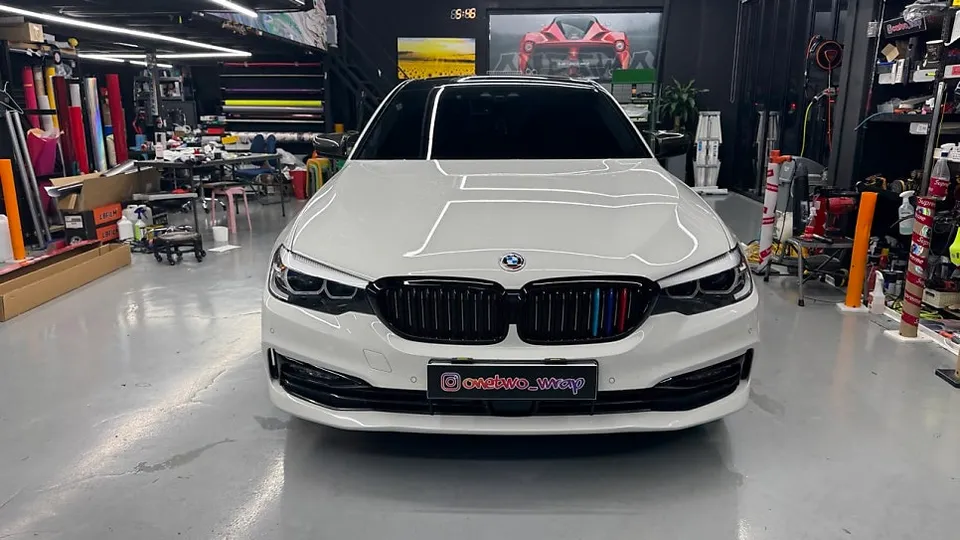
This review focuses on the installation of a FineVu LXQ3000 dash cam on a BMW F01 740Li. While initially expecting similarities to the F10 model, the F01 presented unique challenges, requiring a more meticulous approach. The vehicle itself, a late-model 740Li, was in exceptional condition, boasting the NBT infotainment system and updated lighting. Its owner, who had driven an E-series 3 Series for over a decade, clearly prioritized vehicle care. The Alpine White paint gleamed, making it a pleasure to work on.
Addressing a Messy Past: Faulty Dash Cam Wiring
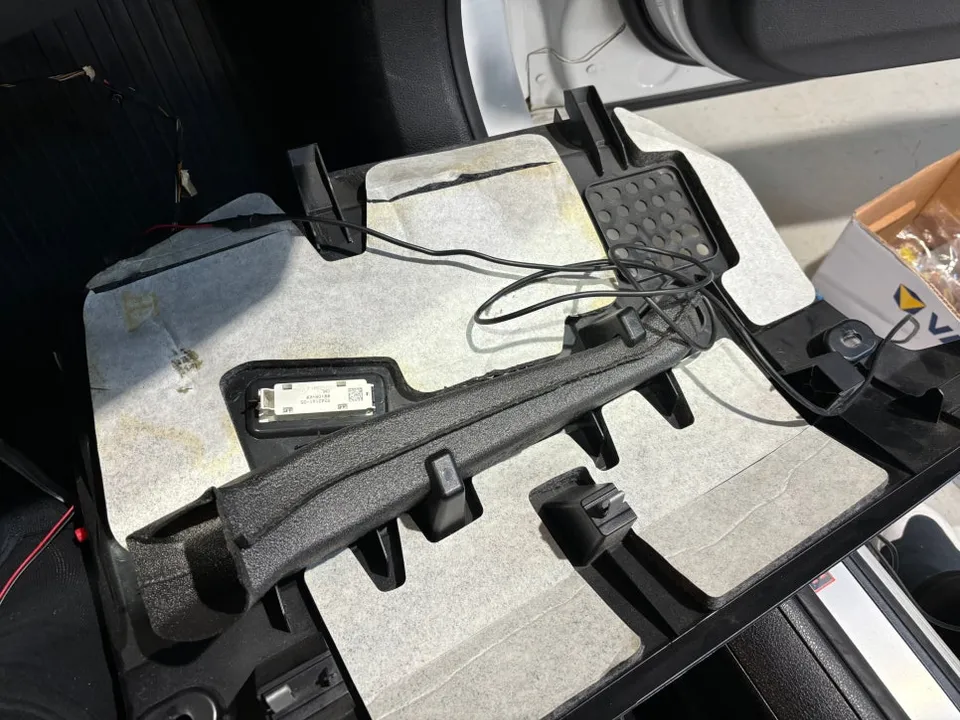
Unfortunately, the pristine state of the BMW 740Li contrasted sharply with the abysmal condition of its existing dash cam wiring. Wires were haphazardly strewn, unsecured, and fed into the vehicle's interior without any semblance of order. It appeared the old unit had ceased functioning long ago, likely due to these issues. Such improper wiring poses significant risks, including potential damage to the vehicle's interior components and electrical system malfunctions. The sight of loose wires disappearing behind the passenger-side trim panel was concerning, especially as the power connection was a crude tap into the cigarette lighter socket, completely lacking any proper cable management.
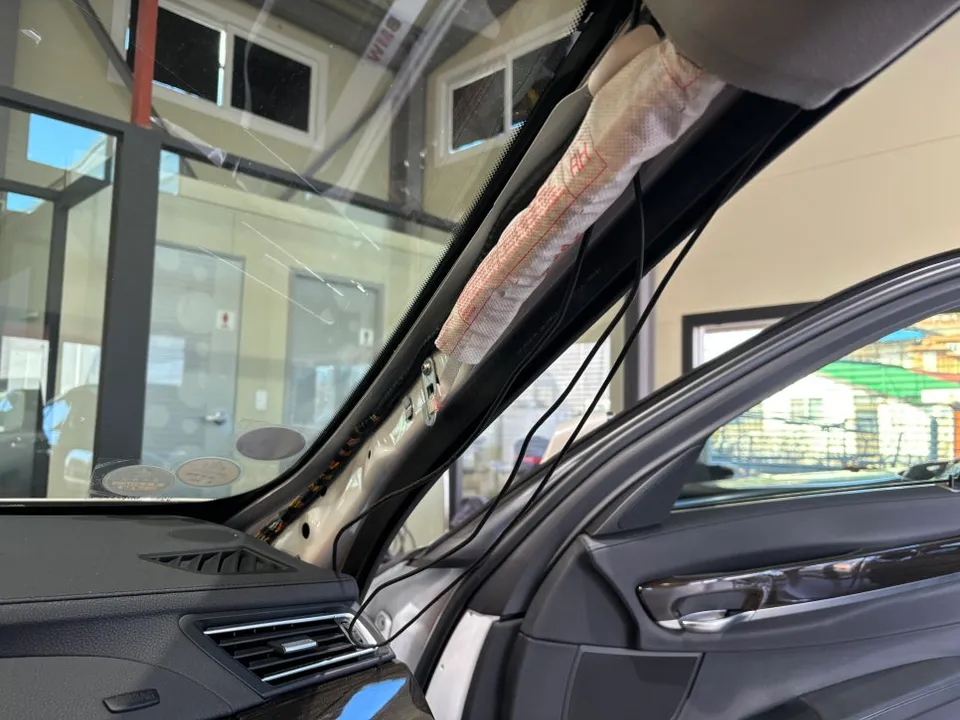
Seamless Integration: FineVu LXQ3000 Installation
Following the removal of the old, problematic wiring, the FineVu LXQ3000 was installed. A key discovery during this process was that, unlike the F10, the F01 model required connection to the CAS (Car Access System) module. Consulting the official BMW manual and utilizing a genuine, no-splice connector ensured a safe and clean electrical connection. Initially, the wiring was routed towards the passenger side, but upon locating the CAS module on the driver's side, the path was rerouted. Fortunately, the driver's side offered ample space, facilitating a smoother cable management process. All new wiring was meticulously routed along the factory harness, secured internally, and completely concealed for a factory-fresh appearance.
Installation Process:
- Carefully remove all existing, faulty dash cam wiring.
- Identify the correct vehicle access module (CAS) for power connection.
- Utilize a genuine, no-splice connector for a secure and safe electrical link.
- Route and secure all new wiring along the vehicle's original harness, ensuring it is completely hidden.
- Test the new dash cam, including parking mode functionality, and configure initial settings.
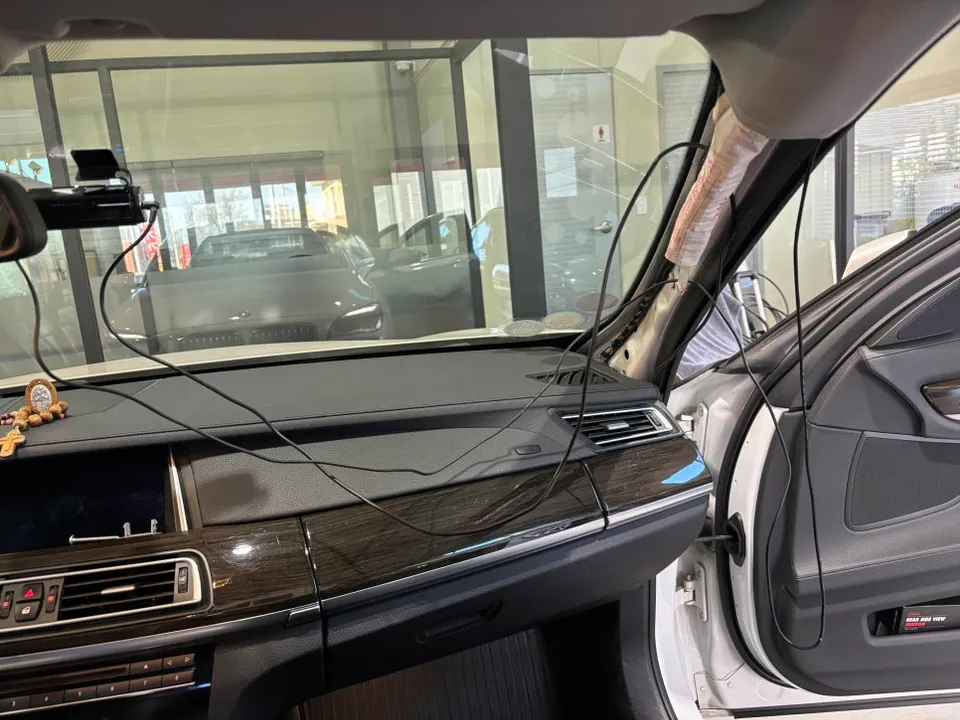
FineVu LXQ3000 Setup and Parking Mode Activation
With the wiring complete, the FineVu LXQ3000 was tested to confirm full functionality, including successful entry into parking mode. The default settings were configured to 12.2V and 48 hours, providing a generous buffer for battery protection, although 12V would also be acceptable. While daily driving might not heavily tax the parking mode voltage, setting it slightly higher ensures greater safety. Proper dash cam installation is paramount; it's not just about connecting power but about integrating the system safely and discreetly within the vehicle's existing infrastructure. Poor installation can lead to electrical issues or even accidents. Therefore, professional installation by experienced technicians is highly recommended to ensure both safety and optimal performance.
Frequently Asked Questions
Q. How much does dash cam installation cost for a BMW 7 Series?
In Korea, this FineVu LXQ3000 installation on a BMW 7 Series cost approximately 300,000 KRW (around $225 USD). Professional installation costs in the US can range from $150 to $300 depending on the complexity and location.
Q. How long does dash cam installation take on a BMW 7 Series?
While this specific installation took longer than expected due to unforeseen wiring issues, a standard professional dash cam installation typically takes 1-3 hours. Regular maintenance involves checking the lens for cleanliness and ensuring the memory card is functioning correctly.
Q. Is a hardwired dash cam worth it over a self-install for a BMW 7 Series?
A hardwired dash cam is highly recommended for a luxury vehicle like the BMW 7 Series to ensure safe integration and proper parking mode functionality. The value lies in professional, clean installation that prevents electrical issues and maintains the vehicle's aesthetic.
Q. How is a dash cam professionally installed on a BMW 7 Series?
Professional installation involves: 1. Removing any old, faulty wiring. 2. Connecting the new dash cam to the vehicle's fuse box or CAS module using a no-splice connector. 3. Routing and securing all cables along factory lines for a hidden finish. 4. Testing all functions, including parking mode.
Q. What is the difference between a front and rear dash cam for a BMW 7 Series?
A front-only dash cam records only the view ahead, while a front and rear dash cam system captures footage from both the front and back of your BMW 7 Series. For comprehensive coverage, a front and rear system is recommended.
OhCar Partner Shop