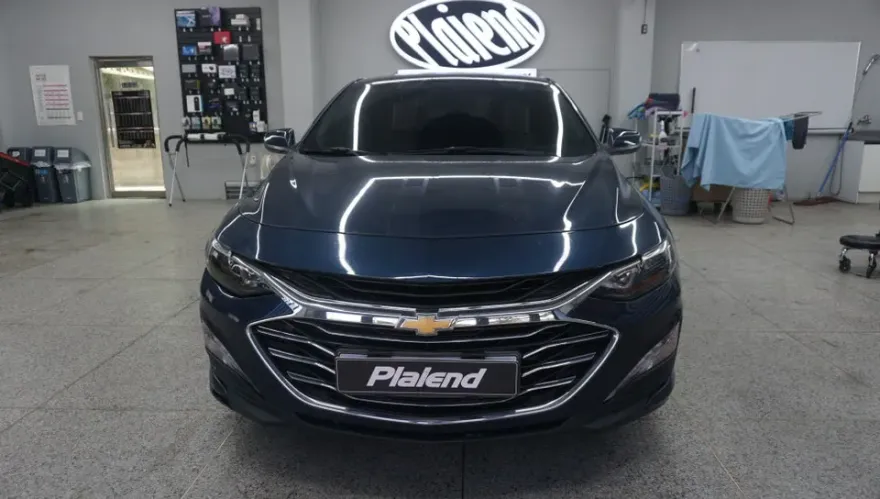
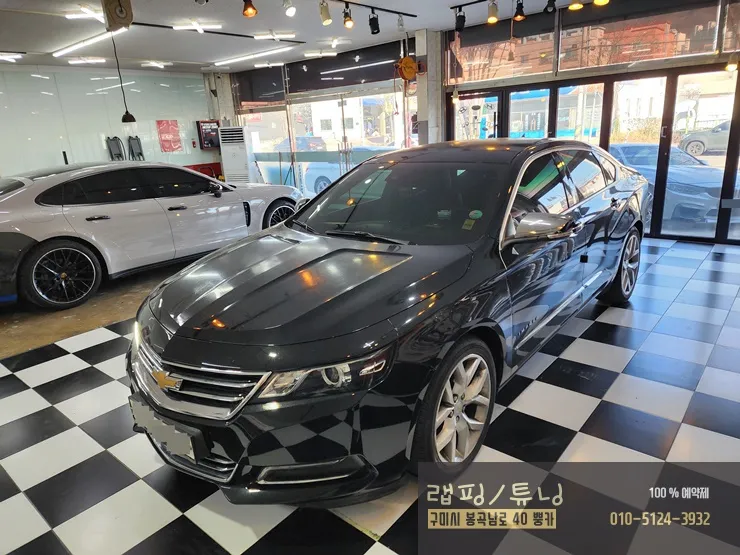
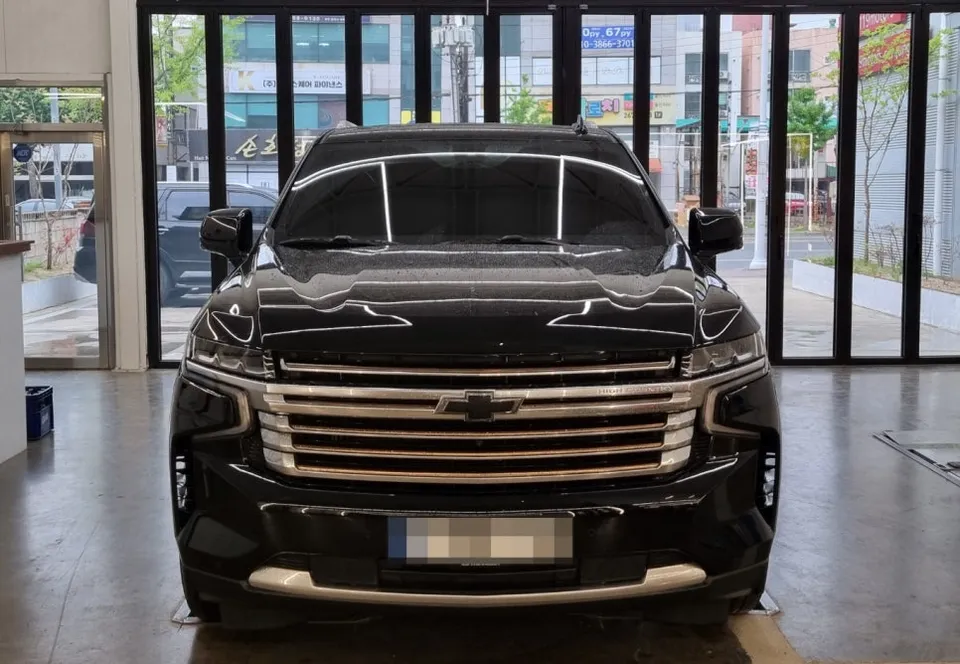
Chevrolet Colorado Body Kit Installation Review
Service Price
$40–80
Estimated price · Actual price may vary by shop
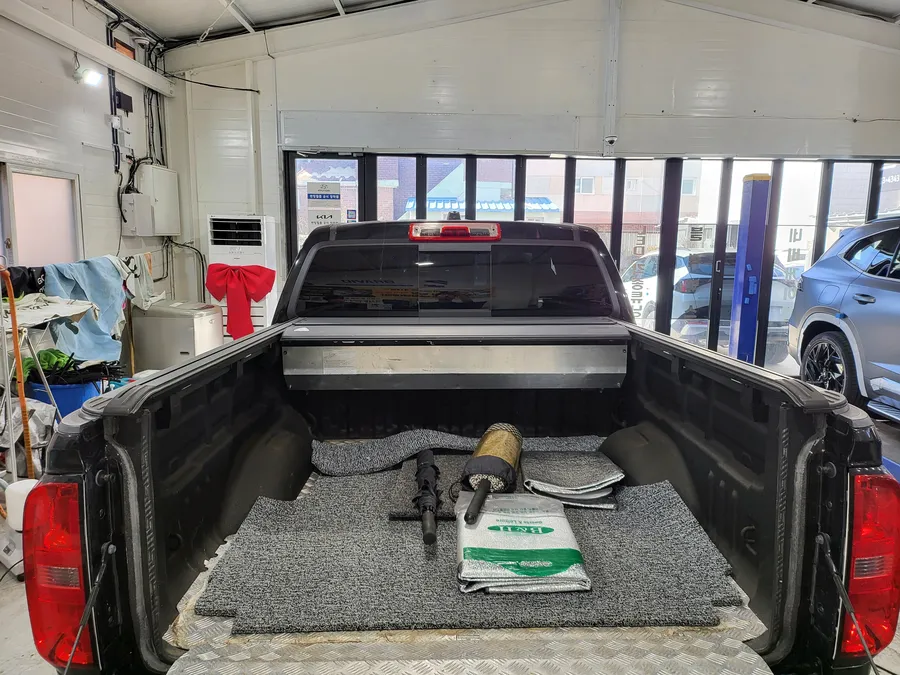
Before
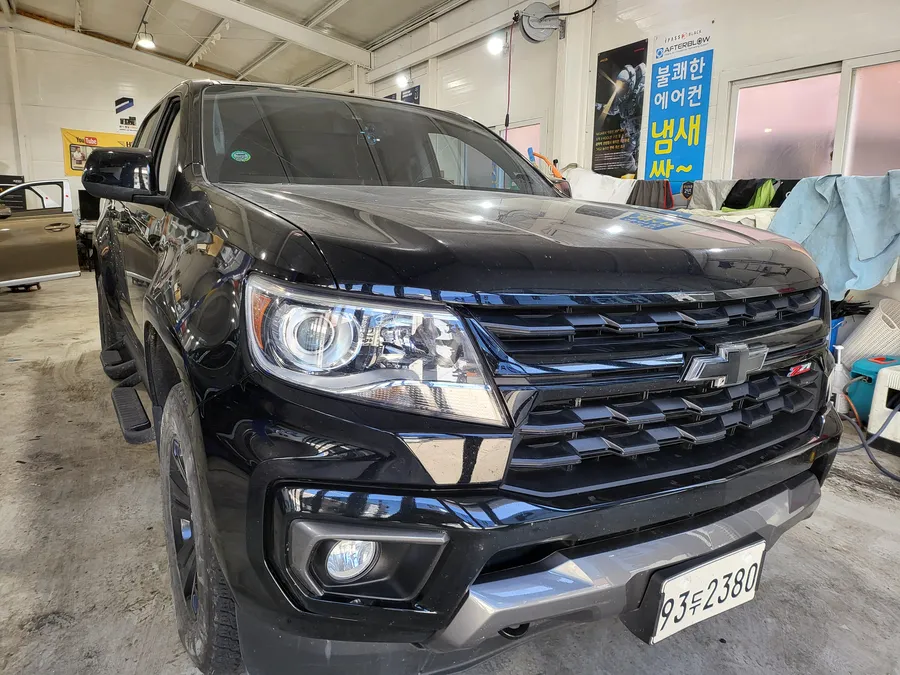
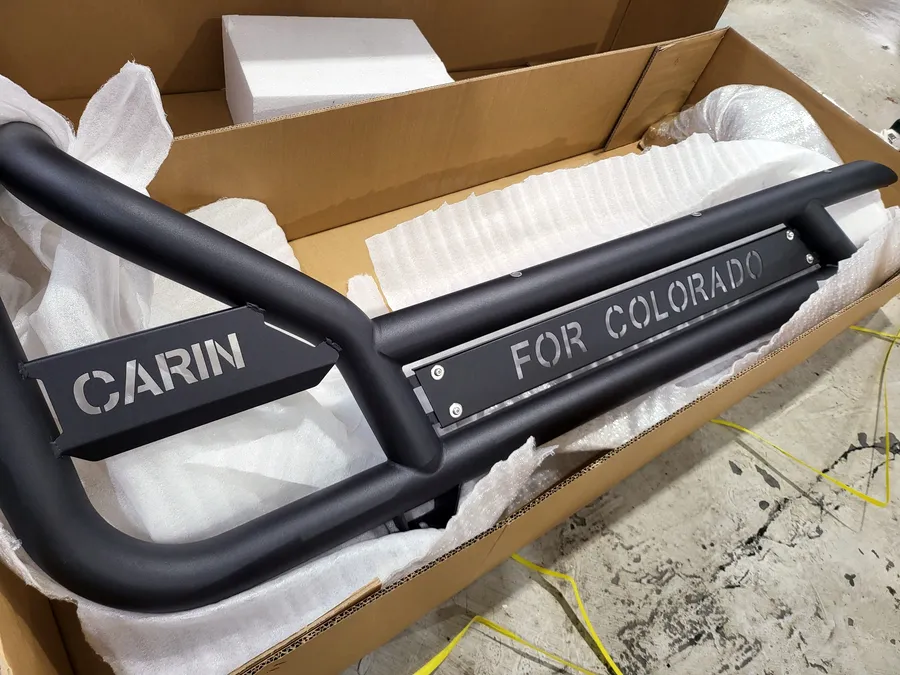
After
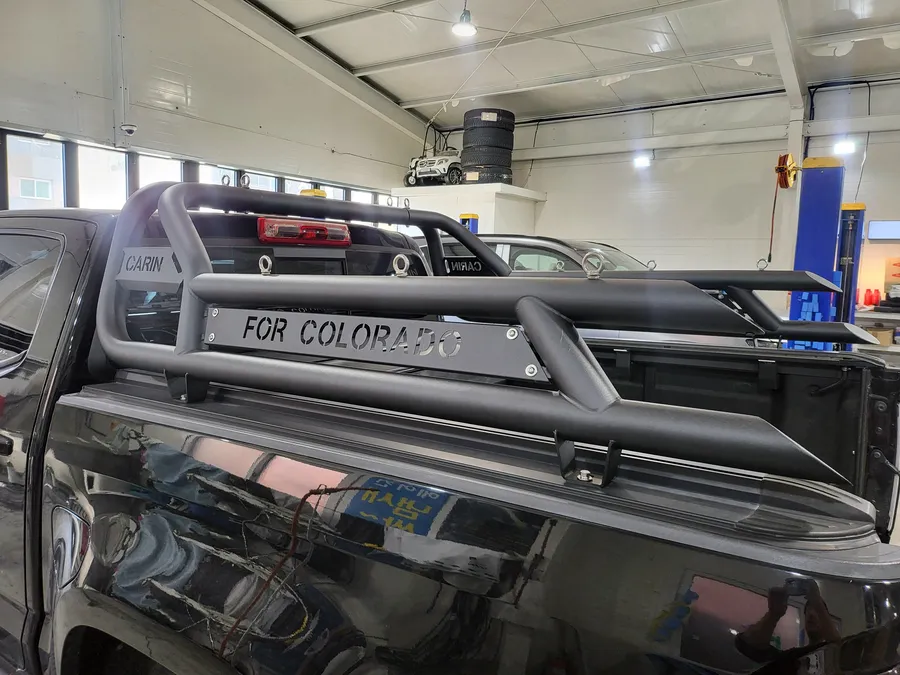
Chevrolet Colorado body kit installation: costs vary, expect aesthetic upgrades. Professional installation recommended for best results.
Chevrolet Colorado Body Kit Installation: Enhancing Style and Functionality
For Chevrolet Colorado owners looking to elevate their truck's aesthetics and potentially add functionality, a body kit can be a compelling upgrade. This review delves into the typical body kit installation process, the expected before and after results, considerations for durability, and whether the investment is truly worthwhile for your Colorado. While the original context for this review comes from a specific installation in South Korea, we'll translate the core concepts and provide relevant insights for US/UK audiences.
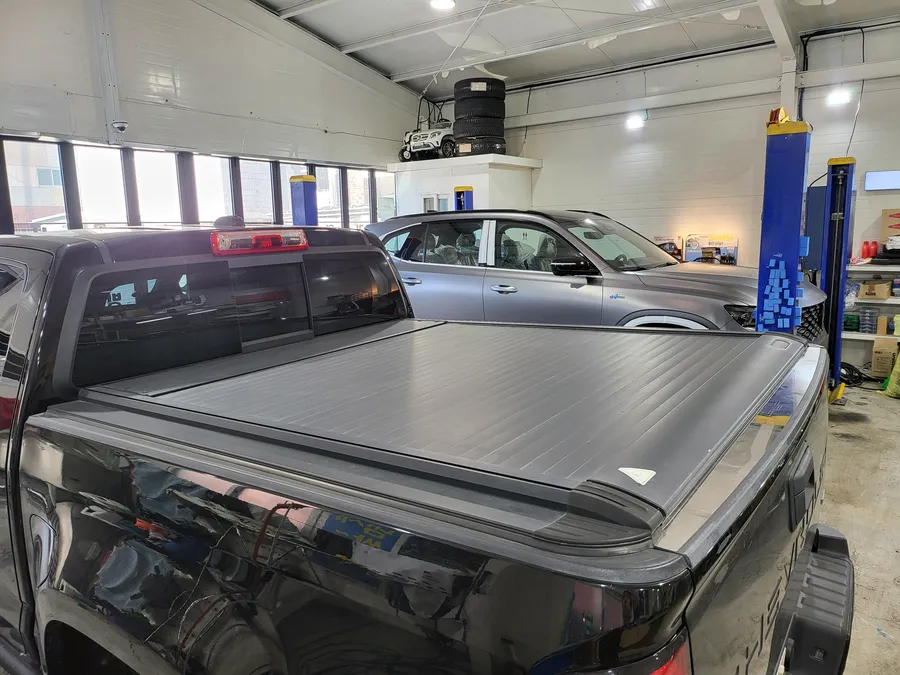
Understanding Body Kits and Their Impact
A body kit, often referred to as an aero kit, typically includes components like front lips, side skirts, and sometimes rear diffusers or spoilers. These parts are designed to modify the vehicle's exterior lines, giving it a more aggressive, sporty, or customized look. For the Chevrolet Colorado, a pickup truck, body kits can serve not only aesthetic purposes but also potentially influence aerodynamics, though this is less common for truck applications compared to sports cars. The key is to understand what you're looking for: a subtle enhancement or a dramatic transformation.
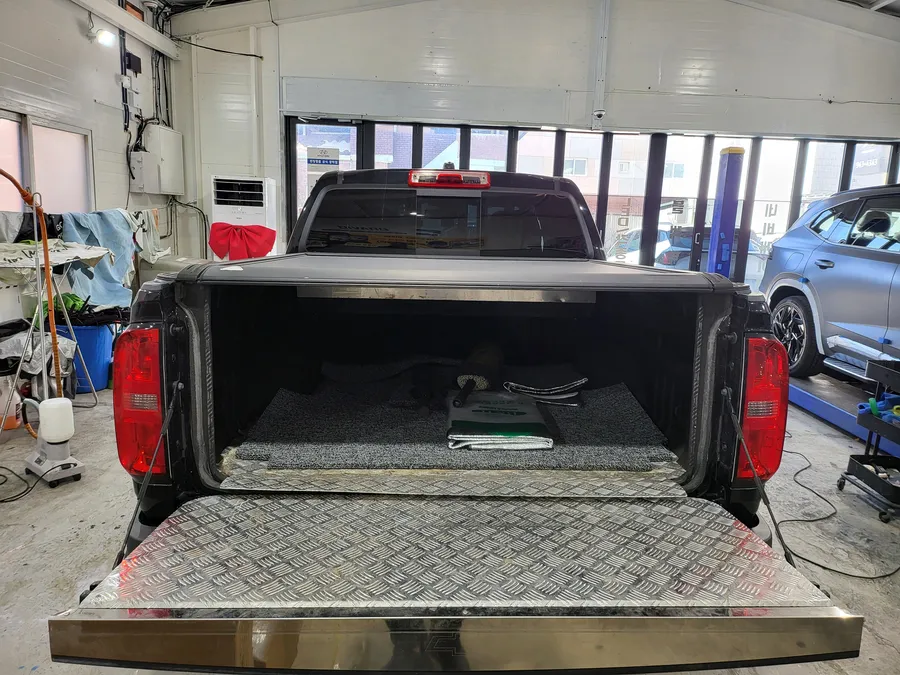
Chevrolet Colorado Body Kit Installation Process
The installation of a body kit on a Chevrolet Colorado, like most vehicles, requires precision and care. While specific kits may vary, the general process involves several key stages:
- Preparation: Thoroughly cleaning the areas where the body kit components will be attached is crucial. This ensures proper adhesion and a clean finish. The existing bumper and body panels are inspected for any damage that might interfere with the installation.
- Component Fitting: Each part of the body kit (front lip, side skirts, etc.) is test-fitted to ensure alignment and fitment. Minor adjustments may be necessary.
- Attachment: Components are securely attached using a combination of automotive-grade adhesives, clips, and sometimes screws. The method depends on the specific kit and the vehicle's design. For instance, a front lip might attach to the underside of the bumper, while side skirts affix to the rocker panels.
- Finishing: After secure attachment, any gaps are sealed, and the new components are inspected for stability. For kits that require painting, this stage would involve professional painting to match the vehicle's color before final installation.
The original Korean context highlighted the importance of professional installation, especially for higher-priced items, to prevent defects and ensure a smooth, rattle-free finish. This is a universal recommendation.
Durability, Maintenance, and Cost Considerations
The durability of a body kit largely depends on the materials used (e.g., polyurethane, ABS plastic, fiberglass) and the quality of the installation. Polyurethane and ABS are generally more flexible and impact-resistant, making them suitable for daily driving and less prone to cracking. Fiberglass kits can be more affordable but may be more brittle. The Korean context mentioned a stainless steel roll bar lasting over 5 years, suggesting a focus on durable materials. For body kits, expect similar longevity with proper care. Maintenance typically involves regular washing and waxing, similar to the rest of your vehicle's paintwork. Be mindful of potential impacts from road debris or steep driveways.
Regarding cost, the original context mentioned a price range of 300,000-600,000 Korean Won for a roll bar installation, which translates to approximately $220-$450 USD, plus the cost of the part itself. For a full body kit on a Chevrolet Colorado, including parts and professional installation, you could expect costs ranging from $400 to $2,000 USD or more, depending on the brand, complexity, and material. The estimated US price for parts alone can range from $40-$80 for basic lips to several hundred dollars for full kits.
Is a Chevrolet Colorado Body Kit Worth It?
Deciding if a body kit is worth it for your Chevrolet Colorado depends on your priorities. If you seek a more aggressive or personalized aesthetic for your truck and are prepared for the associated costs and potential maintenance, then it can be a worthwhile modification. For those who primarily use their Colorado for utility and are less concerned with appearance, the expense might not be justified. The key is to weigh the visual enhancement against the financial investment and the potential for increased maintenance or repair needs.
Frequently Asked Questions
Q. How much does a body kit cost for a Chevrolet Colorado?
While specific parts can range from $40-$80, a full body kit installation for a Chevrolet Colorado can cost anywhere from $400 to over $2,000 USD. Professional installation is recommended to ensure proper fitment and finish.
Q. How long does body kit installation take on a Chevrolet Colorado?
Installation time can vary, but typically ranges from 2-3 hours for simpler components like a front lip or side skirts. More complex kits or those requiring painting may take longer, potentially a full day.
Q. Is a body kit worth it for a Chevrolet Colorado?
A body kit is worth it if you prioritize a more aggressive or customized aesthetic for your truck and are prepared for the investment. It offers a significant visual upgrade for owners seeking a unique look.
Q. How is a body kit installed on a Chevrolet Colorado?
Installation typically involves cleaning the mounting surfaces, test-fitting the components (like front lips and side skirts), and then securely attaching them using automotive adhesives, clips, or screws. Professional installation ensures a precise and durable fit.
Q. What is the difference between FRP and polyurethane body kits for a Chevrolet Colorado?
Polyurethane kits are generally more flexible and impact-resistant, making them durable for daily driving, while Fiberglass Reinforced Plastic (FRP) kits can be more affordable but are often more brittle and prone to cracking upon impact.
OhCar Partner Shop