Chevrolet Traverse Ceramic Coating Review: Cost & Results
Service Price
$115–150
Estimated price · Actual price may vary by shop

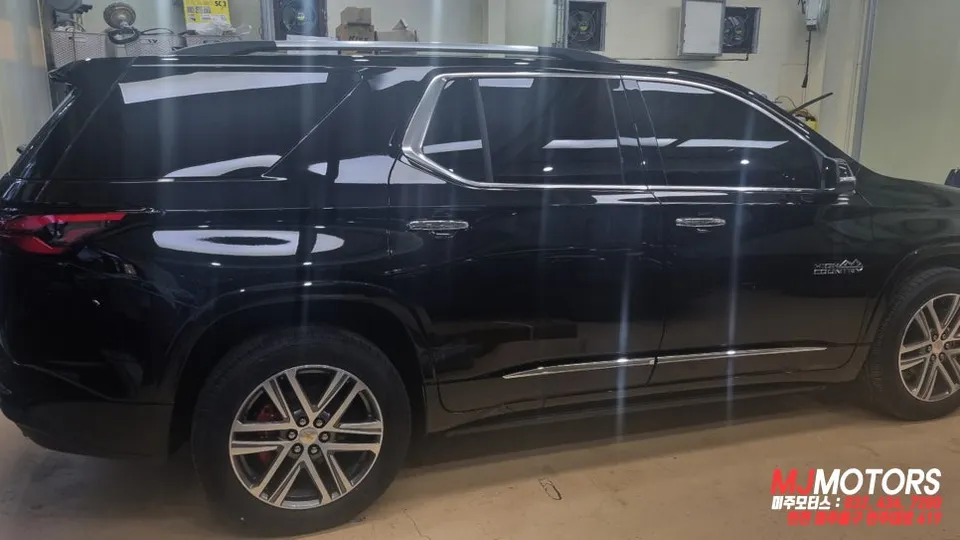
Chevrolet Traverse ceramic coating review: Professional installation costs vary, offering paint protection and enhanced gloss. Lasts years.
Why Your Chevrolet Traverse Needs a Ceramic Coating
Over time, even the most meticulously maintained vehicles accumulate imperfections. For your Chevrolet Traverse, this often means swirl marks from washing, water spots from environmental exposure, and fine dust that becomes increasingly difficult to remove. These issues not only detract from your vehicle's appearance but can also degrade the paintwork. This is where professional automotive paint correction and a protective ceramic coating become essential.
Automotive polishing, or paint correction, physically removes minor scratches and contaminants, restoring the paint's original smoothness and gloss. Following this, a ceramic coating creates a hard, transparent layer over the paint. This hydrophobic coating acts as a shield against environmental hazards, enhances the paint's natural color, and makes future cleaning significantly easier. For a larger vehicle like the Traverse, which is more exposed to the elements, regular protection is key to maintaining its value and aesthetic appeal.
Ceramic Coating Installation Process for a Chevrolet Traverse
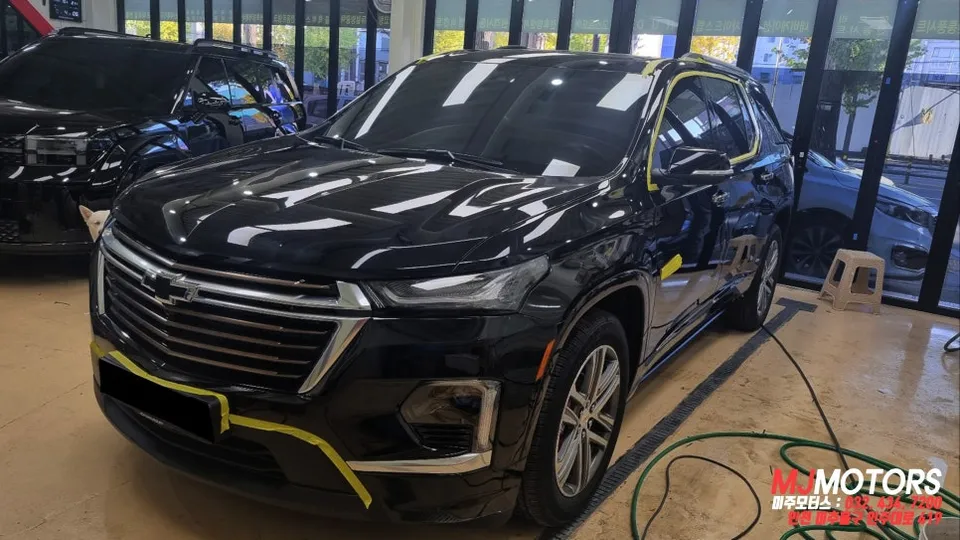
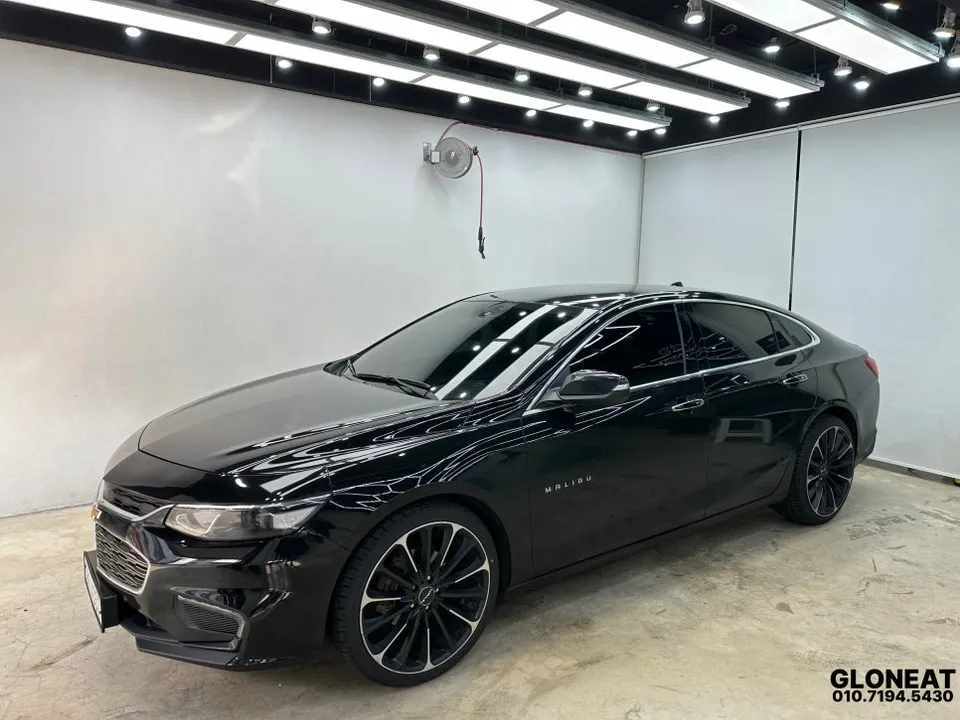
The process of applying a ceramic coating, as demonstrated on this Chevrolet Traverse, involves several critical steps to ensure optimal adhesion and a flawless finish. This particular service was performed at the 'Today's Car' Incheon branch in South Korea. The typical cost for such a service in Korea can range from approximately ₩300,000 to ₩500,000 (roughly $220-$370 USD, depending on exchange rates and specific package), though US pricing for a Traverse can vary significantly, often between $1,150–$1,500 for professional application.
Installation process:
- Thorough Wash and Decontamination: The vehicle is meticulously washed using high-pressure water and specialized cleaners to remove all surface dirt, grime, tar, and road film. This ensures a perfectly clean canvas for the subsequent steps.
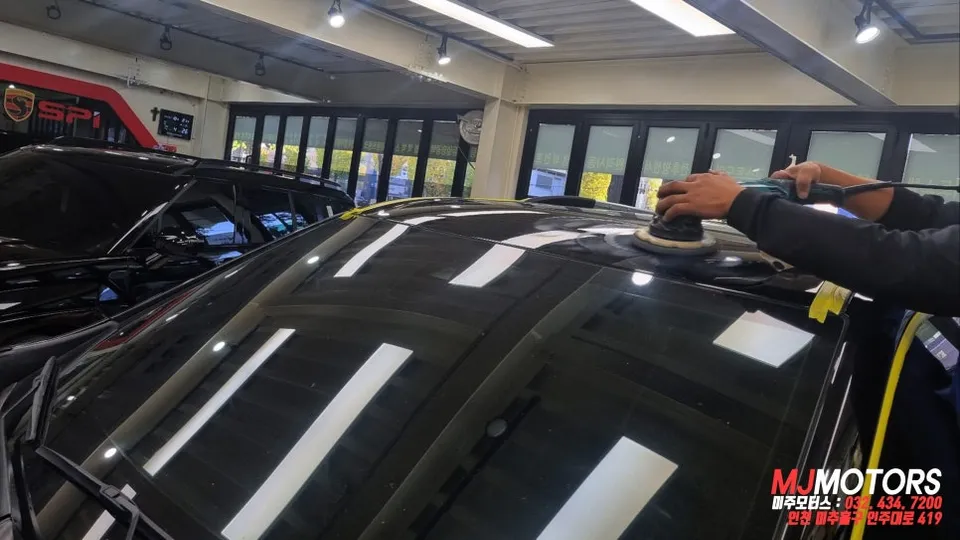
- Masking and Protection: Sensitive areas such as rubber trim, plastic moldings, and glass are carefully masked off with tape. This prevents the polishing compounds and coating from damaging or staining these components.
- Paint Correction (Polishing): Using a dual-action polisher and a water-based polishing compound (SPI water-based dual polish in this case), technicians carefully remove swirl marks, light scratches, and other paint imperfections. This stage is crucial for achieving maximum gloss and requires skill and time to perfect.
- Degreasing: After polishing, the paint surface is degreased to remove any residual oils or contaminants left by the polishing process. This ensures the ceramic coating can bond effectively with the clear coat.
- Ceramic Coating Application: The nano-ceramic coating (9H hardness) is applied evenly across the paintwork. This creates a durable, protective layer that enhances gloss and provides hydrophobic properties.
- Curing: The coating is allowed to cure, forming a hard, protective shell. Proper curing is essential for the coating's longevity and performance.
Benefits and Durability of Ceramic Coating
A high-quality ceramic coating, like the 9H nano-ceramic applied here, offers significant advantages beyond just a glossy finish. Its primary benefit is robust protection against environmental contaminants, UV rays, and minor scratches. The hydrophobic nature of the coating causes water and dirt to bead up and roll off, making the Traverse easier to clean and maintain. With proper care, a ceramic coating can last for several years, significantly longer than traditional waxes or paint sealants. Regular washing with pH-neutral soaps and avoiding abrasive cleaning methods will help preserve the coating's integrity and performance.
Frequently Asked Questions
Q. How much does ceramic coating cost for a Chevrolet Traverse?
In Korea, this service can range from approximately ₩300,000 to ₩500,000. Professional ceramic coating for a Chevrolet Traverse in the US typically ranges from $1,150 to $1,500.
Q. How long does ceramic coating last on a Chevrolet Traverse?
A professionally applied ceramic coating can last for several years, often 3-5 years or more, depending on the product and maintenance. To maximize its lifespan, wash your Traverse regularly with pH-neutral soap and avoid abrasive cleaning tools.
Q. Is ceramic coating better than wax for a Chevrolet Traverse?
Ceramic coating offers superior durability and protection compared to traditional wax or paint sealants, lasting significantly longer. It's ideal for owners seeking long-term paint protection and ease of maintenance for their Chevrolet Traverse.
Q. How is ceramic coating applied to a Chevrolet Traverse?
The process involves meticulous washing and decontamination, followed by paint correction to remove imperfections. Sensitive areas are masked, then the paint is degreased before the nano-ceramic coating is carefully applied and allowed to cure.
Q. What is the difference between ceramic coating and PPF for a Chevrolet Traverse?
Ceramic coating provides chemical and UV protection with hydrophobic properties, enhancing gloss. Paint Protection Film (PPF) is a thicker, clear urethane film primarily designed to shield against physical impacts like rock chips and scratches.
OhCar Partner Shop
More ceramic coating Reviews
See all →


More Chevrolet Reviews



Pair with Another Service

Add physical chip protection before coating
Polish before coating for best results