Ford Explorer 6th Gen OEM Options Review
Service Price
Est. $1,500+
Estimated price · Actual price may vary by shop
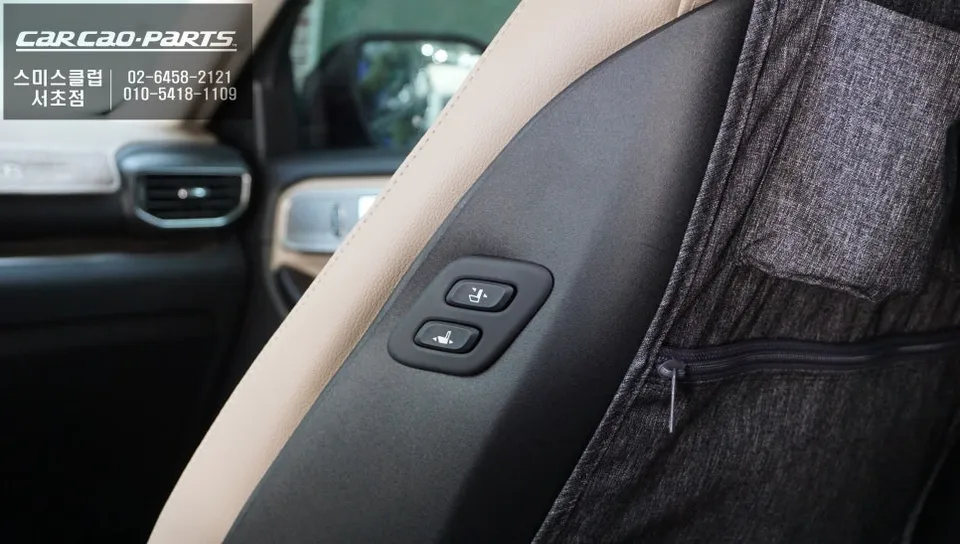
Ford Explorer 6th Gen walk-in switch installation costs ₩1.5M-₩2.5M. Improves passenger access and cargo space.
Understanding OEM Options for Your Ford Explorer 6th Gen
The Ford Explorer, a popular 3-row SUV, often benefits from enhancements that improve passenger convenience, especially with a full load. One such popular customization is the 'walk-in switch' or OEM option retrofit, which allows for easier control of the front passenger seat. This feature is particularly useful for accessing the third row, as it enables the front passenger seat to be moved forward electronically, creating more legroom for those in the back. It's not just about convenience; it's about maximizing the utility of a large SUV's interior space.
Given the Explorer's substantial size and interior layout, adjusting the front passenger seat can sometimes be cumbersome. While the original design requires the passenger to manually operate the seat levers, installing an OEM option like a walk-in switch allows control from the driver's seat or even the rear. This review focuses on the practical aspects and costs associated with such factory upgrades.
Installation Process for Ford Explorer OEM Options
Installing an OEM option like a walk-in switch is a detailed process. It involves accessing the motors and wiring beneath the front passenger seat. Often, this requires precise cutting and integration of new switch components, sometimes utilizing parts from other OEM vehicles for a factory-like finish. Because these systems integrate with the vehicle's electrical network, proper insulation and secure connections are paramount to ensure safety and reliability.
The core of the installation happens under the seat. After potentially removing the seat for better access, technicians connect the wiring for the new switch to the seat's existing motors. Care is taken to prevent interference with existing wiring harnesses and to protect the new connections using heat-resistant tubing and secure clips. This part of the process alone can take several hours.
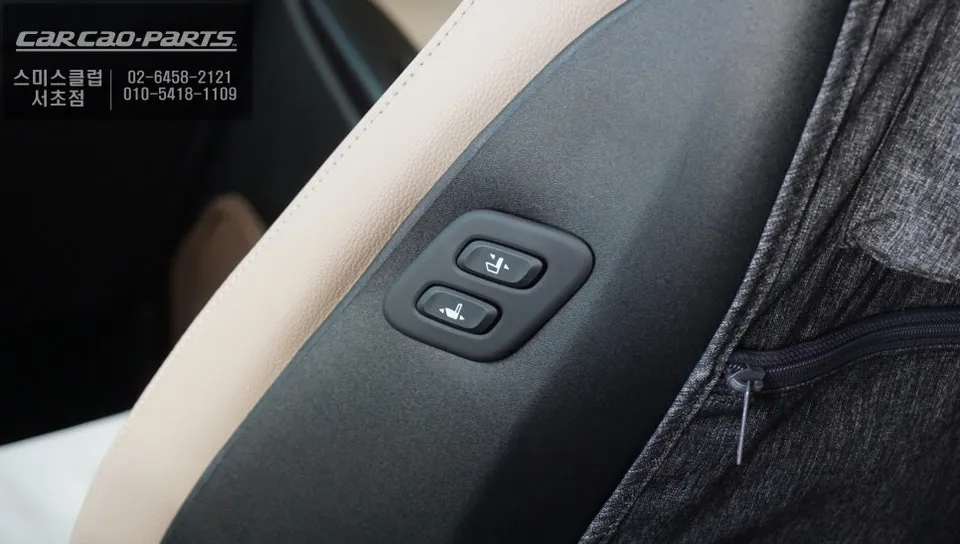
The placement of the new switch is also crucial for usability. It's typically installed in a location easily accessible to the driver, such as the driver's side door panel or the center console. The switch is often programmed to offer multi-stage control, allowing for independent adjustment of the seat's forward/backward movement and recline function.
Installation Process:
- Access the front passenger seat's internal wiring and motors.
- Integrate the new switch module and its wiring harness, ensuring secure connections.
- Program the switch for desired seat movement functionality (e.g., forward/backward, recline).
- Test all functions thoroughly and tidy up wiring for a clean, factory-like finish.
Real-World Benefits and Durability of OEM Options
The most immediate benefit of this OEM option is the enhanced convenience for passengers. Passengers in the rear seats no longer need to manually adjust the front seat; the driver can simply press a button to move the front passenger seat forward, making entry and exit easier, especially for families or when carpooling.
Furthermore, this upgrade can improve cargo space efficiency. If the seat can be fully folded or moved significantly forward, it creates more room for bulky items. For an SUV like the Ford Explorer, maximizing the flexibility of the second-row passenger seat can significantly boost overall interior utility.
Regarding durability, these integrated OEM options are designed to withstand regular use. Like any electronic component, proper installation is key. Maintenance is generally minimal, typically involving keeping the switch area clean and dry. Most reputable installations come with a warranty, often ranging from 1 to 2 years, covering potential defects in the components or workmanship.

Cost and Time Investment for Factory Upgrades
The cost for a walk-in switch installation on a Ford Explorer 6th Gen, as performed by specialized shops in Korea, typically ranges from 1,500,000 to 2,500,000 KRW (approximately $1,100 - $1,850 USD, depending on exchange rates). This price can vary based on the quality of the switch module used, the complexity of the wiring integration, and regional labor costs.
The installation process usually takes between 6 to 8 hours. Due to the detailed nature of the work, including seat removal, intricate wiring, and thorough testing, it's often not a same-day job. It's advisable to allocate a full day or even two for the installation to ensure it's done correctly and comprehensively.
When considering these factory upgrades, it's essential to choose a reputable installer. Look for shops with specific experience in Ford Explorer modifications and inquire about their warranty policies. Most offer a 1-year to 2-year warranty on the installed components and labor.

Frequently Asked Questions
Q. How much does OEM option and factory upgrade installation cost for a Ford Explorer 6th Gen?
In Korea, this OEM option retrofit typically costs between ₩1,500,000 and ₩2,500,000 (approx. $1,100-$1,850 USD). US pricing can vary significantly based on the specific option and installer.
Q. How long does OEM options installation take on a Ford Explorer 6th Gen?
Installation usually takes 6-8 hours, requiring careful integration of electrical components. To ensure longevity, keep the switch area clean and dry, avoiding excessive moisture.
Q. Are OEM options worth adding after purchase for a Ford Explorer 6th Gen?
Yes, for families or those frequently carrying passengers, the enhanced convenience for rear occupants is significant. It adds considerable value by improving overall vehicle utility.
Q. How are OEM factory options installed on a Ford Explorer 6th Gen?
Installation involves accessing the passenger seat's motors and wiring, integrating a new switch module, and programming its functions. Wiring is carefully managed for safety and aesthetics.
Q. What is the difference between dealer-installed options and aftermarket upgrades for a Ford Explorer 6th Gen?
OEM options are designed and often installed by the manufacturer or authorized facilities for seamless integration and factory appearance. Aftermarket upgrades are produced by third-party companies and may vary in quality and fit.
Kakao Parts