Ford Explorer 360 Camera Installation Review
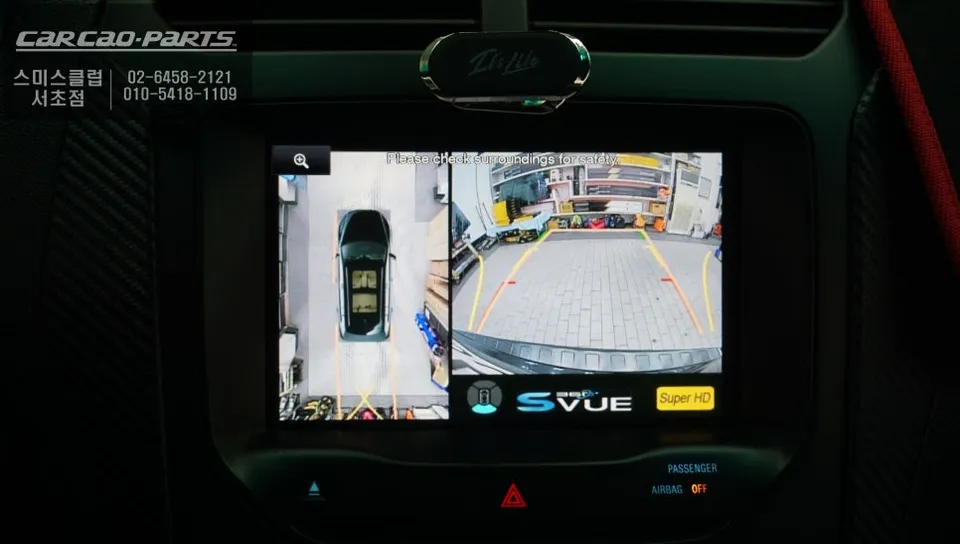
Ford Explorer 360 camera installation: approx. $500-$1500. Eliminates blind spots for safer parking.
Transforming Your Ford Explorer with a 360 Camera System
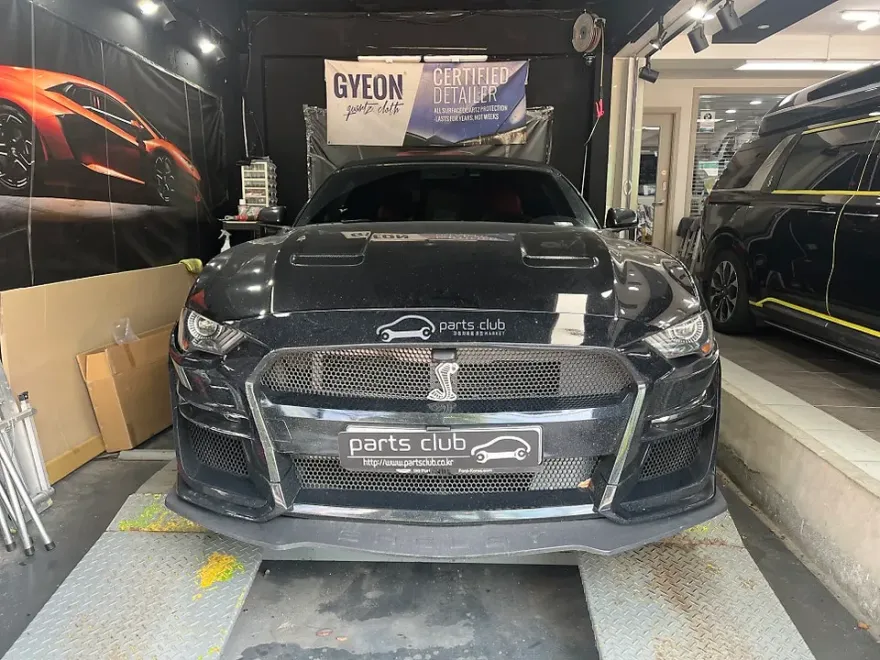
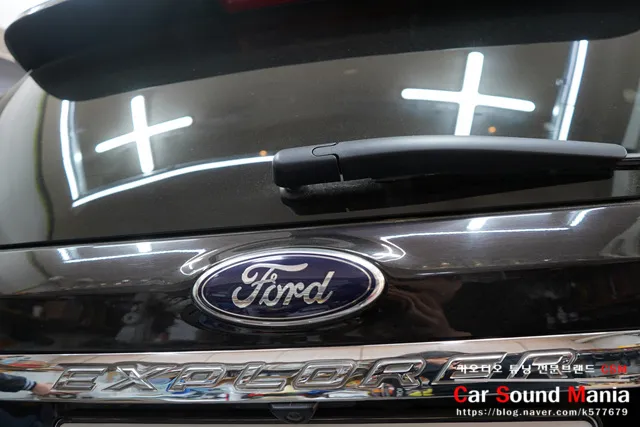
Parking a large vehicle like the Ford Explorer can be a source of anxiety, especially for less experienced drivers. The extensive blind spots around the vehicle make it challenging to navigate tight spaces and avoid potential collisions. Fortunately, aftermarket solutions like a surround view camera system can significantly mitigate these issues. This review details the installation of a 2D SuperView 360 camera system on a Ford Explorer, transforming its visibility and making parking a much less stressful experience. This particular installation was performed at a specialist shop in South Korea, highlighting the process and benefits for owners looking to retrofit this advanced parking aid.
Understanding the Surround View Camera System
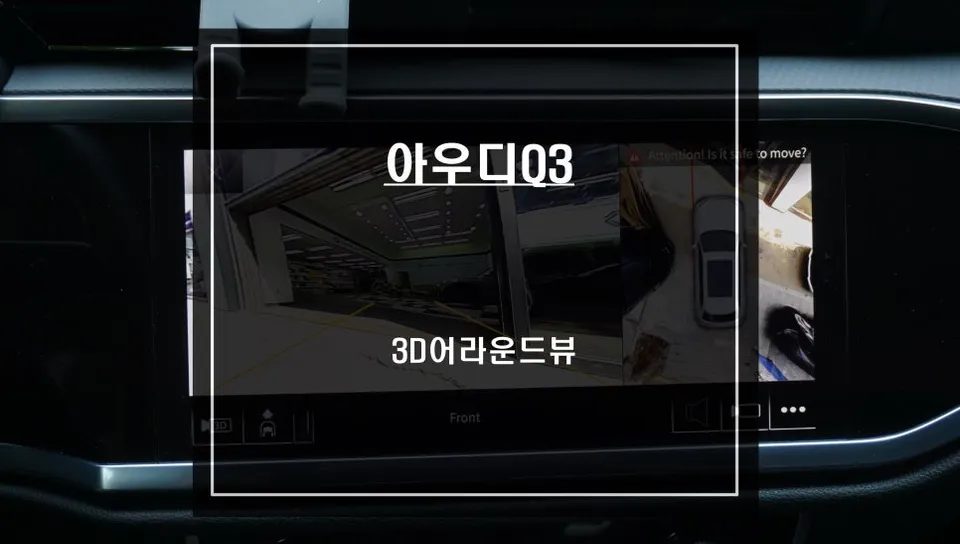
A surround view camera system, also known as a bird's-eye view camera or around view monitor, utilizes four cameras strategically placed around the vehicle (front, rear, and sides) to create a composite, top-down view of the car and its immediate surroundings. This synthesized image provides drivers with an unparalleled perspective, as if looking down from directly above the vehicle. This is particularly beneficial in confined areas like narrow alleys or multi-story parking garages where traditional mirrors and even backup cameras fall short. While the Ford Explorer doesn't always come with this feature as standard, aftermarket kits like the 2D SuperView offer a comprehensive solution. A key feature of the 2D SuperView is its Wide Dynamic Range (WDR) capability, ensuring clear video even in challenging lighting conditions, such as direct glare or low-light environments.

Installation Process and Technical Details
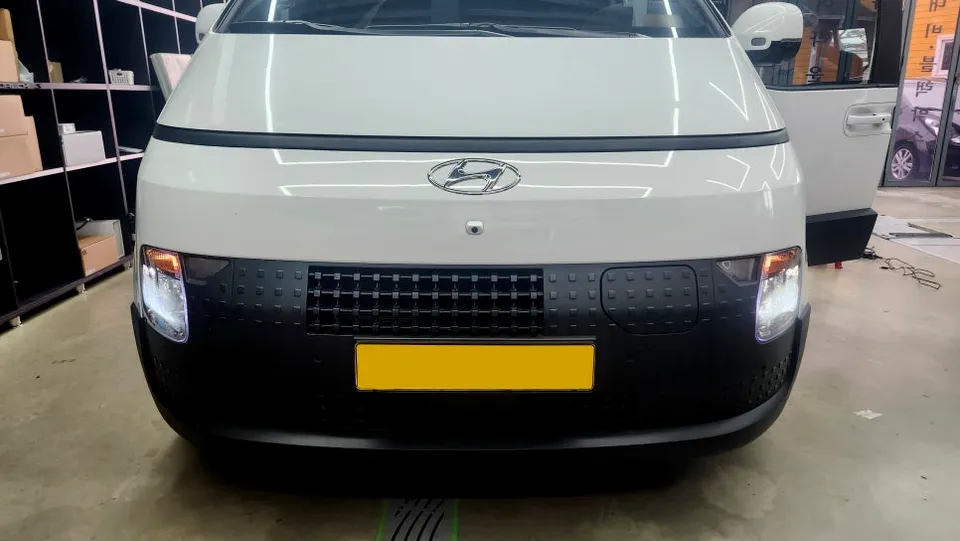
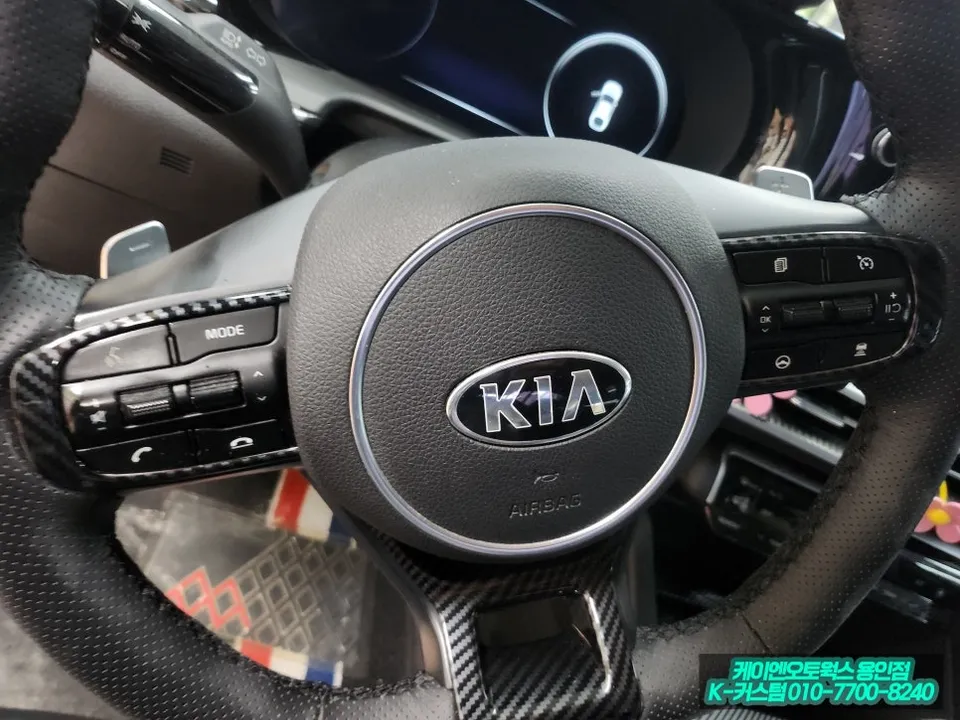
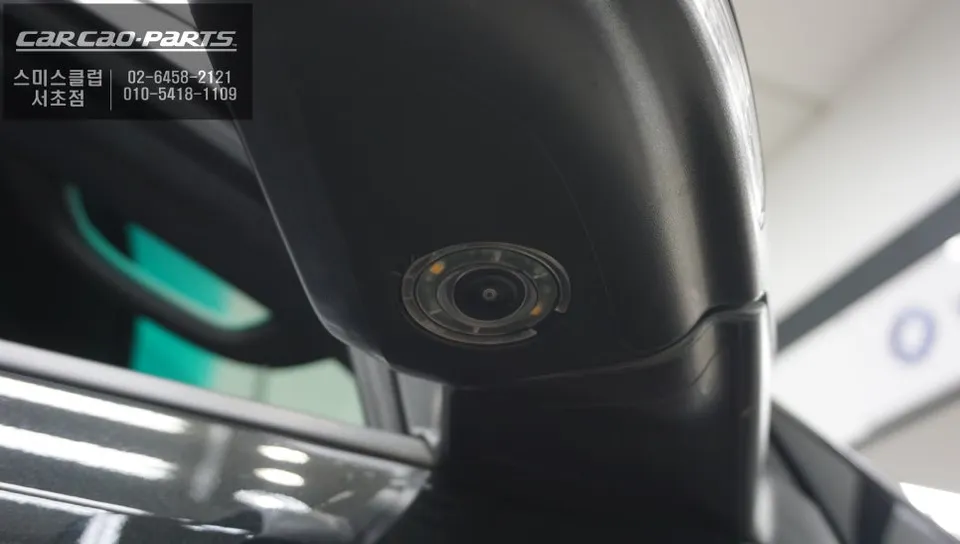
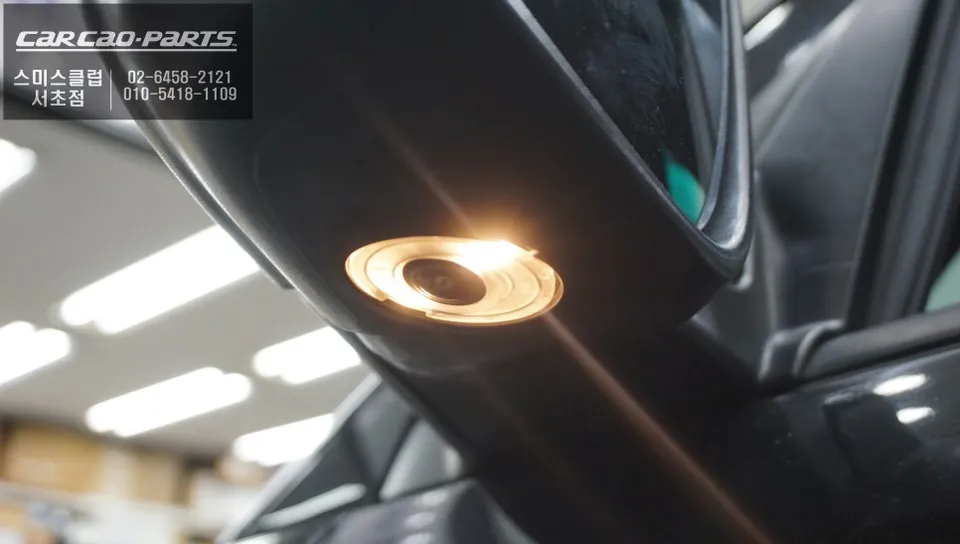
The installation of a surround view camera system requires precision to ensure optimal performance and a factory-like appearance. The 2D SuperView system is designed for a clean integration. The side cameras, for instance, can often be installed as a direct 1:1 replacement for existing side marker lights, avoiding the need to drill new holes in the vehicle's body. Wiring is carefully routed through the vehicle's existing conduits, hidden from view to maintain a factory-installed look. The rear camera is typically mounted near the license plate light or backup light, and the front camera is discreetly placed on the lower bumper. After the cameras are physically installed, a specialized interface module is connected to the vehicle's original infotainment screen. This interface is crucial for displaying the composite 360-degree view. In this specific Ford Explorer installation, a CVBS (analog) interface was used due to the limitations of the factory monitor's input options. While CVBS offers slightly lower resolution than HDMI, it provides sufficient clarity for parking maneuvers. The system integrates with the vehicle's signals: the surround view automatically activates the top-down and rear view when the car is put into reverse (R signal) and switches to the top-down and front view when in Drive (D signal). The system deactivates automatically at higher speeds for safety. A valuable manual override function allows the driver to activate the surround view at any time by pressing a button on the steering wheel controls, which is incredibly useful for navigating tricky spots or checking blind areas in real-time. The system also supports various viewing modes, including top-down, 3D perspectives, and individual camera views, enhancing situational awareness. Integration with the Park Assist System (PAS) can also provide dynamic parking lines that adjust with steering input, further aiding precise parking.
Benefits and Considerations for Ford Explorer Owners
The most immediate benefit of a surround view camera system is the significant reduction in parking stress and the prevention of minor accidents. The enhanced visibility allows drivers to confidently maneuver their Ford Explorer in tight spaces, avoiding curb rashes, bumper damage, and collisions with pedestrians or other vehicles. For new drivers or those accustomed to smaller cars, this system is a game-changer, boosting confidence and driving safety. Beyond parking assistance, the four cameras can also function as a comprehensive dashcam, recording footage from all angles. This provides crucial evidence in case of accidents, especially those occurring in blind spots not covered by traditional dashcams. The WDR feature ensures that recorded footage is clear, even in adverse lighting conditions, making it more valuable for insurance claims or incident reports. The installation process, when done professionally, leaves no visible trace of modification, making the system appear as a factory option. The durability of these systems is generally good, with camera lenses designed to last for many years, though periodic cleaning is recommended to maintain optimal performance. While the initial surround cost might seem significant, the potential savings from avoiding minor collisions and the peace of mind offered make it a worthwhile investment for many Ford Explorer owners, particularly those who frequently navigate challenging parking environments or prioritize vehicle protection.
Frequently Asked Questions
Q. How much does a 360 camera installation cost for a Ford Explorer?
In South Korea, this installation cost around 600,000 KRW (approximately $450 USD). Typical US pricing for aftermarket 360 camera systems and installation can range from $500 to $1500, depending on the brand and complexity.
Q. How long does a surround view camera installation take on a Ford Explorer?
The installation process typically takes about 4 to 5 hours to complete. To ensure longevity, it's recommended to periodically clean the camera lenses to prevent dirt and water spots from obscuring the view.
Q. Is an aftermarket 360 camera worth it for a Ford Explorer?
Yes, an aftermarket 360 camera system is highly recommended for Ford Explorer owners, especially novice drivers or those frequently parking in tight spaces. It significantly enhances parking safety and confidence by eliminating blind spots.
Q. How is a surround view camera system installed on a Ford Explorer?
Installation involves mounting four cameras (front, rear, sides) discreetly on the vehicle, often using integrated mounts to avoid drilling. Wiring is routed internally, and a specialized interface connects the cameras to the factory monitor, synthesizing a top-down view. The process typically takes 4-5 hours.
Q. What is the difference between OEM and aftermarket surround view cameras for a Ford Explorer?
OEM systems are integrated from the factory with guaranteed compatibility, but aftermarket options like the 2D SuperView offer a cost-effective way to add the feature to vehicles without it. Aftermarket systems may sometimes have slightly lower resolution (e.g., CVBS vs. HDMI) but provide essential parking visibility.
Q. What should I know before getting Surround View Camera on a Ford Explorer? (common regrets and mistakes)
The most common regret is not realizing the limitations in extreme conditions or very steep slopes, though it covers most daily parking scenarios. To avoid this, understand that while vastly improving visibility, it doesn't replace careful driving and situational awareness.
Kakao Parts