Genesis G80 Ceramic Coating Review — Cost & Results
Service Price
$approx. $750–1,150
Estimated price · Actual price may vary by shop
Before
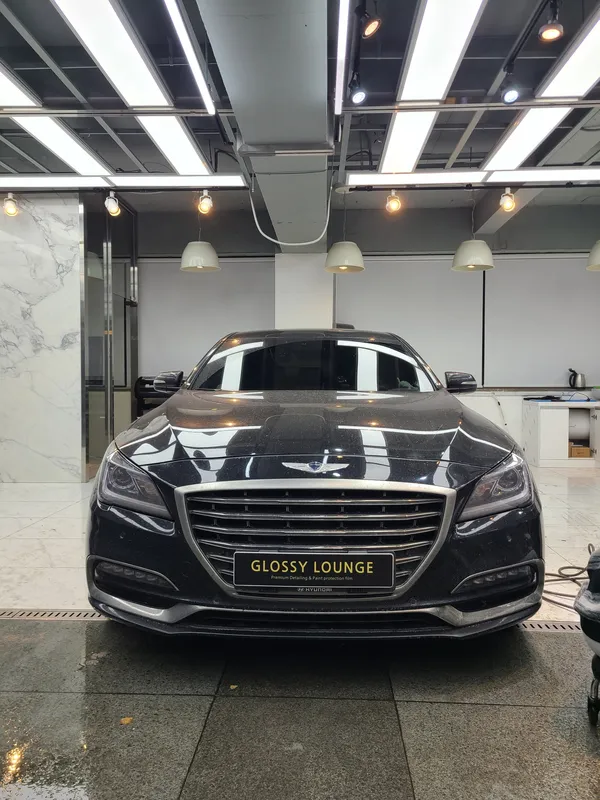
After
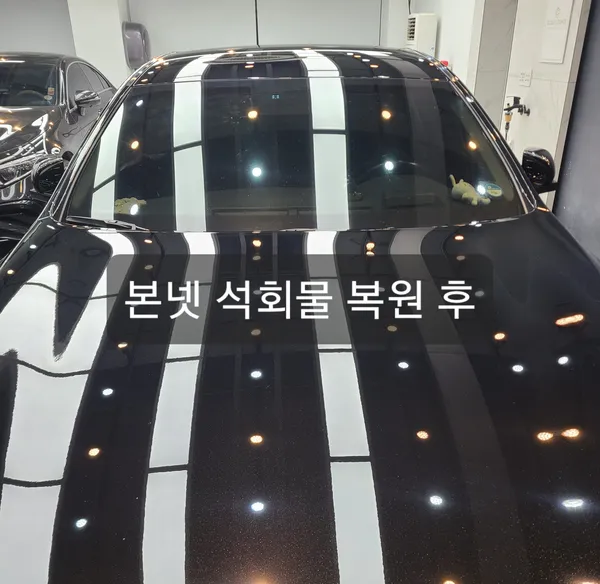
Process photos
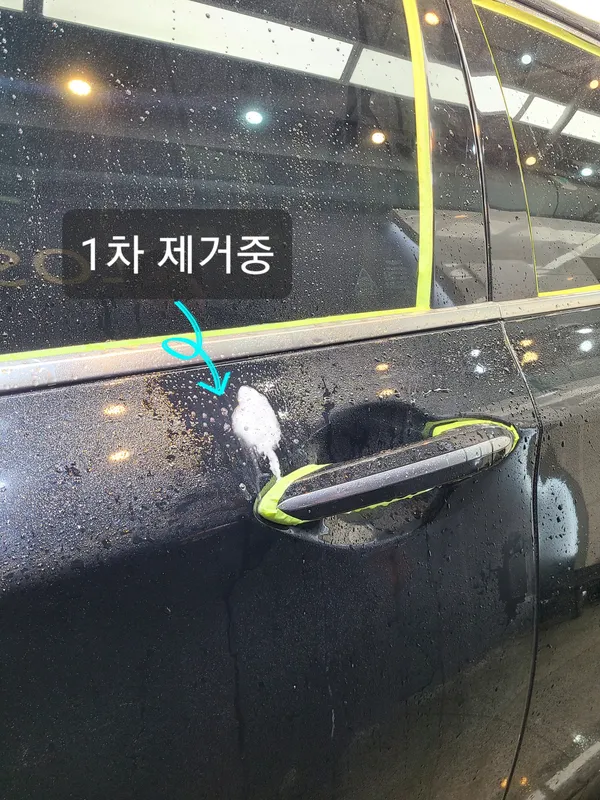
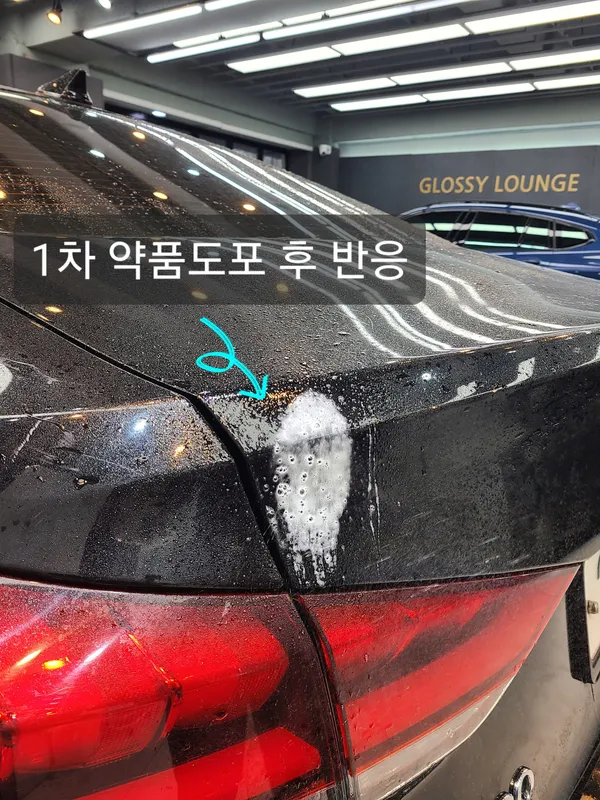
Genesis G80 ceramic coating: Approx. $750-$1,150. Restores gloss and provides durable paint protection against contaminants.
Genesis G80 Ceramic Coating: Restoring Shine and Protection
This review details a specialized exterior restoration for a Genesis G80, focusing on removing stubborn mineral deposits and applying advanced paint protection. While the original context is from a service in Yangjae-dong, South Korea, the principles of ceramic coating application, cost considerations, and expected results are universally applicable for car owners in the US and UK seeking to enhance their vehicle's appearance and longevity. The service involved meticulous cleaning, chemical treatment, and polishing to restore the G80's finish, demonstrating the effectiveness of professional paint protection services.
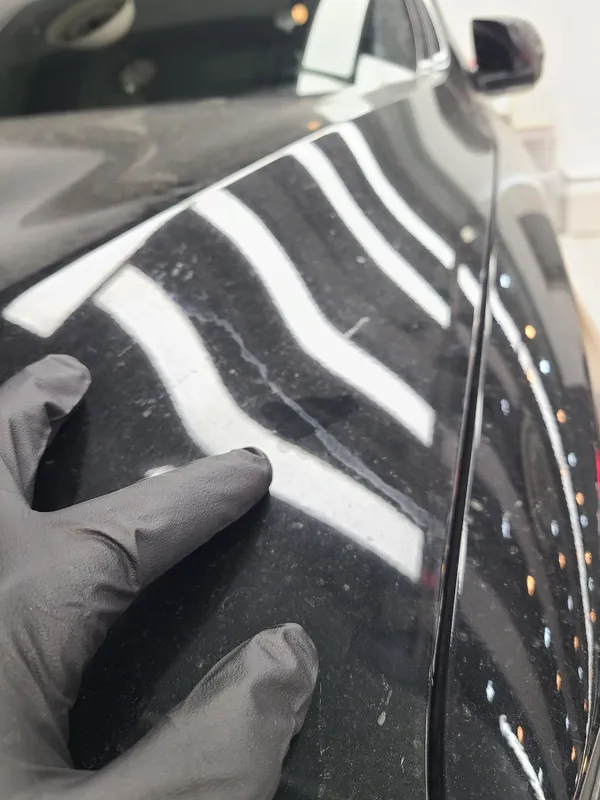
Understanding Ceramic Coating for Your Genesis G80
Ceramic coating, often referred to as nano ceramic coating or hydrophobic coating, is a liquid polymer applied to the exterior of a vehicle to protect it from environmental contaminants, UV rays, and minor scratches. Unlike traditional wax or paint sealants, a professionally applied ceramic coating forms a semi-permanent bond with the factory paint, creating a durable, long-lasting layer of protection. This layer is significantly harder and more resilient than clear coats, offering superior resistance to chemical etching, oxidation, and the elements. For a Genesis G80, investing in a ceramic coating can preserve its luxurious appearance and potentially increase its resale value. The estimated cost for such a service in the US typically ranges from $750 to $1,150, depending on the vehicle's size, condition, and the specific coating product used.
The Ceramic Coating Installation Process and Results
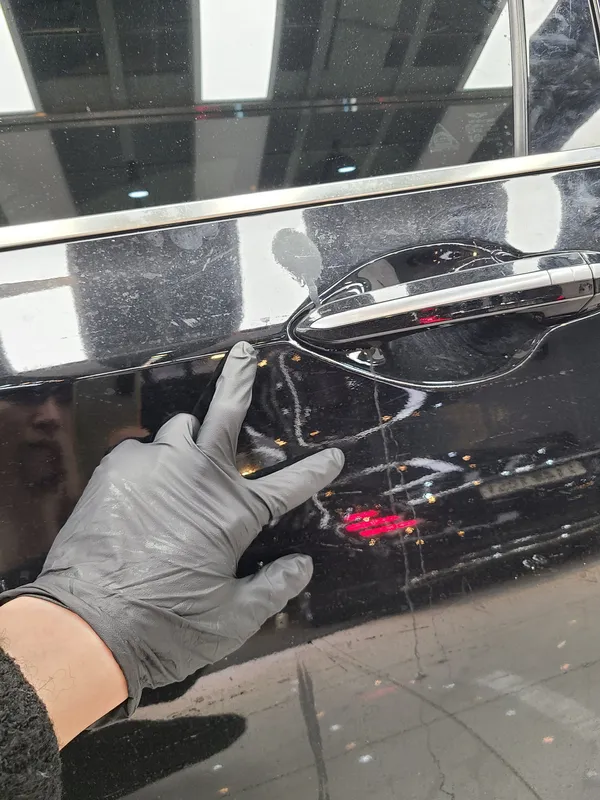
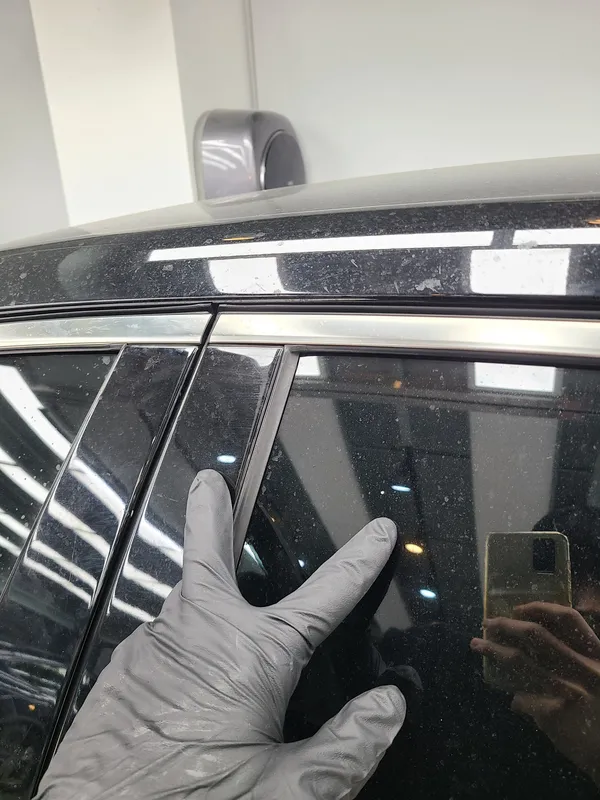
The process for applying a ceramic coating is detailed and requires precision to achieve optimal results. It's crucial to understand that proper preparation is key to the coating's effectiveness and longevity. This involves a thorough decontamination wash, paint correction (if necessary), and meticulous application of the ceramic coating itself. The original case involved removing significant mineral deposits, which required specialized chemical treatments and polishing to restore the paintwork. This meticulous approach ensures that the coating bonds effectively and provides the intended level of protection and gloss.
Installation Process:
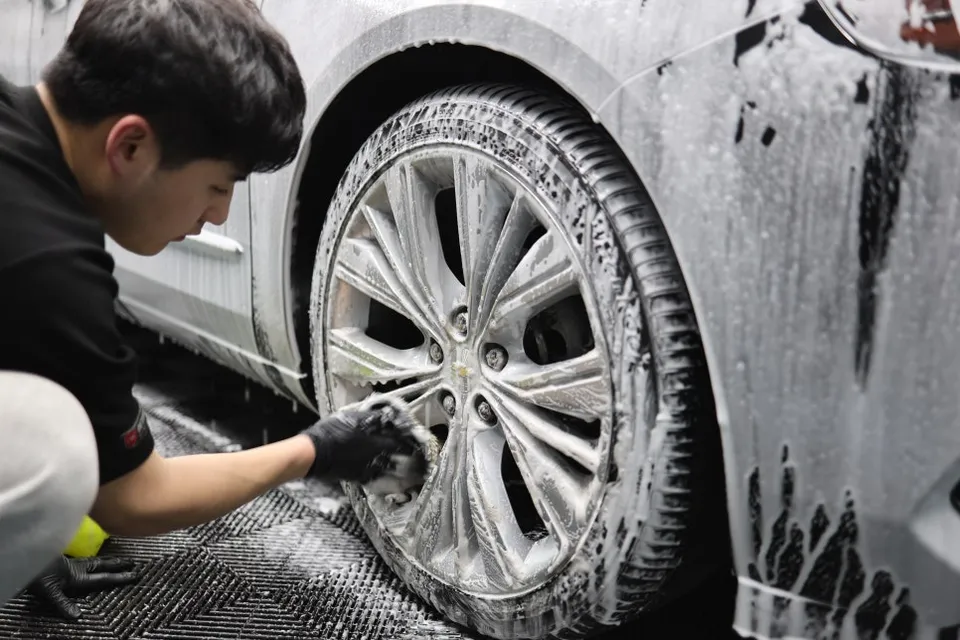
- Deep Cleaning and Decontamination: The vehicle is thoroughly washed to remove all surface dirt and grime. This is followed by chemical decontamination to strip away any existing wax, sealant, or embedded contaminants like iron particles and tar.
- Paint Correction: Any scratches, swirl marks, or imperfections in the paint are addressed through machine polishing. This step is vital for ensuring a flawless surface for the ceramic coating to adhere to, maximizing gloss and clarity.
- Ceramic Coating Application: The chosen ceramic coating is carefully applied to the paintwork, panel by panel, using specialized applicators. This process requires a controlled environment to prevent dust contamination.
- Curing and Inspection: The coating is allowed to cure, forming a hard, protective layer. A final inspection ensures even coverage and a high-gloss finish.
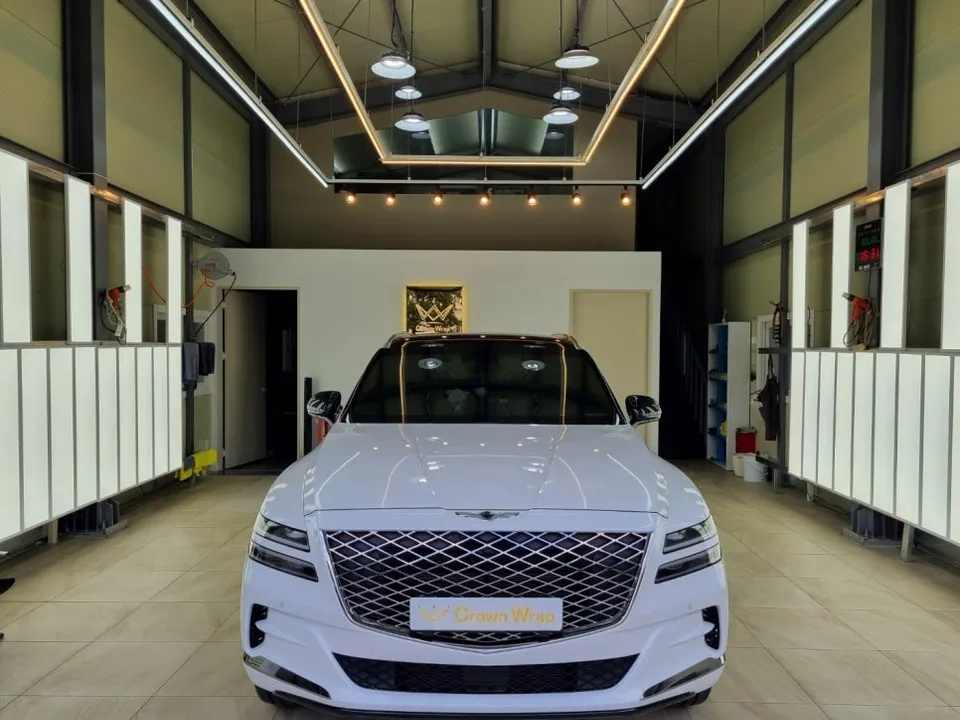
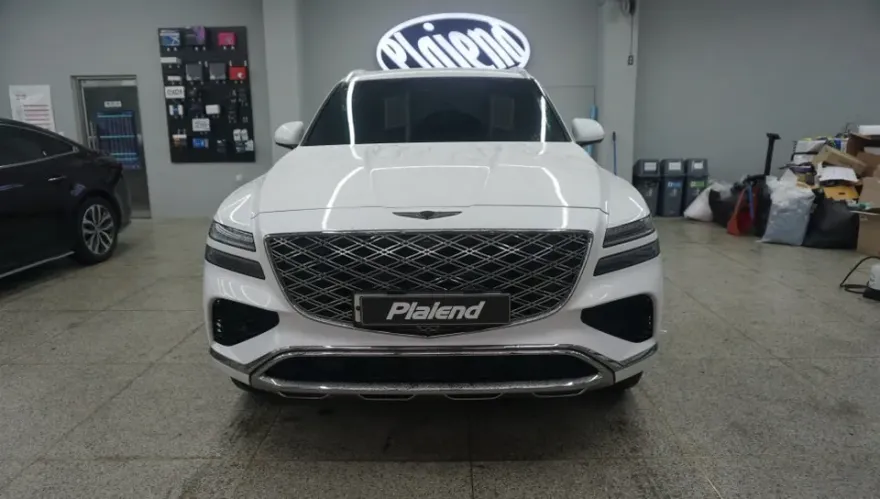
The results of a professional ceramic coating are striking. The vehicle's paintwork gains a deep, glossy finish that enhances its natural color and reflectivity. The hydrophobic properties cause water and contaminants to bead up and roll off the surface, making the car easier to clean and maintain. In the case of the Genesis G80, the restoration process not only removed unsightly mineral deposits but also revitalized the paint, making it look nearly new. This level of paint protection is far superior to traditional waxes and sealants, offering durability that can last for several years with proper care.
Frequently Asked Questions
Q. How much does ceramic coating cost for a Genesis G80?
While this specific service was covered by insurance in Korea, ceramic coating for a Genesis G80 in the US typically ranges from $750 to $1,150. The final cost depends on the vehicle's condition and the coating's specifications.
Q. How long does ceramic coating last on a Genesis G80?
A professionally applied ceramic coating can last for several years, often 3-5 years or more, with proper maintenance. Regular washing with pH-neutral soaps and avoiding abrasive cleaners will help prolong its life.
Q. Is ceramic coating better than wax for a Genesis G80?
Ceramic coating offers significantly longer-lasting and more durable protection than traditional wax or paint sealants. It's ideal for owners who want a high-gloss finish and robust defense against environmental damage.
Q. How is ceramic coating applied to a Genesis G80?
Ceramic coating application involves several key steps: 1. Thoroughly cleaning and decontaminating the vehicle's paint. 2. Performing paint correction to remove imperfections. 3. Carefully applying the ceramic coating liquid evenly. 4. Allowing the coating to cure into a hard, protective layer.
Q. What is the difference between ceramic coating and PPF for a Genesis G80?
Ceramic coating provides excellent chemical resistance and gloss, while Paint Protection Film (PPF) is a thicker, clear urethane film that offers superior physical impact protection against rock chips and scratches. Many owners opt for ceramic coating over PPF for aesthetic enhancement and ease of maintenance, while PPF is chosen for maximum physical defense.
Q. What should I know before getting Ceramic Coating on a Genesis G80? (common regrets and mistakes)
The most common regret is not opting for paint correction beforehand, which means the coating seals in existing imperfections. Always ensure your paint is properly corrected before application for the best possible finish and protection.
OhCar Partner Shop
More ceramic coating Reviews
See all →


More Genesis Reviews


Pair with Another Service
Add physical chip protection before coating