Genesis G80 Wheel Painting Review: White Finish Cost
Service Price
$75–115
Estimated price · Actual price may vary by shop
Before

After
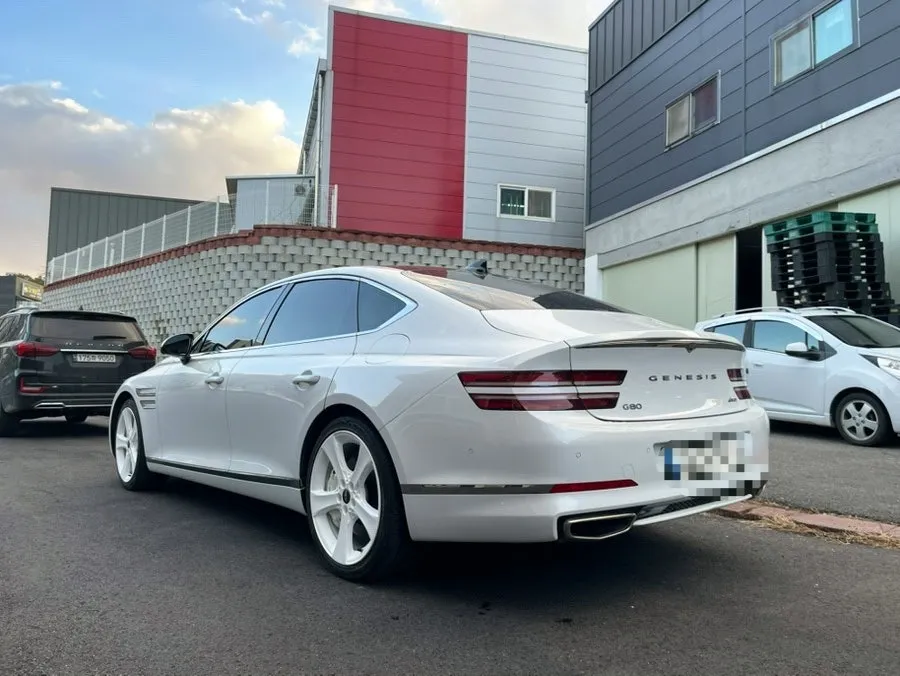
Process photos
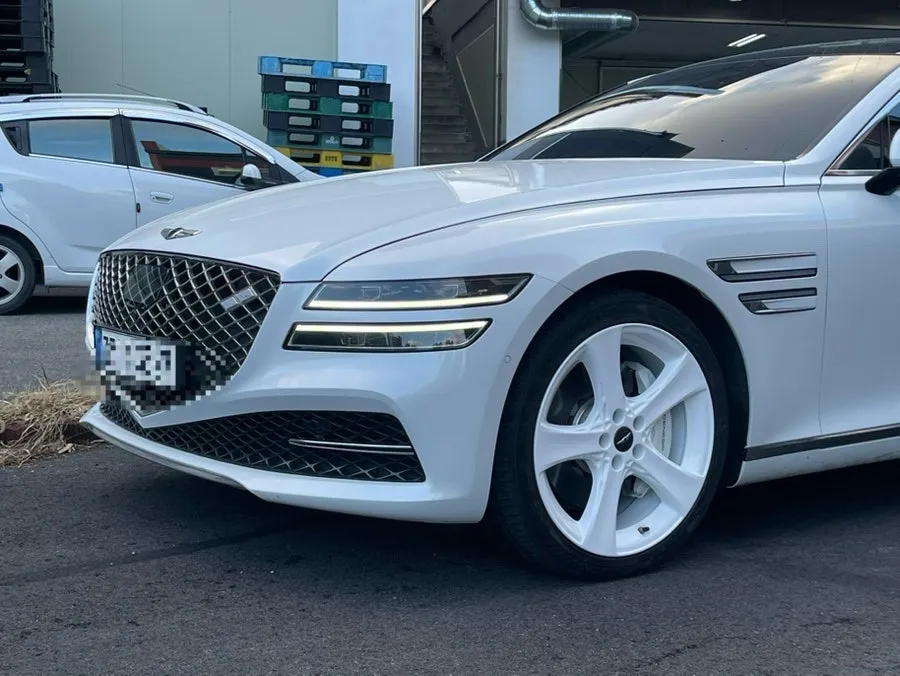
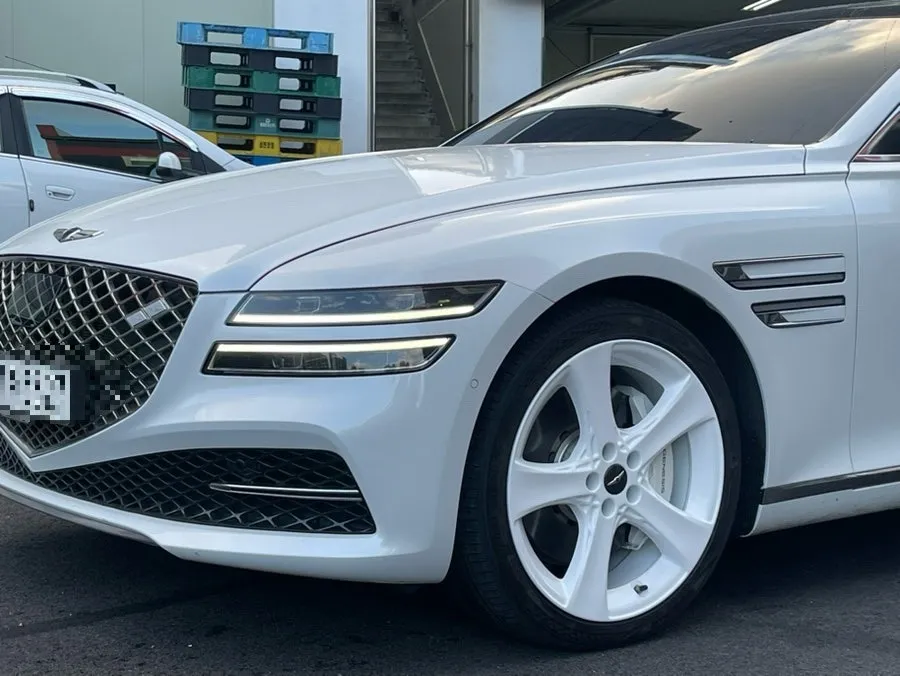
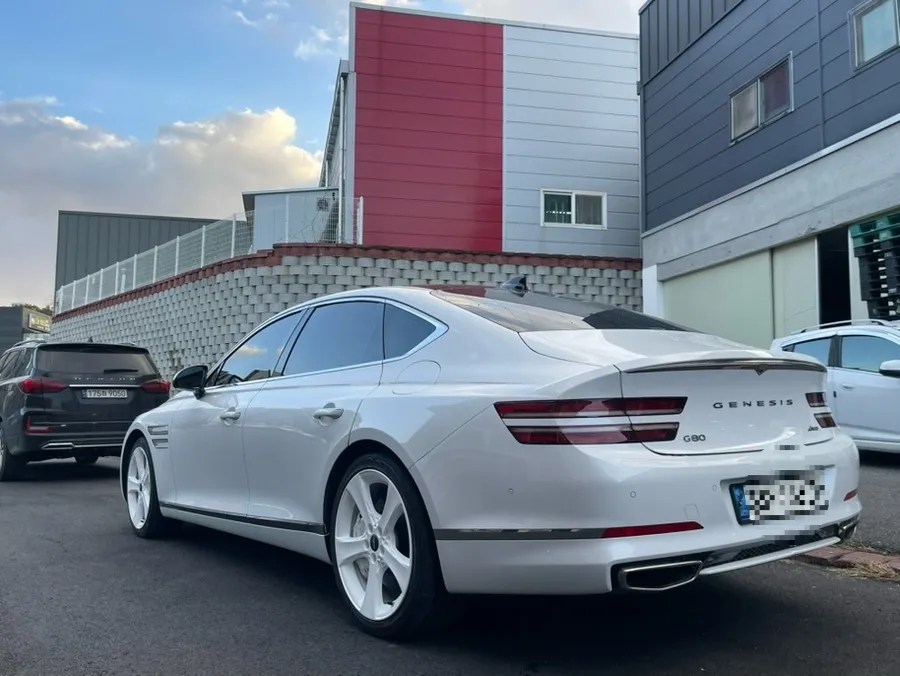
Genesis G80 white wheel painting: Approx. $75-$115. Powder coating offers superior durability and a unified luxury look.
Transforming Your Genesis G80 with Wheel Painting
For owners of premium sedans like the Genesis G80, especially those with a striking white exterior, the choice of wheel color can be a significant aesthetic consideration. The common dilemma is whether to stick with the original wheel color, which might feel understated, or to opt for a custom finish that enhances the vehicle's overall presence. This review delves into a specific case: a Genesis G80 with a pure white exterior that received a complete wheel and caliper painting using powder coating for a unified, sophisticated look. We'll explore the actual process, the impact of this customization, and what makes powder coating a superior choice for luxury vehicles.
Powder Coating vs. Standard Paint: Understanding the Difference
When considering wheel painting, it's crucial to understand the different methods available. Standard liquid paint (urethane-based) is a more budget-friendly option, but its durability is limited. Exposed to sunlight and road conditions, it can lose its luster and begin to peel within one to two years. In contrast, powder coating involves applying a dry powder that is then cured under high heat. This process creates a significantly harder finish, with a hardness rating of 3H or higher, and offers excellent UV resistance. Powder-coated wheels typically last three to five times longer than conventionally painted wheels, maintaining their gloss and integrity. While powder coating involves a slightly higher initial cost and requires a 48-hour curing period post-application, its superior longevity and finish quality make it the preferred choice for high-end vehicles like the Genesis G80.
The Impact of White Wheel Painting on a Genesis G80
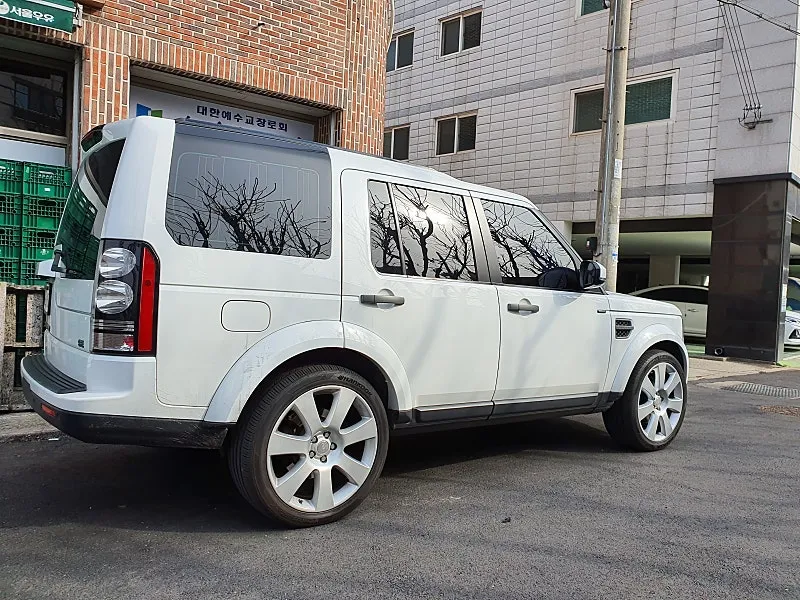
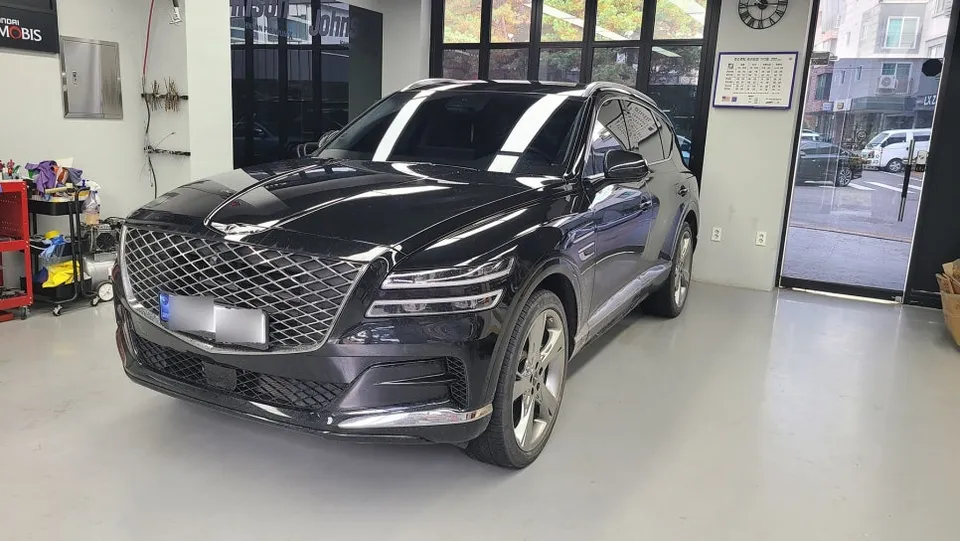
Imagine a Genesis G80 with a white exterior and standard black wheels – it's elegant but conventional. Now, picture the same car with its wheels and calipers painted in a matching white finish. The effect is transformative; the vehicle appears as a cohesive, meticulously designed package. Glossy white wheels, especially on larger diameters like the 20-inch wheels featured in this case, create a striking visual impact, appearing sharp and clean under sunlight. Initially, the owner expressed concerns about white wheels appearing too flashy or easily showing dirt. However, the final result proved the opposite: the unified color scheme lent the G80 an even more refined and luxurious aesthetic.
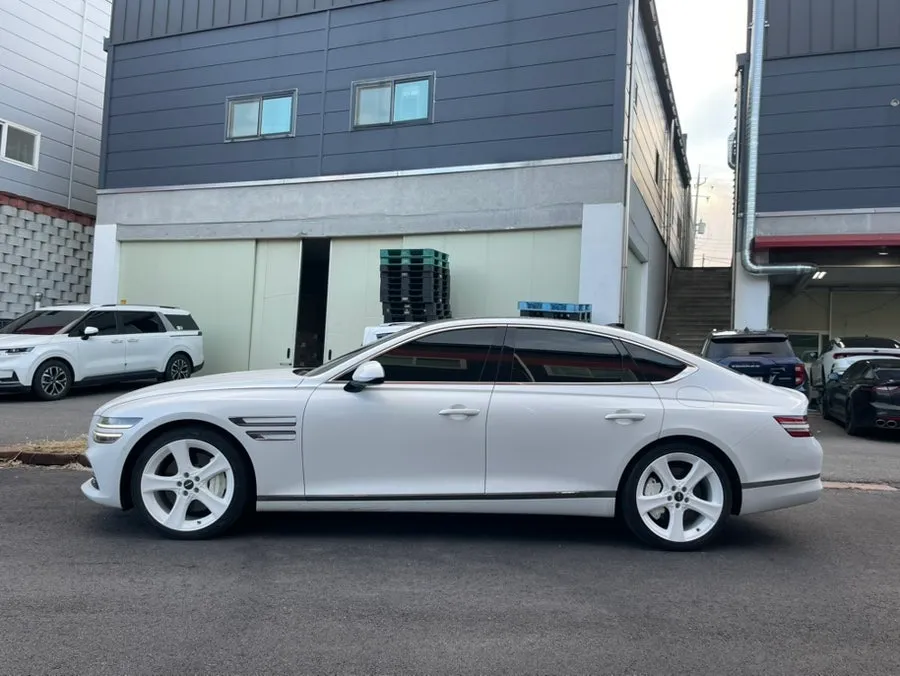
The Wheel Painting Installation Process: A Detailed Look
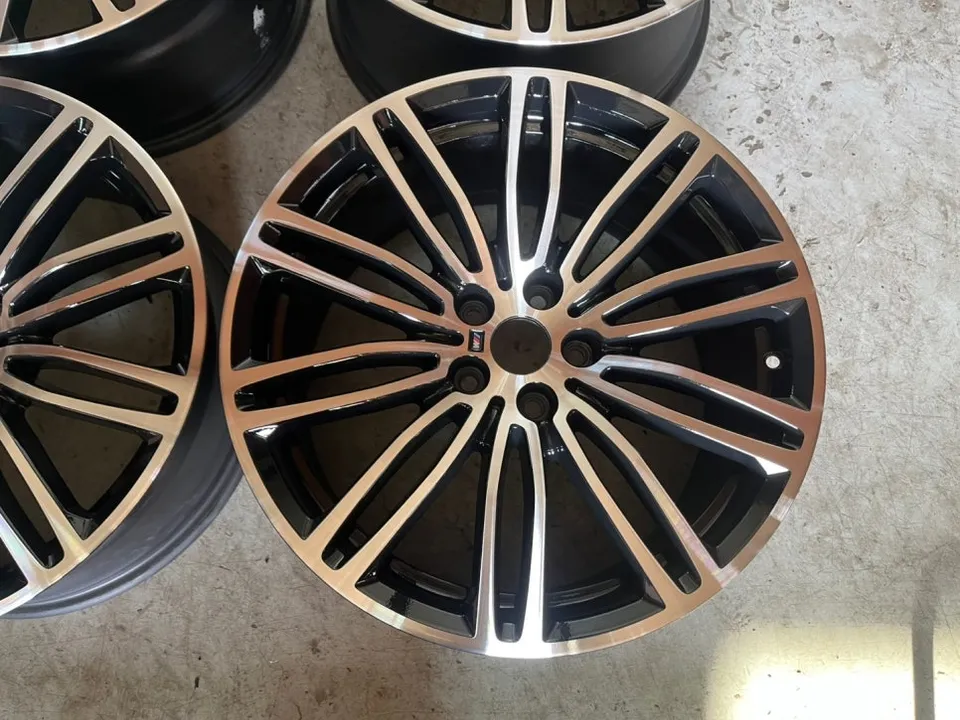
Refinishing wheels, particularly with powder coating, is a meticulous process that goes beyond a simple spray job. It begins with the complete removal of the wheels from the vehicle. Each wheel is then thoroughly inspected for any hidden damage, such as scratches or chips, which must be repaired before the coating process can begin. The Genesis G80 in this case featured stylish 20-inch wheels with a modern design, which were to be completely transformed into a white finish.
How it works:
- Surface Preparation: This is the most critical stage, accounting for about 80% of the final result's quality. It involves detailed sanding to create a uniform surface, followed by thorough cleaning to remove all contaminants and dust. Precision is key, especially on inner barrel and edge areas.
- Powder Application: Using an electrostatic process, the dry powder coating is applied evenly to the prepared wheel surface.
- Curing: The coated wheels are then placed in a high-temperature oven (over 200°C or 392°F) where the powder melts and fuses, chemically bonding to the metal to form a durable, hard shell.
- Cooling and Inspection: After curing, the wheels are allowed to cool completely before a final inspection ensures the finish meets quality standards.
The success of powder coating hinges on this rigorous preparation. Without meticulous sanding, cleaning, and drying, the powder will not adhere properly, compromising the finish's longevity and appearance. The images showcase the detailed preparation, ensuring every part of the wheel, including the often-overlooked inner sections, is perfectly prepped for the coating.
Once the preparation is complete, the actual powder coating takes place. The dry powder is electrostatically charged and applied to the wheel. When heated in the oven, the powder melts, flows, and chemically reacts to form an exceptionally strong, integrated layer that is highly resistant to chipping and peeling. This robust coating ensures the aesthetic transformation lasts for years.
Frequently Asked Questions
Q. How much does wheel repair cost for a Genesis G80?
The estimated cost for wheel repair and painting for a Genesis G80 in this review was approximately $75–$115. Typical wheel repair costs in the US can range from $100 to $300 per wheel, depending on the damage and service.
Q. Can curb rash be fully repaired on Genesis G80 wheels?
Yes, curb rash and minor damage can typically be fully repaired during the wheel refinishing process, restoring the wheel's appearance. For long-term durability, regular cleaning and avoiding harsh chemicals are recommended maintenance tips.
Q. Is wheel repair or replacement cheaper for a Genesis G80?
Wheel repair and refinishing are significantly cheaper than full wheel replacement for a Genesis G80. This service is ideal for owners looking to restore damaged wheels or customize their appearance without the high cost of new wheels.
Q. How is wheel curb rash repaired on a Genesis G80?
Wheel curb rash repair typically involves several steps: 1. The damaged area is carefully sanded down to remove imperfections. 2. The wheel undergoes thorough cleaning and preparation. 3. Primer and paint are applied, followed by a protective clear coat. 4. The finish is cured to ensure durability.
Q. What is the difference between wheel refinishing and full replacement for a Genesis G80?
Wheel refinishing repairs and repaints existing wheels, offering a cost-effective way to restore or customize their look. Full replacement involves purchasing entirely new wheels, which is considerably more expensive but necessary for severely damaged or structurally compromised wheels.
OhCar Partner Shop