Genesis GV80 PPF Review: Cost & Rock Chip Protection
Service Price
Est. $under approx. 400
Estimated price · Actual price may vary by shop
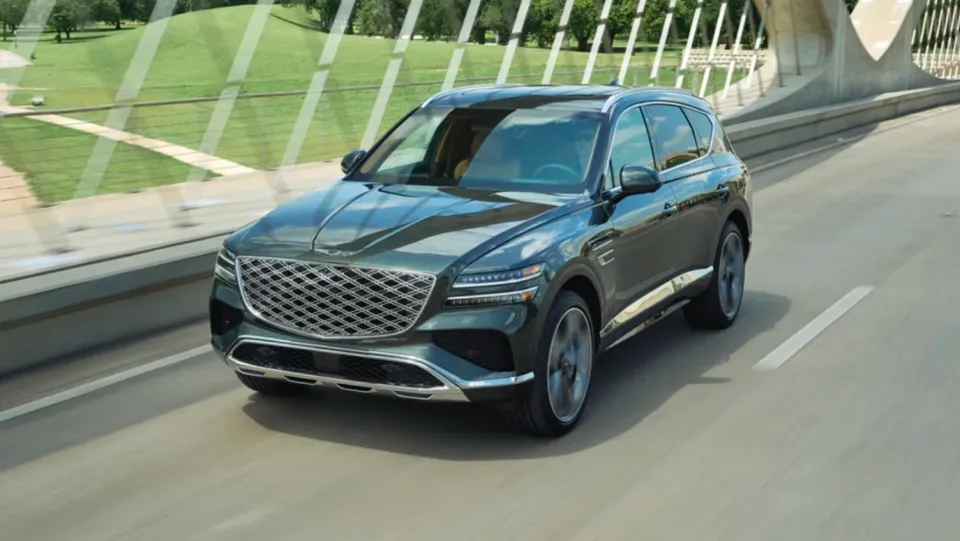
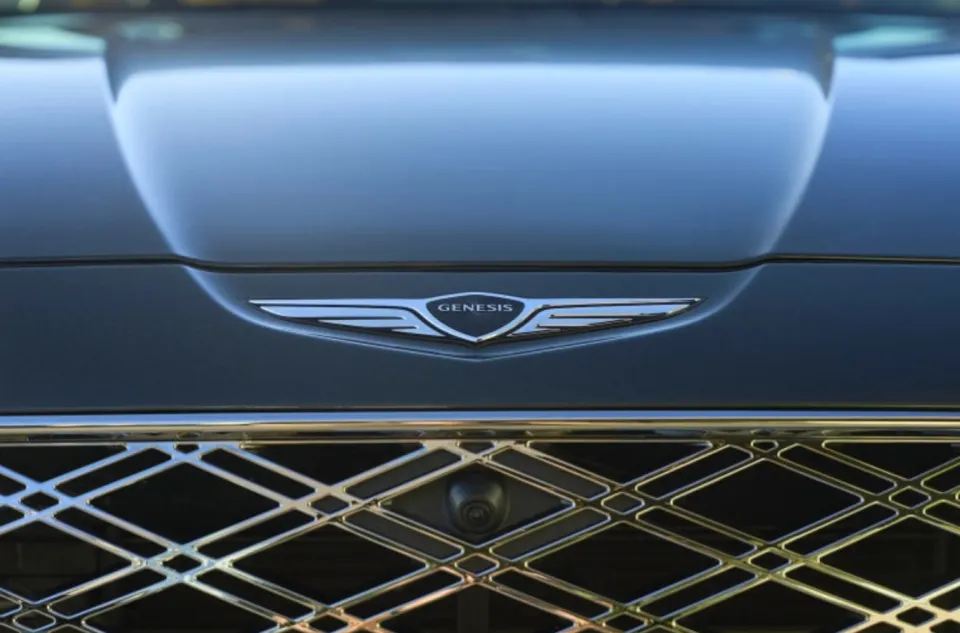
Genesis GV80 PPF installation: Approx. $750-$1500 USD. Provides excellent rock chip and scratch protection.
Genesis GV80 Paint Protection Film: A Comprehensive Review
The Genesis GV80, with its striking design and luxurious appointments, deserves the best protection. One popular option for safeguarding its paintwork is Paint Protection Film (PPF), often referred to as a clear bra. This review delves into the specifics of PPF for the GV80, covering installation, results, durability, and whether it's a worthwhile investment. The information presented here is based on observations and practices common in the automotive detailing industry, with context drawn from Korean market insights regarding vehicle specifications and pricing structures.
Understanding Paint Protection Film (PPF)
Paint Protection Film is a transparent, thermoplastic urethane film applied to painted surfaces of a new or used vehicle. Its primary purpose is to protect the car's paint from damage caused by everyday driving hazards such as stone chips, scratches, bug splatters, and road tar. The film is typically self-healing, meaning minor scratches can disappear when exposed to heat. For a vehicle like the Genesis GV80, which often represents a significant investment, PPF offers a robust layer of defense, preserving its pristine appearance and resale value. The cost for PPF can vary significantly based on the coverage area and the specific film used, but for a comprehensive front-end application on a luxury SUV like the GV80, you can expect pricing to be in the range of approximately ₩1,000,000 to ₩2,000,000 (roughly $750 - $1500 USD, depending on exchange rates and installer). This price reflects the material quality, the complexity of the vehicle's panels, and the skill of the installer.
Installation Process and Results
Proper installation is crucial for the effectiveness and longevity of PPF. The process requires a clean, dust-free environment and meticulous attention to detail. Here’s a general overview of how PPF is installed:
- Surface Preparation: The vehicle's paintwork is thoroughly washed, decontaminated, and clay-barred to remove any imperfections. The surface is then meticulously cleaned and often dried with specialized equipment.
- Pattern Cutting: High-precision plotters are used to cut the PPF to the exact shape of the vehicle's panels. This ensures a perfect fit and minimizes the need for trimming on the car itself.
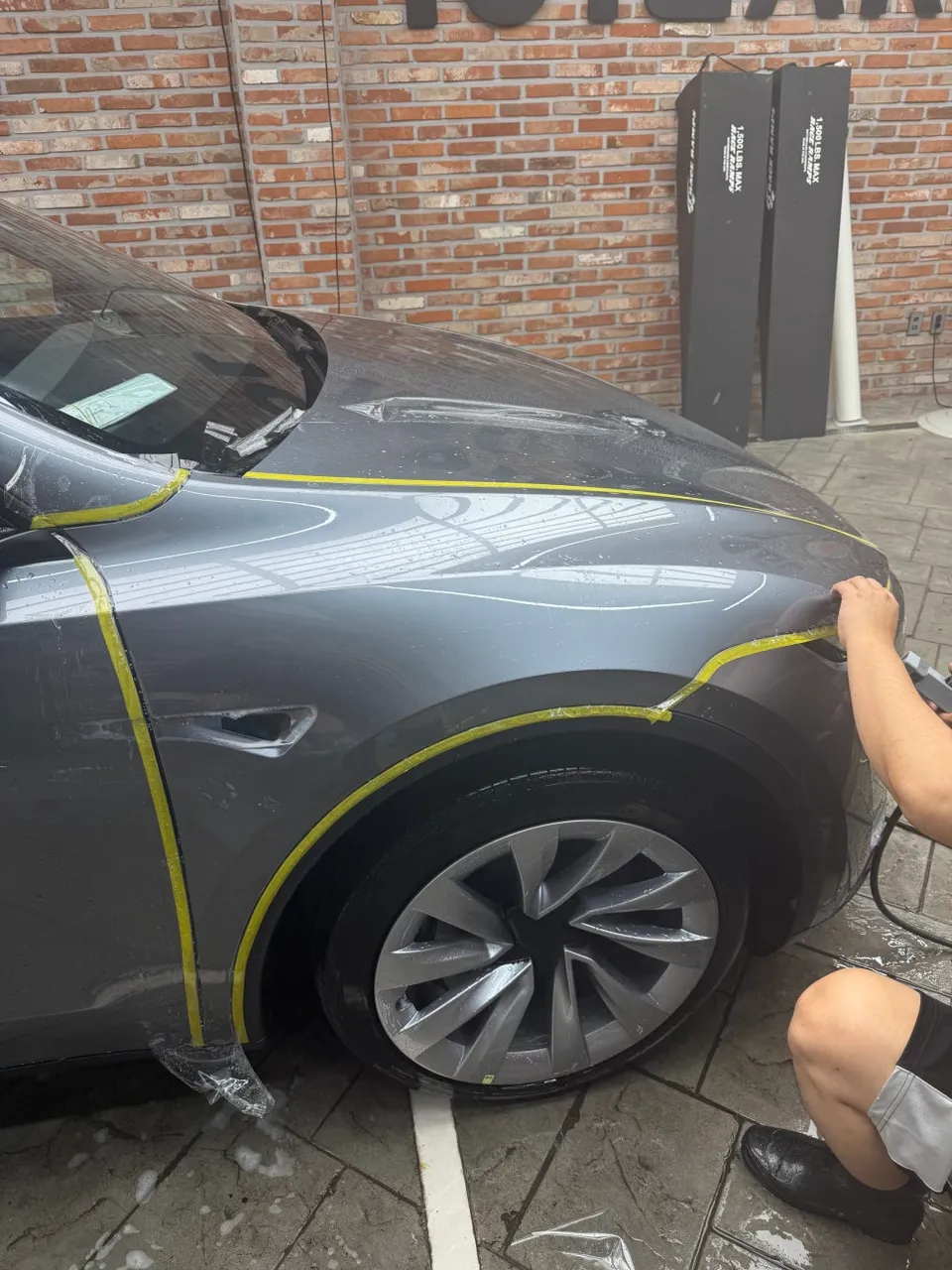
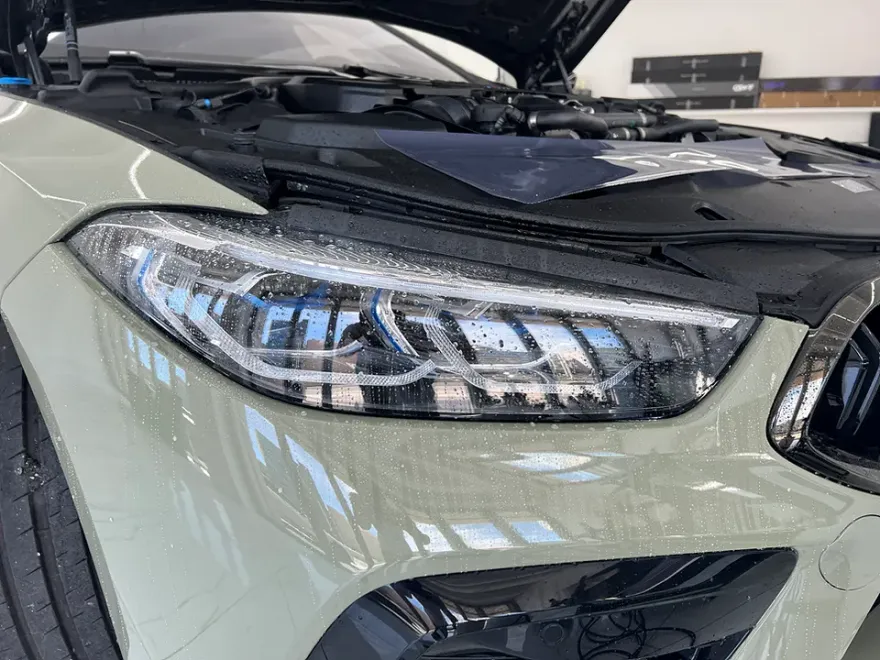
- Application: A specialized solution is sprayed onto the paint and the film's adhesive side. The film is then carefully positioned and squeegeed to remove air bubbles and excess solution, ensuring a smooth, invisible bond.
- Curing: The film needs time to cure and adhere fully to the paint. Minor imperfections or water trapped under the film typically disappear during this process.
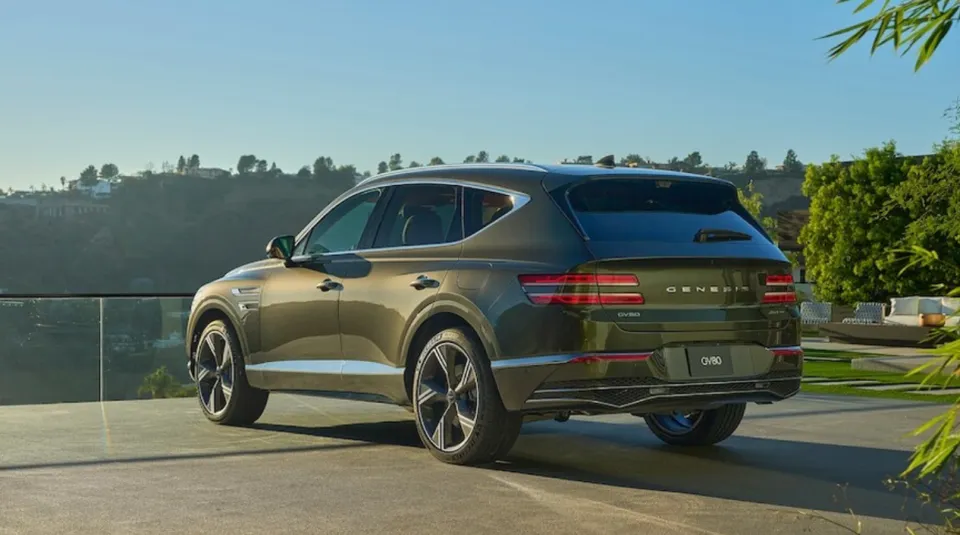
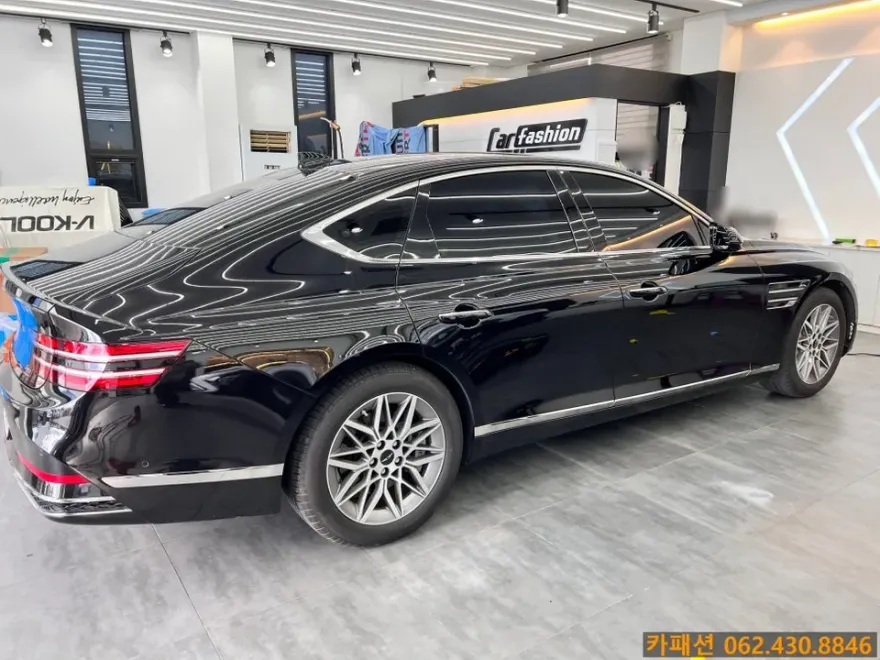
The before-and-after results of a professional PPF installation are remarkable. The film is virtually invisible once applied, maintaining the original gloss and finish of the paint. The primary benefit is the immediate protection against minor abrasions and stone chips, which are common on the front bumper, hood, and fenders of SUVs like the GV80. While the KR context mentions general vehicle information for the 2025 GV80, the application of PPF is a universal detailing service aimed at preserving such vehicles.
Durability, Maintenance, and Value
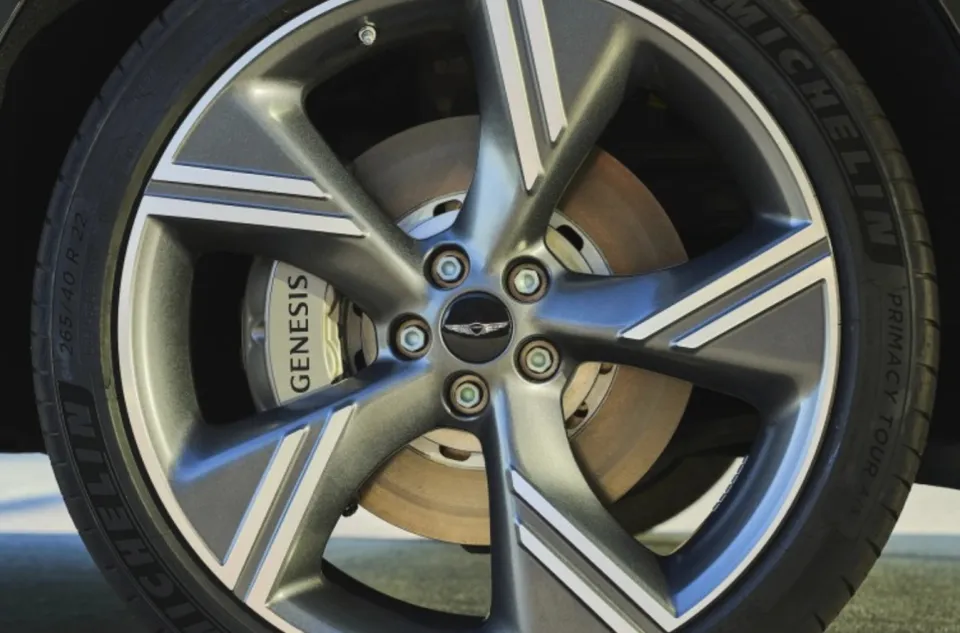
High-quality PPF typically comes with a manufacturer's warranty of 5-10 years, indicating its expected durability. However, its lifespan can be extended with proper maintenance. Regular washing with pH-neutral soaps and avoiding abrasive materials will help keep the film in excellent condition. While PPF offers superior protection against physical damage, it does not provide the same hydrophobic properties as a ceramic coating. Some installers offer PPF with a ceramic-infused top layer, combining the benefits of both. For owners concerned about maintaining the flawless appearance of their Genesis GV80 and protecting their investment from the rigors of daily driving, PPF is often considered a highly valuable service. The upfront cost is offset by the prevention of costly paint repairs and the preservation of the vehicle's aesthetic appeal and resale value.
Frequently Asked Questions
Q. How much does PPF cost for a Genesis GV80?
For a Genesis GV80, PPF installation typically ranges from approximately ₩1,000,000 to ₩2,000,000 (roughly $750 - $1500 USD). In the US, full front-end PPF installations can range from $600 to $2,000 depending on coverage and film quality.
Q. How long does PPF last on a Genesis GV80?
High-quality Paint Protection Film is designed to last 5-10 years, depending on the brand and maintenance. To maximize its lifespan, regularly wash the film with pH-neutral soaps and avoid abrasive cleaning tools.
Q. Is PPF worth it for a Genesis GV80?
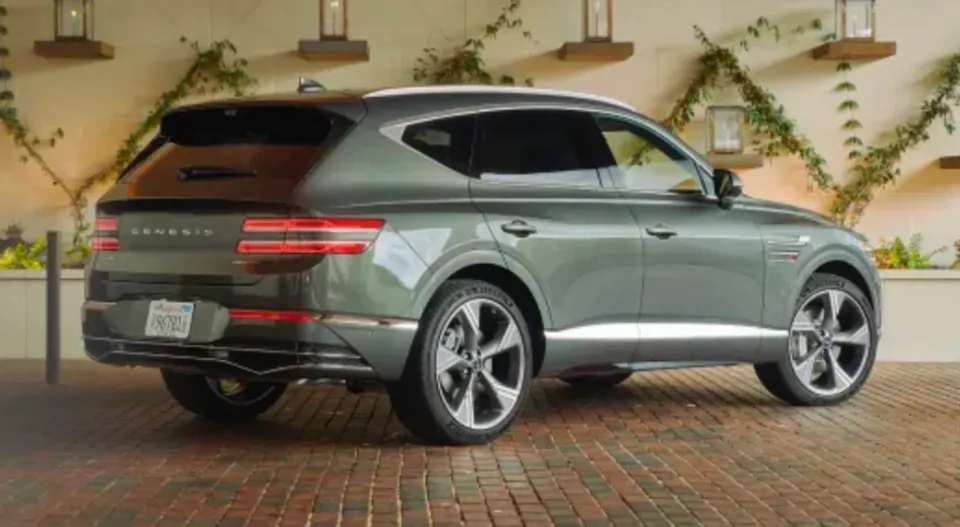
PPF is highly recommended for Genesis GV80 owners who prioritize maintaining a pristine paint finish and protecting against common road hazards. The investment in PPF can prevent costly paint repairs and preserve the vehicle's resale value.
Q. How is PPF installed on a Genesis GV80?
PPF installation involves meticulous surface preparation, precise pattern cutting of the film, careful application using a specialized solution and squeegees to remove air bubbles, and a curing period. The goal is a smooth, invisible layer of protection.
Q. What is the difference between PPF and ceramic coating for a Genesis GV80?
PPF provides superior physical protection against scratches and chips, while ceramic coating offers enhanced gloss and hydrophobic properties for easier cleaning. Many owners opt for PPF on high-impact areas and ceramic coating over the entire vehicle for comprehensive protection.
OhCar Partner Shop
More ppf Reviews
See all →
More Genesis Reviews

Pair with Another Service
Add hydrophobic protection on top of PPF
Complete your new car protection package