Hyundai Casper Body Kit Review — Installation & Cost
Service Price
$40–80
Estimated price · Actual price may vary by shop
Before
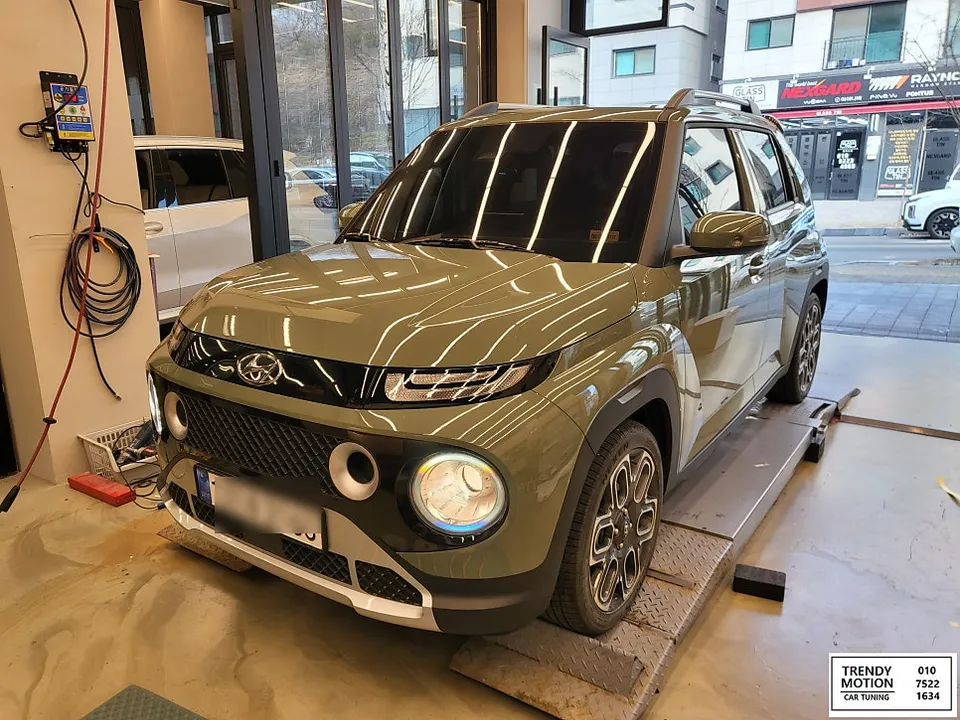
After
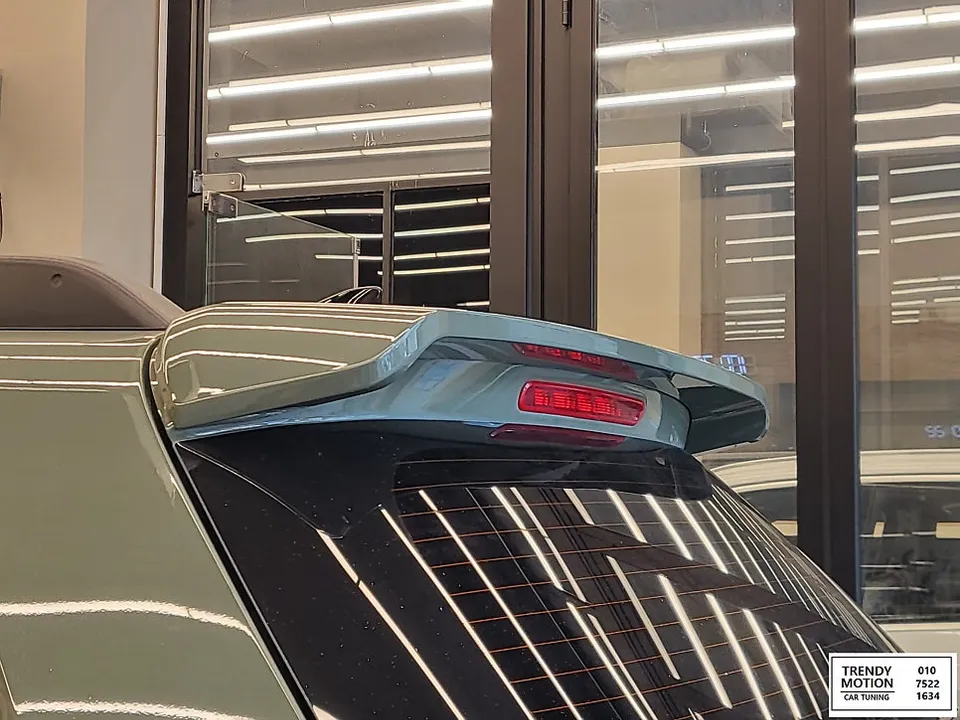
Process photos
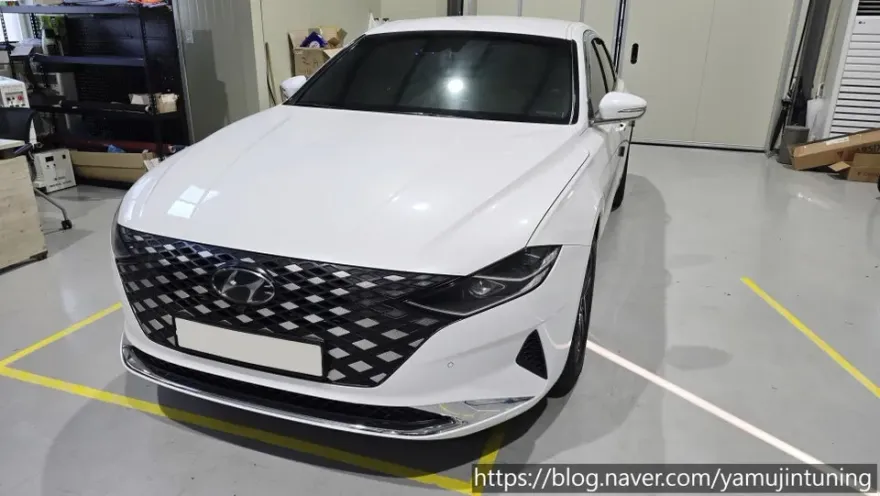
Hyundai Casper body kit installation costs range from $220-$370 for spoilers, plus $75-$220 per LED light. Enhances looks and lighting.
Enhancing Your Hyundai Casper with a Body Kit
The Hyundai Casper, known for its compact yet capable design, offers a fantastic canvas for personalization. Many owners look to add a unique touch, and a body kit is a popular way to achieve this. This review delves into the process, cost, and outcomes of installing a body kit, specifically focusing on an example involving a genuine factory spoiler and upgraded LED lighting for the Casper. While the original context details a specific installation in Korea, we'll translate the concepts and costs into terms relevant for US/UK audiences.
Hyundai Casper Body Kit Installation Process
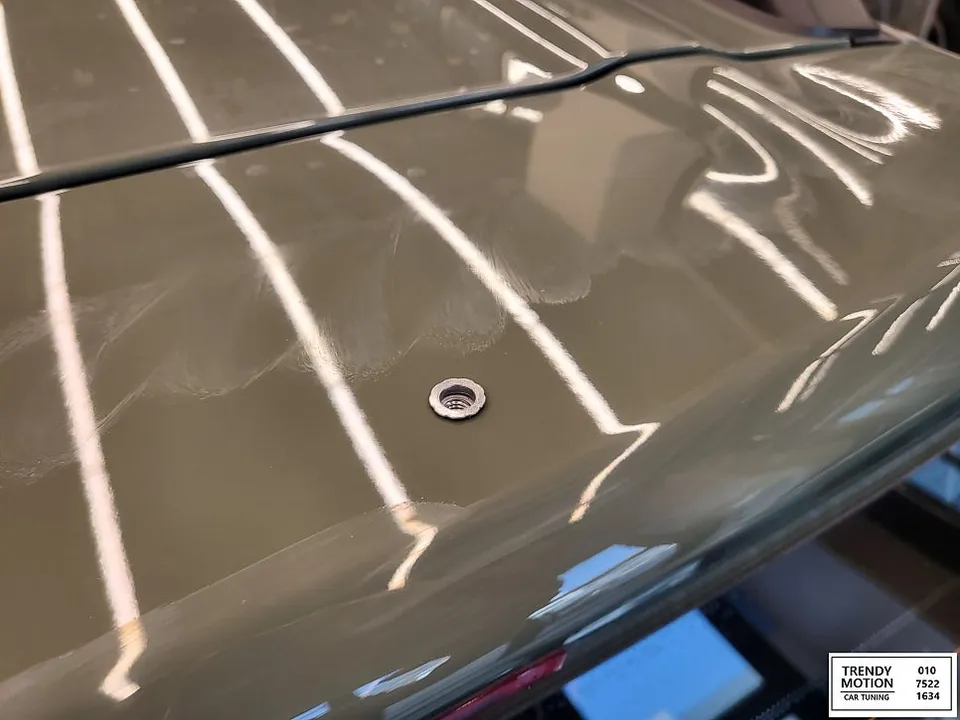
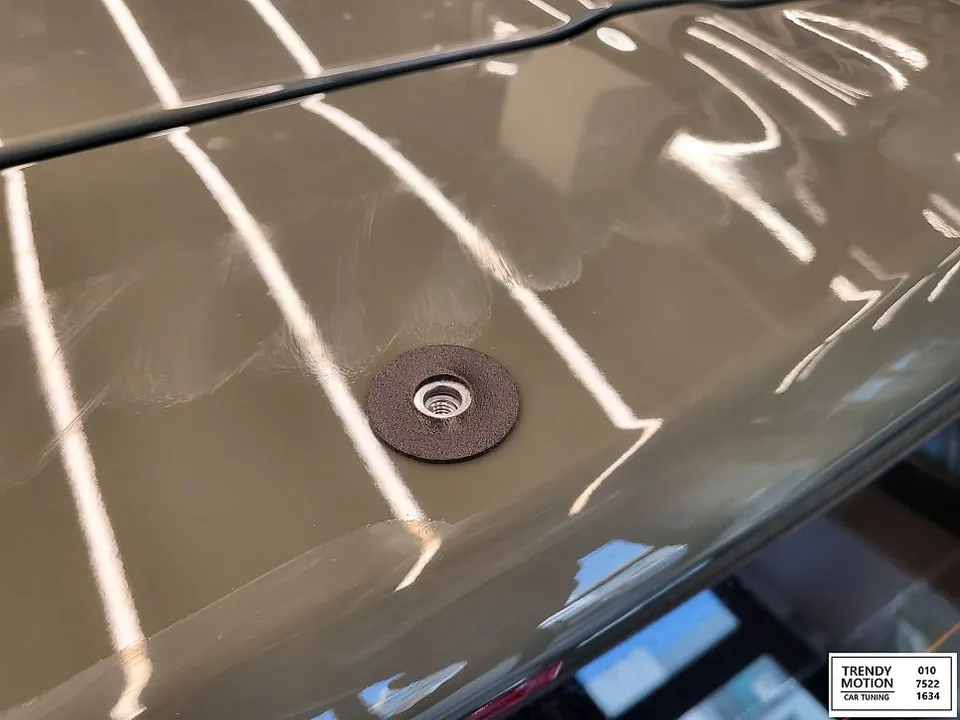
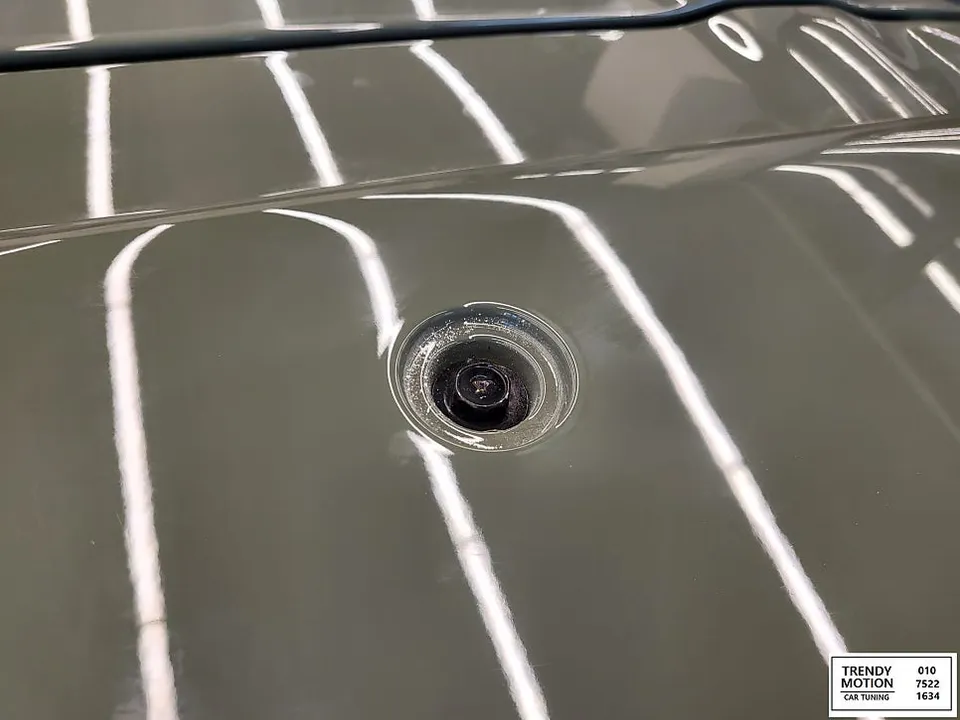
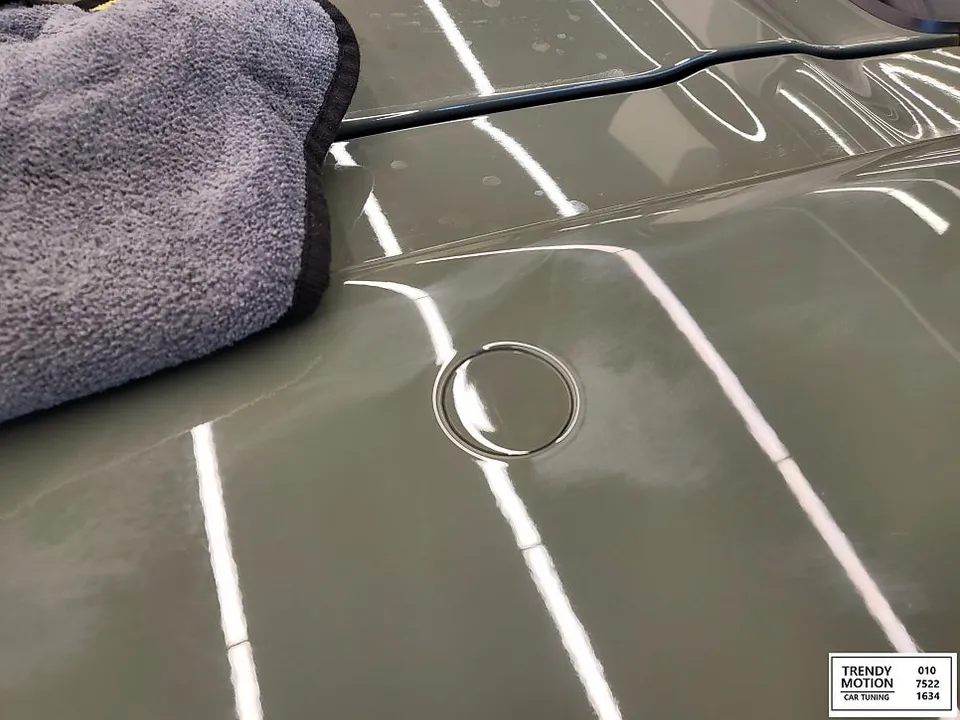
Installing a body kit, whether it's a full aero kit or individual components like a front lip or side skirts, requires careful attention to detail. In the case of the Hyundai Casper, the process for a genuine factory spoiler involves securely attaching it to the vehicle's chassis. This typically includes inserting pop-nuts into the sheet metal for a robust connection, followed by tightening bolts to ensure the spoiler remains firmly in place, even during driving. This method ensures stability and prevents the spoiler from detaching, unlike some aftermarket options that might rely on less secure methods.
For components like the Casper's genuine spoiler, pre-painting is often done to perfectly match the vehicle's original body color. This ensures a seamless integration, making the addition look like it was factory-installed. The result is a refined side profile that significantly enhances the vehicle's aesthetic appeal. Beyond spoilers, other body kit elements like front lips and side skirts follow similar principles, focusing on secure mounting and a clean finish to complement the Casper's distinctive design.
Before & After: Upgraded Lighting and Aesthetics
The transformation doesn't stop at exterior panels. Upgrading lighting elements can dramatically alter the Casper's presence. For instance, replacing standard headlights with LED units can provide a crisper, more modern white light, distinct from the original yellowish hue. This upgrade not only enhances the vehicle's front-end styling, creating a cohesive look with daytime running lights, but also improves nighttime visibility. The original context highlights an upgrade to Bravio-certified LED lights, which offer improved brightness and clarity for headlights, turn signals, and even reverse lights. Clearer, more defined turn signals reduce light scattering, increasing safety, while brighter reverse lights aid in safer parking maneuvers.
The visual impact of these changes is significant. The addition of a spoiler refines the vehicle's lines, giving it a sportier stance. Coupled with the improved illumination from LED lighting, the Casper appears more premium and visually engaging. The overall effect is a vehicle that not only looks better but also performs more safely, especially in low-light conditions. This combination of aesthetic enhancement and functional improvement contributes greatly to owner satisfaction.
Body Kit Cost, Durability, and Value for Your Casper
When considering a body kit for your Hyundai Casper, understanding the costs, materials, and long-term value is crucial. In the Korean market, a genuine factory spoiler, including painting, can range from approximately 300,000 to 500,000 KRW (roughly $220-$370 USD, subject to exchange rates). Individual certified LED lighting components, such as headlights, turn signals, and reverse lights, can each cost between 100,000 to 300,000 KRW (around $75-$220 USD per item). These figures provide a baseline, and actual costs can vary based on the specific kit, brand, and installation shop.
The installation process for both a spoiler and LED lights typically takes about 2 to 3 hours to complete. Durability is a key consideration: genuine spoilers are designed to last the lifetime of the vehicle, offering excellent longevity. LED lighting components usually come with a manufacturer's warranty of at least one year. When deciding if a body kit is worth it, consider the balance between the investment and the desired outcome. For owners seeking to personalize their Casper and enhance its visual appeal and lighting performance, the cost can be justified by the significant aesthetic and functional improvements. It's important to consult with reputable installers for accurate quotes and to ensure the chosen parts meet local regulations and quality standards.
Frequently Asked Questions
Q. How much does a body kit cost for a Hyundai Casper?
In Korea, a genuine factory spoiler for the Casper costs around 300,000-500,000 KRW (approx. $220-$370 USD), while individual LED light upgrades can range from 100,000-300,000 KRW ($75-$220 USD) each. Typical US prices for aftermarket body kits can vary widely, often starting from $400-$800 for basic kits and going up significantly for premium or custom options.
Q. How long does body kit installation take on a Hyundai Casper?
The installation of a body kit, including components like spoilers and LED lights, typically takes about 2 to 3 hours to complete. Genuine spoilers are designed for the lifespan of the vehicle, offering excellent durability, while LED lights usually have a warranty of at least one year, requiring minimal maintenance beyond ensuring connections are secure.
Q. Is a body kit worth it for a Hyundai Casper?
A body kit is worth it for Hyundai Casper owners who prioritize enhanced aesthetics and improved lighting performance, offering a significant visual upgrade and functional benefits. The value proposition lies in the personalization and the sportier, more modern appearance it provides, justifying the investment for enthusiasts.
Q. How is a body kit installed on a Hyundai Casper?
Installation typically involves securely attaching components like spoilers using bolts and pop-nuts to the vehicle's chassis for stability. 1. Prepare the mounting points on the vehicle body. 2. Securely fasten the body kit components using provided hardware like bolts and nuts. 3. Ensure all connections are tight and the parts are flush with the vehicle's lines for a clean finish.
Q. What is the difference between FRP and polyurethane body kits for a Hyundai Casper?
Fiber-Reinforced Plastic (FRP) kits are generally more affordable and easier to repair but can be more brittle and prone to cracking. Polyurethane kits are more flexible, durable, and impact-resistant, making them a better long-term investment despite a higher initial cost.
OhCar Partner Shop