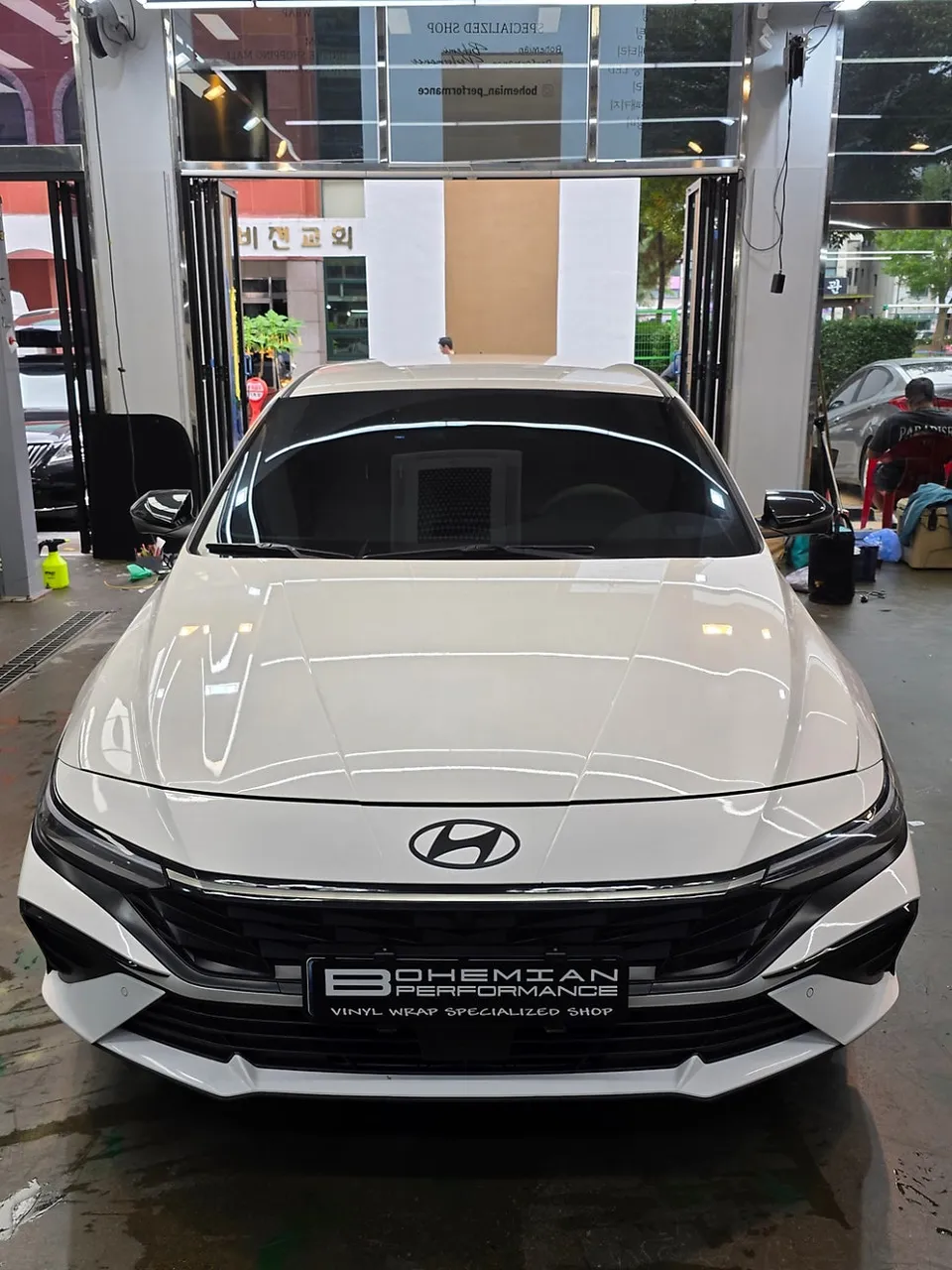
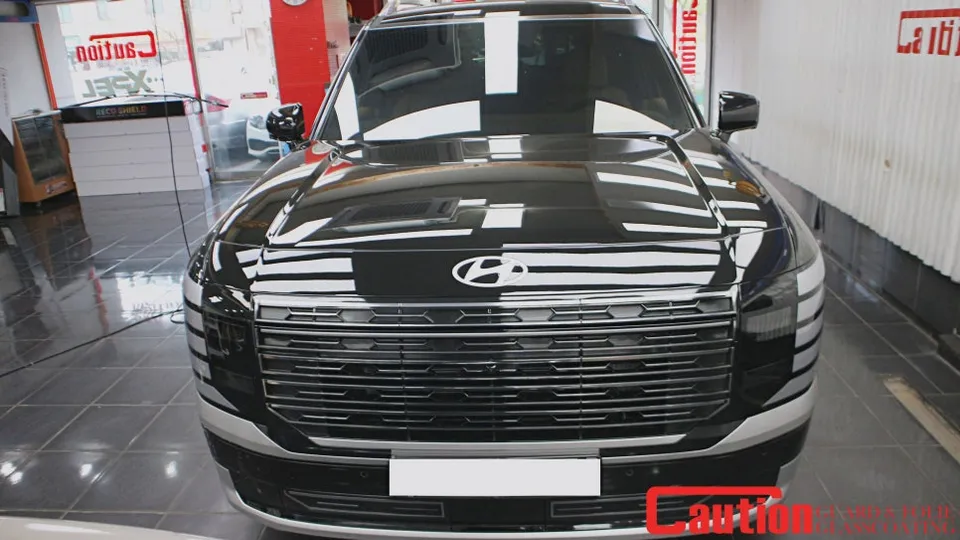
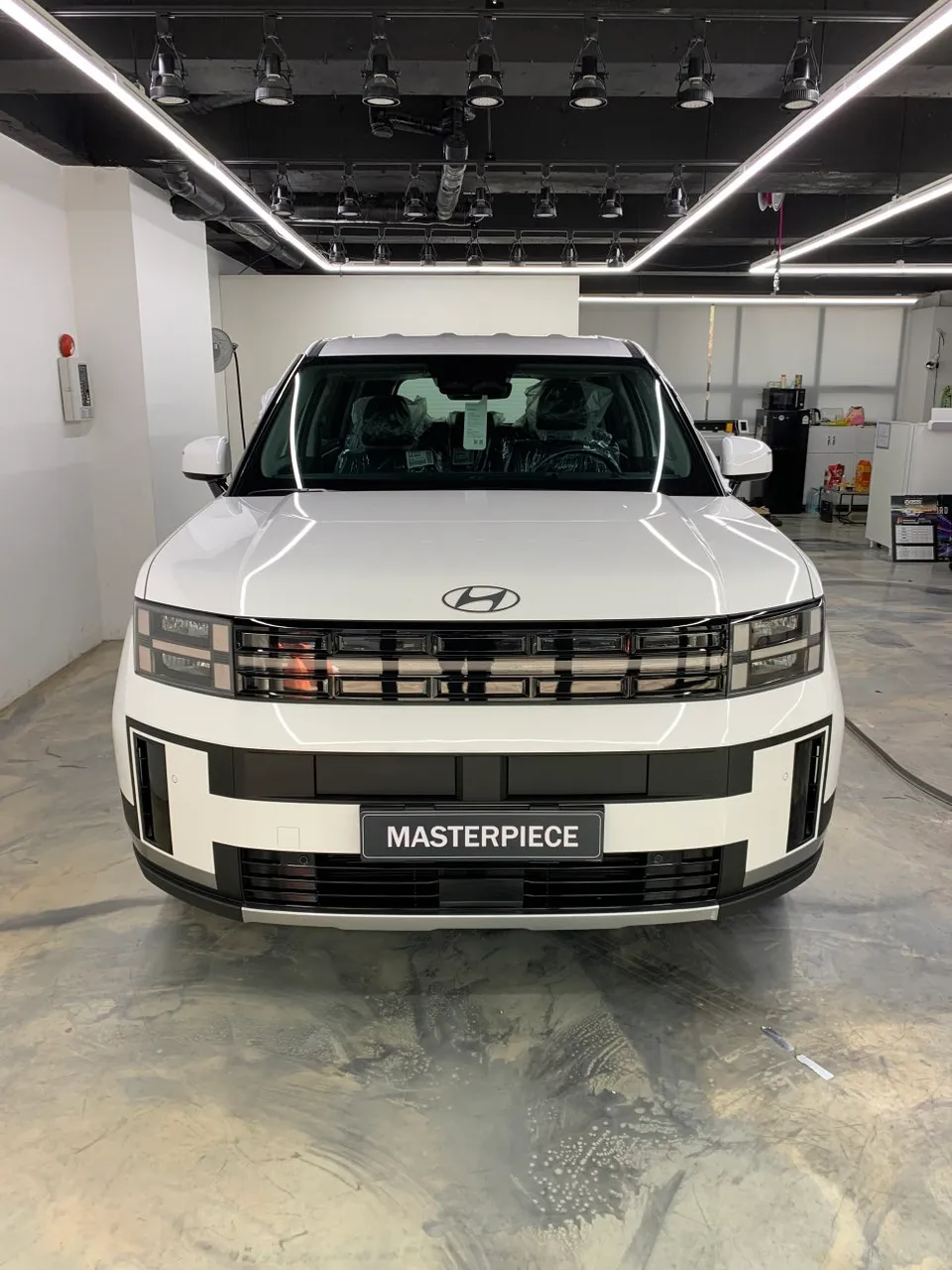
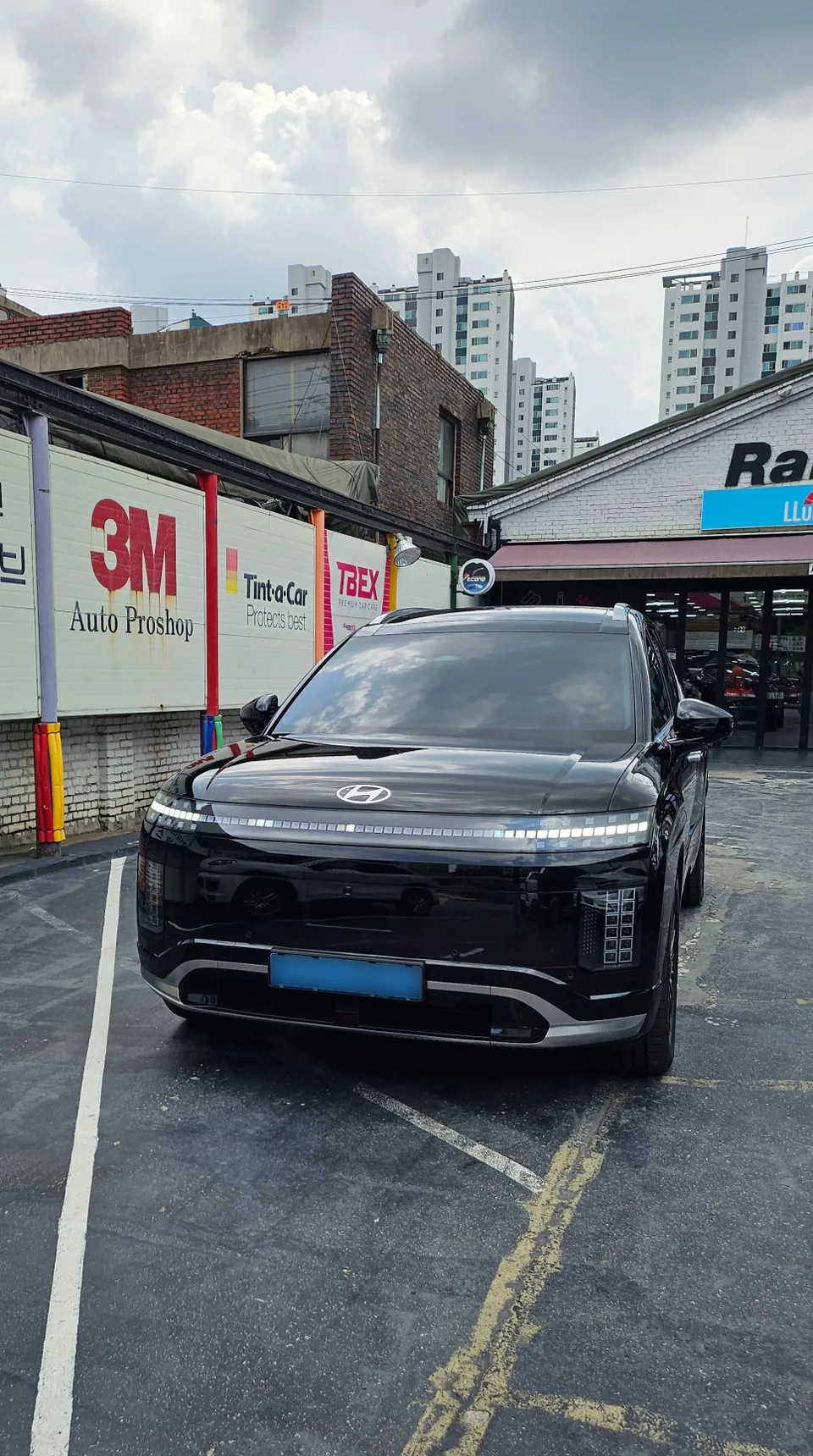
Hyundai Casper LED Lighting Upgrade Review — Enhanced Visibility
Service Price
$115–150
Estimated price · Actual price may vary by shop


Hyundai Casper LED & Blind Spot Assist upgrade: Approx. ₩400,000-₩1,000,000. Enhanced night visibility and safety.
Why Your Hyundai Casper Needs an LED Lighting and Blind Spot Upgrade
The Hyundai Casper, a compact SUV, has a lower profile that can limit forward visibility, especially at night. The stock headlights often lack the brightness needed to spot pedestrians or obstacles early. Compounding this is the inherent blind spot issue, making safe driving a challenge. This review details how a Casper owner in Hwaseong resolved both problems with a professional lighting and safety system upgrade.
This article covers: 1. The necessity and selection criteria for Casper's certified LED headlights. 2. The operation and sensor choices for blind spot detection systems. 3. The actual installation process and time involved. 4. Improvements in safety after the upgrade. 5. Maintenance and important considerations.
Certified LED Headlights for Your Casper: Legal Compliance is Key
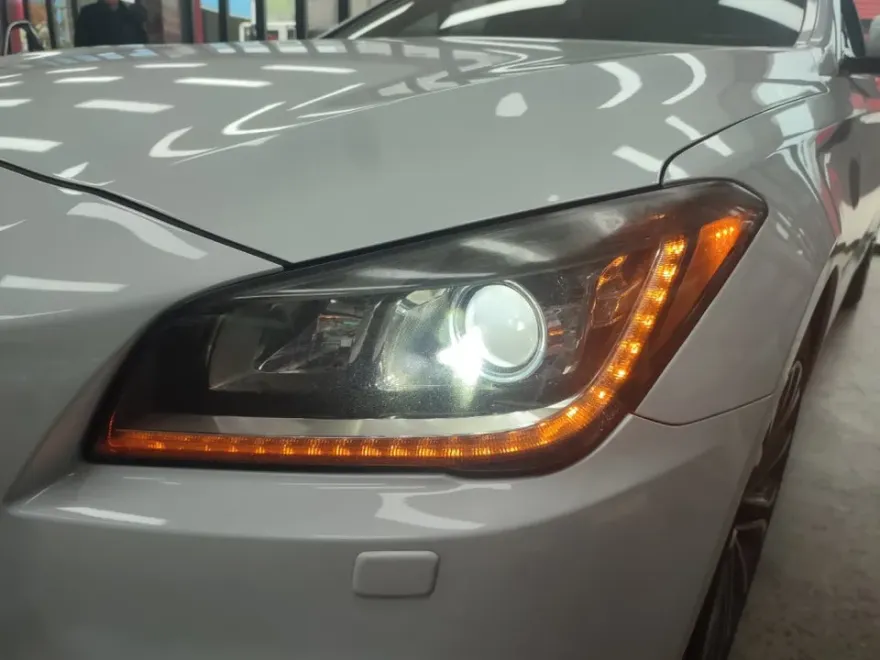
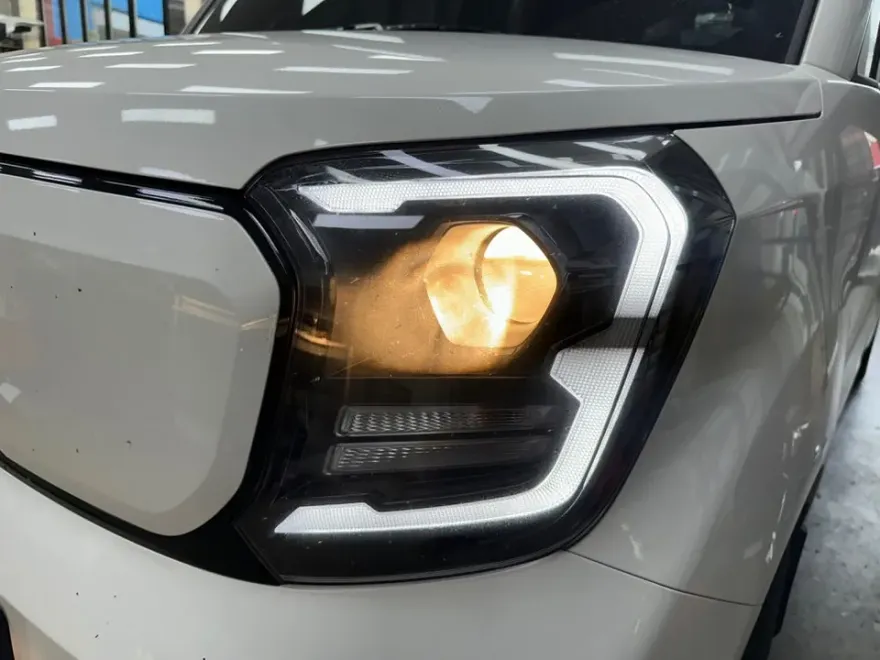
While upgrading headlights for better brightness is desirable, illegal modifications can lead to a hefty fine and inspection failure. The upgrade in this review uses Bravio's certified LED products, which come with official registration and stickers, ensuring compliance at any inspection center nationwide. These LEDs offer over 2.5 times the brightness of standard bulbs, with a color temperature of 5000K-6000K (natural white) to reduce eye strain. Their design is optimized for the Casper's reflector structure, ensuring uniform light distribution.
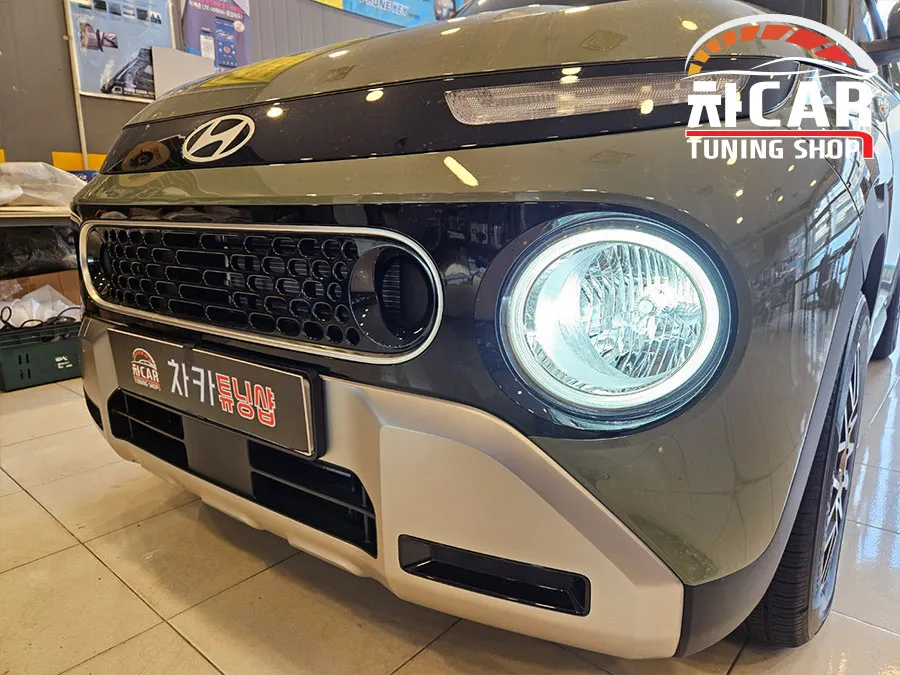
Blind Spot Detection: Seeing What You'd Normally Miss
Blind spot detection systems use sensors mounted on the rear bumper to detect vehicles and pedestrians in your blind spots. When an object is detected, an LED indicator on the side mirror illuminates, warning you of potential hazards. This significantly reduces the risk of accidents during lane changes.
There are two main sensor types: 1. BSA Sensors (Ultrasonic): These are installed with small holes in the bumper. Installation takes about 2 hours and costs approximately ₩400,000-₩600,000. However, there might be a slight detection delay of 0.3-0.5 seconds during lane changes. 2. BSD Sensors (Radar): This advanced method involves removing parts of the bumper and body to precisely embed radar sensors. Installation takes 3-4 hours and is more expensive, around ₩700,000-₩1,000,000, but offers immediate and highly accurate detection.
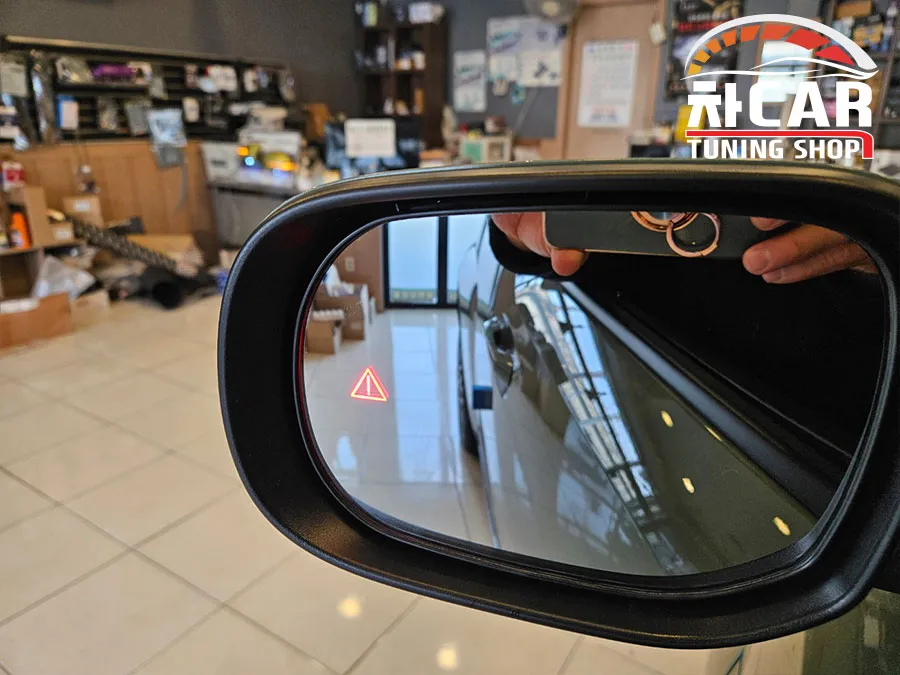
Installation Process: Step-by-Step
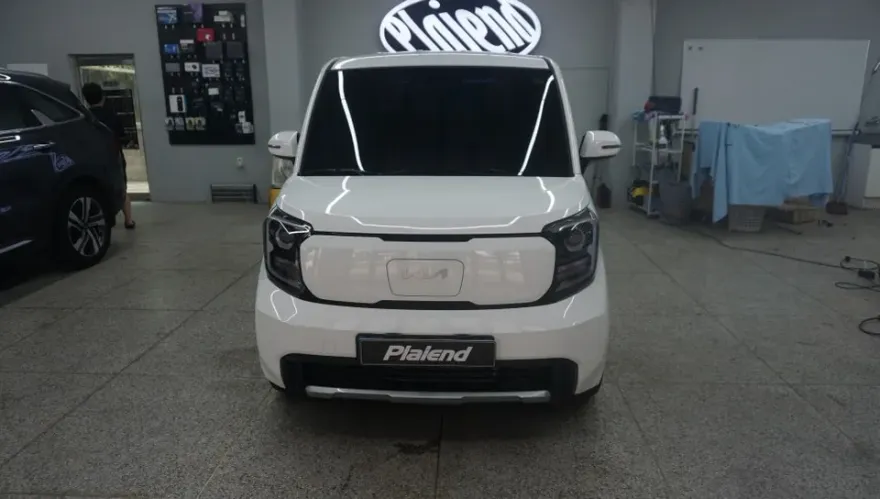
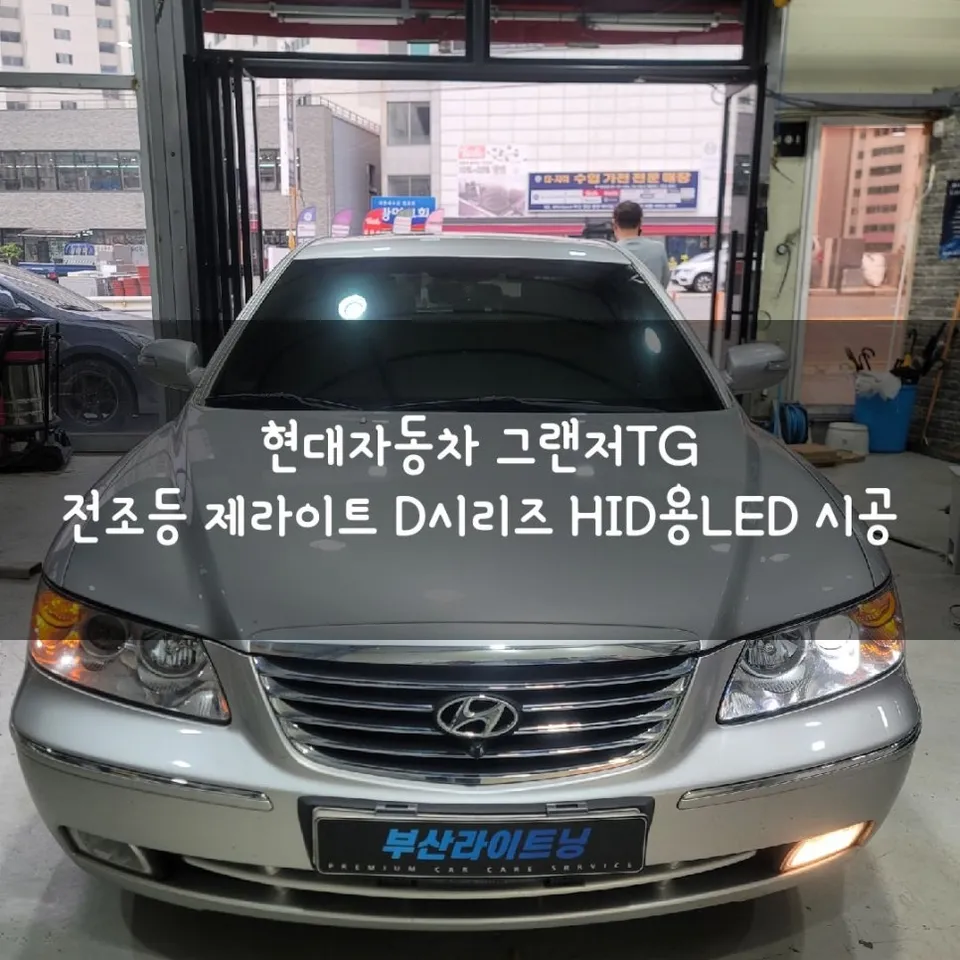
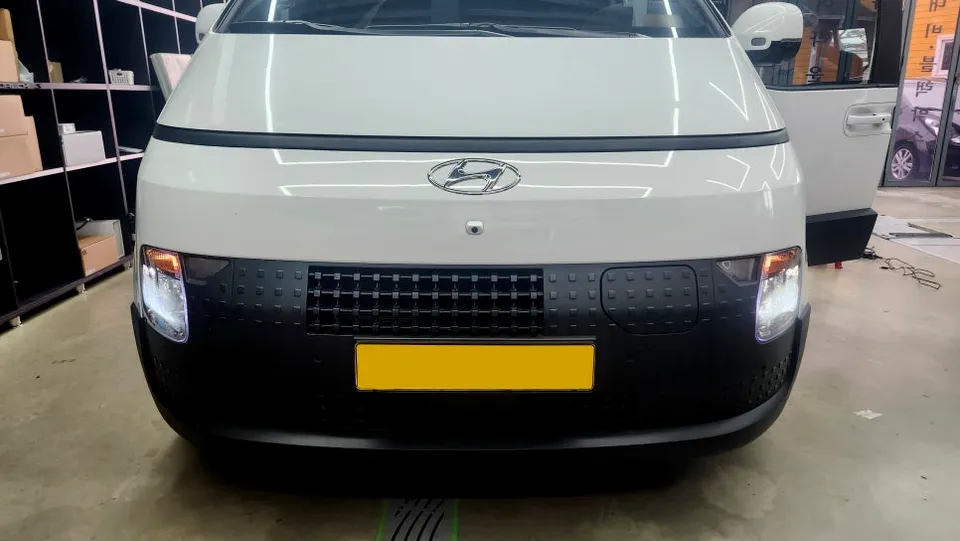
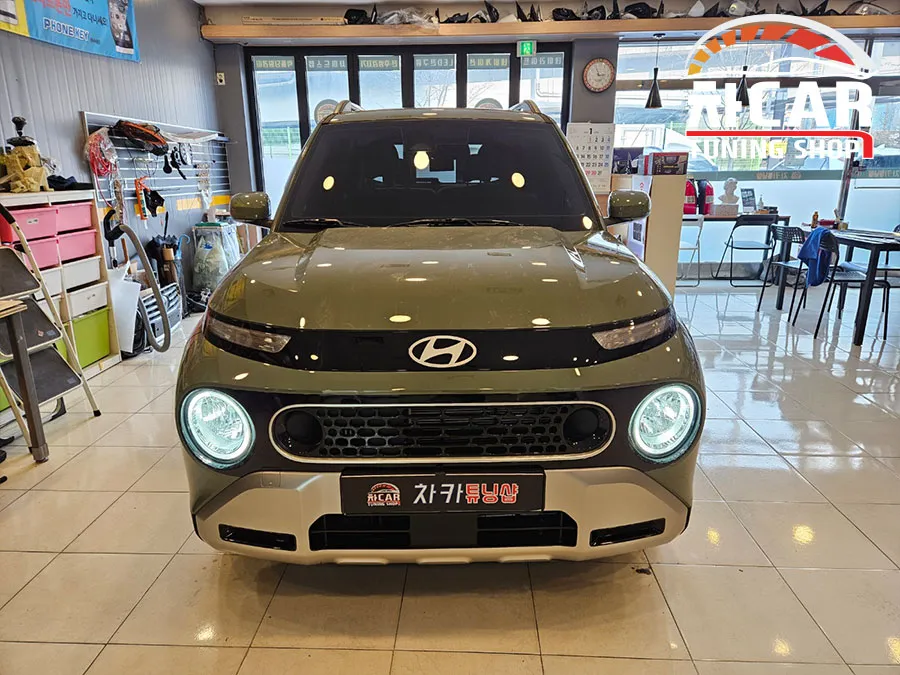
This Casper received a combination of the BSA blind spot system and certified LED headlights.
Step 1: Headlight Disassembly and Bulb Removal
The headlight assembly is removed from the vehicle, and the stock H7 halogen bulbs are taken out. Care is taken to avoid damaging the reflectors.
Step 2: LED Installation and Wiring
The certified LED kit includes a separate power supply and cooling fin (heatsink). The heatsink is mounted in the engine bay behind the light assembly, and the LED chip is positioned correctly within the reflector. A CANbus control module is connected to prevent dashboard error messages, ensuring compatibility with the vehicle's electrical system. After installation, the light pattern is checked for even distribution.
Step 3: Blind Spot Sensor Placement
Small, precise holes (approx. 2cm diameter) are made on the rear bumper on both sides to mount the BSA ultrasonic sensors.
Step 4: Wiring and System Integration
The sensors are wired to the control unit, which is typically installed inside the vehicle. The LED indicators are mounted on the inner edge of the side mirrors. All connections are secured, and the system is tested for proper function.
Step 5: Final Checks and Reassembly
The rear bumper is reattached, and all lights and systems are tested one last time. The vehicle is then ready for inspection and safe driving.
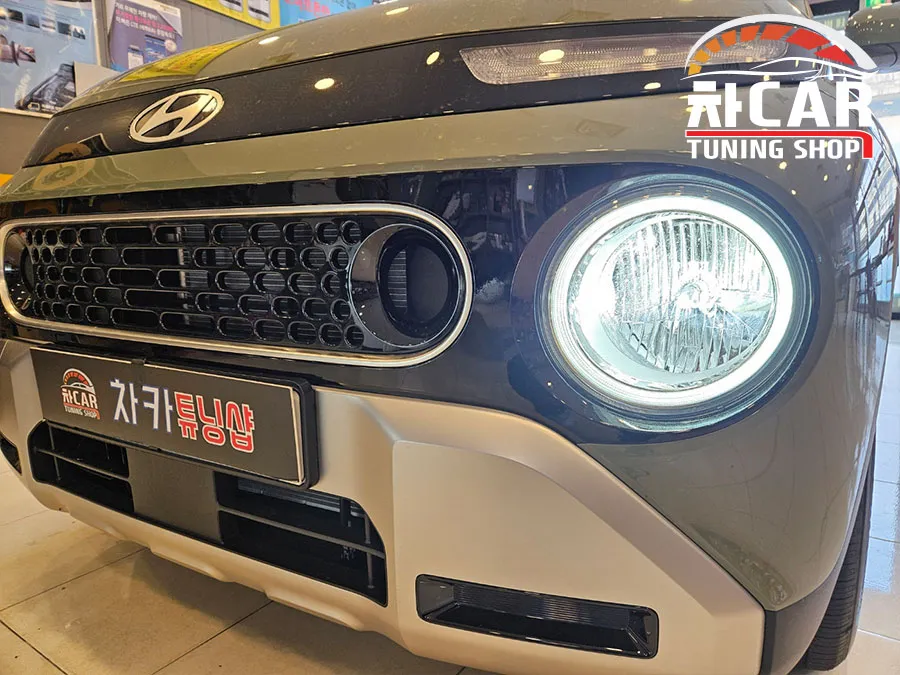
Post-Installation Safety Improvements
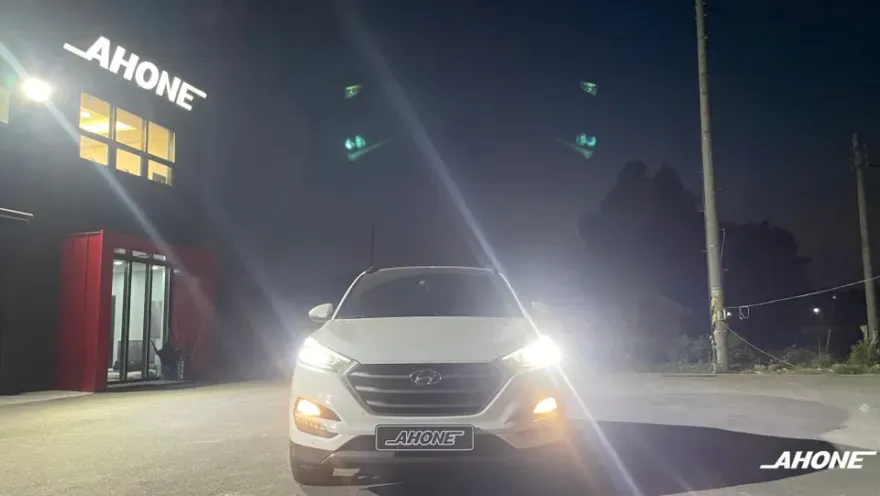
The difference in visibility with the new LED headlights is dramatic, especially on unlit roads. The added blind spot detection provides crucial alerts, significantly enhancing confidence during lane changes and merging. This upgrade transforms the Casper into a safer, more capable vehicle, particularly for night driving and navigating busy traffic.
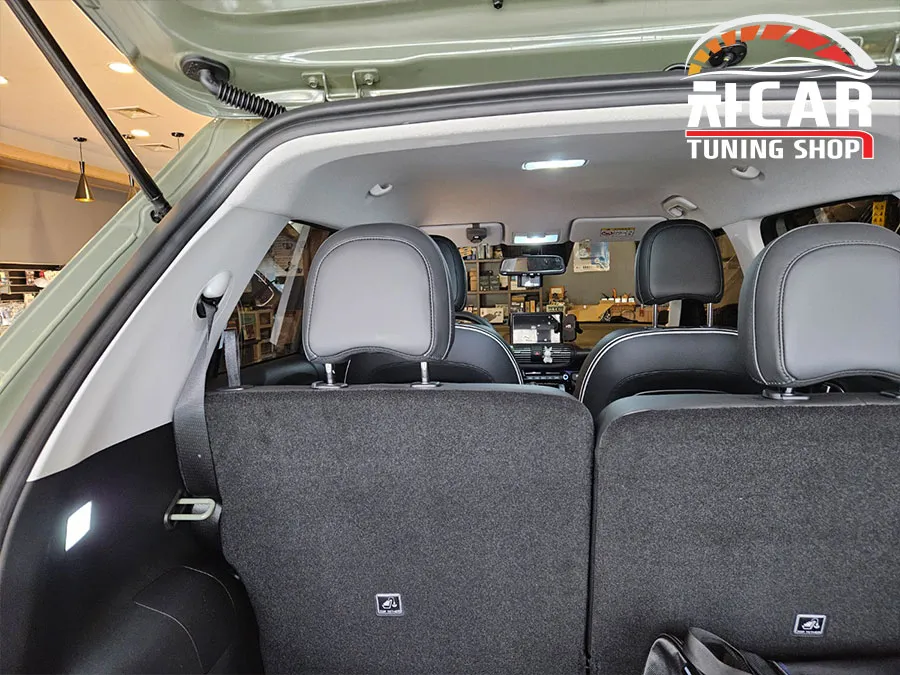
Maintenance and Precautions
Certified LEDs are designed for longevity, but occasional cleaning of the headlight lenses ensures optimal performance. For the blind spot system, ensure the sensors on the rear bumper remain clean and unobstructed by mud or debris. Avoid using high-pressure washers directly on the sensors.
Frequently Asked Questions
Q. How much does an LED lighting upgrade cost for a Hyundai Casper?
The LED headlight upgrade for this Hyundai Casper costs approximately ₩300,000-₩500,000, with blind spot sensors adding an additional ₩400,000-₩1,000,000 depending on the sensor type. In the US, similar upgrades can range from $200 to $800.
Q. How long do aftermarket LED headlights last on a Hyundai Casper?
Certified LED headlights are designed to last for tens of thousands of hours, significantly longer than traditional halogen bulbs. To maintain optimal performance, ensure the headlight lenses are kept clean and free from debris.
Q. Is an LED lighting upgrade worth it for a Hyundai Casper?
An LED lighting and blind spot upgrade is highly recommended for Casper owners who frequently drive at night or in areas with poor visibility. The enhanced safety features and improved driving experience offer significant value.
Q. How is an LED lighting upgrade installed on a Hyundai Casper?
Installation involves removing the headlight assembly, replacing the stock bulbs with certified LEDs, and connecting a CANbus module to prevent errors. Blind spot sensors are then precisely mounted on the rear bumper, wired to an in-cabin indicator, and tested.
Q. What is the difference between HID and LED headlights for a Hyundai Casper?
LED headlights offer instant illumination and a longer lifespan compared to HID (High-Intensity Discharge) lights, which require a warm-up period. LEDs are also generally more energy-efficient and durable, making them the preferred choice for modern upgrades.