Hyundai Elantra PPF Review: Rock Chip Protection & Cost
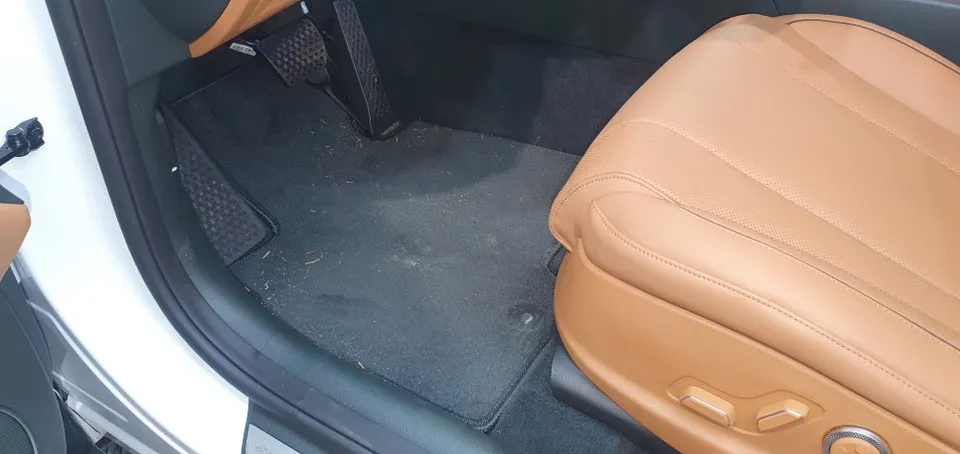
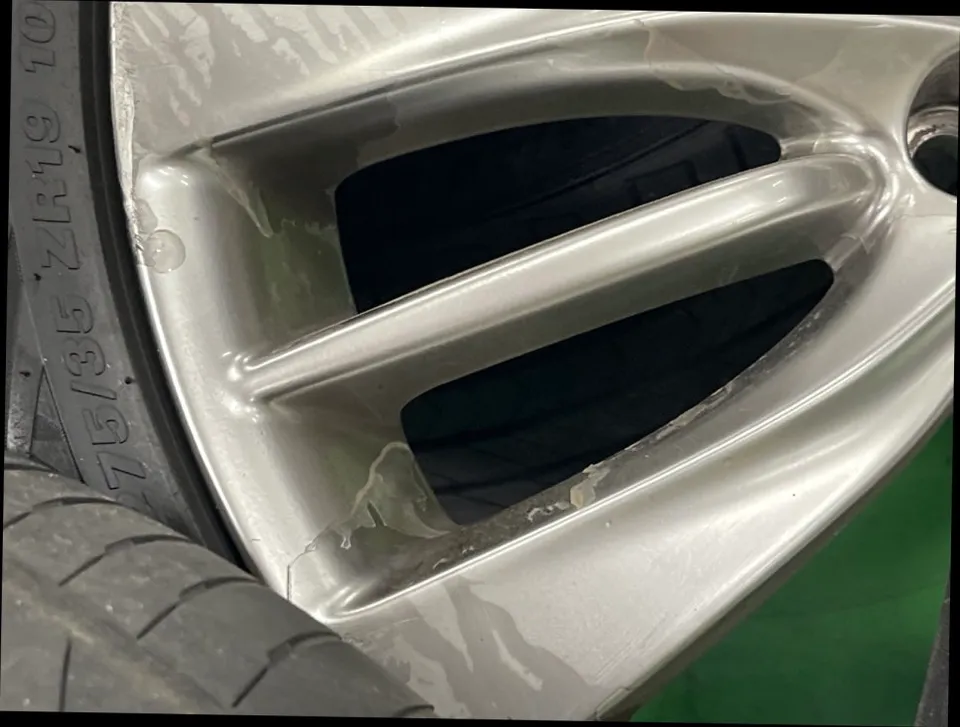
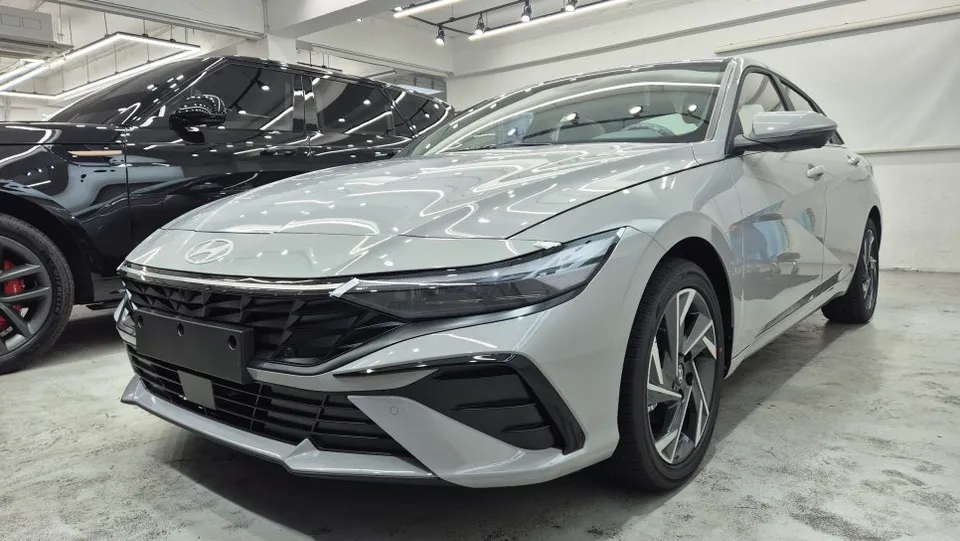
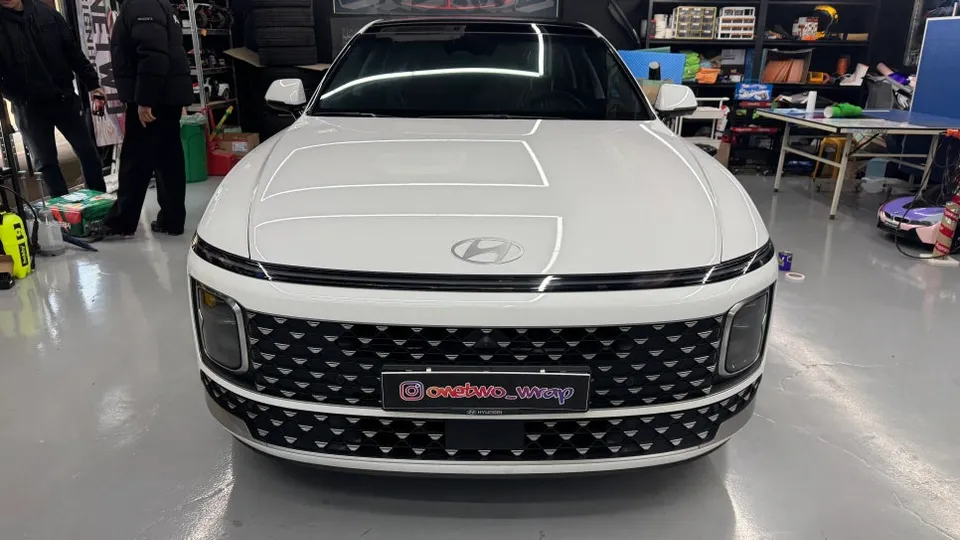
Before
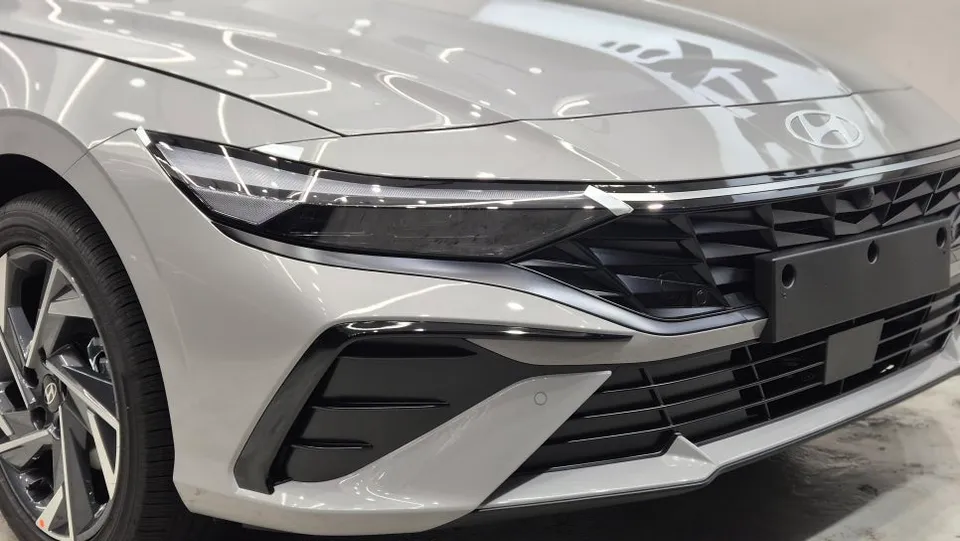
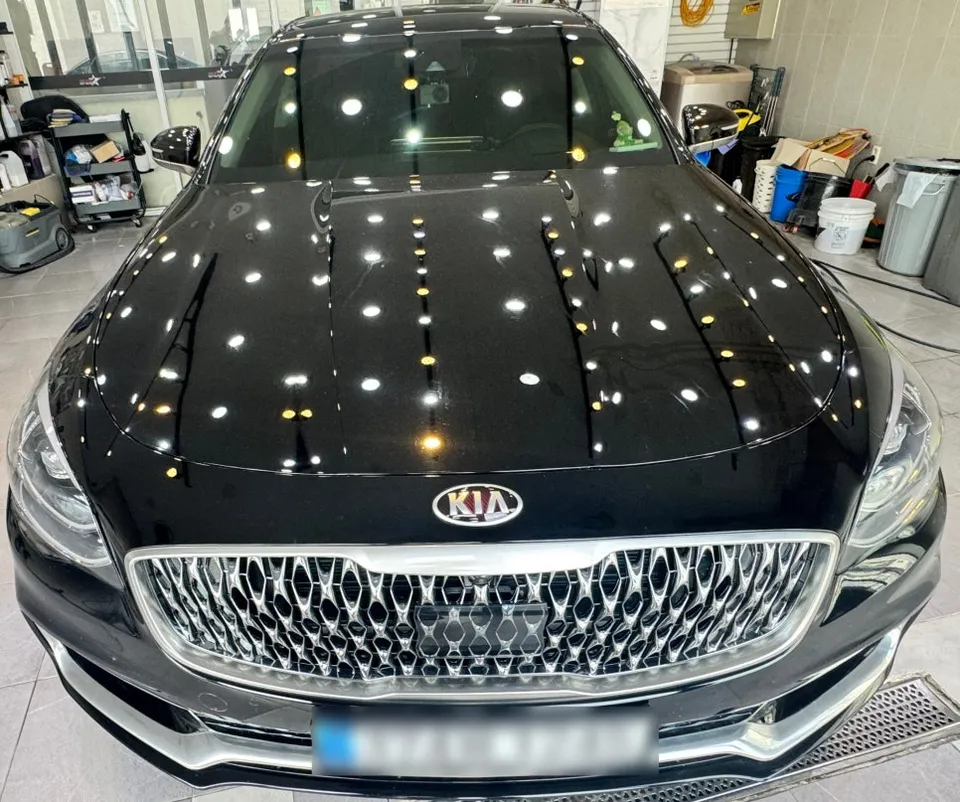
After
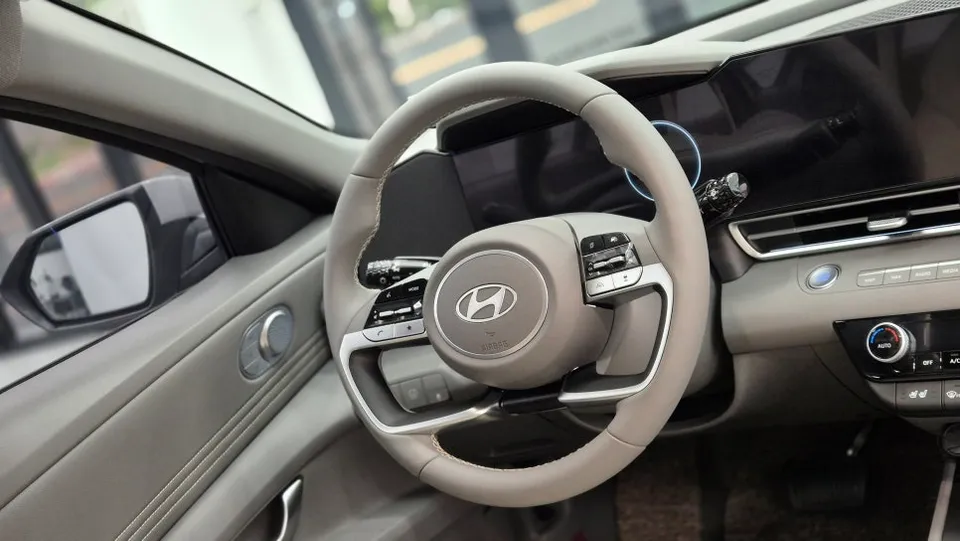
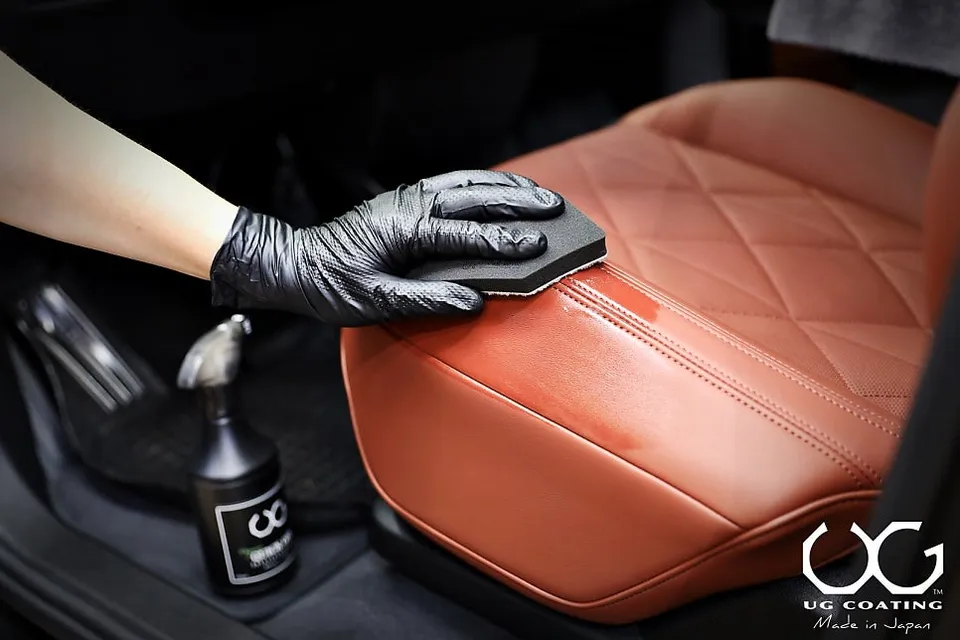
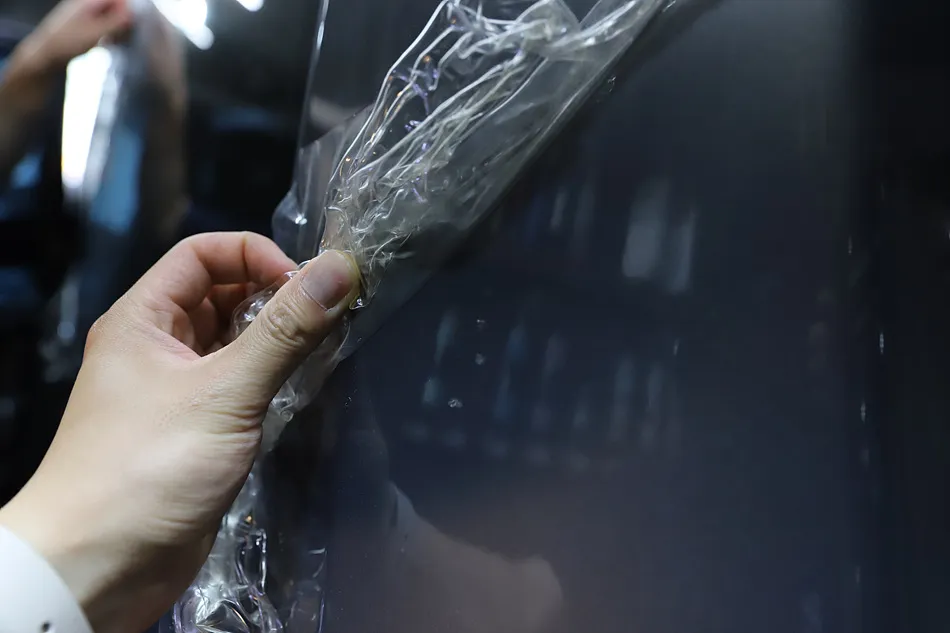
Process photos
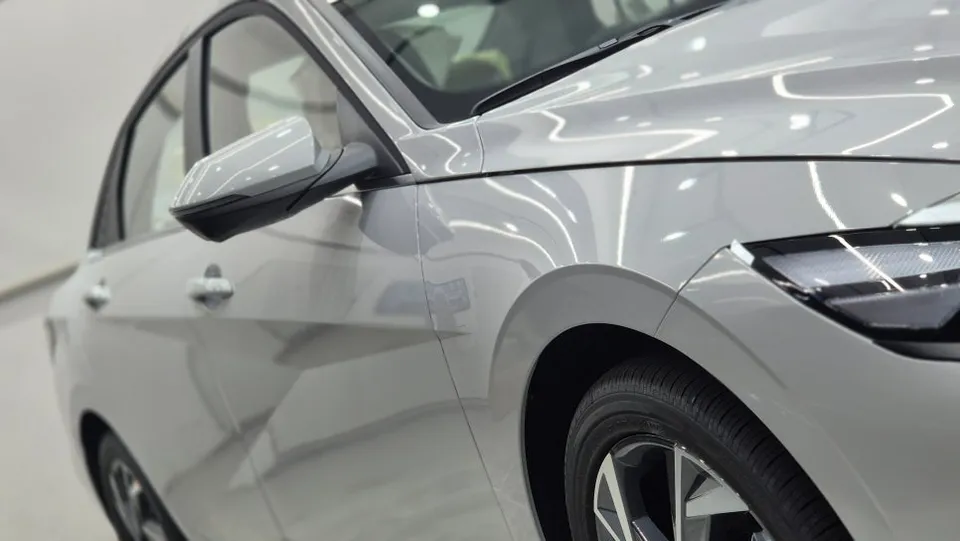
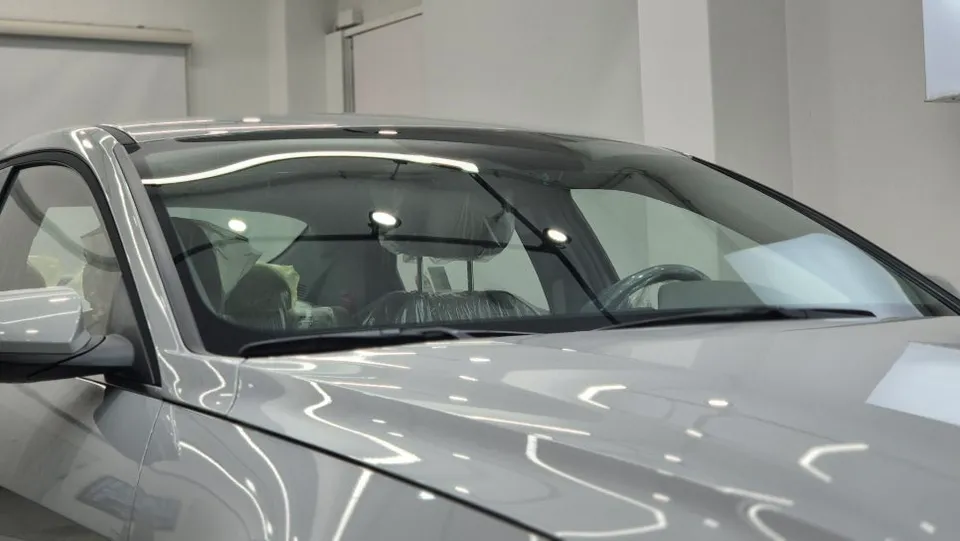
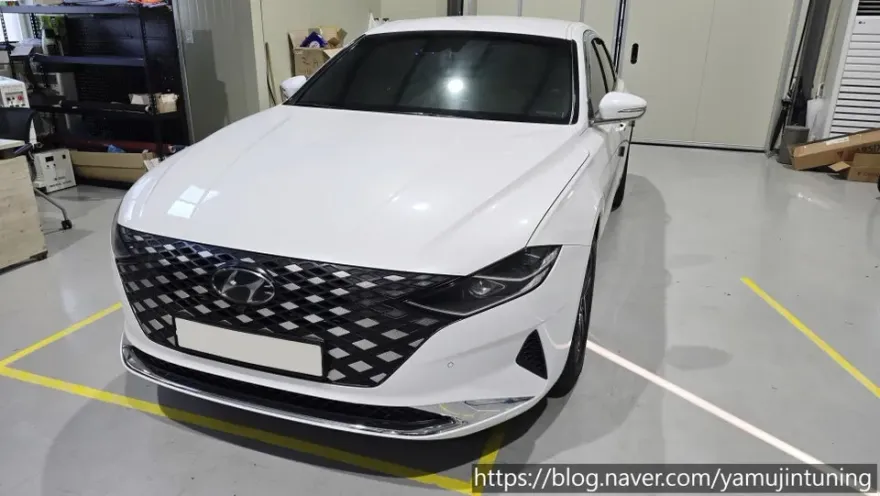
Paint Protection Film on Hyundai Elantra: Protects against rock chips and scratches. Installation ensures a clear, durable finish.
Paint Protection Film for Your Hyundai Elantra: A Comprehensive Review
When investing in a new vehicle like the Hyundai Elantra, protecting its paintwork is a top priority for many owners. This review delves into the application of Paint Protection Film (PPF), also known as a clear bra, focusing on its effectiveness for rock chip protection and overall value. The original context for this review comes from a detailed account of applying a specific tint and PPF package to a Hyundai Elantra CN7 in South Korea, highlighting the meticulous process and the resulting clarity and protection.
Understanding Paint Protection Film (PPF)
Paint Protection Film is a transparent, thermoplastic urethane film applied to painted surfaces of a new or used vehicle. Its primary purpose is to shield the car's paint from damage caused by stone chips, scratches, bug splatters, and other environmental contaminants. The film is designed to be durable yet removable, offering a sacrificial layer that absorbs the impact of road debris. In the context of the Hyundai Elantra CN7, the application of PPF, particularly on high-impact areas like the front bumper and hood, is crucial for maintaining its aesthetic appeal and resale value. The film itself is typically clear, allowing the vehicle's original paint color to show through, while some advanced films offer self-healing properties for minor scratches.
Installation Process and Results
The installation of PPF is a precise process that requires skilled technicians. The original Korean review details the application of a specific film, noting the importance of a thorough cleaning and preparation of the vehicle's surface. For the Hyundai Elantra, this would involve:
- Surface Preparation: The vehicle's paint is meticulously cleaned, decontaminated, and often clay-barred to ensure a perfectly smooth surface. Any imperfections are addressed before application.
- Film Cutting: High-precision cutting machines, often using pre-designed patterns specific to the vehicle model (like the Elantra CN7), are used to cut the PPF to the exact shape of the panels being covered.
- Application: The film is carefully applied to the painted surface, typically using a squeegee and a specialized solution to remove air bubbles and ensure a smooth, seamless finish.
- Curing: The applied film is allowed to cure, which can take several hours to a few days depending on environmental conditions. During this time, the adhesive bonds fully with the paint.
The results, as seen in the context of the Elantra CN7's application, are striking. The film is virtually invisible, maintaining the original luster of the paint. The primary benefit observed is the enhanced protection against road debris, significantly reducing the likelihood of unsightly rock chips and scratches, especially on the front bumper and hood. The clarity of the film also contributes to the overall aesthetic, ensuring the car looks freshly detailed.
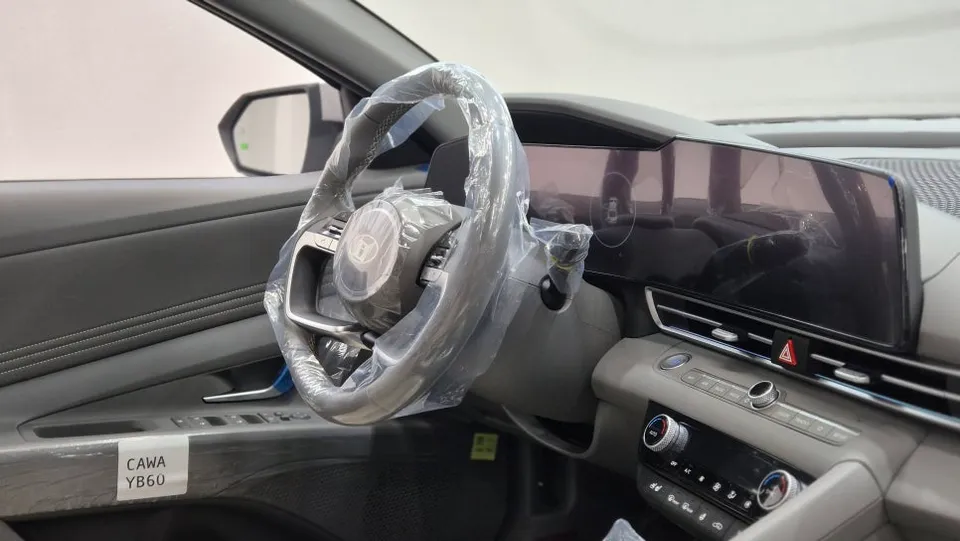
Durability, Maintenance, and Value
Paint Protection Film is known for its longevity, with most high-quality films offering warranties of 5 to 10 years. Proper maintenance is key to maximizing its lifespan. This includes regular washing and drying, avoiding harsh chemicals, and addressing any minor damage promptly. The self-healing properties of many modern PPF formulations mean that light scratches can disappear with exposure to heat, such as from sunlight. Considering the cost of repainting damaged sections of a Hyundai Elantra, the investment in PPF can prove to be cost-effective over the vehicle's lifetime. It preserves the original factory finish, which is always desirable for resale value. While the initial Paint Protection Film cost can be significant, the peace of mind and long-term protection it offers against the elements make it a worthwhile consideration for discerning car owners.
Frequently Asked Questions
Q. How much does PPF cost for a Hyundai Elantra?
The installation described in the source context was performed in South Korea. While specific pricing isn't detailed in USD, typical PPF installation for a front-end package on a vehicle like the Hyundai Elantra in the US can range from $600 to $1,500, depending on the coverage area and film quality.
Q. How long does PPF last on a Hyundai Elantra?
High-quality Paint Protection Film typically lasts between 5 to 10 years, often backed by a manufacturer's warranty. To maximize its lifespan, regularly wash and dry your vehicle, and avoid abrasive cleaning methods.
Q. Is PPF worth it for a Hyundai Elantra?
PPF is most beneficial for drivers who frequently encounter road debris or want to maintain a pristine finish on their new car. It offers excellent rock chip protection and preserves the original paint, contributing to higher resale value.
Q. How is PPF installed on a Hyundai Elantra?
Installation involves meticulous surface preparation, followed by precise cutting of the film to match the vehicle's panels. The film is then carefully applied using a solution to eliminate air bubbles, and finally allowed to cure.
Q. What is the difference between PPF and ceramic coating for a Hyundai Elantra?
PPF provides superior physical protection against impacts like rock chips and scratches, acting as a durable barrier. Ceramic coating offers enhanced gloss and chemical resistance but is much thinner and does not protect against physical damage.
OhCar Partner Shop
More ppf Reviews
See all →
More Hyundai Reviews




Pair with Another Service
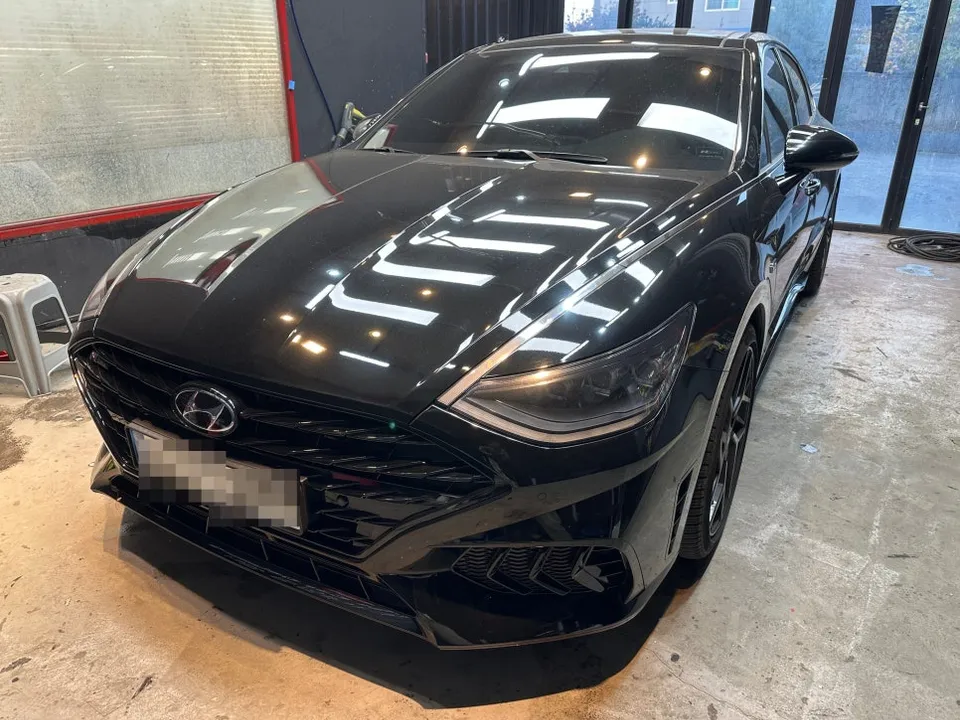
Add hydrophobic protection on top of PPF

Complete your new car protection package