Hyundai Grandeur GN7 OEM Options Review — HDA2 Upgrade
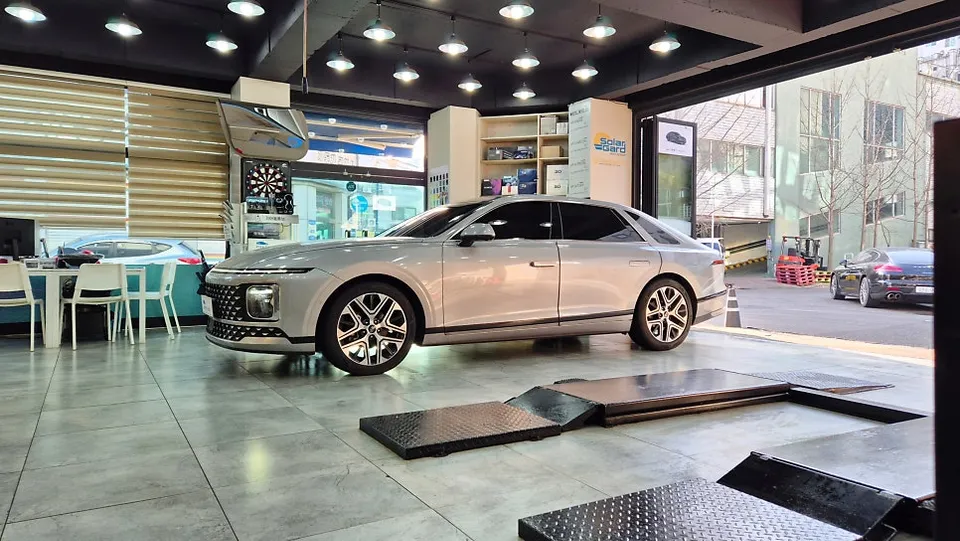
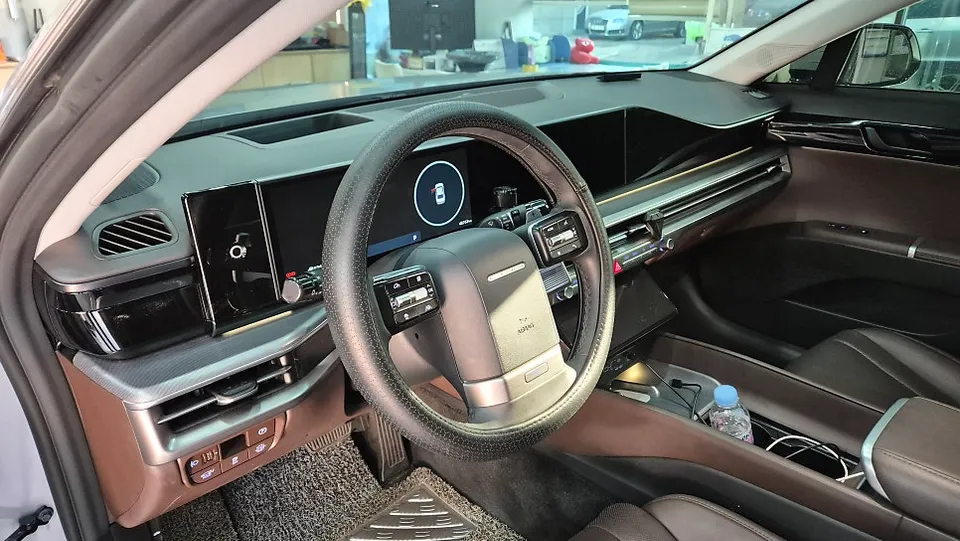
Hyundai Grandeur GN7 HDA2 & capacitive steering retrofit: Approx. $750-$2250 USD. Enhances semi-autonomous driving with better grip detection.
Enhancing Your Hyundai Grandeur GN7 with OEM Options
Modern vehicles, especially sophisticated models like the Hyundai Grandeur GN7, are increasingly equipped with advanced driver-assistance systems (ADAS). While semi-autonomous driving technology continues to evolve, manufacturers often release incremental upgrades. For the GN7, a significant enhancement involves upgrading to HDA2 (Highway Driving Assist 2) and integrating a capacitive steering wheel, often referred to as a grip-detection or HoD (Hands-on-Detection) sensor. This review explores the process, benefits, and considerations of retrofitting these OEM options.
The Need for HDA2 and Capacitive Steering
The current generation of semi-autonomous driving systems, while impressive, often operates in stages. The transition from Level 2 to Level 3 autonomy involves a substantial gap, leading manufacturers to refine Level 2 capabilities. One such refinement is HDA2, which offers a more advanced and stable driving experience compared to earlier versions. A key component of this enhanced system is the capacitive steering wheel. Standard steering wheels in some GN7 trims require the driver to actively wiggle the wheel to confirm grip, which can be inconvenient and interrupt the semi-autonomous experience. Upgrading to a capacitive steering wheel allows the system to detect a light touch, significantly improving comfort and usability during highway driving. This upgrade is particularly sought after by owners who find the standard grip detection system cumbersome.
OEM Options Installation Process
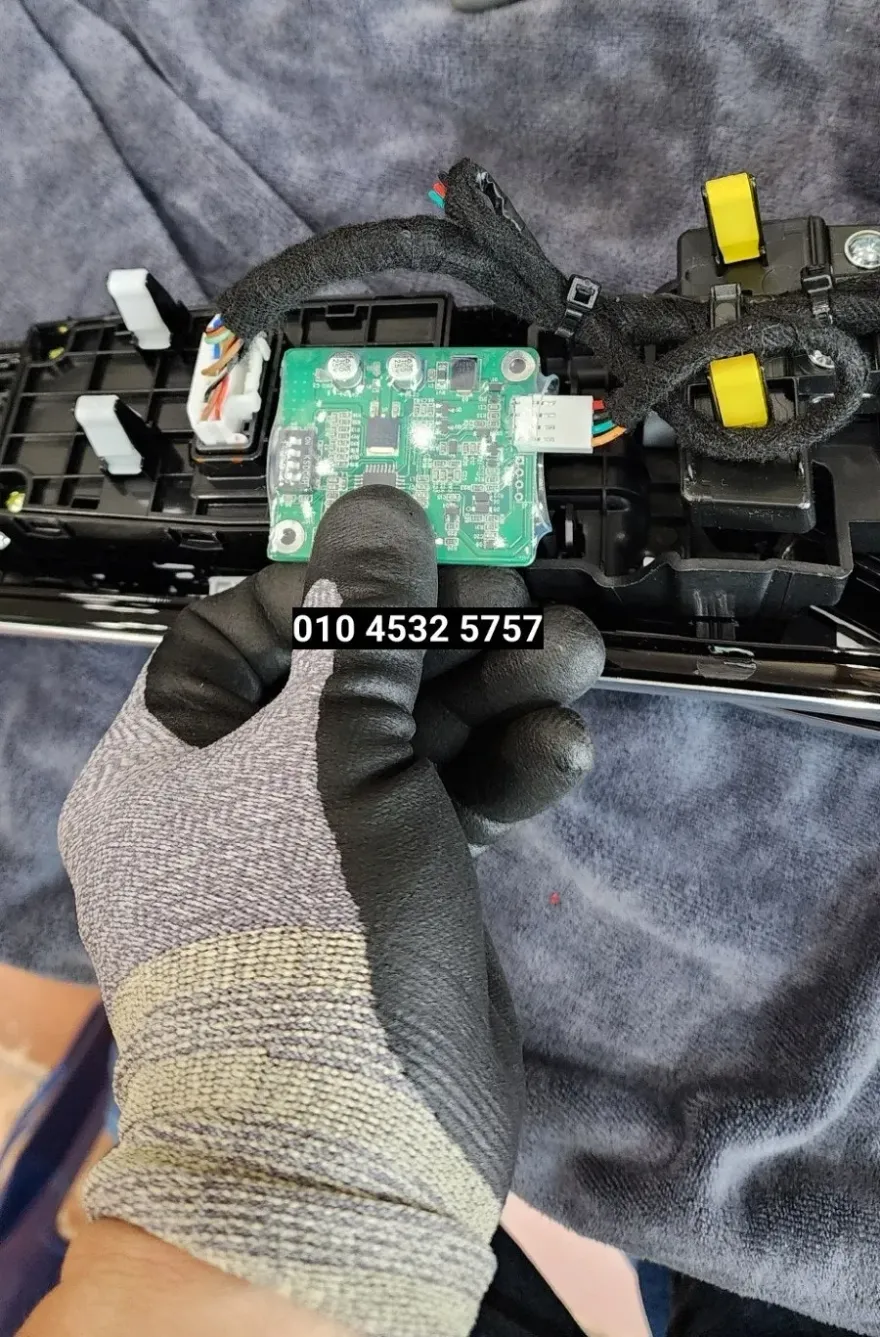
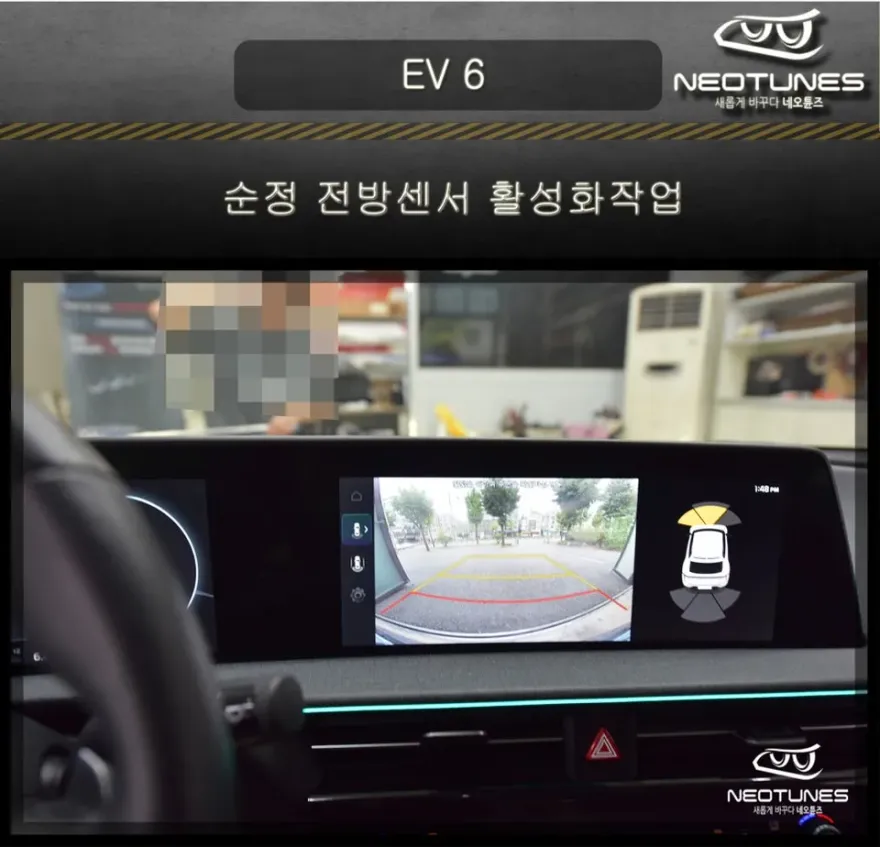
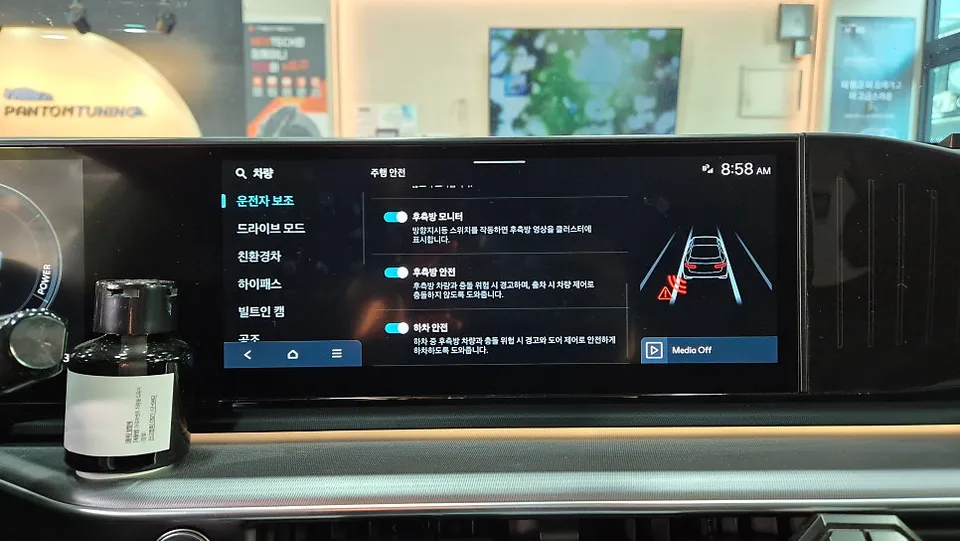
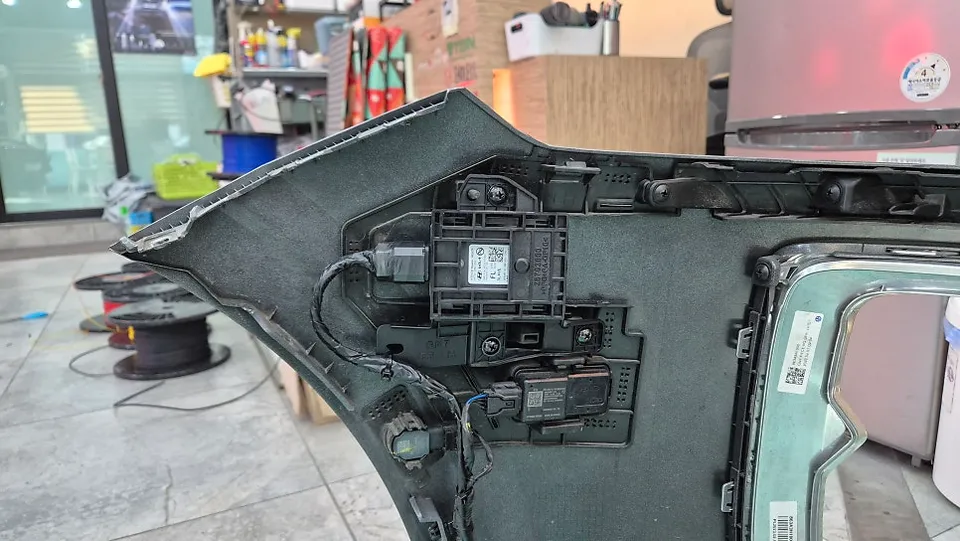
Retrofitting these OEM options involves more than just swapping out parts; it requires careful integration of new hardware and software. The process typically involves installing additional sensors and modules to enhance the vehicle's ADAS capabilities. For the GN7, this often means adding front radar sensors to the bumper area, complementing the existing rear-facing sensors. These new sensors work in conjunction with a dedicated control module, which is then connected to the vehicle's ADAS ECU. After the physical installation, a crucial step is the calibration of the new sensors and modules to ensure they function accurately and safely with the vehicle's existing systems. This ensures that features like automatic lane changes (when using the turn signal) and obstacle detection/braking are optimized. The capacitive steering wheel itself is integrated to communicate grip status to the ADAS system, eliminating the need for constant steering input to maintain engagement.
Installation process:
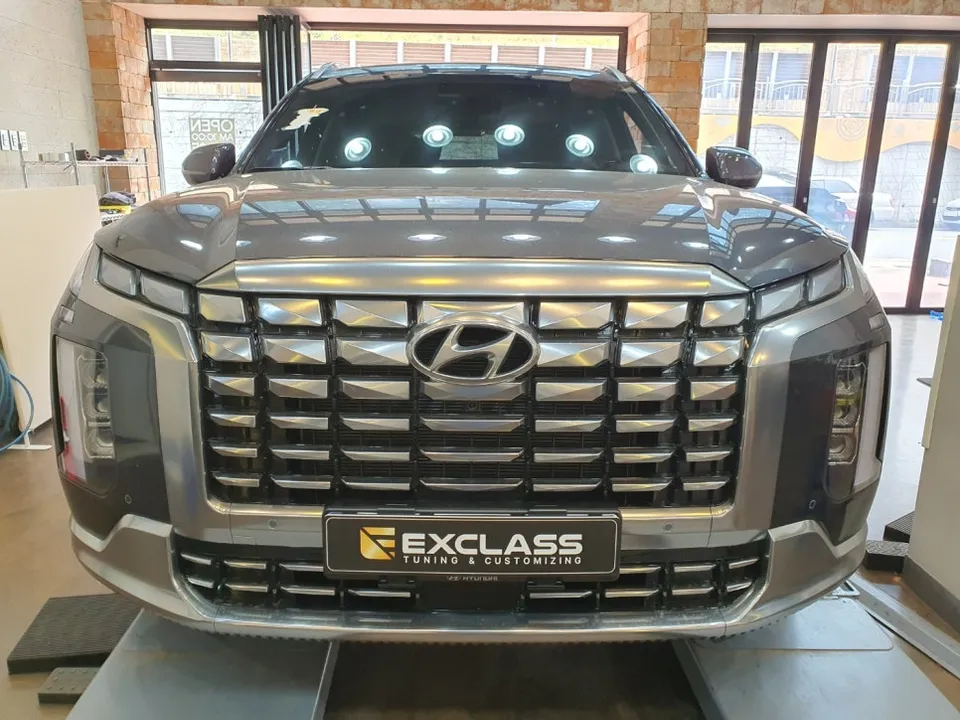
- Radar Sensor Installation: Two front radar sensors are meticulously installed on the inside of the front bumper, ensuring a clean and integrated look.
- Module Connection: The newly installed radar sensors and the capacitive steering wheel system are connected to the vehicle's ADAS ECU and a new control module.
- System Calibration: A comprehensive calibration of the radar sensors and the ADAS module is performed to ensure optimal performance and safety.
- Steering Wheel Integration: The capacitive steering wheel is fitted, allowing the vehicle to detect the driver's hands without requiring active steering input.
The work described here was performed in South Korea. While specific pricing in USD can fluctuate, the cost in Korean Won (KRW) for such a comprehensive OEM retrofit can range significantly depending on the exact components and labor involved. For context, similar advanced ADAS upgrades in Korea might range from approximately ₩1,000,000 to ₩3,000,000 (roughly $750 to $2,250 USD), though this is an estimate and actual costs will vary.
Frequently Asked Questions
Q. How much does OEM option and factory upgrade installation cost for a Hyundai Grandeur GN7?
In Korea, the cost for HDA2 and capacitive steering wheel retrofits on a Hyundai Grandeur GN7 can range from approximately ₩1,000,000 to ₩3,000,000 (roughly $750 to $2,250 USD). Actual pricing will vary based on specific components and labor.
Q. How long does OEM options installation take on a Hyundai Grandeur GN7?
The durability of these OEM options is designed to match the vehicle's lifespan, requiring minimal maintenance beyond standard vehicle upkeep. Regular checks of ADAS system functionality are recommended during routine servicing.
Q. Are OEM options worth adding after purchase for a Hyundai Grandeur GN7?
These OEM options are most beneficial for drivers who frequently use highway semi-autonomous systems and desire a more comfortable, less intrusive experience. The enhanced safety and convenience features offer significant value for long-distance driving.
Q. How are OEM factory options installed on a Hyundai Grandeur GN7?
Installation involves adding front radar sensors to the bumper, connecting them to a new control module, and integrating a capacitive steering wheel. The process concludes with precise calibration of the ADAS ECU and all new components.
Q. What is the difference between dealer-installed options and aftermarket upgrades for a Hyundai Grandeur GN7?
OEM options, like the HDA2 and capacitive steering wheel retrofit, are factory-designed components integrated seamlessly into the vehicle's existing systems, ensuring full compatibility and warranty adherence. Aftermarket upgrades may offer similar functionality but can sometimes lead to compatibility issues or void parts of the vehicle's warranty.
Q. What should I know before getting OEM Options on a Hyundai Grandeur GN7? (common regrets and mistakes)
The most common regret is underestimating the complexity and cost of a full OEM retrofit. To avoid this, ensure you get a detailed quote covering all parts, labor, and calibration, and confirm the installer's expertise with Hyundai ADAS systems.
OhCar Partner Shop