Hyundai Grandeur IG OEM Options Retrofit Review
Service Price
Est. $400–800
Estimated price · Actual price may vary by shop
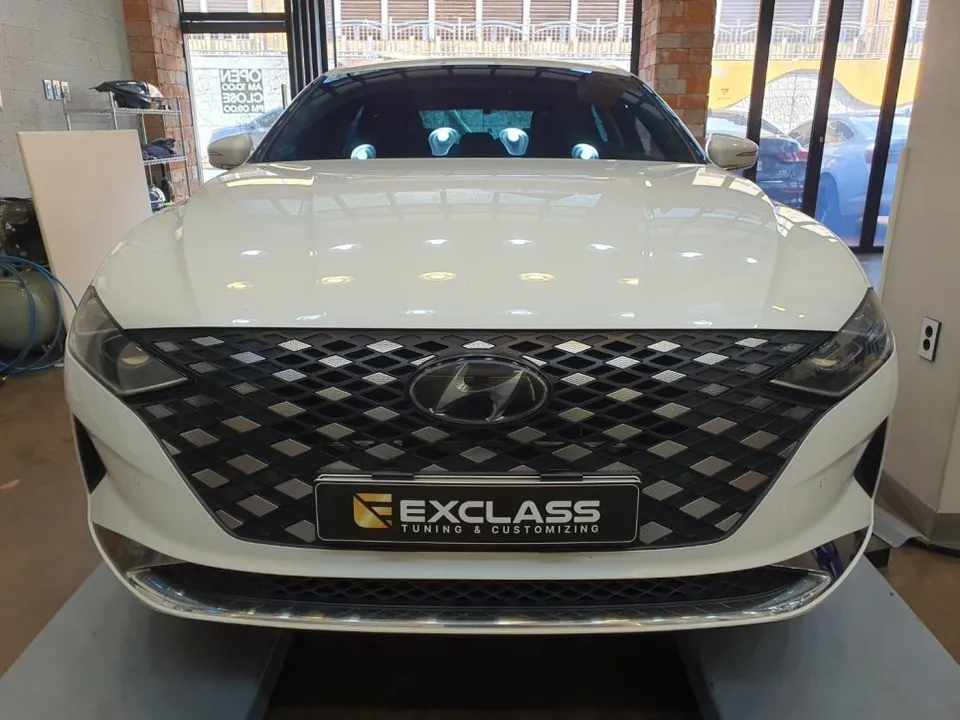
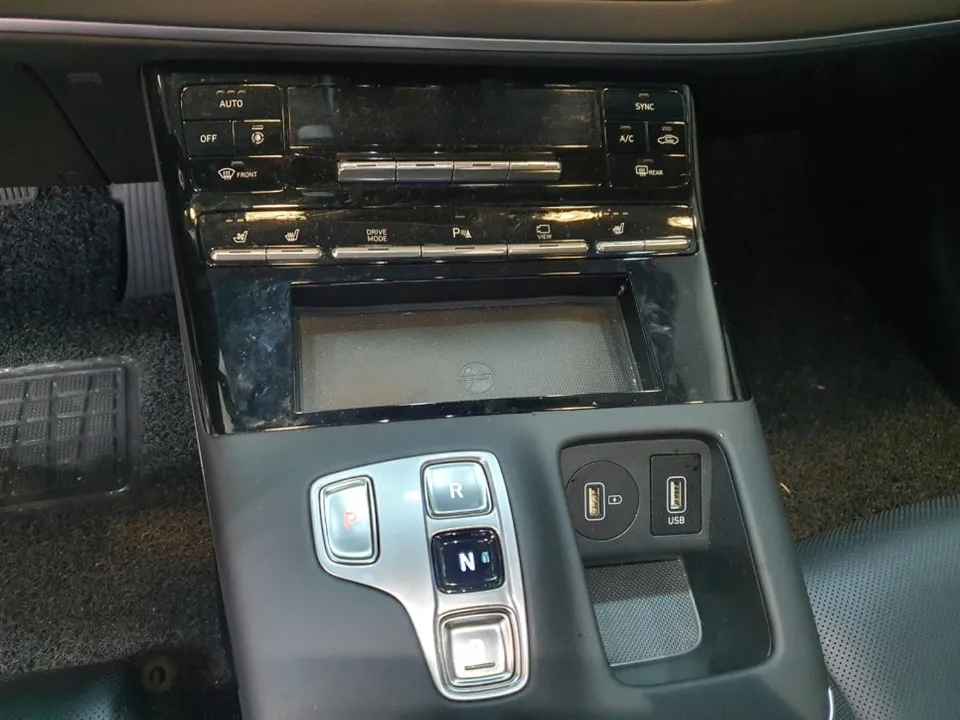
Hyundai Grandeur IG OEM console tray retrofit: ₩300,000-₩600,000. Transforms taxi meter space into practical storage with USB ports.
Transforming Your Hyundai Grandeur IG: The OEM Console Tray Retrofit
For owners of the Hyundai Grandeur IG that were previously used as taxis, a common aesthetic challenge arises from the vacant space where the meter was once installed. This can leave the center console looking unfinished and detract from the overall interior design. Fortunately, a popular and effective solution is to retrofit a genuine OEM (Original Equipment Manufacturer) console tray. This upgrade not only tidies up the interior but also significantly enhances its practicality and storage capabilities. This review details the process, results, and considerations for this factory option retrofit.
Why Retrofit the OEM Console Tray?
Vehicles converted from taxi use often retain the awkward, empty space in the center console that housed the taxi meter. This can be an eyesore and a missed opportunity for useful storage. Replacing this area with a factory-spec console tray offers a clean, integrated look that complements the Grandeur IG's interior. Beyond aesthetics, the OEM console tray is designed to be functional. In the case of the Grandeur IG, this retrofit typically involves relocating the gear selector buttons slightly to accommodate a deeper, more spacious storage compartment. This new compartment often includes additional USB ports for charging devices, making the cabin more convenient for daily use. While some might opt for simple covers or modifications to the climate control area, these often lack the seamless finish and perfect integration of a true OEM part. The most satisfying and visually appealing solution is the direct replacement with a genuine console tray.
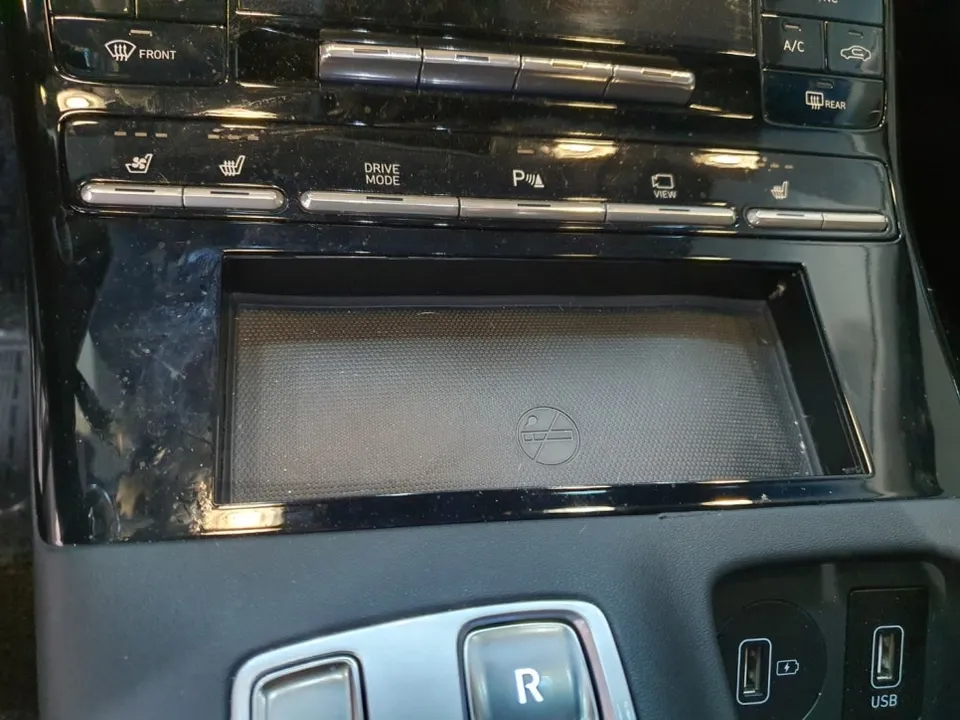
The OEM Console Tray Installation Process
The installation of the OEM console tray on a Hyundai Grandeur IG is a precise process that requires careful attention to detail. The procedure typically takes around 3 to 4 hours, though this can vary slightly depending on the specific vehicle and any unforeseen complexities.
- Disassembly: The process begins with the careful removal of the existing center console components that housed the taxi meter. This ensures a clean slate for the new parts.
- Component Relocation and Preparation: The gear selector buttons are meticulously repositioned to integrate with the new console layout. This often involves minor modifications to the surrounding trim to ensure a flush fit.
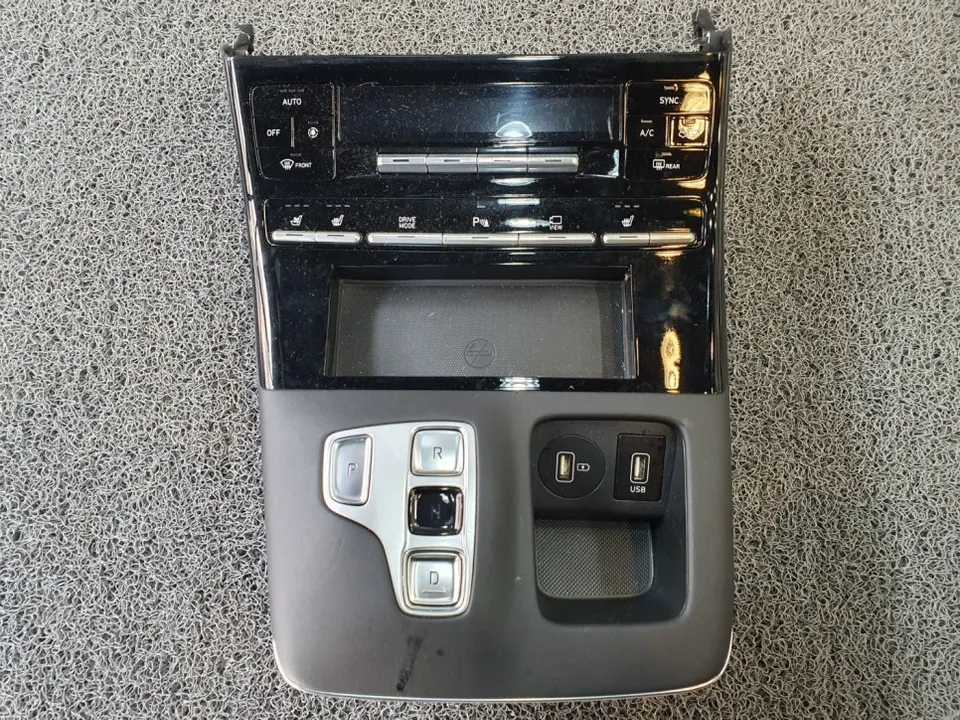
- Installation of OEM Console Tray: The genuine OEM console tray is then fitted into place. This includes securing the tray and ensuring it aligns perfectly with the dashboard and surrounding trim.
- Wiring and Integration: Any necessary wiring for the new USB ports or charging features is completed, and these are integrated into the vehicle's electrical system. The climate control unit is also adjusted or integrated as needed to ensure full functionality.
- Final Checks: A thorough inspection is performed to confirm that all components are securely installed, all functions (including climate control and USB ports) are working correctly, and the overall appearance is seamless and factory-standard.
The key to a successful installation lies in the precise alignment of the gear selector and the integration with the climate control unit. Specialists ensure that the new console tray fits perfectly, providing a factory-like finish and enhanced usability. The cost for this type of retrofit, including genuine parts and professional labor, can range from approximately 300,000 to 600,000 Korean Won (roughly $220 - $440 USD, depending on exchange rates). This price can fluctuate based on the specific parts used and the complexity of the installation.
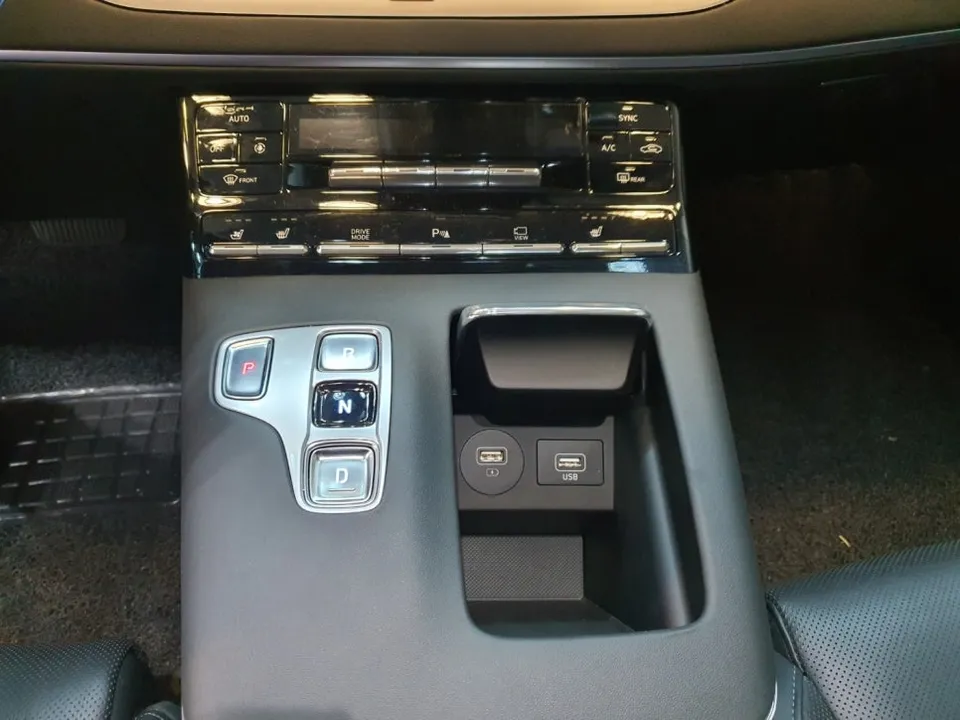
Before and After: A Transformed Interior
The transformation after installing the OEM console tray is striking. The previously awkward and empty meter space is replaced by a sleek, integrated console tray. The gear selector buttons are now neatly positioned alongside the climate controls, and the newly created storage compartment offers a substantial, hidden space for personal items. The addition of USB ports further enhances the practicality of the cabin. This upgrade not only resolves an aesthetic issue but also adds significant value and convenience to the Grandeur IG, making it feel more like a premium, purpose-built vehicle rather than a converted taxi.
Frequently Asked Questions
Q. How much does OEM option and factory upgrade installation cost for a Hyundai Grandeur IG?
The OEM console tray retrofit for a Hyundai Grandeur IG typically costs between ₩300,000 and ₩600,000 in Korea. In the US, similar factory option retrofits can range from $250 to $500, depending on the specific parts and labor involved.
Q. How long does OEM options installation take on a Hyundai Grandeur IG?
The installation of an OEM console tray on a Hyundai Grandeur IG usually takes between 3 to 4 hours to complete. To maintain the longevity of the new console, regularly clean the storage area with a soft, damp cloth and avoid abrasive cleaners.
Q. Are OEM options worth adding after purchase for a Hyundai Grandeur IG?
Retrofitting the OEM console tray is highly recommended for former taxi Hyundai Grandeur IG models, as it significantly improves interior aesthetics and functionality. The value lies in creating a clean, organized, and more user-friendly cabin space.
Q. How are OEM factory options installed on a Hyundai Grandeur IG?
Installation involves carefully removing the old meter components, repositioning the gear selector, fitting the new OEM console tray, and integrating any necessary wiring for features like USB ports. The climate control unit is also adjusted for a seamless finish.
Q. What is the difference between dealer-installed options and aftermarket upgrades for a Hyundai Grandeur IG?
OEM options, like the console tray retrofit, are genuine factory parts designed specifically for the vehicle, ensuring perfect fit and integration. Aftermarket upgrades are produced by third-party companies and may vary in quality and compatibility, often requiring more modification.
OhCar Partner Shop