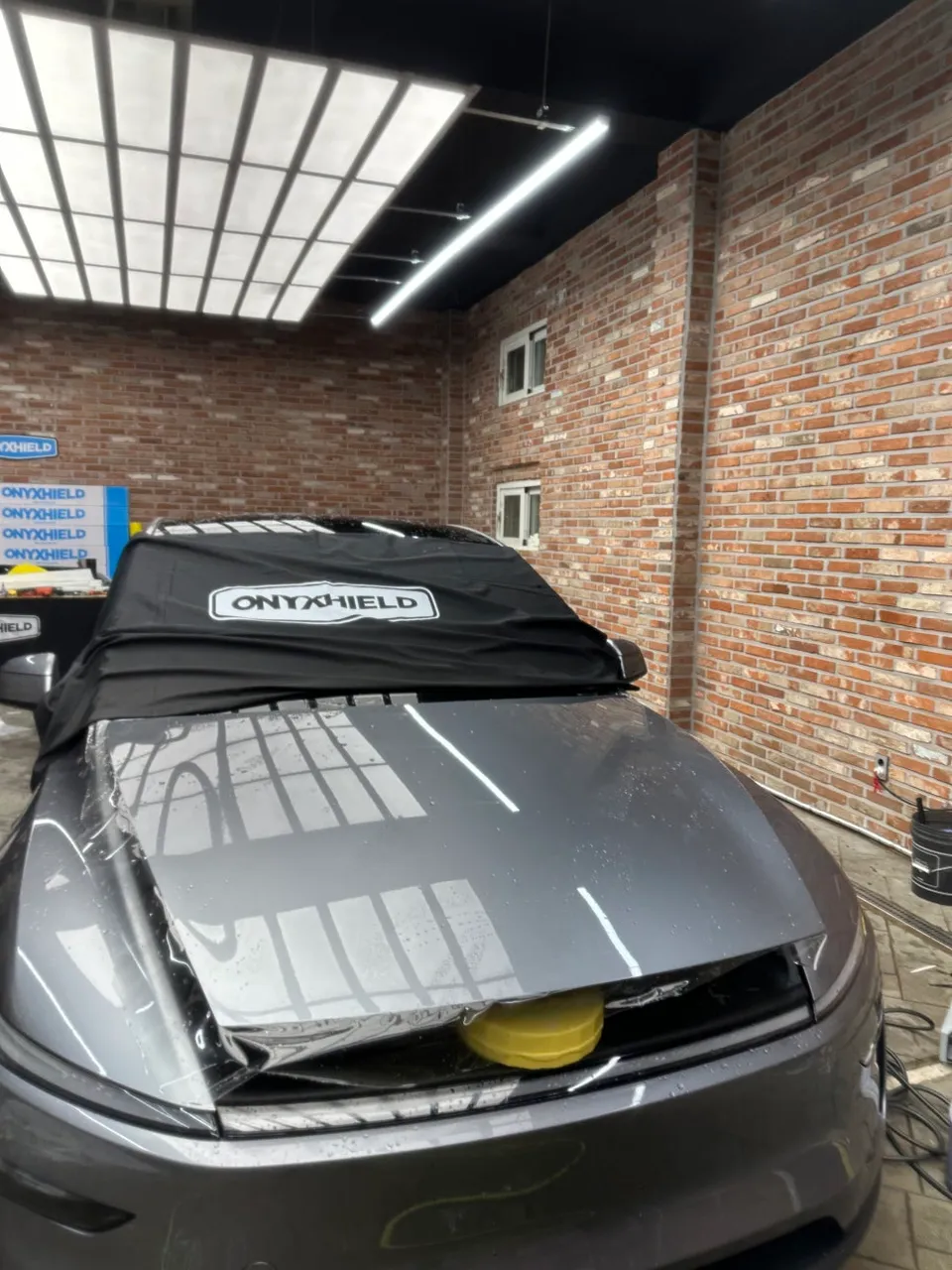
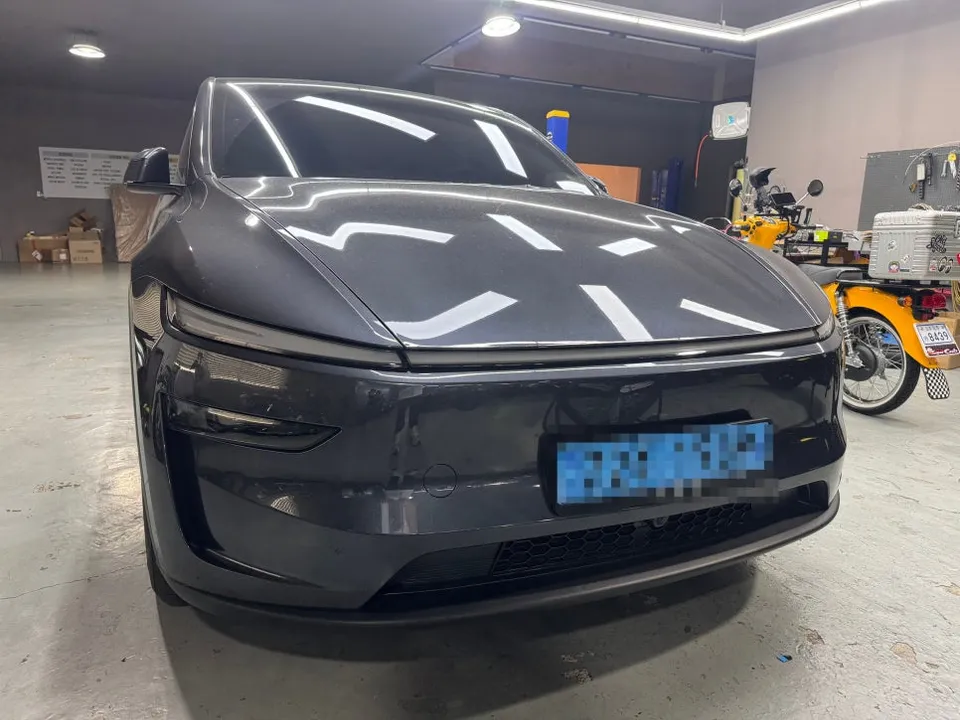
Hyundai i40 Body Repair & Painting Review
Service Price
Est. $under approx. 400
Estimated price · Actual price may vary by shop
Before
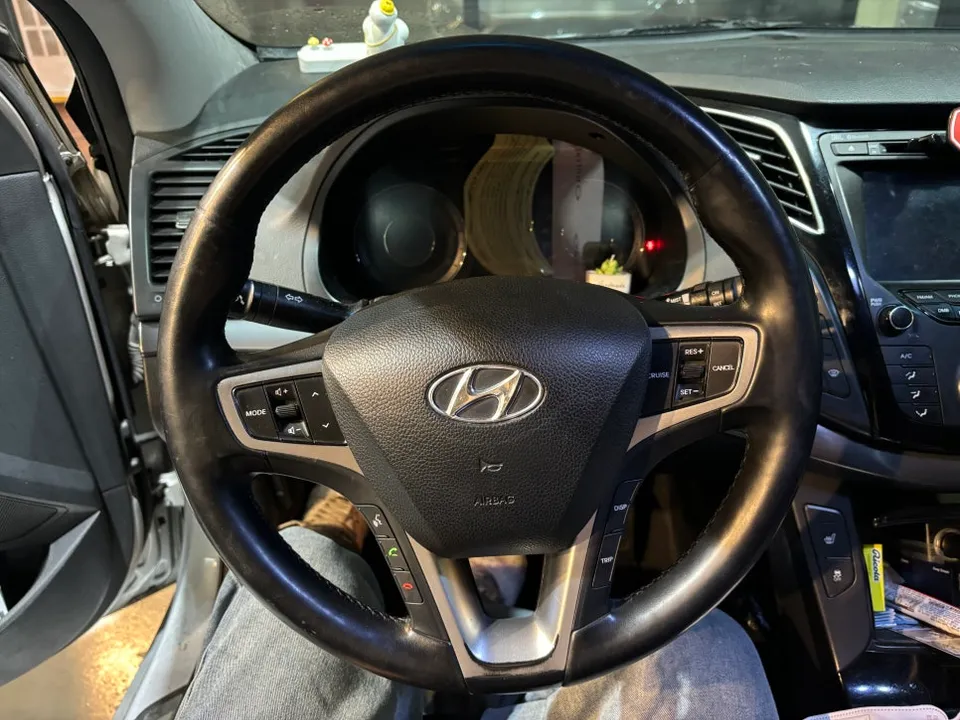
After
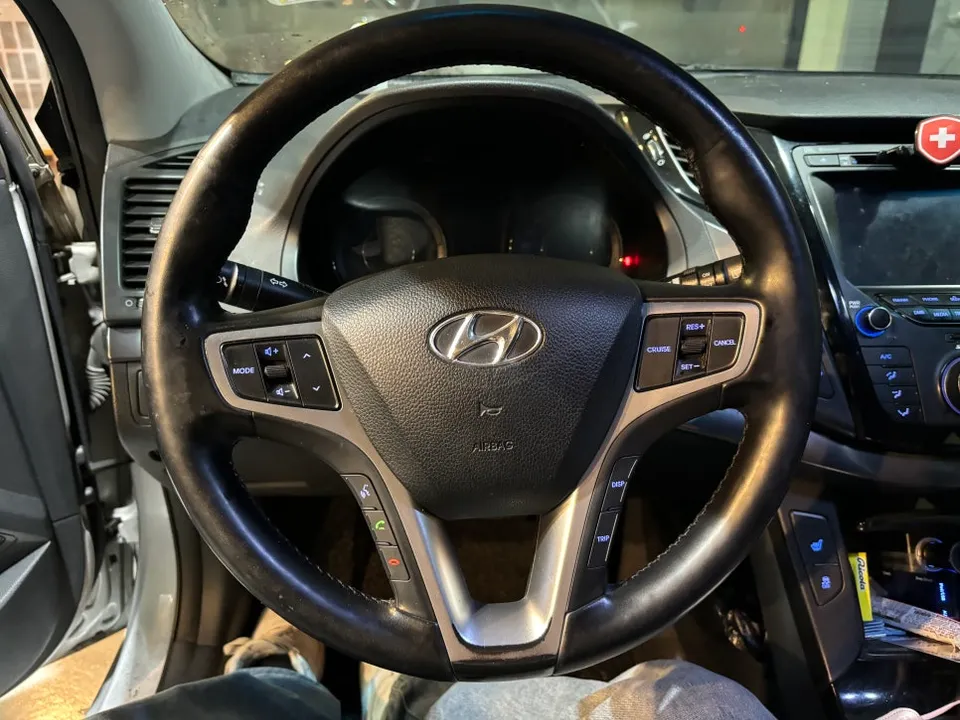
Process photos
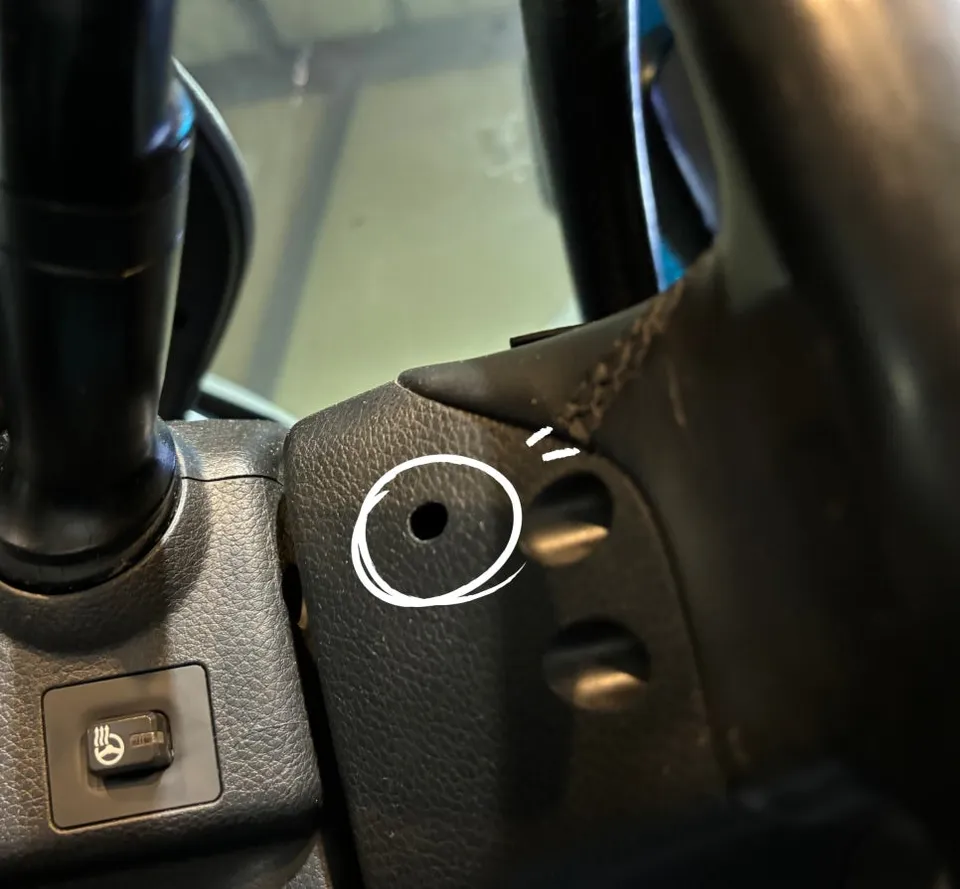
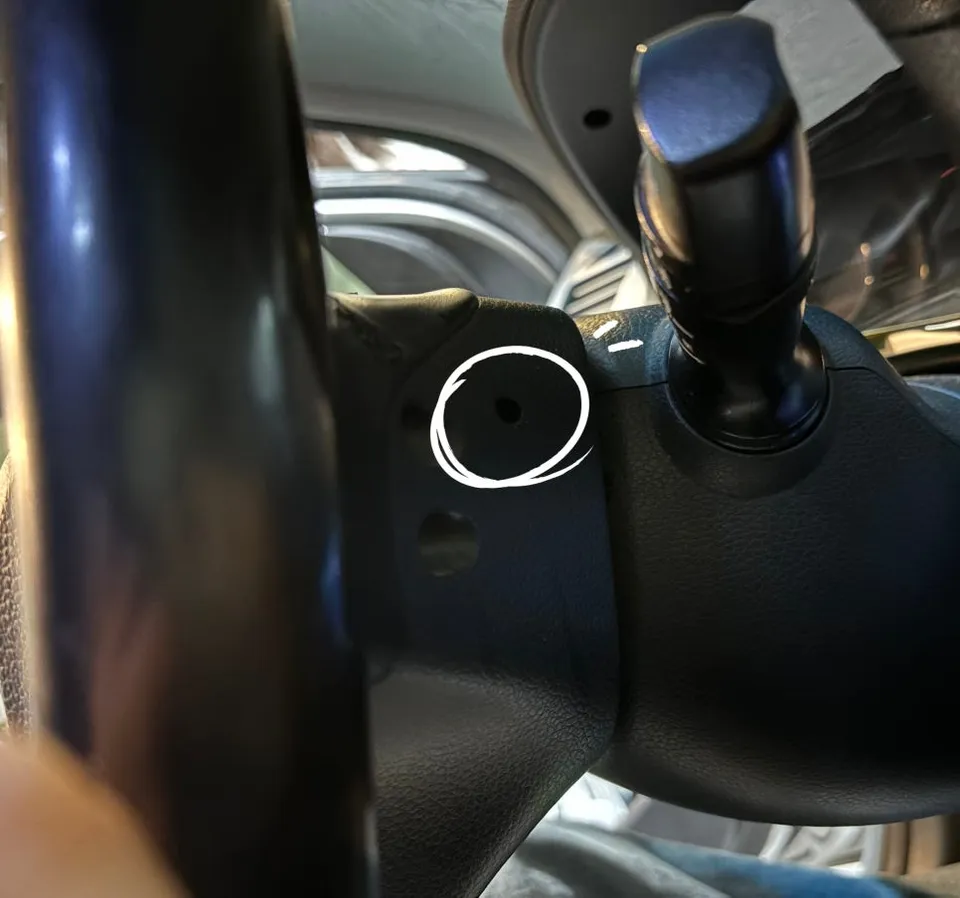
Hyundai i40 Body Repair & Painting: Costs vary, can be under $400 for minor fixes. Restores appearance and value.
Hyundai i40 Body Repair & Painting: A Comprehensive Review
When your Hyundai i40 suffers from cosmetic damage, such as scratches, dents, or faded paint, professional body repair and painting services can restore its appearance and protect its value. This review delves into the process, potential outcomes, and considerations for owners looking to refresh their i40's exterior. While the original context for this information comes from a specific repair performed in Korea on a Hyundai i40, the principles and outcomes are broadly applicable to similar services in the US and UK. The focus here is on understanding the service itself, rather than specific local availability.
Understanding the Body Repair & Painting Process
Body repair and painting address various forms of exterior damage. This can range from minor paint scratches and scuffs to more significant panel damage and dents. The process typically begins with a thorough inspection to assess the extent of the damage. For minor issues like scratches, the repair might involve careful sanding, filling, and repainting of the affected area. Deeper scratches or chips may require more extensive work to ensure a seamless finish. For dents, techniques like paintless dent repair (PDR) might be used if the paint is not compromised, or traditional methods involving filling and sanding if the metal is deformed. Following the repair of the underlying damage, the area is prepared for painting. This involves cleaning, priming, and applying multiple layers of base coat and clear coat to match the original factory finish. The goal is to achieve a durable, factory-quality appearance that blends perfectly with the rest of the vehicle. The specific part discussed in the original Korean context was a 'clock spring' for the steering column, which is an internal component related to electrical signals for the steering wheel controls and airbag. While this is a critical repair, it's distinct from external body repair and painting. For external bodywork, the focus is on restoring the vehicle's exterior panels and paint.
Durability, Maintenance, and Decision Making
The durability of body repair and painting largely depends on the quality of the materials used and the skill of the technician. High-quality paint systems, when applied correctly, can last for many years, resisting fading and chipping from everyday use. Proper maintenance is key to prolonging the life of the repair. Regular washing and waxing will protect the new paint from environmental contaminants and UV damage. Avoiding harsh chemicals and automatic car washes with abrasive brushes can also help preserve the finish. When considering body repair and painting for your Hyundai i40, it's important to weigh the cost against the benefits. For minor cosmetic issues, the investment can significantly improve the car's aesthetic appeal and resale value. For more substantial damage, it's essential for safety and structural integrity. The original context mentioned a clock spring replacement costing approximately 30,000-50,000 Korean Won for the part, with labor typically ranging from 50,000-100,000 Korean Won. This translates to roughly $25-$40 for the part and $40-$80 for labor, totaling around $65-$120 USD. While this is for an internal component, it gives a sense of the cost structure for repairs in that market. For external body repair and painting, costs can vary widely. A simple bumper repair or scratch fix might be under $400 USD in the US, but larger panel repairs or full resprays can cost significantly more. It's advisable to get detailed quotes from reputable shops. Consider the age and overall condition of your i40; if the car is nearing the end of its life, a major repair might not be economically sensible. However, for a well-maintained vehicle, investing in quality bodywork can be a worthwhile decision to keep it looking its best.
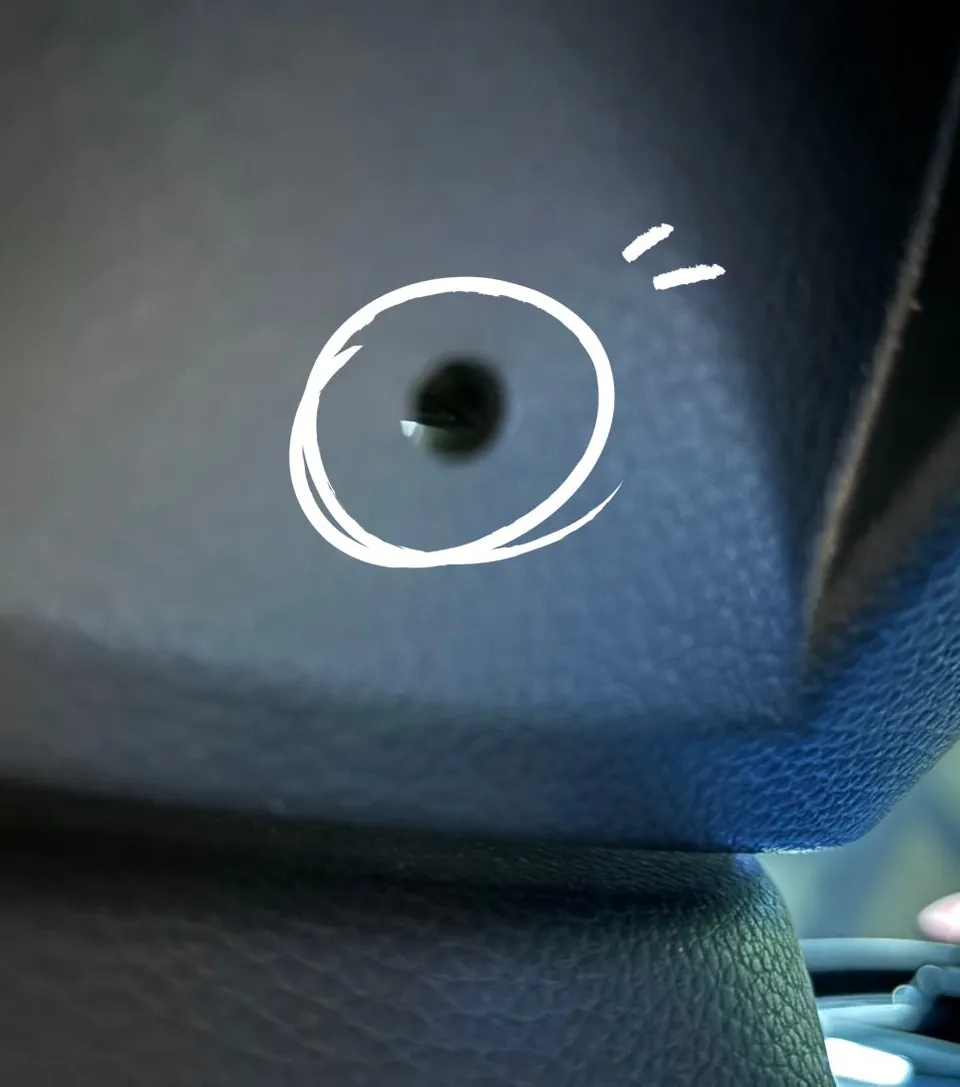
Installation Process: Clock Spring Replacement Example
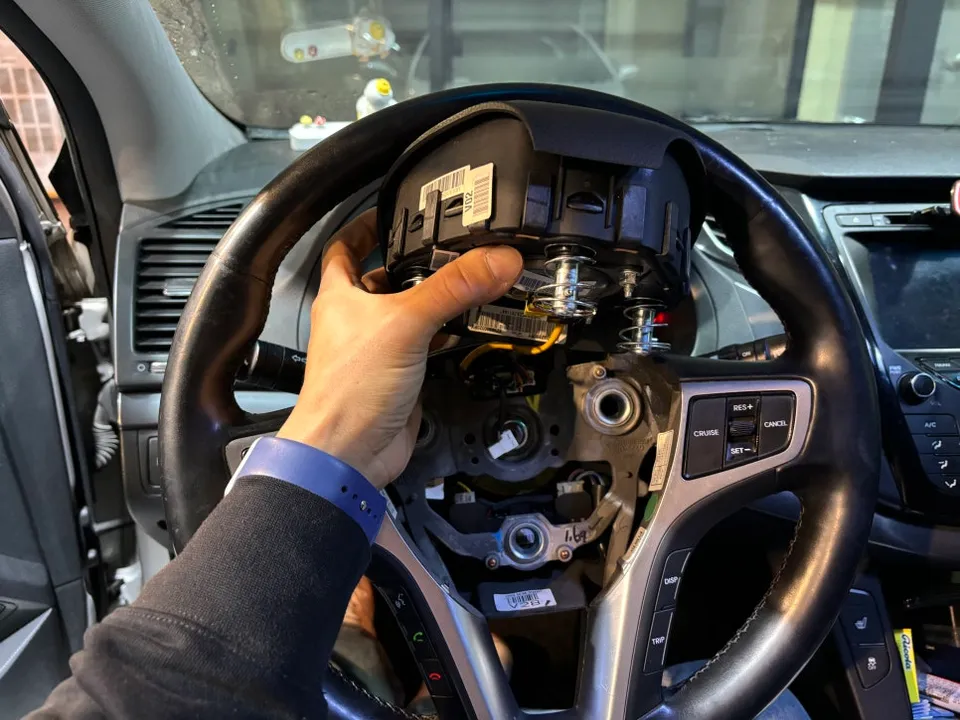
Although this article focuses on external body repair and painting, the original Korean context detailed a specific internal repair: clock spring replacement. This provides insight into the meticulous nature of automotive repairs. The process involved:
- Safely disconnecting the battery and carefully removing the airbag module from the steering wheel.
- Releasing the steering wheel retaining bolt to detach the steering wheel itself.
- Accessing and removing the old clock spring unit.
- Installing the new clock spring, ensuring it's correctly seated and secured.
- Reassembling the steering wheel, airbag, and all surrounding components in reverse order.
This detailed procedure highlights the importance of precision and following specific steps to ensure safety and proper function, particularly when dealing with safety systems like airbags.
Frequently Asked Questions
Q. How much does auto body repair cost for a Hyundai i40?
For minor cosmetic issues like scratches or small dents, auto body repair for a Hyundai i40 can often be done for under $400 USD. More extensive panel repair or repainting will naturally cost more, with prices varying significantly by shop and location.
Q. How long does auto body repair take for a Hyundai i40?
The durability of body repair and painting can last many years with proper care. Regular washing and waxing are key maintenance tips to preserve the finish and protect against environmental damage.
Q. Is auto body repair covered by insurance for a Hyundai i40?
Auto body repair is typically covered by comprehensive insurance if the damage is due to a covered event like an accident or theft. For cosmetic repairs not related to an insured incident, you would likely pay out-of-pocket.
Q. How is auto body repair done on a Hyundai i40?
1. Assess and repair any dents or panel damage using methods like PDR or filling. 2. Prepare the surface through sanding and priming. 3. Apply multiple layers of base coat and clear coat to match the original paint. 4. Allow the paint to cure properly.
Q. What is the difference between PDR and conventional body repair for a Hyundai i40?
Paintless Dent Repair (PDR) is used for minor dents where the paint is intact, preserving the original finish. Conventional body repair involves filling, sanding, and repainting for larger dents or damaged paint, offering a solution for more severe damage.
Q. What should I know before getting Body Repair & Painting on a Hyundai i40? (common regrets and mistakes)
The most common regret is not getting a detailed quote upfront, leading to unexpected costs. Always obtain multiple detailed estimates and understand exactly what is included in the service before proceeding.
OhCar Partner Shop