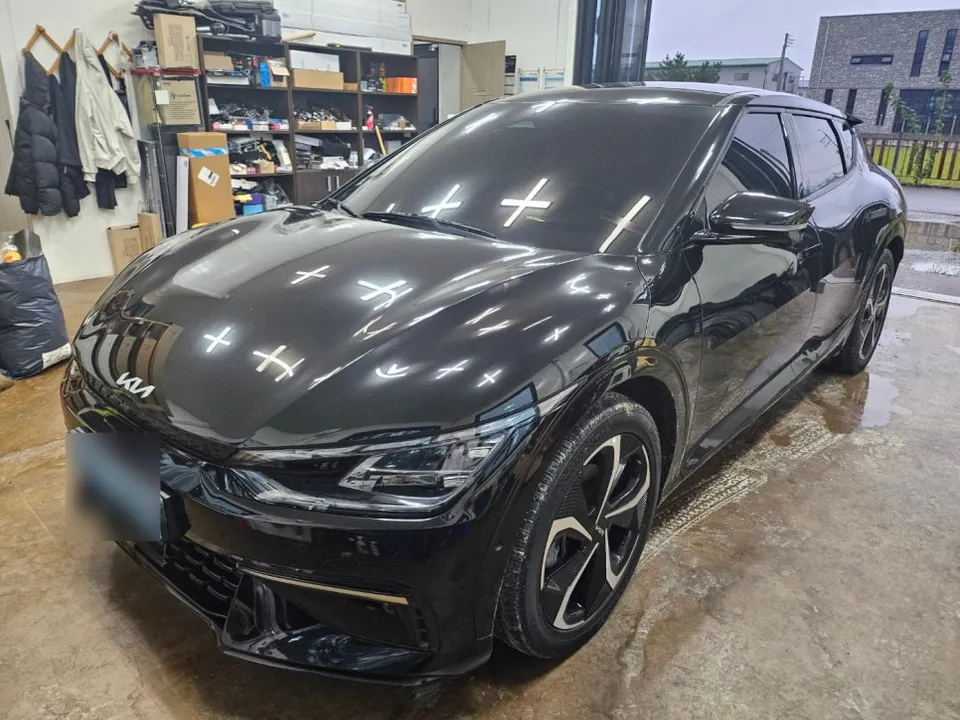
Hyundai IONIQ 5 Dash Cam Installation Review
Service Price
$approx. $400–800
Estimated price · Actual price may vary by shop
Before

After
Process photos

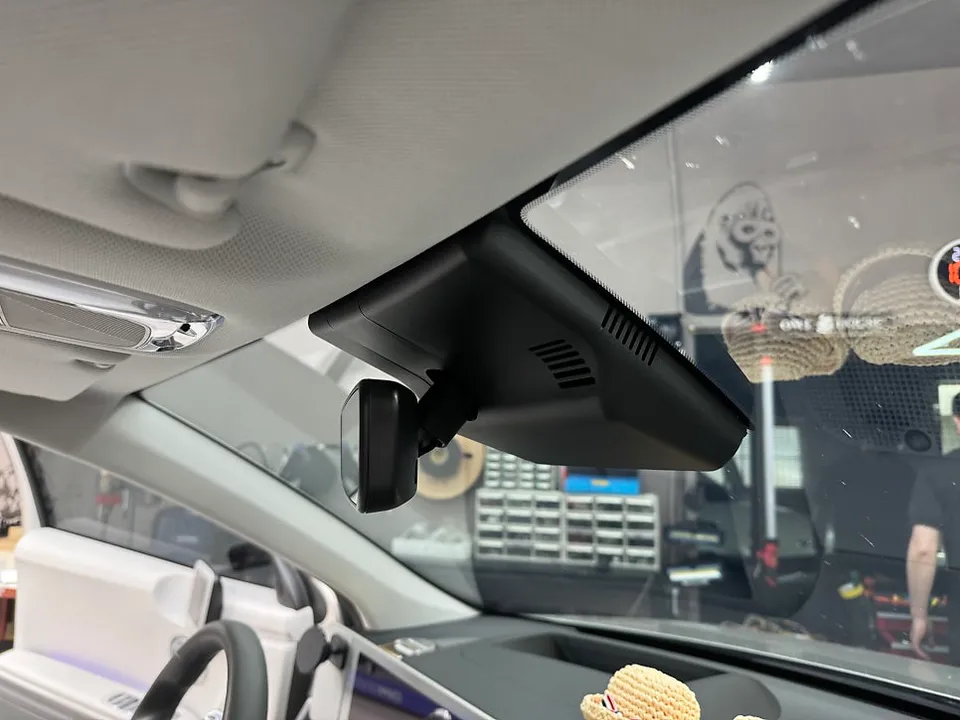
Hyundai IONIQ 5 digital rearview mirror installation: Approx. ₩500,000-₩700,000. Provides clear, wide rear view, enhancing safety.
Upgrade Your Hyundai IONIQ 5's Rear Visibility
Are you struggling with limited rear visibility in your Hyundai IONIQ 5, especially during rainy or nighttime driving? A digital rearview mirror, like the OneTake OT-DCM, can be an excellent solution. This review details a real-world installation of the OT-DCM on an IONIQ 5, covering the benefits, the installation process, and the final results. If you're considering enhancing your driving safety and convenience, understanding the advantages of a digital mirror is key.
Why Choose a Digital Rearview Mirror?
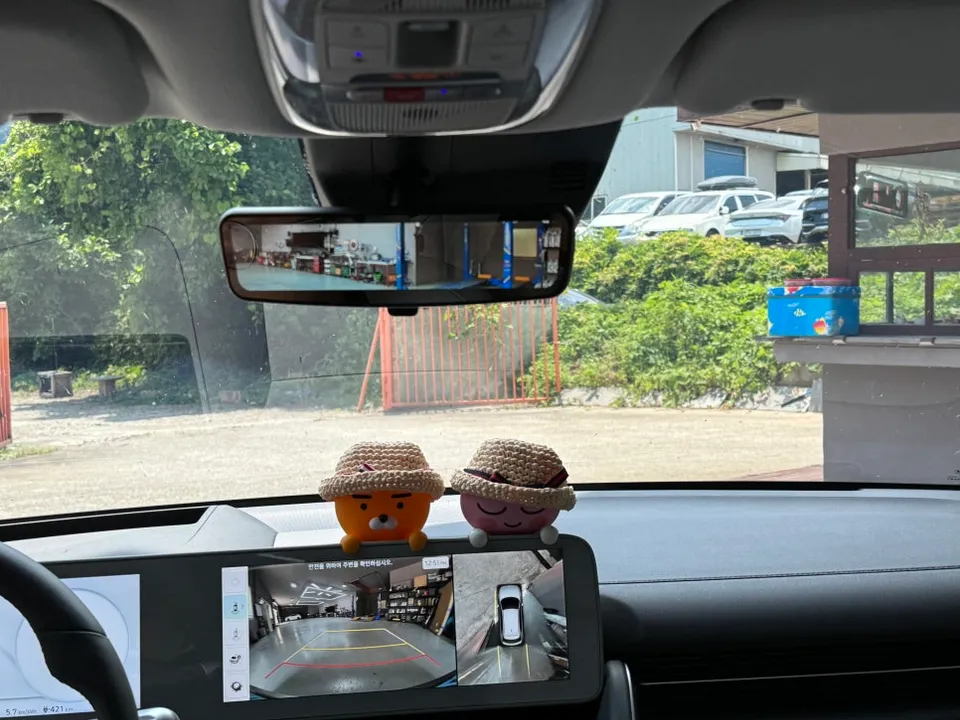
Many IONIQ 5 owners are opting for digital rearview mirrors, and for good reason. Traditional mirrors are often obstructed by the rear window's condition – think rain, snow, or fog. The OT-DCM, however, uses a high-definition rear camera to provide a consistently clear and wide view, effectively surpassing what you can see with your own eyes. This significantly boosts safety, allowing you to better monitor traffic and surroundings. It’s a noticeable upgrade, especially for larger vehicles or those with tinted rear windows.
The OneTake OT-DCM: Features and Installation
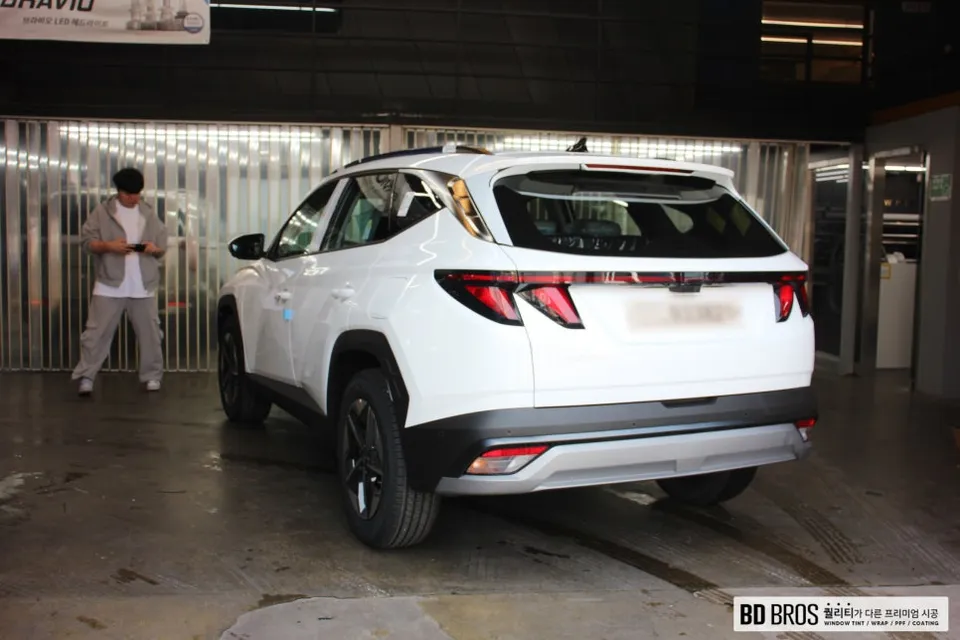
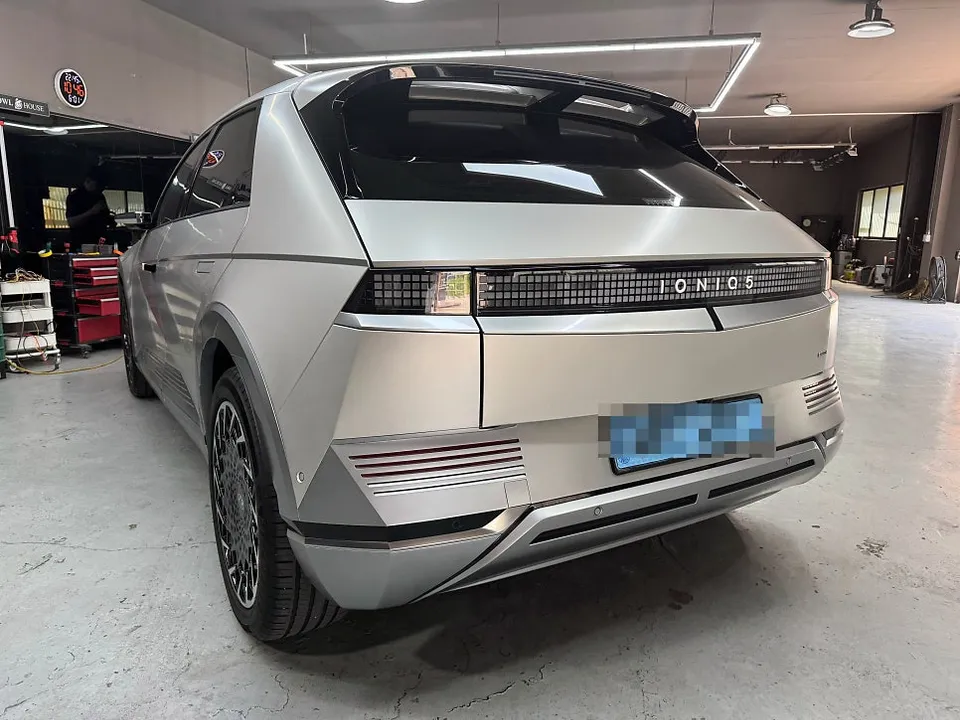
The OneTake OT-DCM is praised for its smooth 60fps video playback and superior image quality, functioning much like a high-performance dash cam. This ensures you don't miss crucial details, even with fast-moving traffic. The system also maintains clarity even when the rear window fogs up. This technology is increasingly found as a factory option on premium vehicles, highlighting its effectiveness. For this IONIQ 5 installation, the customer requested the camera be mounted on the rear spoiler for optimal placement, with all wiring concealed for a clean look. The installation was performed at the OneTake Digital Center in Busan, South Korea, and took approximately 3 to 4 hours.
Installation Process:
- The rear camera is mounted externally, in this case, on the spoiler, as per the customer's request.
- All wiring is meticulously routed and concealed within the vehicle's interior for a seamless finish.
- The system is connected and tested to ensure optimal performance and clear video feed.
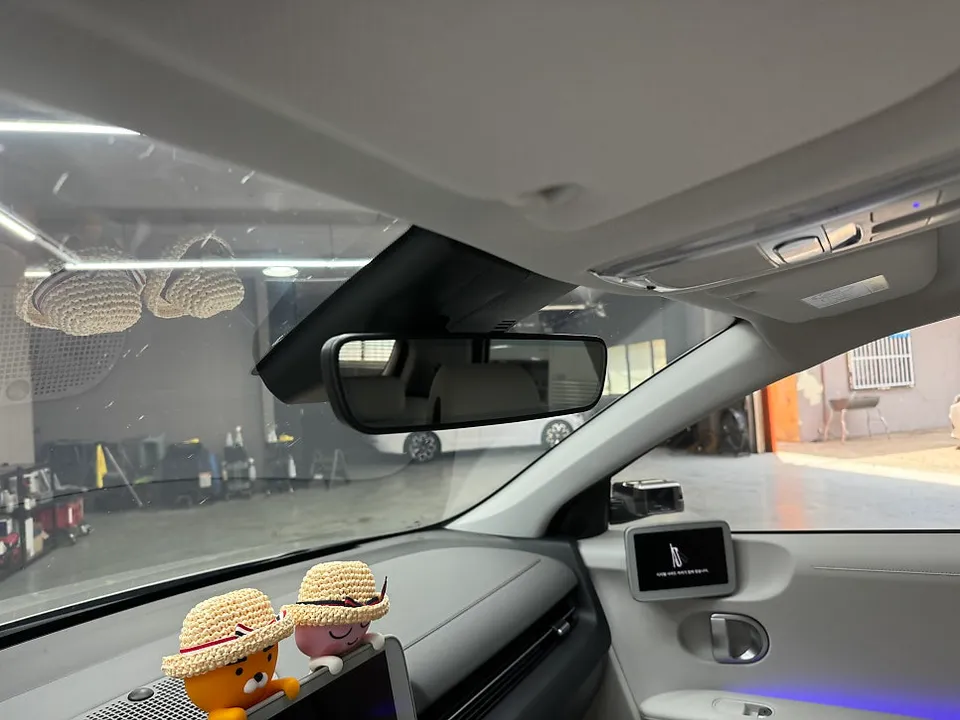
- The mirror unit is installed, and its dual functionality (digital display or standard mirror) is confirmed.
Once installed, the IONIQ 5 owner experienced a dramatically improved rear view. The mirror can also function as a standard rearview mirror by turning off the display, offering versatile use. This upgrade provides a clear, expansive view that significantly enhances the driving experience and safety.
Frequently Asked Questions
Q. How much does dash cam installation cost for a Hyundai IONIQ 5?
The OneTake OT-DCM installation in Korea cost approximately ₩500,000 to ₩700,000 (around $360-$500 USD). Professional dash cam installation costs in the US can range from $100 to $300 depending on the complexity and type of system.
Q. How long does dash cam installation take on a Hyundai IONIQ 5?
This installation took about 3-4 hours to complete. A professionally installed dash cam system can last for many years with proper care; regular cleaning of the camera lens is recommended for optimal performance.
Q. Is a hardwired dash cam worth it over a self-install for a Hyundai IONIQ 5?
A hardwired dash cam is highly recommended for drivers who prioritize consistent power and parking mode functionality without draining the car battery. Professional installation ensures a clean, reliable setup that maximizes the benefits of features like continuous recording and impact detection.
Q. How is a dash cam professionally installed on a Hyundai IONIQ 5?
Professional installation typically involves mounting the camera(s) securely, routing and concealing wiring for a clean look, and hardwiring the unit to the vehicle's power source. For a digital rearview mirror like the OT-DCM, this includes mounting the rear camera (often on the spoiler or near the license plate) and integrating the display unit into the cabin, ensuring all connections are hidden.
Q. What is the difference between a front and rear dash cam and a digital rearview mirror?
A front and rear dash cam primarily records footage for incident evidence, while a digital rearview mirror replaces your standard mirror with a live, high-definition feed from a rear camera, significantly improving visibility. While some digital mirrors include recording functions, their main purpose is to offer a superior, unobstructed view of what's behind your vehicle.
OhCar Partner Shop