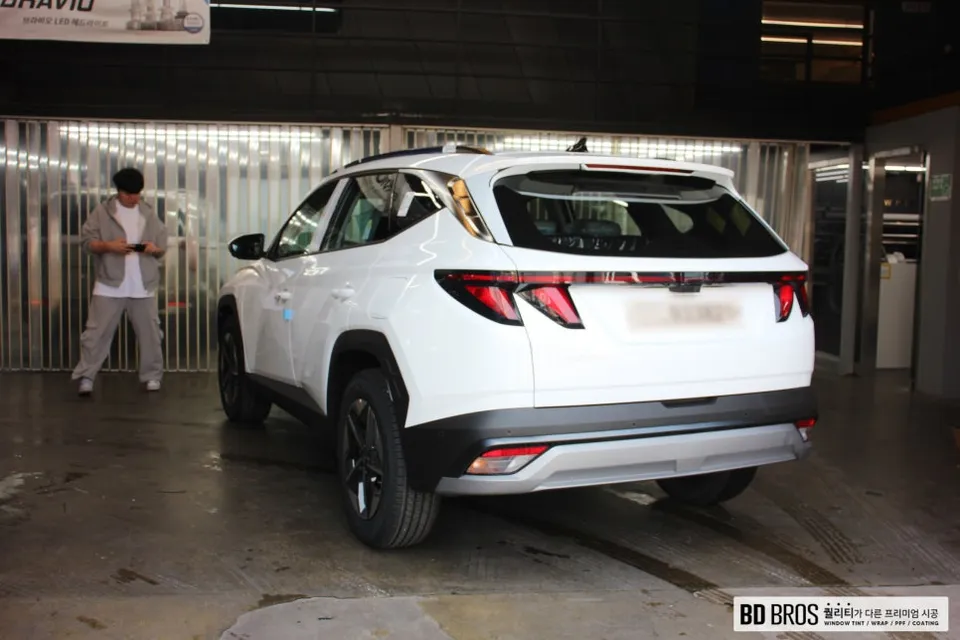
Hyundai IONIQ 5 OEM Options Review — Cost & Results
Service Price
$approx. $400–800
Estimated price · Actual price may vary by shop

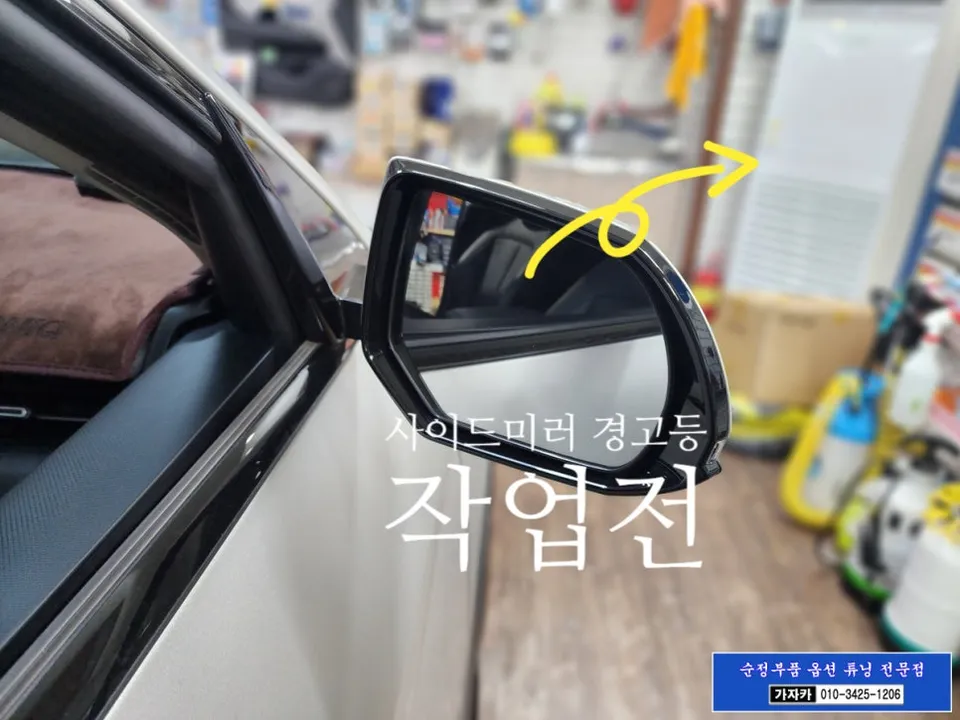
IONIQ 5 BCA upgrade: Uses used radar sensor for cost savings. Adds crucial blind-spot safety feature.
Upgrade Your Hyundai IONIQ 5 with Essential Safety Features
Many 2022 Hyundai IONIQ 5 owners find themselves wishing for the Blind-Spot Collision-Avoidance Assist (BCA) system, a crucial safety feature often omitted from certain trims. This review details a professional installation process that adds this vital functionality, enhancing your driving experience and safety, especially given the IONIQ 5's quiet and rapid acceleration. We'll cover the installation, the benefits of using genuine OEM parts, and the cost-effectiveness of this upgrade.
IONIQ 5 BCA Installation Process
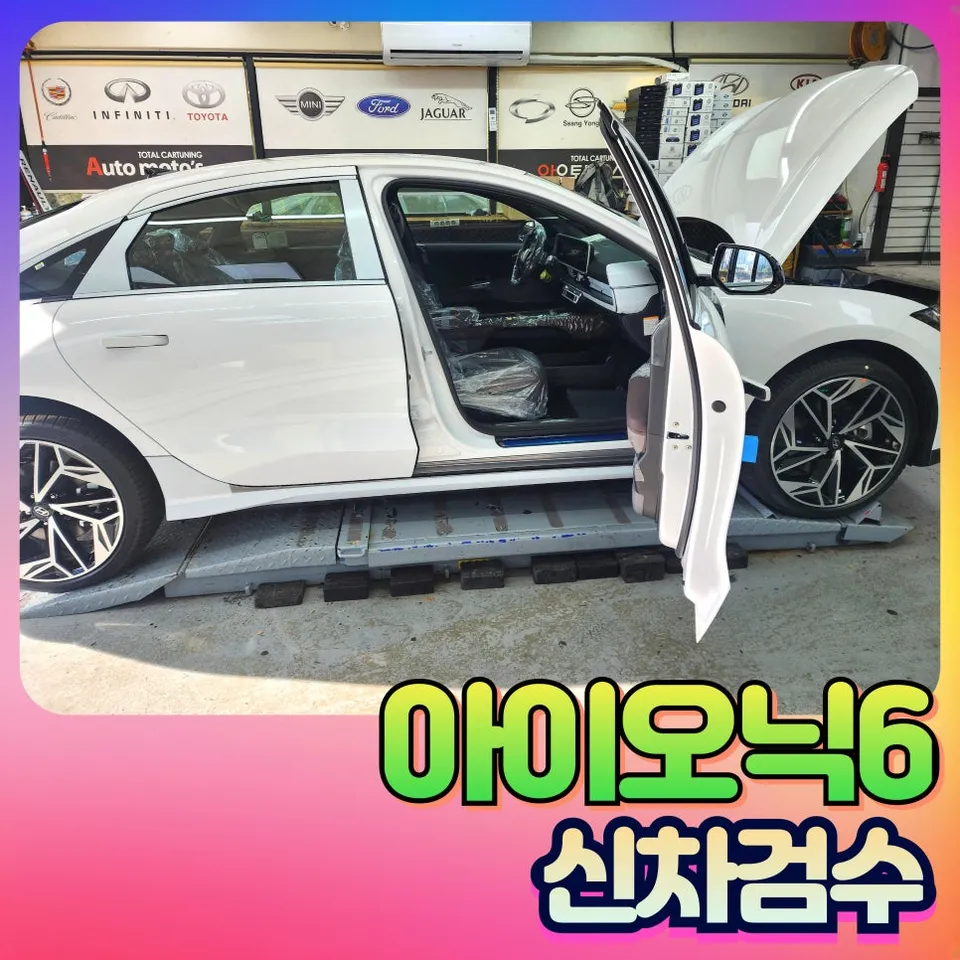
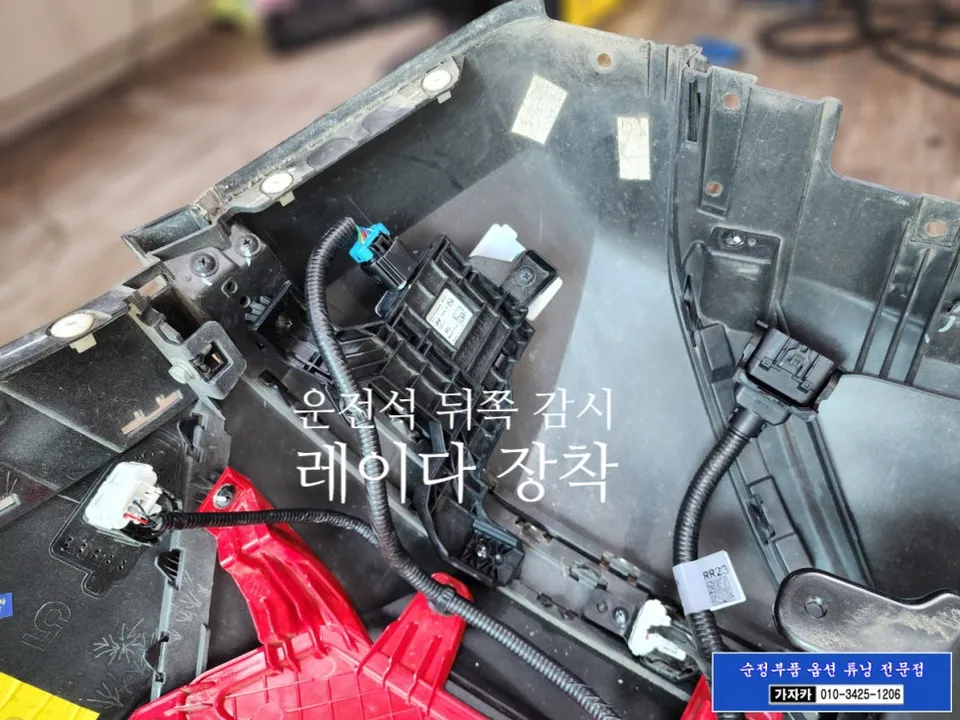
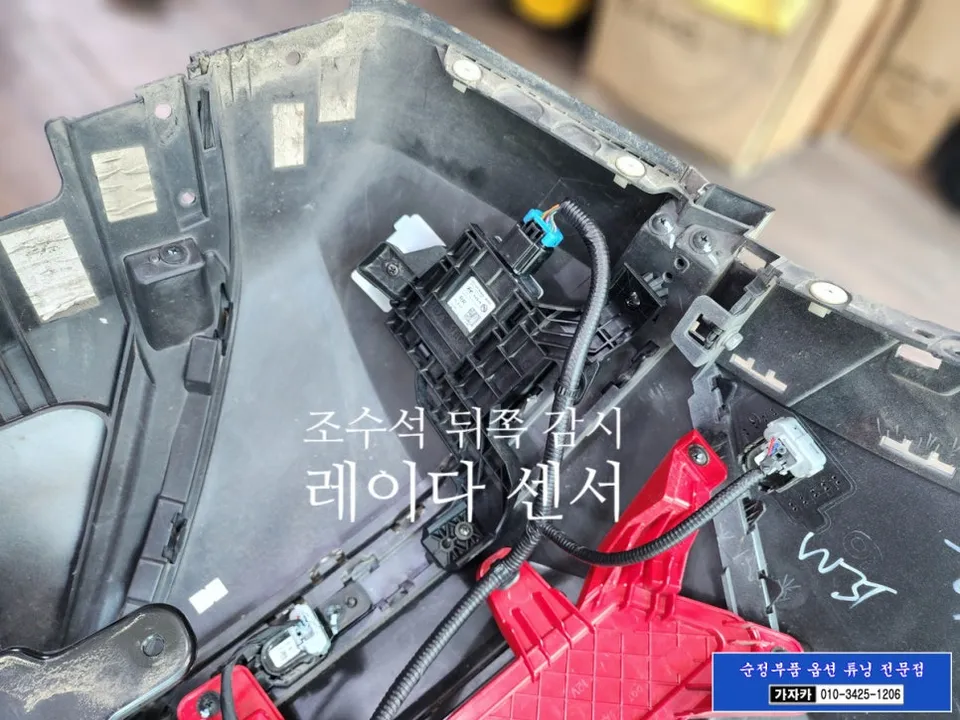
This installation focuses on integrating the factory-intended Blind-Spot Collision-Avoidance Assist (BCA) system into your Hyundai IONIQ 5. The process begins with a thorough inspection, ensuring the vehicle is prepared for the upgrade. The core of the system involves installing radar sensors, typically located on the lower rear bumper. These sensors are the eyes of the BCA system, detecting vehicles in your blind spots.
Installation Process:
- Radar Sensor Installation: The rear bumper is carefully removed to access the mounting points for the radar sensors. These are then securely attached, ensuring proper alignment for optimal detection.
- Wiring Harness Integration: A dedicated wiring harness is meticulously routed from the sensors to the vehicle's main control module. This step requires precision to ensure all connections are secure and integrated correctly with the car's existing electrical system.
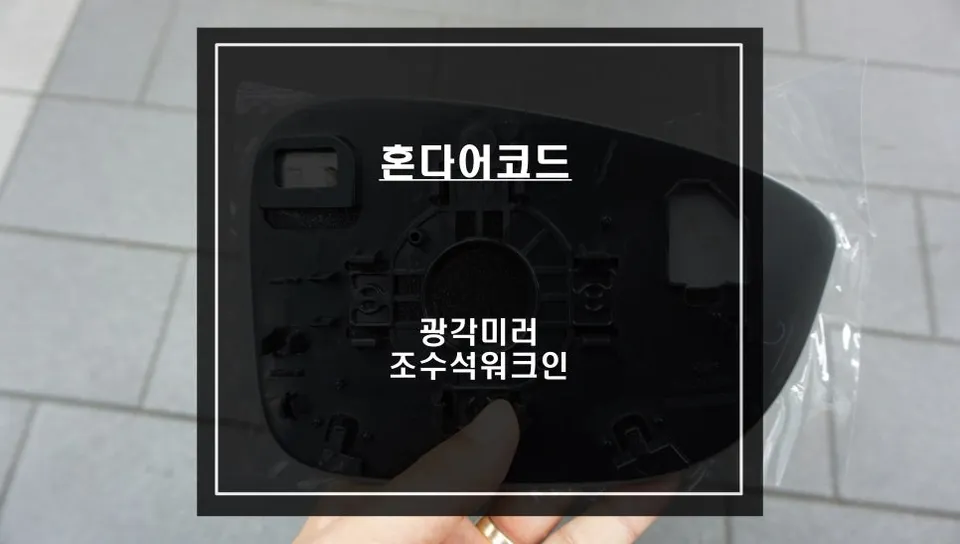
- Side Mirror Replacement: The side mirrors are upgraded with units that include integrated warning indicators. These triangular lights illuminate to alert the driver when a vehicle is detected in the blind spot.
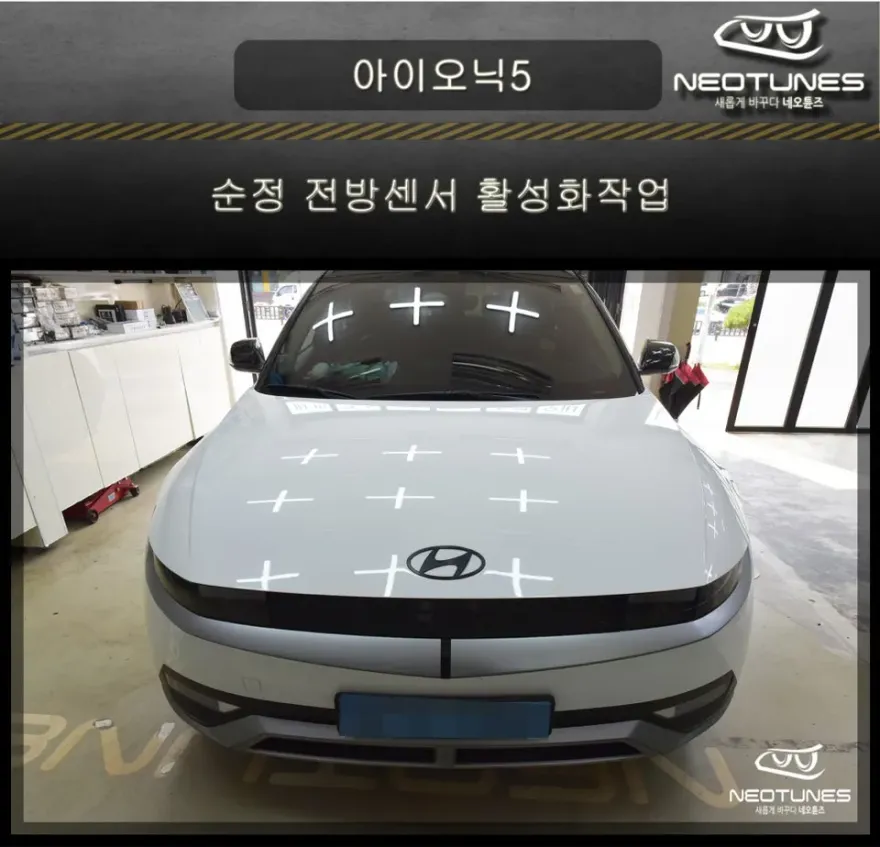
- Software Activation: Once the hardware is in place, diagnostic tools are connected to the vehicle's OBD-II port. The BCA system is then activated through the car's software, enabling its full functionality.
- System Testing: A comprehensive road test is performed to verify the system's performance. This includes checking that the warning lights activate correctly when vehicles approach from the rear and that audible alerts function as intended.
Cost-Effectiveness with Used Genuine Parts
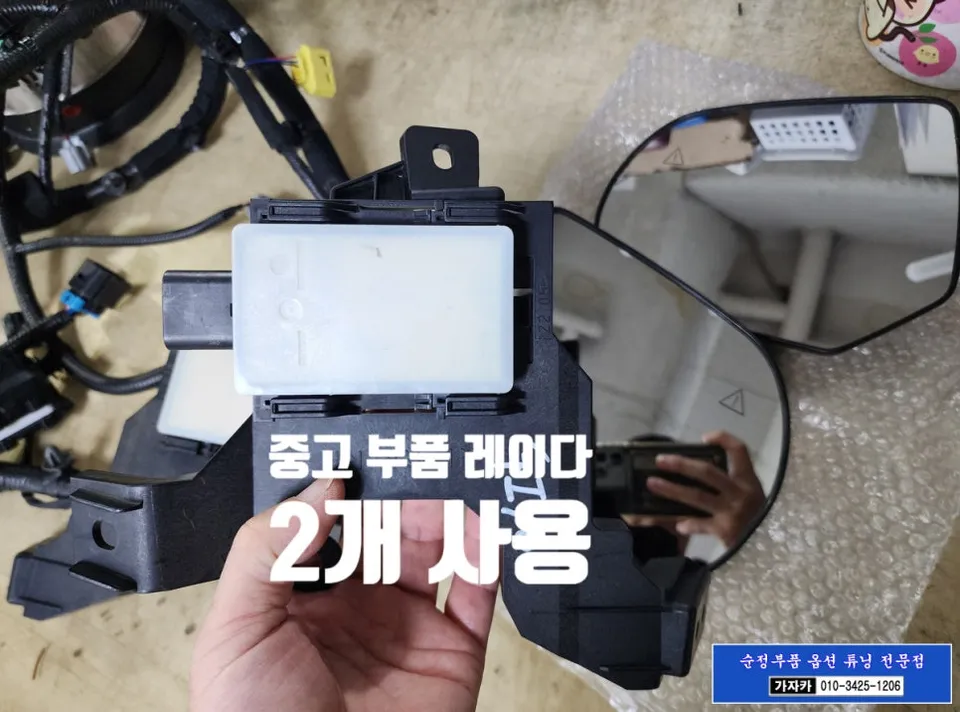
A significant advantage of this upgrade is its affordability, achieved by utilizing a used, genuine radar sensor. While the radar sensor may be pre-owned, all other components, including wiring and mirror units, are brand new genuine Hyundai parts. This approach drastically reduces the overall cost compared to using all-new components. In Korea, this method can offer savings of approximately 300,000 to 600,000 KRW (roughly $220-$440 USD, subject to exchange rates), making a substantial difference in the OEM options cost. This makes the OEM options cost significantly more accessible for owners looking to enhance their IONIQ 5's safety suite.
Added Safety and Smart Features
The primary benefit of this installation is the addition of the Blind-Spot Collision-Avoidance Assist (BCA) system. This feature is invaluable for preventing accidents during lane changes, especially in the quiet and swift IONIQ 5. The system provides visual alerts on the side mirrors and audible warnings if a potential collision is detected. This upgrade is highly recommended for new drivers, families relying on the IONIQ 5 as a primary vehicle, and anyone frequently driving on highways. The peace of mind that comes with enhanced safety is a significant return on investment for the OEM options cost.
Frequently Asked Questions
Q. How much does OEM option and factory upgrade installation cost for a Hyundai IONIQ 5?
This specific upgrade in Korea, utilizing a used radar sensor, costs approximately 300,000 to 600,000 KRW (around $220-$440 USD). Similar factory upgrades in the US can range from $500 to $1,500 depending on the specific feature and vehicle trim.
Q. How long does OEM options installation take on a Hyundai IONIQ 5?
The installation process for adding features like the Blind-Spot Collision-Avoidance Assist typically takes between 3 to 5 hours. Proper maintenance involves ensuring the radar sensors remain clean and unobstructed by debris for optimal performance.
Q. Are OEM options worth adding after purchase for a Hyundai IONIQ 5?
Adding OEM options like Blind-Spot Collision-Avoidance Assist is highly recommended for owners who frequently change lanes or drive in busy traffic. The enhanced safety and accident prevention capabilities provide significant value, making the OEM options cost worthwhile for peace of mind.
Q. How are OEM factory options installed on a Hyundai IONIQ 5?
OEM factory options are installed by integrating genuine manufacturer parts and software. The process typically involves 1. Mounting new sensors or modules, 2. Connecting them via a dedicated wiring harness, 3. Replacing relevant trim pieces (like mirrors), and 4. Activating the feature through the vehicle's diagnostic system.
Q. What is the difference between dealer-installed options and aftermarket upgrades for a Hyundai IONIQ 5?
Dealer-installed OEM options use genuine manufacturer parts and are integrated seamlessly with the vehicle's existing systems, often maintaining warranty coverage. Aftermarket upgrades are made by third-party companies and may offer more customization but can sometimes lead to compatibility issues or void parts of the vehicle's warranty.
OhCar Partner Shop