Hyundai IONIQ 5 Remote Start & Coding Review — Cost & Results
Service Price
Est. $750–1,150
Estimated price · Actual price may vary by shop
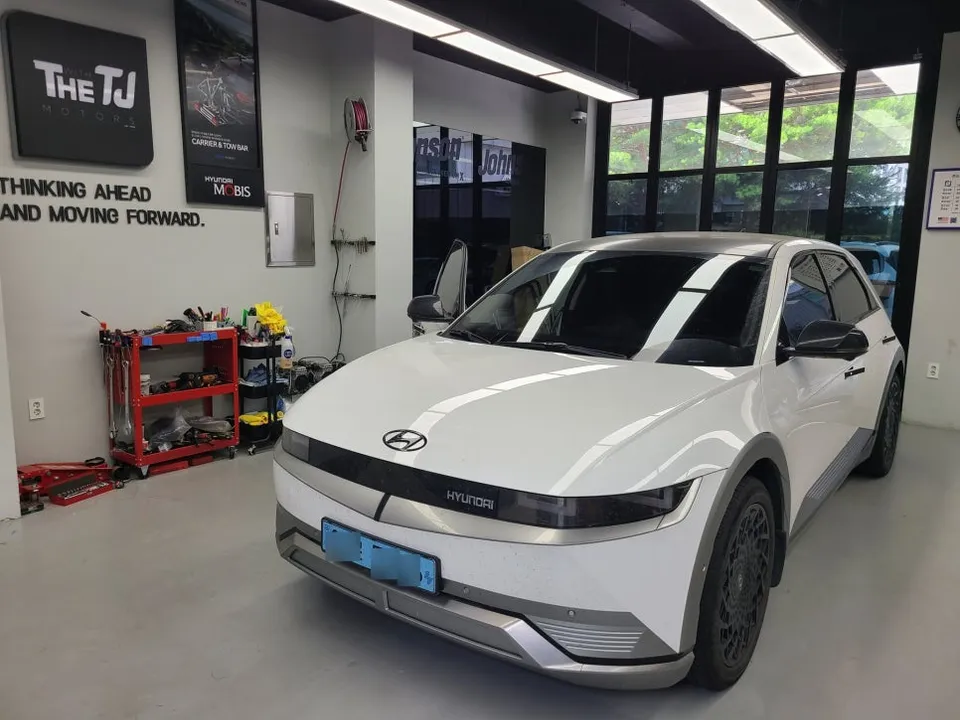
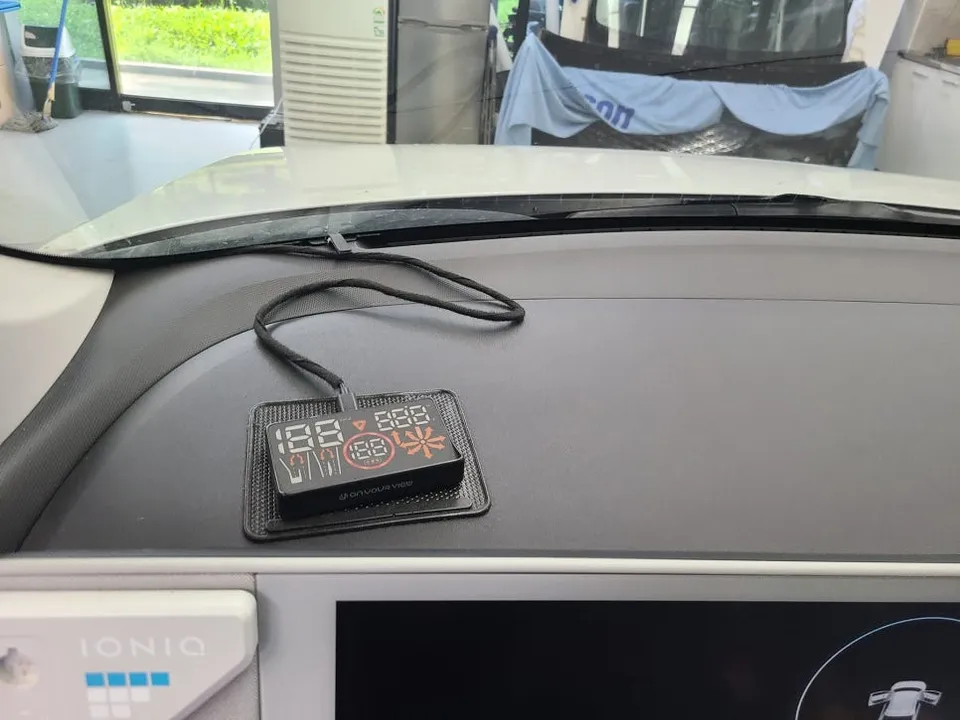
Hyundai IONIQ 5 Remote Start & Coding: Costs $300-$800+. Adds remote engine start convenience.
Hyundai IONIQ 5 Remote Start & Coding: Is It Worth It?
Many Hyundai IONIQ 5 owners are considering adding a remote start system, often combined with vehicle coding services. While the original Korean context for this review focuses on a Head-Up Display (HUD) upgrade, the principles of vehicle coding and retrofitting apply broadly. This article will adapt that information to discuss the potential for remote start installation and coding on the IONIQ 5, covering what you can expect regarding the process, potential outcomes, and cost considerations for English-speaking markets.
Understanding Remote Start & Coding for Your IONIQ 5
Adding a remote start system to a vehicle like the Hyundai IONIQ 5, especially one that didn't come with it from the factory, often involves more than just installing a new key fob. Vehicle coding, sometimes referred to as firmware coding, is a crucial step. This process involves using specialized diagnostic tools to communicate with your car's onboard computers (ECUs) to enable new features or integrate aftermarket components. For a remote start retrofit, coding might be necessary to ensure the car's security system, ignition, and starter are properly recognized and controlled by the new system. The goal is to make the aftermarket addition function as seamlessly as a factory-installed option. This ensures that not only the remote start works, but other vehicle functions remain unaffected. The complexity and necessity of coding depend heavily on the specific remote start kit and the IONIQ 5's existing electronics.
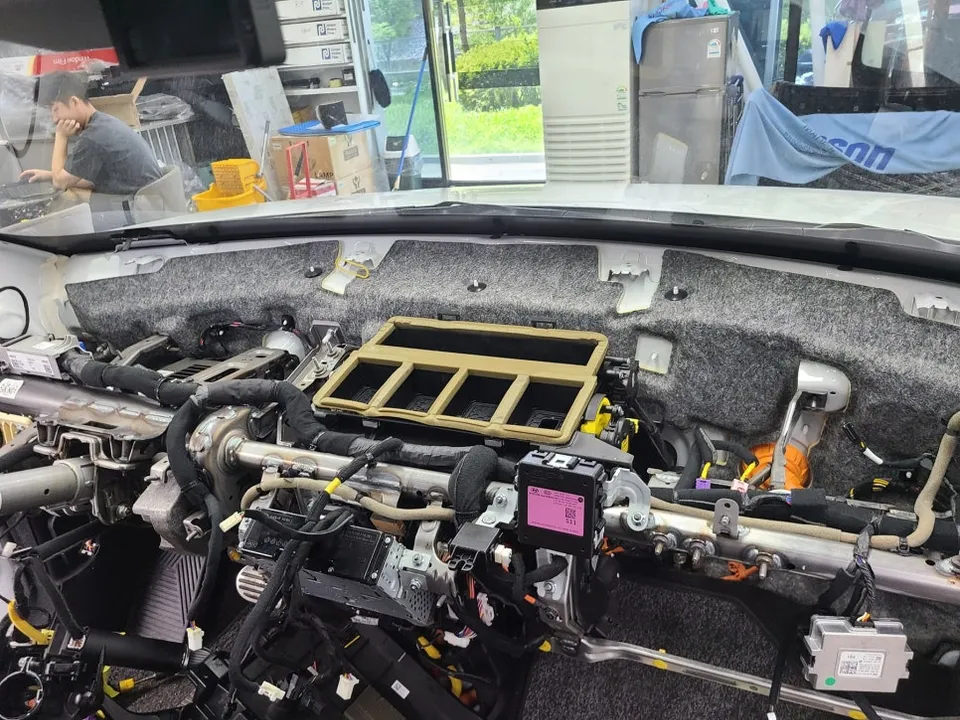
The Installation Process & Potential Outcomes
Installing a remote start system on a Hyundai IONIQ 5 typically involves several key steps. While the original context detailed HUD installation, the general approach for integrating new electronic modules is similar:
- Component Integration: The remote start module and associated wiring harness are carefully installed, often requiring access behind the dashboard and steering column.
- Wiring and Connections: Secure and correct connections to the vehicle's ignition, starter, battery, and potentially CAN bus network are essential. This is where professional expertise is vital to avoid electrical issues.
- Programming and Coding: Once hardware is installed, diagnostic software is used to program the vehicle's computer. This 'firmware coding' step activates the remote start functionality and ensures it communicates correctly with the car's security and power systems.
- Testing: Thorough testing of the remote start, lock/unlock functions, and any integrated safety features is performed to confirm proper operation.
The 'before and after' results of a successful remote start installation are significant. Before, you'd need to be physically in the car to start it. After, you can start the engine, and potentially activate climate control, from a distance using a key fob or smartphone app. This enhances comfort, especially in extreme weather. Durability is generally high for professionally installed systems, as they are designed to withstand daily use. Maintenance usually involves ensuring the key fob battery is replaced periodically and checking that the system continues to function correctly during regular vehicle use.
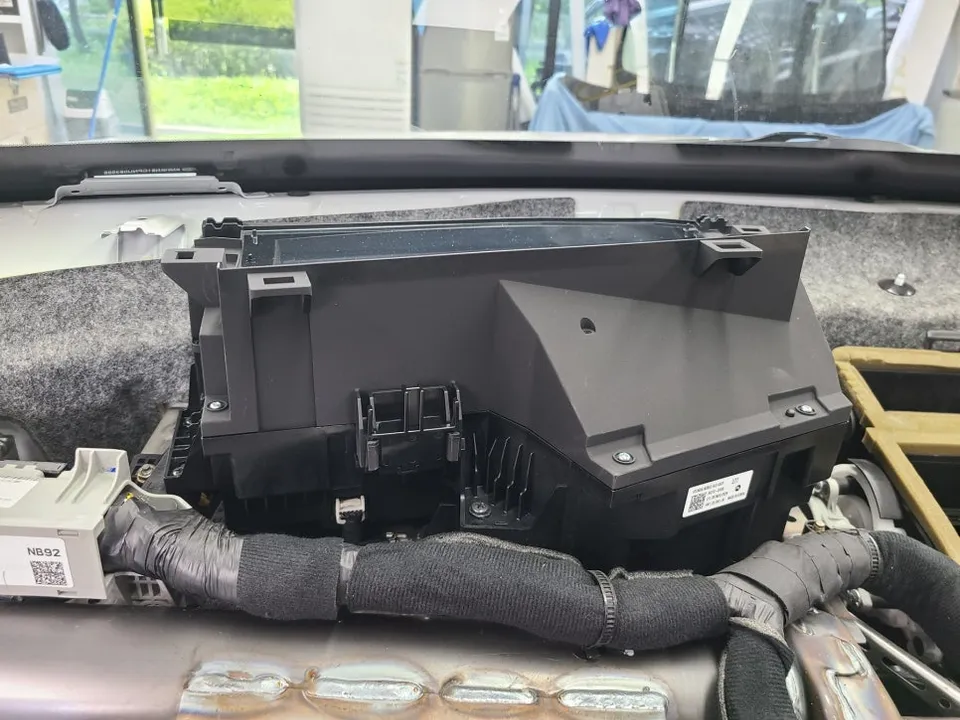
Making the Decision: Cost vs. Benefit
The Remote Start & Coding cost for a Hyundai IONIQ 5 can vary widely. While the original Korean context mentioned significant costs for HUD units (potentially over 1 million KRW, roughly $750+ USD), remote start systems and their installation might range from $300 to $800 USD or more, depending on the system's sophistication and the labor involved. It's crucial to research reputable installers who specialize in vehicle electronics and coding. The value proposition lies in the convenience and comfort gained. For those living in climates with harsh winters or hot summers, the ability to pre-condition the cabin can be a significant benefit, making the remote start cost a worthwhile investment. However, if you rarely experience extreme temperatures or don't prioritize remote cabin conditioning, the expense might not be justified.
Frequently Asked Questions
Q. How much does remote start or coding cost for a Hyundai IONIQ 5?
The Remote Start & Coding cost for a Hyundai IONIQ 5 can range from approximately $300 to $800 USD, depending on the system and installation complexity. Professional installation is recommended to ensure proper integration and avoid potential electrical issues.
Q. How long does a remote start coding session take on a Hyundai IONIQ 5?
While the coding itself is part of the installation, the entire remote start installation and coding process for a Hyundai IONIQ 5 typically takes a few hours. Durability is generally excellent for professionally installed systems, often lasting the lifetime of the vehicle with minimal maintenance beyond fob battery replacement.
Q. Is remote start coding worth it for a Hyundai IONIQ 5?
Remote start coding is worth it for Hyundai IONIQ 5 owners who frequently face extreme weather conditions and desire the convenience of pre-heating or cooling their vehicle. The added comfort and convenience can justify the investment for many drivers.
Q. How is remote start or vehicle coding performed on a Hyundai IONIQ 5?
Remote start installation involves physically integrating the starter module and wiring. Vehicle coding then uses diagnostic tools to program the car's computer, enabling the new remote start functionality and ensuring it communicates correctly with the vehicle's systems.
Q. What is the difference between remote start coding and ECU tuning for a Hyundai IONIQ 5?
Remote start coding enables features like remote engine start by integrating new hardware and programming existing ECUs. ECU tuning, on the other hand, modifies the engine control unit's software to alter performance parameters like horsepower and torque.
OhCar Partner Shop