Hyundai IONIQ 5 Window Tinting Review: Heat Rejection Film
Service Price
$40–80
Estimated price · Actual price may vary by shop
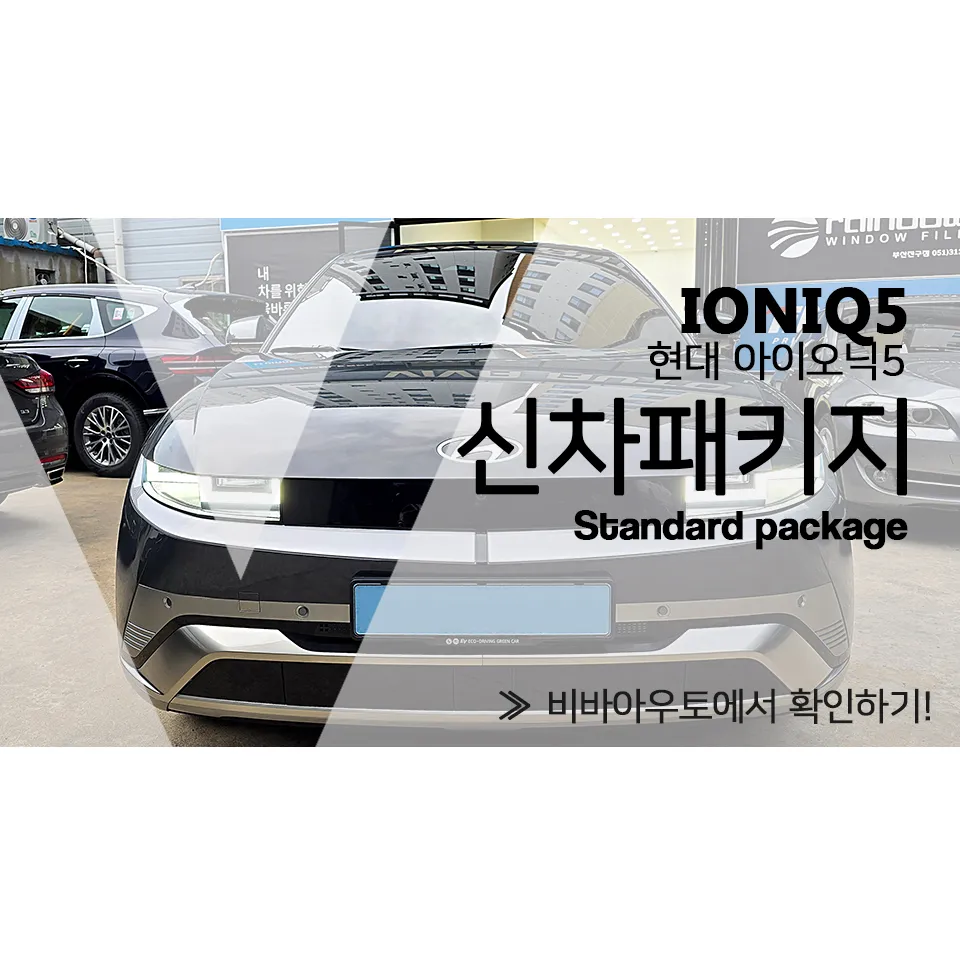
Hyundai IONIQ 5 window tinting with Lumina Veritas 900 film offers UV protection and heat rejection. Costs range from $220-$590 USD.
Enhancing Your Hyundai IONIQ 5 with Premium Window Tinting
For owners of the Hyundai IONIQ 5, especially those navigating the unique demands of electric vehicles, managing interior temperature and protecting sensitive components is paramount. Window tinting offers a significant upgrade, not just for aesthetics but for crucial thermal performance. This review delves into the benefits of high-quality window tinting, using insights from a recent installation on an IONIQ 5 in Busan, South Korea, featuring the advanced Lumar Veritas 900 film. The cost for such a service in Korea can range from approximately 300,000 to 800,000 KRW (roughly $220-$590 USD), with exact pricing determined after a vehicle consultation.
Why Choose Advanced Window Tinting for Your EV?
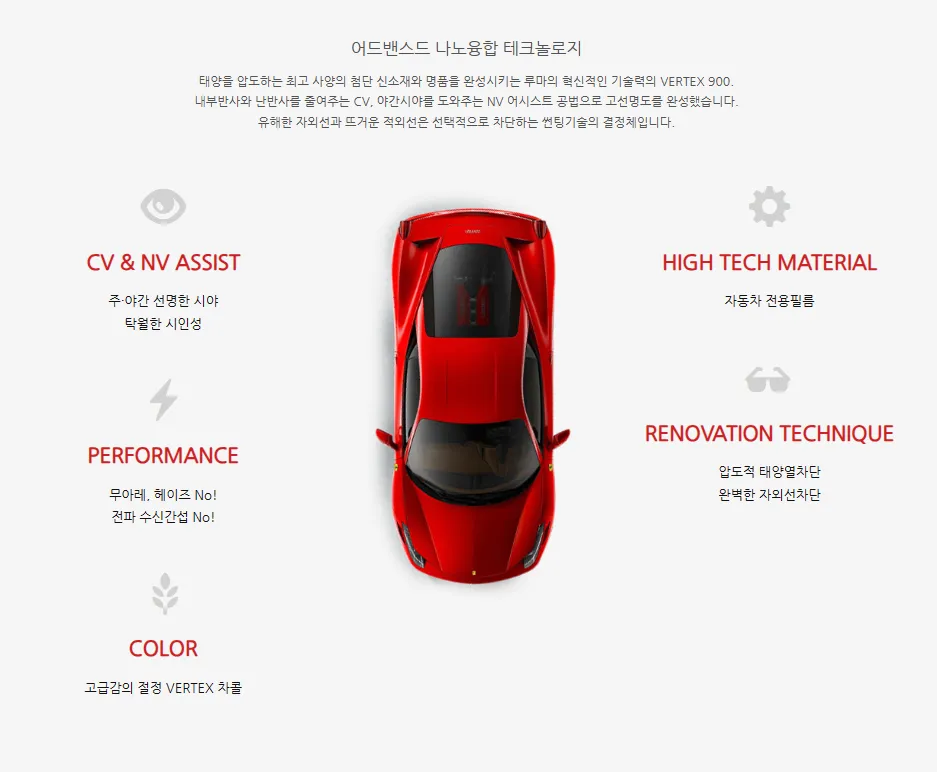
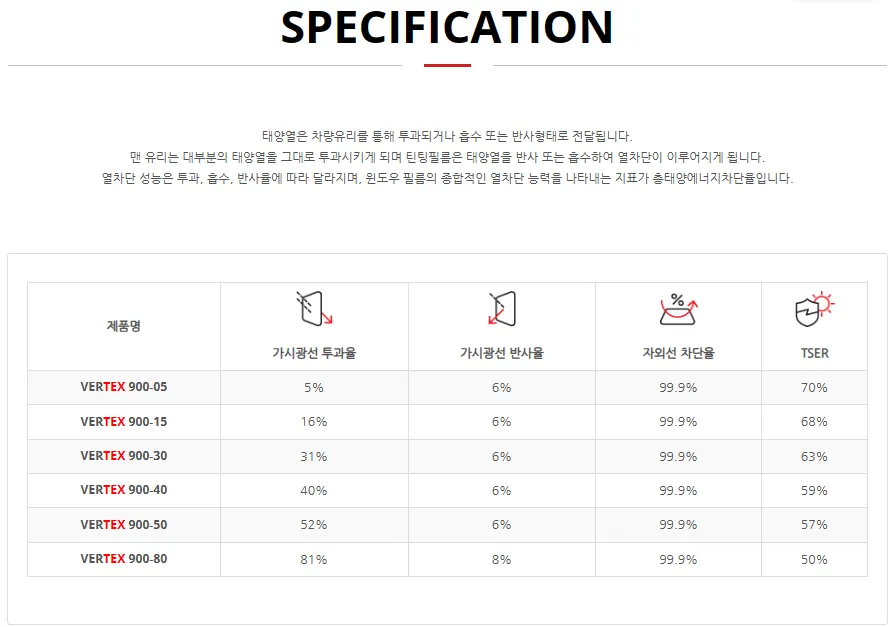
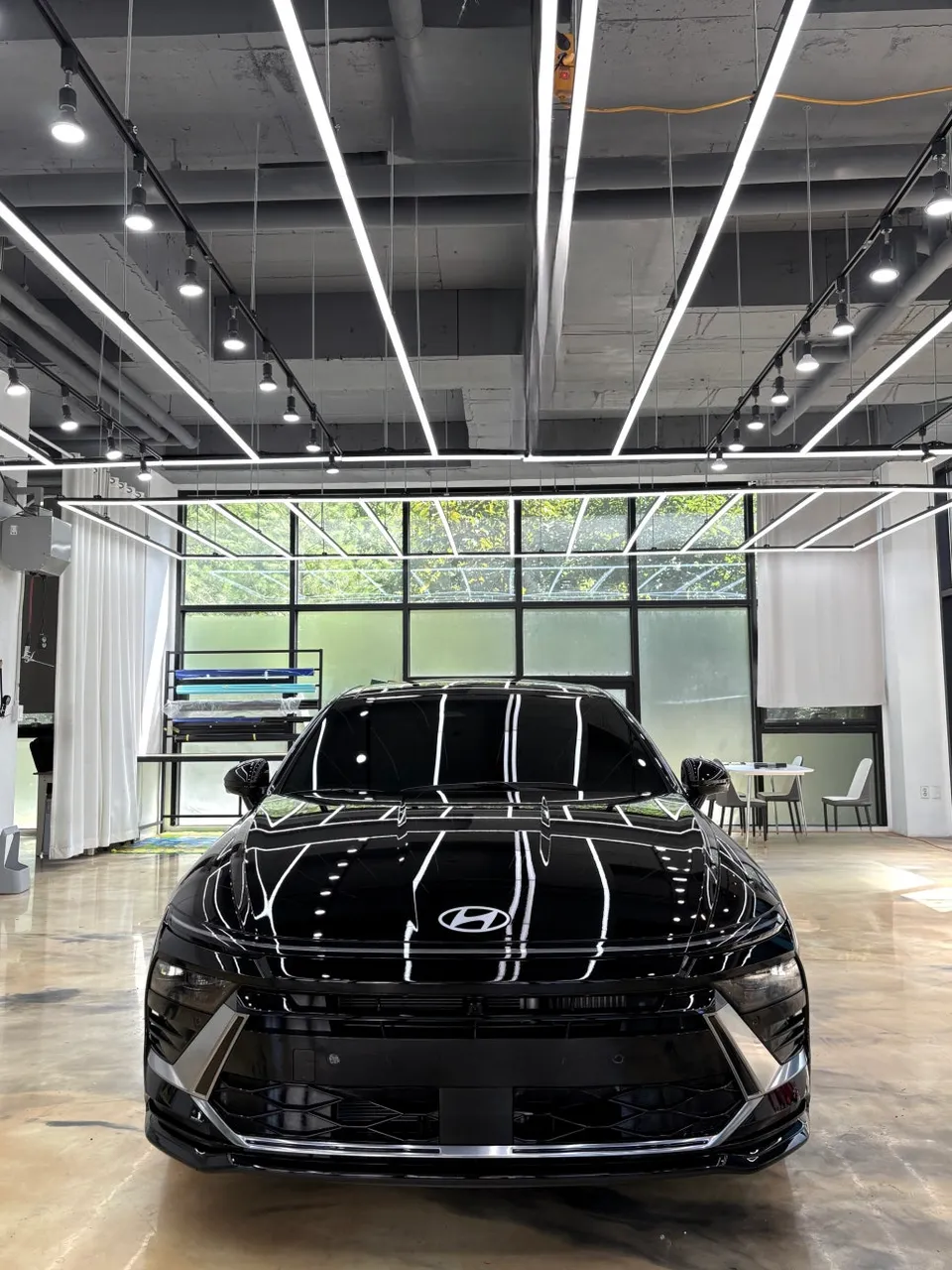
Electric vehicles like the IONIQ 5 rely heavily on efficient thermal management for battery health and cabin comfort. Advanced window films, such as the Lumar Veritas 900, are engineered with cutting-edge materials to selectively block solar heat. This film excels at reducing both internal and external glare, ensuring excellent visibility while filtering out harmful UV rays and excessive infrared heat. This results in a more comfortable cabin environment, reducing the strain on your car's climate control system and potentially improving range. The specific installation discussed involved a 30% tint on the front windshield and 15% on the side and rear windows, striking a balance between privacy and clear outward vision.
The Installation Process: Precision and Protection
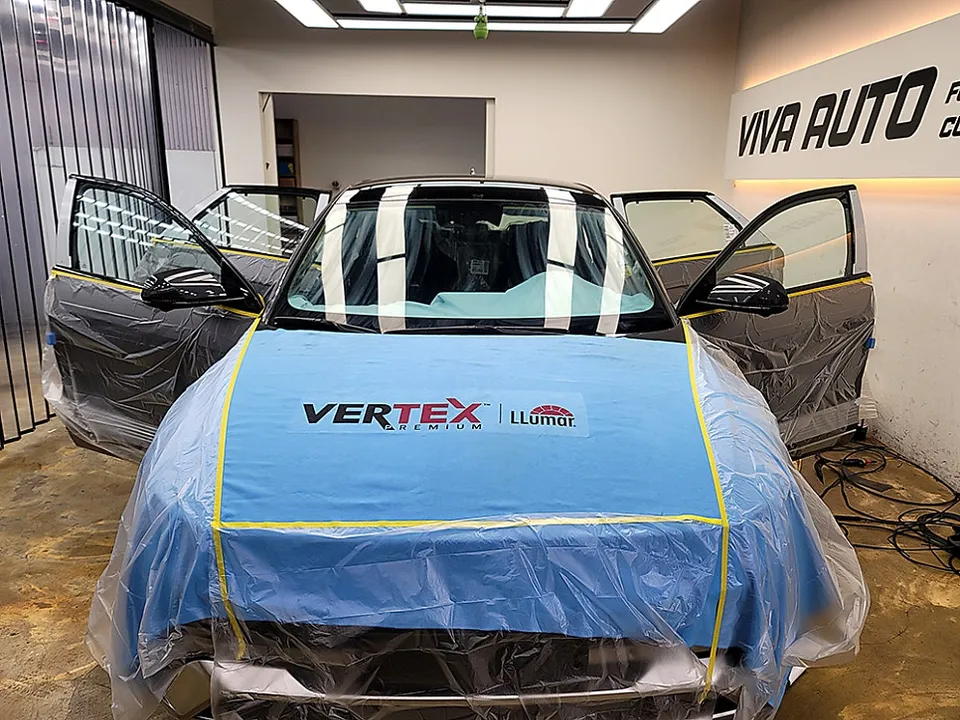
Achieving a flawless window tint installation requires meticulous attention to detail, beginning long before the film is applied. The process starts with thorough protective measures, known as 'boyang' work in Korean, where the vehicle's interior and exterior are carefully masked and covered to prevent any accidental contact with tinting film or cleaning solutions. This ensures the installer can focus solely on the precision application of the tint. The core of the installation involves precise heat-molding the film to the complex curves of the car's windows. Using a 'no-touch' vertical cutting method minimizes film damage. Skilled technicians carefully control heat application to prevent film cracking or distortion, preserving optical clarity. Dust control is also critical; advanced shops utilize systems like large atomizers and film shower stations to create a clean environment, preventing dust particles from becoming trapped between the film and glass. Finally, rigorous cleaning of the glass surfaces with premium tools ensures no imperfections mar the final look. For side windows, door panels are often temporarily removed to allow for a cleaner application and edge finishing, minimizing the risk of the film being pinched or creased.
Installation Process:
- Surface Preparation: Thorough cleaning of all glass surfaces to remove dirt, oils, and debris.
- Film Application & Heat Molding: Precisely cutting and applying the tint film, using heat to conform it perfectly to the window's curvature.
- Edge Sealing & Finishing: Ensuring a clean, tight seal around the edges of the windows, often involving detailed work on door panels.
- Curing: Allowing the film to fully adhere and cure, typically taking a few days, during which window operation should be limited.
Beyond tinting, comprehensive new car packages often include services like ceramic coating and paint protection film (PPF) for the body, further enhancing the vehicle's appearance and safeguarding its finish.
Frequently Asked Questions
Q. How much does window tinting cost for a Hyundai IONIQ 5?
The specific installation discussed in Korea cost between 300,000-800,000 KRW (approx. $220-$590 USD). Typical window tinting costs in the US can range from $40-$80 for basic dyed films to several hundred dollars for high-performance ceramic tints.
Q. How long does window tint last on a Hyundai IONIQ 5?
High-quality window tints, especially ceramic films, are very durable and can last for 10-15 years or more with proper care. To maintain your tint, avoid rolling down windows for the first few days after installation and clean them gently with a soft cloth and ammonia-free cleaner.
Q. Is ceramic tint worth the extra cost for a Hyundai IONIQ 5?
Ceramic tint is highly recommended for EVs like the IONIQ 5 due to its superior heat rejection and UV protection capabilities, which can improve cabin comfort and efficiency. The added cost is often justified by the long-term benefits in thermal performance and durability.
Q. How is window tint installed on a Hyundai IONIQ 5?
Installation involves meticulous surface preparation, precise heat-molding of the film to the glass, and careful application to prevent dust and ensure a clean finish. The process includes protecting the vehicle, cutting the film to size, applying it to the windows, and sealing the edges for a durable result.
Q. What is the difference between ceramic and dyed window tint for a Hyundai IONIQ 5?
Dyed window tint primarily offers privacy and some UV blocking by absorbing solar energy, but it can fade over time. Ceramic tint uses non-metallic particles to block heat and UV rays effectively without significantly reducing visibility, offering superior performance and longevity.
OhCar Partner Shop
More window tinting Reviews
See all →
More Hyundai Reviews
Pair with Another Service
Protect paint while you're at the shop
Add gloss and protection