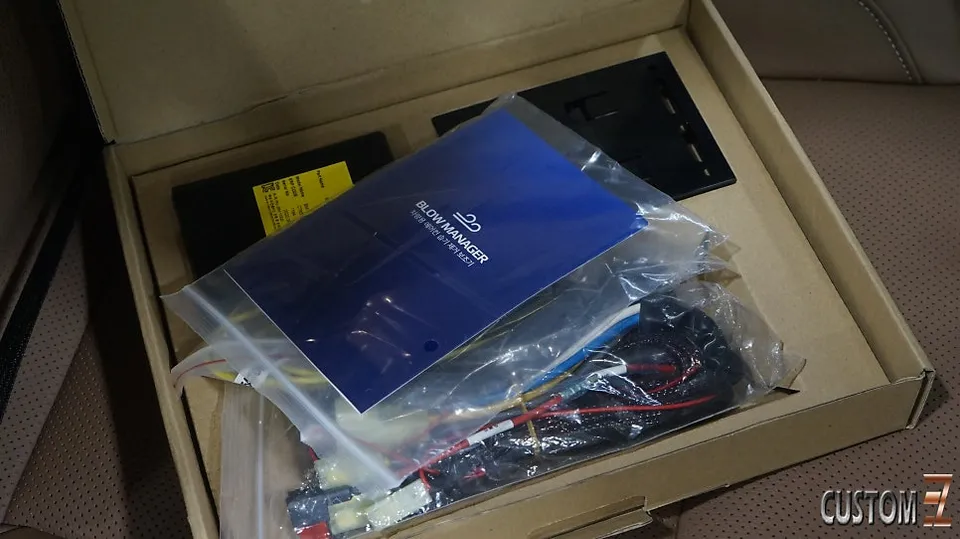
Hyundai IONIQ OEM Options Review — Cost & Results
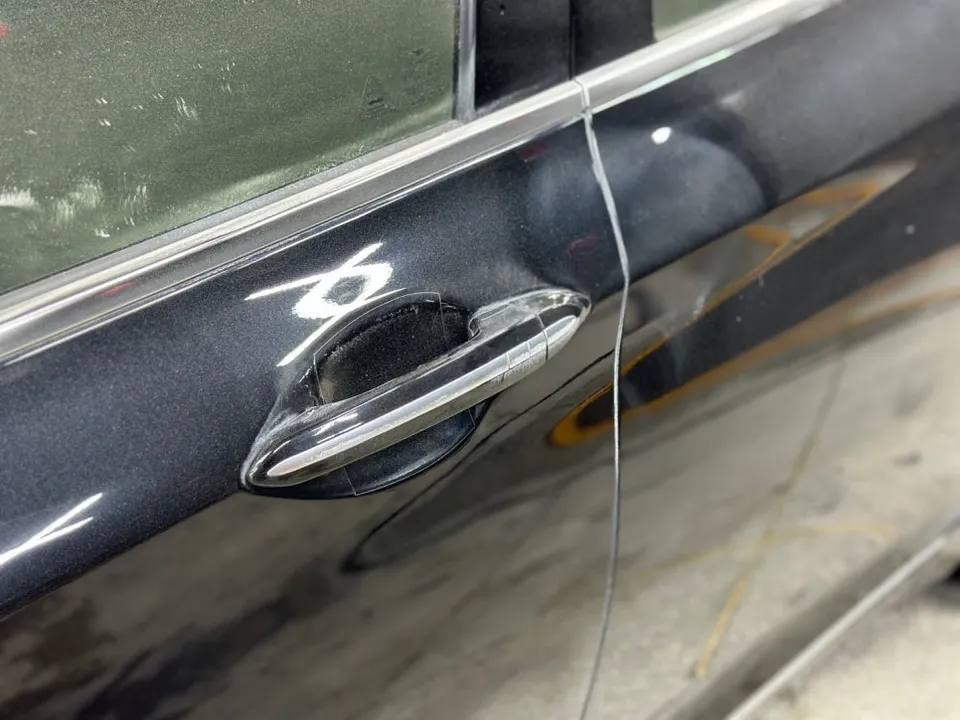
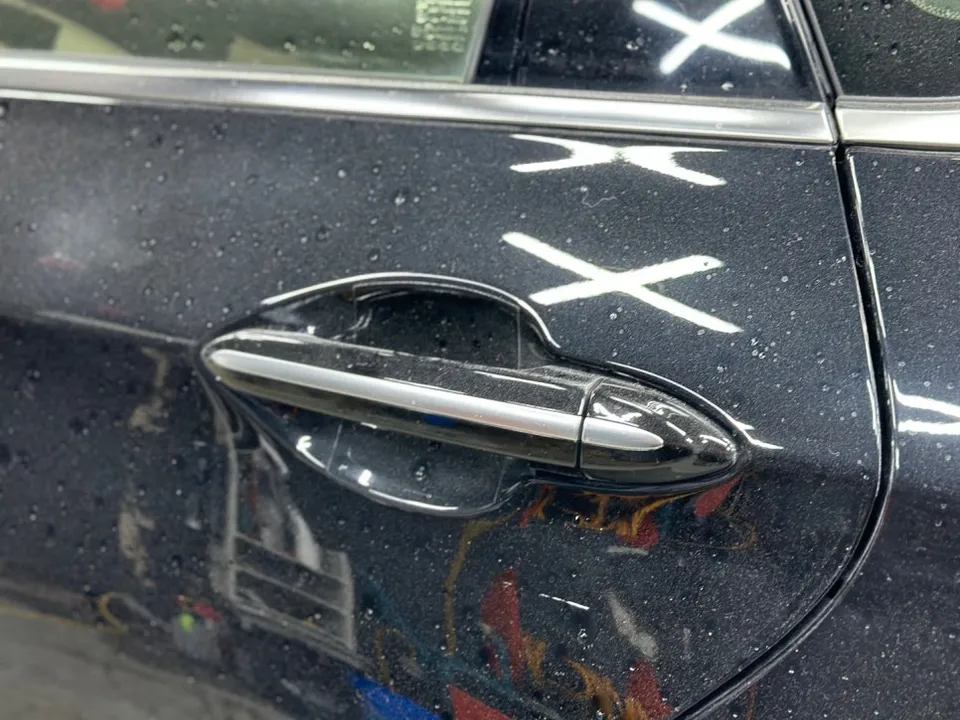
Hyundai IONIQ OEM options review: Factory upgrades and dealer retrofits cost, installation, and durability.
Upgrading Your Hyundai IONIQ with OEM Options
As vehicles age, components can wear out or become outdated, leading to inconvenience. For the Hyundai IONIQ, a common area of concern can be the door handles, often referred to as door catches. These include both the interior (inner catch) and exterior (outer catch) handles. Given their frequent use for entry and exit, they are prone to wear and tear, and occasional malfunctions. Fortunately, replacing these parts is often a manageable DIY project or a straightforward dealer option retrofit. The process and specific types of handles can vary by manufacturer and model, but understanding the options can help you maintain your IONIQ's functionality and aesthetics.
Understanding IONIQ Door Handle Types and Upgrades
Historically, door handles operated with an 'inside grip' mechanism, where you'd insert fingers into a slot and pull upwards. While functional, these older designs could be susceptible to damage, especially in cold weather or with excessive force. Modern vehicles, including many electric cars like the IONIQ, have evolved to more sophisticated designs. The 'pull-out' type improved on the older design by offering more clearance, allowing users to grip the handle more securely. More advanced are the 'auto-flush' types, where the handle is flush with the door panel and automatically extends when the smart key is detected. This design not only offers a sleeker look but also contributes to reduced aerodynamic drag during driving. Another trend is the 'touch-outside' type, which unlocks the doors simply by touching or gripping the handle while carrying a smart key. Some even feature auto-sliding buttons for effortless opening of heavier doors. When considering a factory upgrade or dealer option retrofit for your IONIQ, ensuring you select parts compatible with your specific model year is crucial. These can typically be sourced through the manufacturer's parts portal, authorized dealerships, or online retailers by searching for the correct part number.
DIY Installation vs. Professional Retrofit
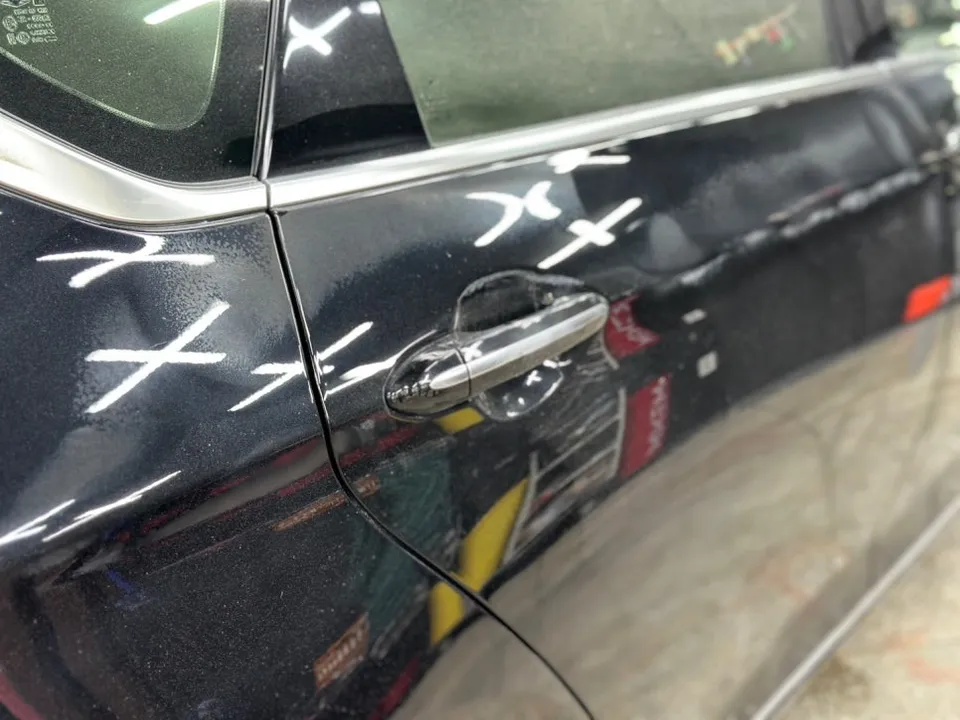
Replacing exterior door handles on your Hyundai IONIQ usually involves removing a circular plastic cap on the door edge to access and remove bolts. The handle assembly can then be carefully pulled out, followed by disconnecting any electrical connectors for illuminated or smart-entry features. After removing the old handle, the new OEM option can be fitted, and the assembly reversed. It's essential to test the functionality multiple times before concluding the installation. For interior door handles, the process typically requires removing the door trim panel from the inside. This can be more complex, as screw locations vary by trim level and model. Consulting a video tutorial specific to your IONIQ model is highly recommended for this task. Performing these replacements yourself can save on labor costs associated with a dealer option retrofit. If minor cosmetic issues like scratches are your primary concern, consider professional wrapping services. Various film colors are available, offering a cost-effective way to enhance the vehicle's appearance or add a custom touch without full part replacement.
Installation process:
- Identify and purchase the correct OEM parts for your Hyundai IONIQ model year.
- For exterior handles, remove the trim cap, unbolt the old handle, disconnect wiring, and install the new part.
- For interior handles, carefully remove the door trim panel to access the handle mechanism and replace it.
- Reassemble in reverse order and conduct thorough operational tests.
Frequently Asked Questions
Q. How much does OEM option and factory upgrade installation cost for a Hyundai IONIQ?
The cost for OEM options and factory upgrades on a Hyundai IONIQ can vary, but typically range from approximately $100 to $500 USD for parts and labor, depending on the specific option. Actual installation costs at a dealership may differ.
Q. How long does OEM options installation take on a Hyundai IONIQ?
Installation time for OEM options on a Hyundai IONIQ generally ranges from 1 to 3 hours, depending on the complexity of the part being retrofitted. Proper maintenance involves keeping the mechanisms clean and ensuring electrical connections are secure.
Q. Are OEM options worth adding after purchase for a Hyundai IONIQ?
Adding OEM options after purchase can be worthwhile if they enhance functionality, aesthetics, or resale value significantly for your specific needs. They are often best suited for owners who prioritize seamless integration and factory-backed quality.
Q. How are OEM factory options installed on a Hyundai IONIQ?
OEM factory options are typically installed by removing existing components, connecting any necessary wiring harnesses, and securing the new part using manufacturer-specified hardware. The process often involves disassembling interior trim panels or exterior access points, followed by a reverse assembly and functional testing.
Q. What is the difference between dealer-installed options and aftermarket upgrades for a Hyundai IONIQ?
Dealer-installed options are typically OEM (Original Equipment Manufacturer) parts designed specifically for the vehicle, ensuring perfect fit and function, while aftermarket upgrades are made by third-party companies and may offer more variety but potentially compromise integration. For guaranteed compatibility and warranty, OEM options are generally recommended.
Q. What should I know before getting OEM Options on a Hyundai IONIQ? (common regrets and mistakes)
The most common regret is not verifying compatibility with your specific IONIQ model year before purchase, leading to fitment issues or added costs. Always confirm part numbers with your VIN to avoid this mistake.
OhCar Partner Shop