Hyundai IONIQ PPF Installation Review: Cost & Results
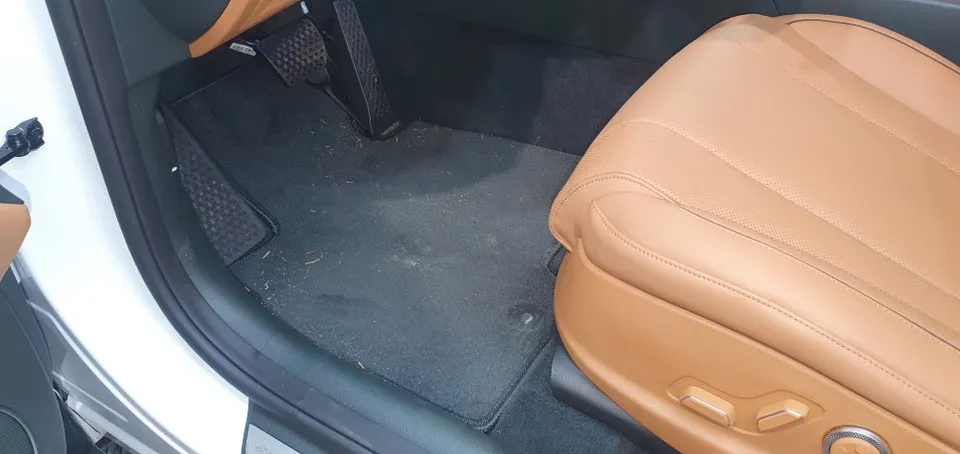
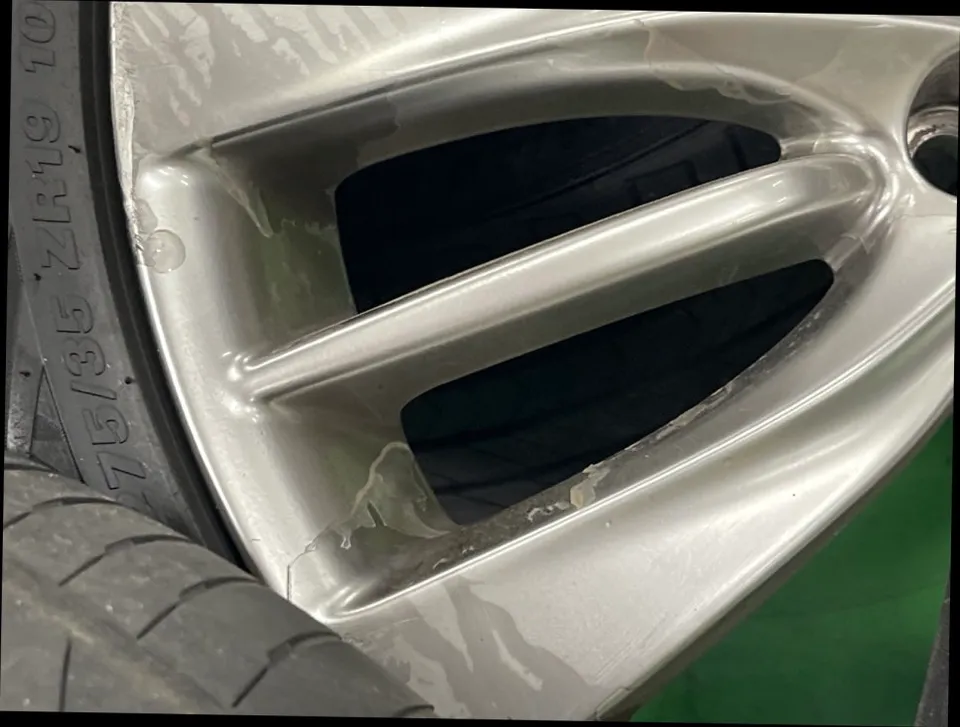
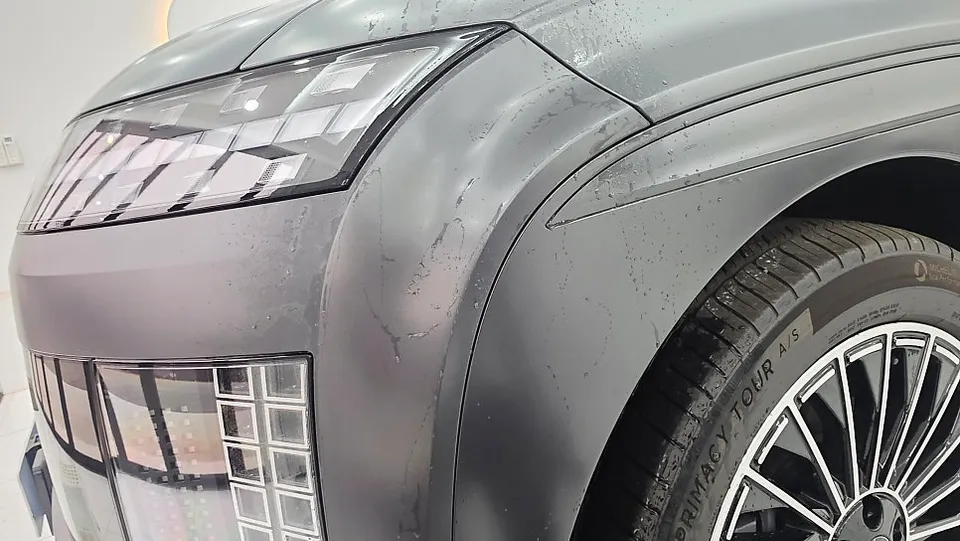
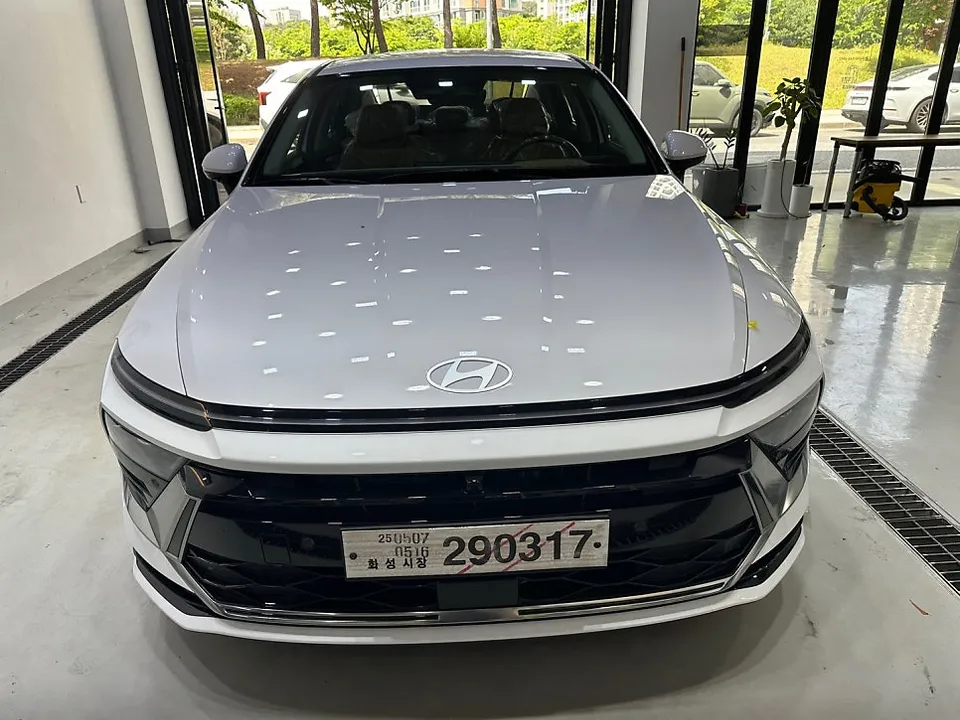
Before
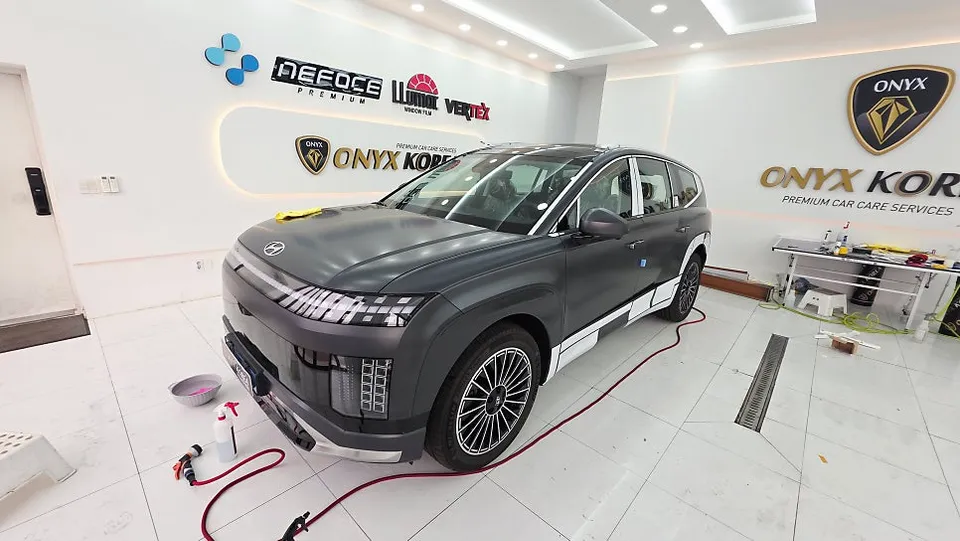
After
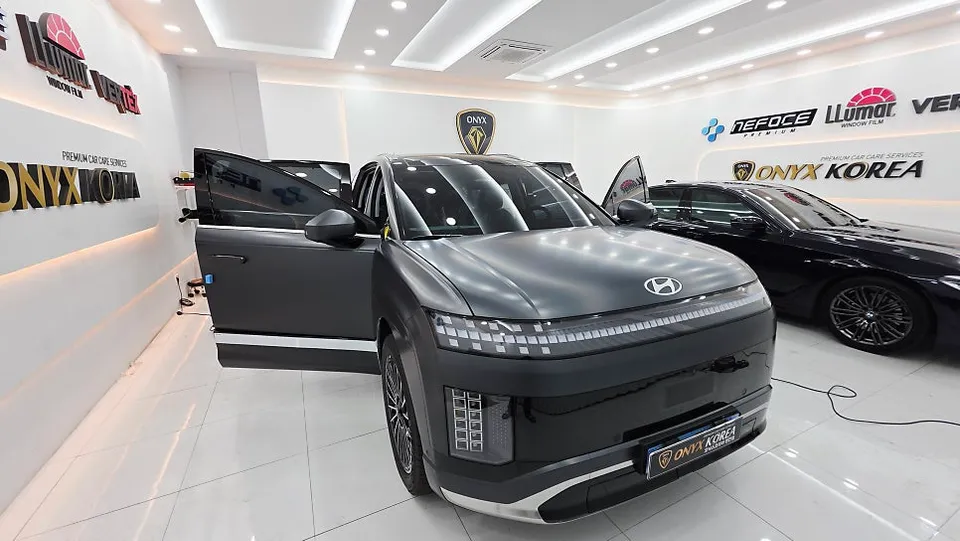
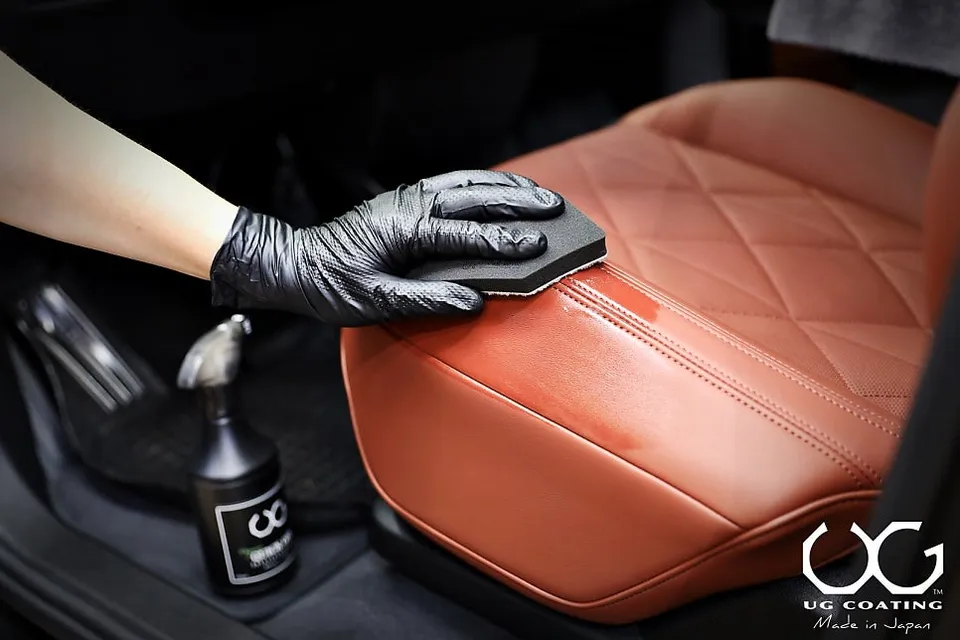
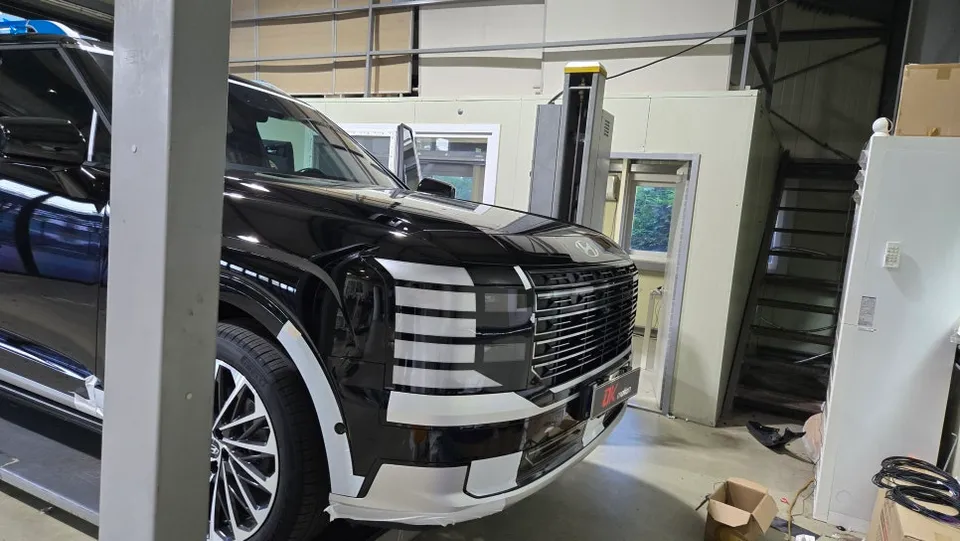
Process photos
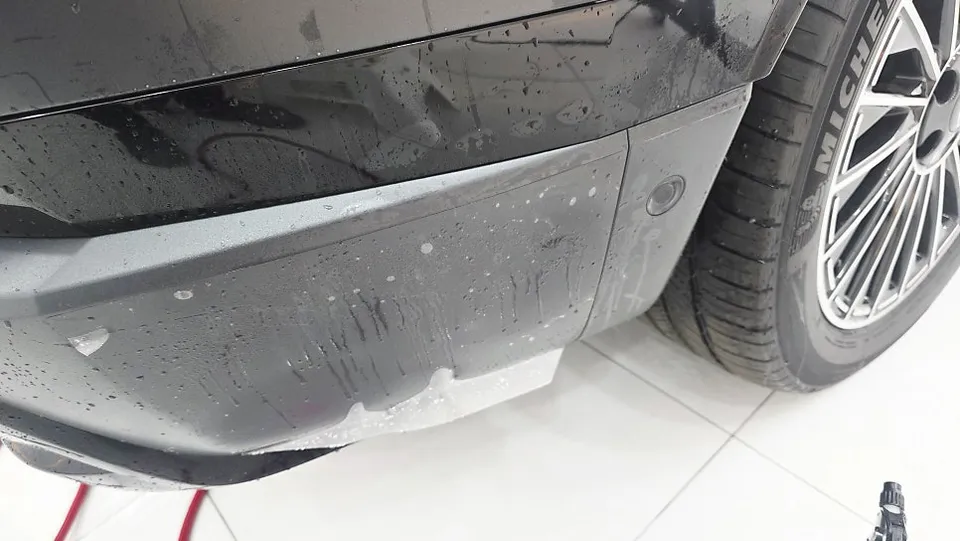
Hyundai IONIQ PPF installation offers excellent paint protection against chips and scratches. Costs vary, but it preserves your car's finish.
Hyundai IONIQ Paint Protection Film: A Comprehensive Review
When it comes to protecting your Hyundai IONIQ's paintwork from the daily grind, Paint Protection Film (PPF), often called a 'clear bra,' is a popular choice. This review delves into the specifics of PPF installation, focusing on what car owners in the US and UK need to know about its cost, effectiveness, and overall value. The original context for this review comes from a specialized detailing shop in Cheonan-Asan, South Korea, which highlights their precision computer-cut PPF services for all vehicle makes and models, including the Hyundai IONIQ. They emphasize damage-free application through meticulous data cutting, offering both full and partial PPF packages.
Understanding PPF for Your IONIQ
Paint Protection Film is a transparent, thermoplastic urethane film applied to painted surfaces of a new or used car. Its primary purpose is to shield the car's paint from damage caused by stone chips, scratches, bug splatters, and minor abrasions. For a vehicle like the Hyundai IONIQ, which might be chosen for its modern design and technology, maintaining its pristine appearance is often a high priority for owners. PPF offers a robust physical barrier that can significantly extend the life and aesthetic appeal of the original paint. The film is designed to be self-healing for minor scratches, meaning light abrasions can disappear with heat. While the original context doesn't specify exact pricing, PPF installation costs can vary widely based on the coverage area (full car vs. partial front end) and the quality of the film used. In South Korea, services like those offered by Onix Korea are noted for their precision, utilizing computer-cut patterns specific to each vehicle model, ensuring a perfect fit without compromising the car's bodywork. This approach minimizes the risk of damage during installation, a crucial factor for owners considering this investment.
Installation Process and Durability
The installation of PPF requires a clean environment and skilled technicians to achieve optimal results. The process typically involves several key steps:
- Surface Preparation: The vehicle's paintwork is thoroughly washed, decontaminated, and often clay-barred to remove any embedded contaminants. The surface is then meticulously cleaned and dried to ensure no dust or debris is trapped under the film.
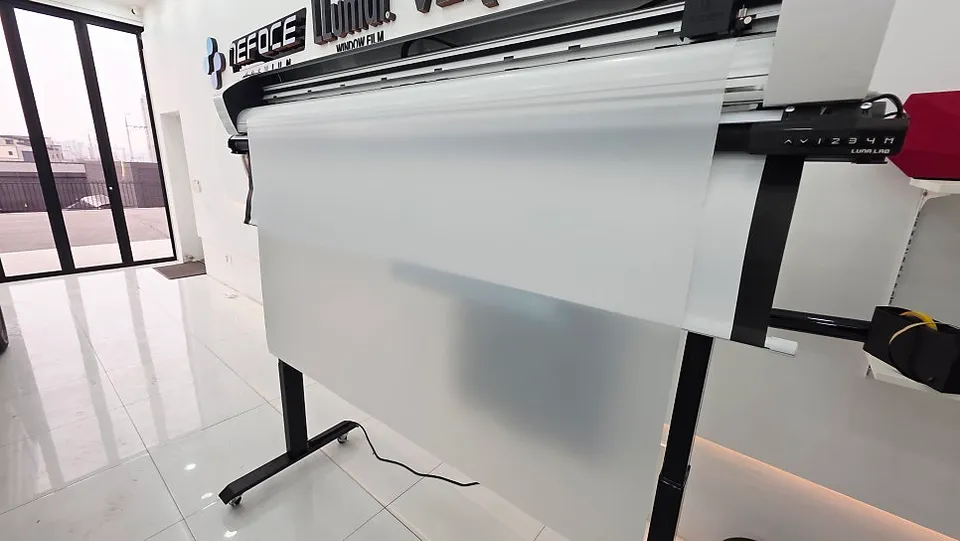
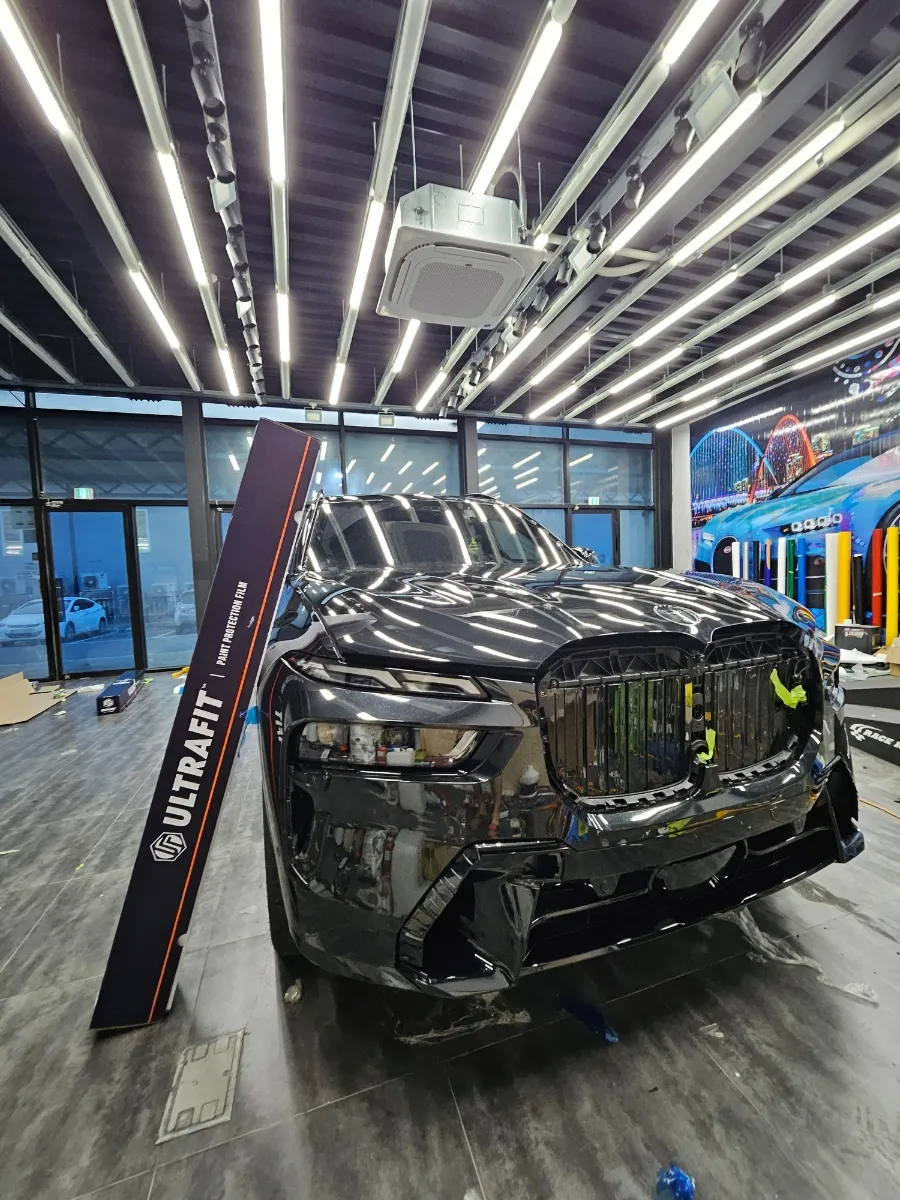
- Film Cutting: Using specialized software and plotters, the PPF is cut to precisely match the contours of the vehicle's panels. This computer-aided cutting ensures an accurate fit, especially around complex curves and edges.
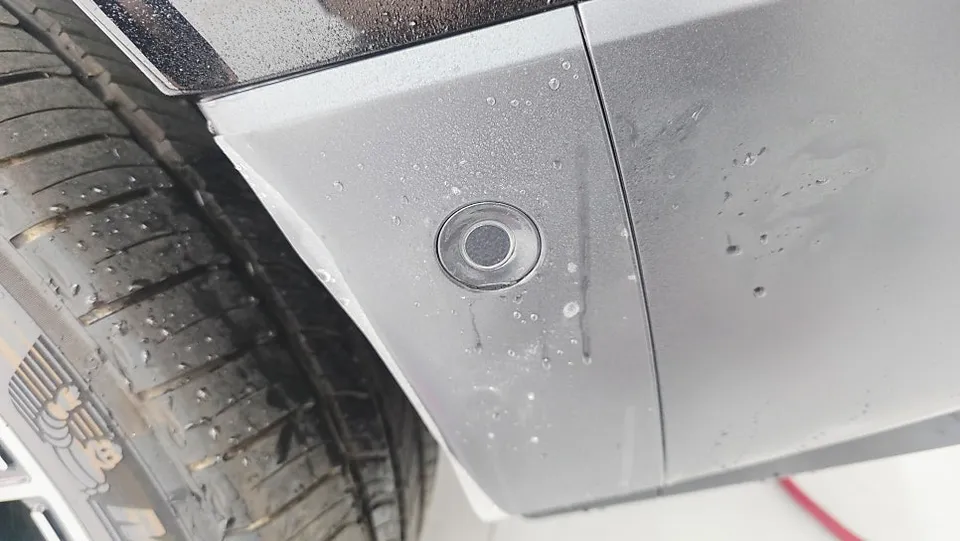
- Application: A specialized solution is sprayed onto the paint and the adhesive side of the film. The film is then carefully positioned and squeegeed to remove excess solution and air bubbles, ensuring a smooth, bubble-free finish.
- Finishing and Curing: Edges are tucked where possible, and the film is often heated with a heat gun to help it conform to the vehicle's shape and activate the adhesive. The film then needs time to cure fully.
Regarding durability, high-quality PPF can last anywhere from 5 to 10 years, depending on maintenance and environmental exposure. Regular washing and waxing (using paint-safe products) are recommended to maintain the film's clarity and protective qualities. Avoiding harsh chemicals and automatic car washes with abrasive brushes can also prolong its lifespan. The 'before and after' results are dramatic: the 'before' might show a hood with numerous small rock chips and scuffs, while the 'after' reveals a flawless, glossy surface that looks as if it just rolled off the factory floor. This level of protection is particularly valuable for the front bumper, hood, and fenders, which are most susceptible to impact damage.
Is PPF Worth It for Your Hyundai IONIQ?
Deciding whether PPF is worth the investment for your Hyundai IONIQ depends on your driving habits, environment, and long-term goals for the vehicle. If you frequently drive on highways, live in an area with rough roads, or simply want to maintain a show-car finish, PPF offers excellent protection against common paint damage. The cost of PPF installation can range from several hundred dollars for partial applications (like the front bumper and hood) to several thousand for a full car wrap. While this is a significant upfront cost, it can be less expensive than repairing or repainting damaged sections of the car later. The peace of mind that comes with knowing your IONIQ's paint is shielded from everyday hazards is a major benefit for many owners. The precision installation methods described by shops like Onix Korea ensure that the film integrates seamlessly with the car's design, providing both protection and aesthetic enhancement.
Frequently Asked Questions
Q. How much does PPF cost for a Hyundai IONIQ?
While specific pricing for the Hyundai IONIQ isn't detailed here, PPF installation costs typically range from $500-$1,500 for partial front-end coverage and $5,000-$8,000+ for a full vehicle wrap in the US. The original context highlights precision installation services available in South Korea.
Q. How long does PPF last on a Hyundai IONIQ?
High-quality Paint Protection Film can last between 5 to 10 years, depending on maintenance and environmental factors. To maximize its lifespan, regularly wash your IONIQ with pH-neutral soaps and avoid abrasive automatic car washes.
Q. Is PPF worth it for a Hyundai IONIQ?
PPF is highly recommended for Hyundai IONIQ owners who prioritize maintaining a flawless paint finish and frequently drive in conditions prone to stone chips and scratches. It offers superior protection against physical damage, potentially saving on future repair costs and preserving resale value.
Q. How is PPF installed on a Hyundai IONIQ?
PPF installation involves meticulous surface preparation, precise computer-aided cutting of the film to match the vehicle's contours, careful application using a slip solution to avoid bubbles, and final squeegeeing and heat-setting for a smooth, integrated finish.
Q. What is the difference between PPF and ceramic coating for a Hyundai IONIQ?
PPF provides a thick, physical barrier against impact damage like rock chips and scratches, while ceramic coating offers a thin, hard layer primarily for hydrophobic properties, gloss enhancement, and protection against minor chemical etching. For comprehensive protection against physical damage, PPF is the superior choice.
OhCar Partner Shop
More ppf Reviews
See all →
More Hyundai Reviews
Pair with Another Service
Complete your new car protection package