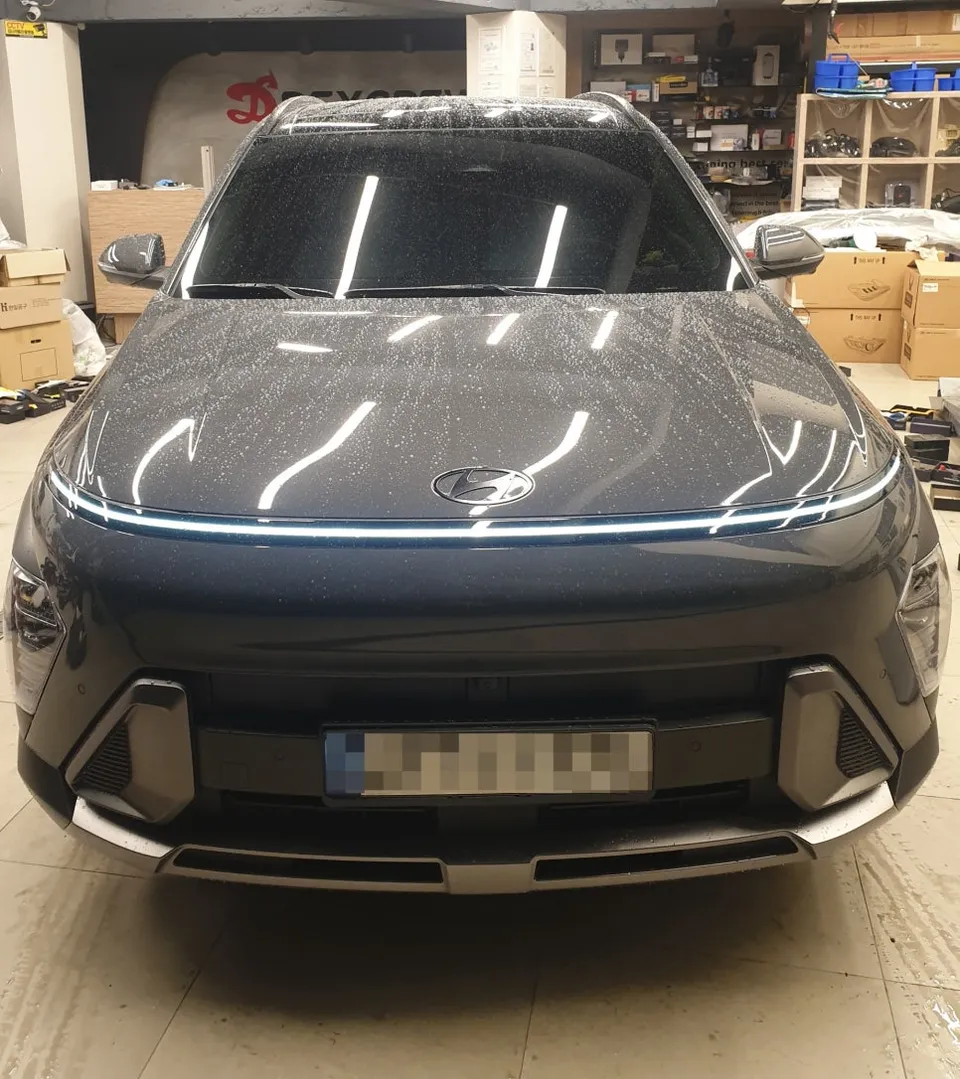
Hyundai Kona OEM Options Installation Review
Service Price
$under $40
Estimated price · Actual price may vary by shop
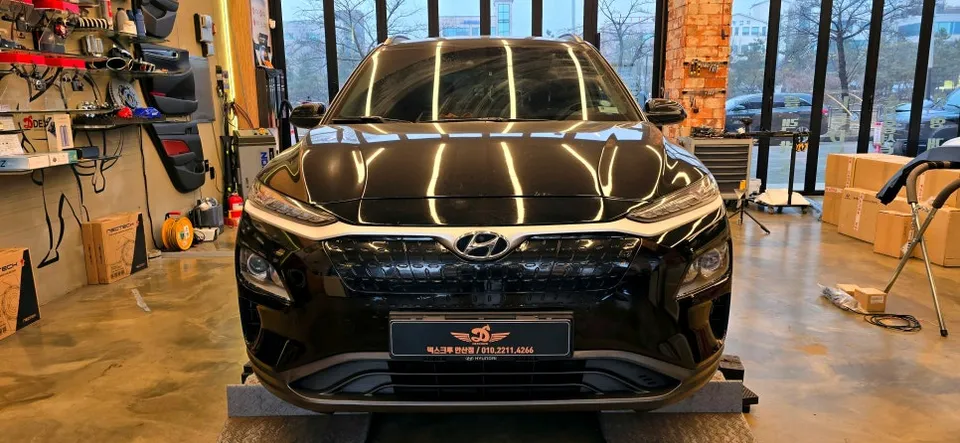
Hyundai Kona OEM Smart Cruise Control retrofit: under $40. Adds highway driving comfort and reduces fatigue.
Enhance Your Hyundai Kona with OEM Smart Cruise Control Retrofit
Many modern electric vehicles come equipped with advanced driver-assistance systems, but some Hyundai Kona EV owners find certain features missing. If you frequently drive long distances or spend a lot of time on highways, the absence of Smart Cruise Control (SCC) can be a noticeable drawback. Fortunately, it's possible to add this valuable factory option using genuine OEM parts. This review details the process and benefits of retrofitting SCC onto your Hyundai Kona EV, transforming your driving experience.
Hyundai Kona Smart Cruise Control: The Installation Process
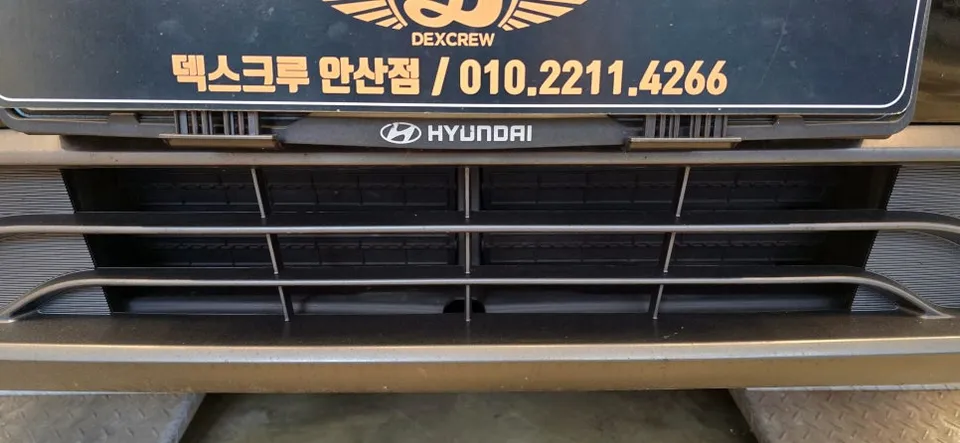
Adding OEM Smart Cruise Control to your Hyundai Kona EV involves a precise installation process using genuine components. The primary component for SCC is the front radar unit, which is mounted in the lower center of the front bumper. Your Kona EV likely has an empty space ready for this unit. The installation requires careful handling of vehicle parts and electrical systems to ensure seamless integration and functionality.
Installation process:
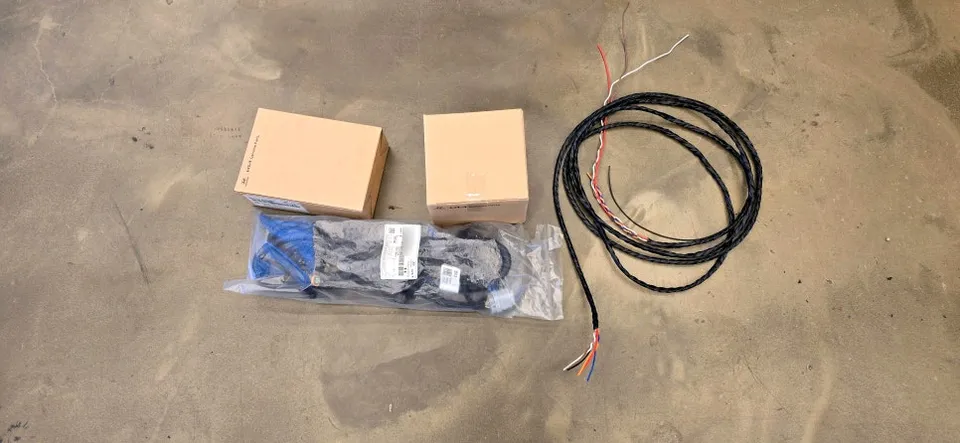
- Component Preparation: Necessary OEM parts, including the radar unit and updated steering wheel controls, are prepared.
- Radar Unit Mounting: The front bumper is carefully removed to access the mounting location. The radar unit is then securely installed on the bumper rail, ensuring it's perfectly aligned and level. Proper alignment is critical for the radar's accuracy.
- Wiring and Integration: The radar unit requires a dedicated wiring harness. Since the factory wiring for SCC is often absent in non-equipped vehicles, a specific repair harness is used to connect the radar to the vehicle's electrical system. This involves connecting the appropriate pins at the vehicle's joint connectors, ensuring waterproof connections for durability.
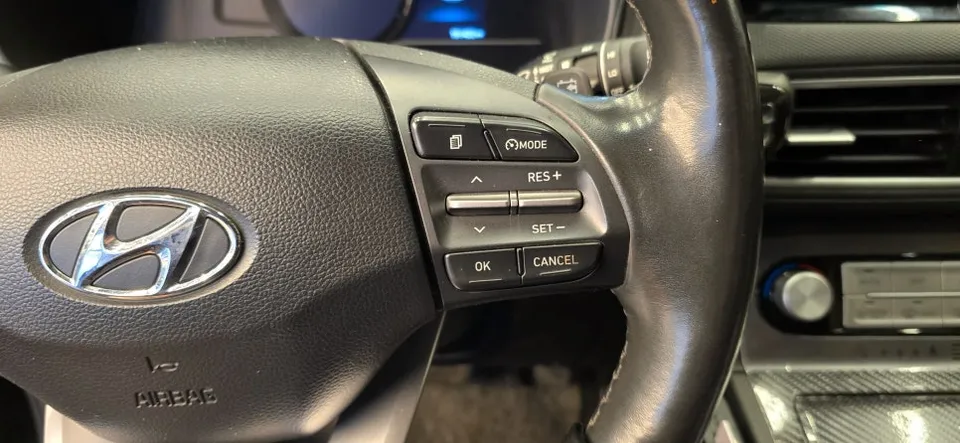
- Control Module Update: The steering wheel controls are replaced with the updated version that includes buttons for SCC operation, such as the 'OK' button and distance control.
- System Calibration: After all hardware is installed, a diagnostic tool is used to activate the new SCC function within the vehicle's computer and calibrate the radar sensor. This ensures the system operates correctly with the vehicle's existing systems.
The installation typically takes around 3 to 4 hours, depending on the specific vehicle model and any complexities encountered. The result is a factory-integrated system that functions just like it would have if it were originally equipped.
Experiencing the Benefits: Before and After SCC Installation
The most significant change after installing the OEM Smart Cruise Control is the enhanced comfort during driving, especially on highways. SCC automatically maintains a set speed and distance from the vehicle ahead, significantly reducing driver fatigue on long journeys. The updated steering wheel controls provide intuitive access to the system's functions, including adjusting following distance and activating High way Driving Assist (HDA), which relies on SCC for its operation.
Visually, the integration is seamless. The radar unit is hidden behind the bumper, and the new steering wheel buttons look and feel like original equipment. The system's status and settings are displayed on the instrument cluster, providing clear feedback to the driver. While the initial cost might seem significant, the improvement in driving convenience and safety often makes it a worthwhile investment for Kona EV owners who frequently travel long distances.
The estimated cost for this retrofit in Korea is under ₩50,000 (approximately under $40 USD). This price point makes it a relatively affordable upgrade compared to many other vehicle modifications. The durability of the system is expected to be on par with factory-installed options, as it uses genuine OEM parts and is installed by trained technicians. Regular maintenance is minimal, typically involving occasional cleaning of the radar sensor area if it becomes obstructed.
Frequently Asked Questions
Q. How much does OEM option and factory upgrade installation cost for a Hyundai Kona?
The OEM Smart Cruise Control retrofit for the Hyundai Kona EV costs under ₩50,000 (approximately under $40 USD) in Korea. Similar factory option retrofits in the US can range from $300 to $1000+ depending on the specific feature and vehicle.
Q. How long does OEM options installation take on a Hyundai Kona?
The installation of OEM options like Smart Cruise Control typically takes about 3-4 hours. The durability is expected to be excellent, as genuine OEM parts are used, and maintenance usually involves just keeping the radar sensor clean.
Q. Are OEM options worth adding after purchase for a Hyundai Kona?
Adding OEM Smart Cruise Control is highly recommended for Hyundai Kona EV owners who frequently drive on highways, as it significantly reduces fatigue and enhances comfort. The value proposition is strong, especially given the relatively low cost for the added convenience and safety features.
Q. How are OEM factory options installed on a Hyundai Kona?
OEM factory options are installed by carefully mounting components like radar units, updating control modules (e.g., steering wheel buttons), and integrating new wiring harnesses. The process includes precise calibration of sensors using diagnostic tools to ensure seamless functionality with the vehicle's existing systems.
Q. What is the difference between dealer-installed options and aftermarket upgrades for a Hyundai Kona?
OEM options, whether factory-installed or retrofitted using genuine parts, are designed and tested by the manufacturer for perfect integration and reliability. Aftermarket upgrades are made by third-party companies and may not offer the same level of fit, finish, or long-term reliability as OEM solutions.
OhCar Partner Shop