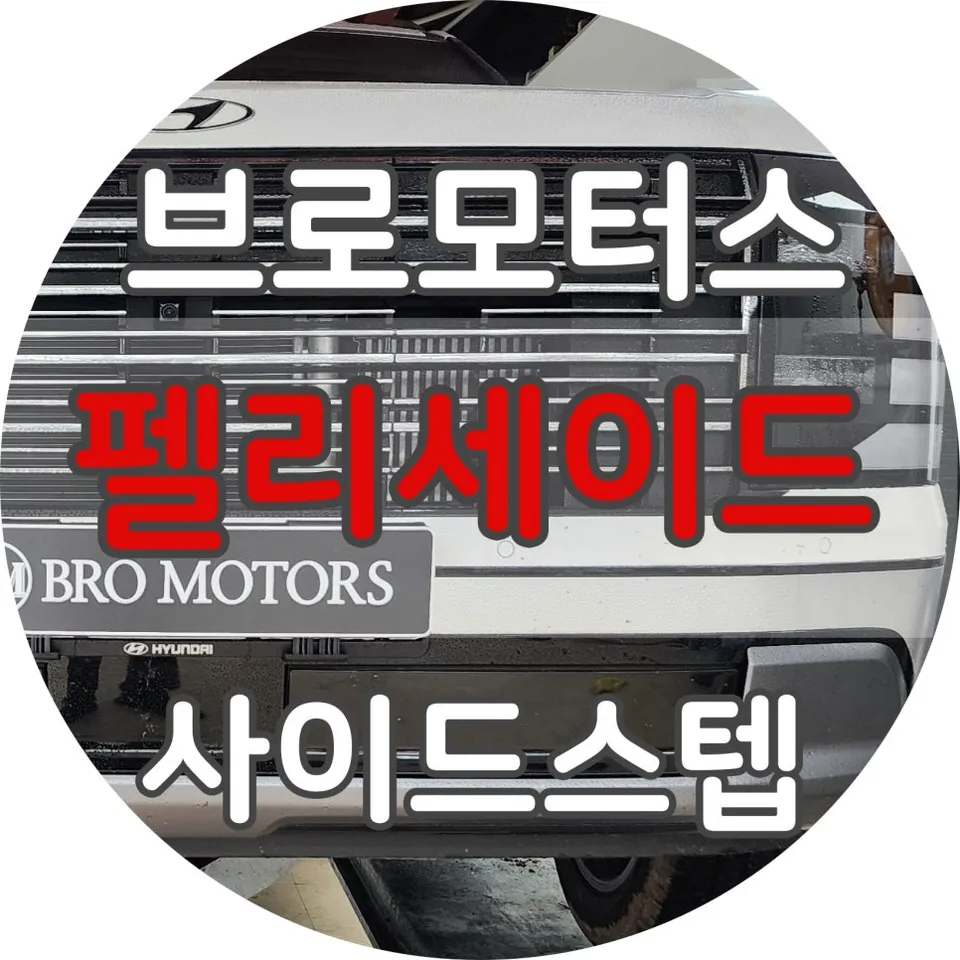
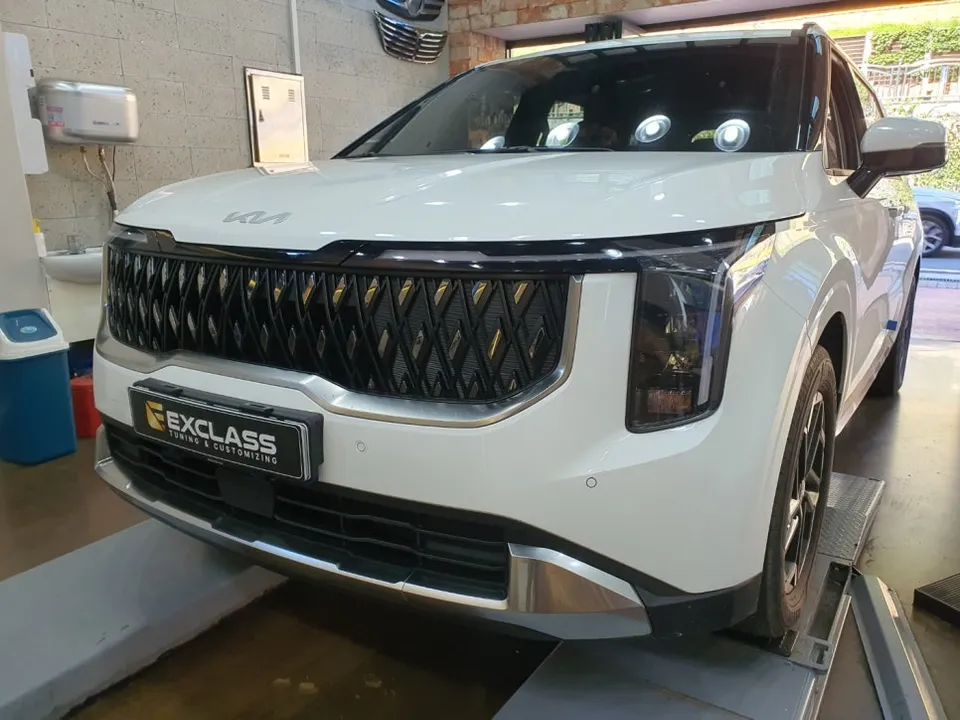
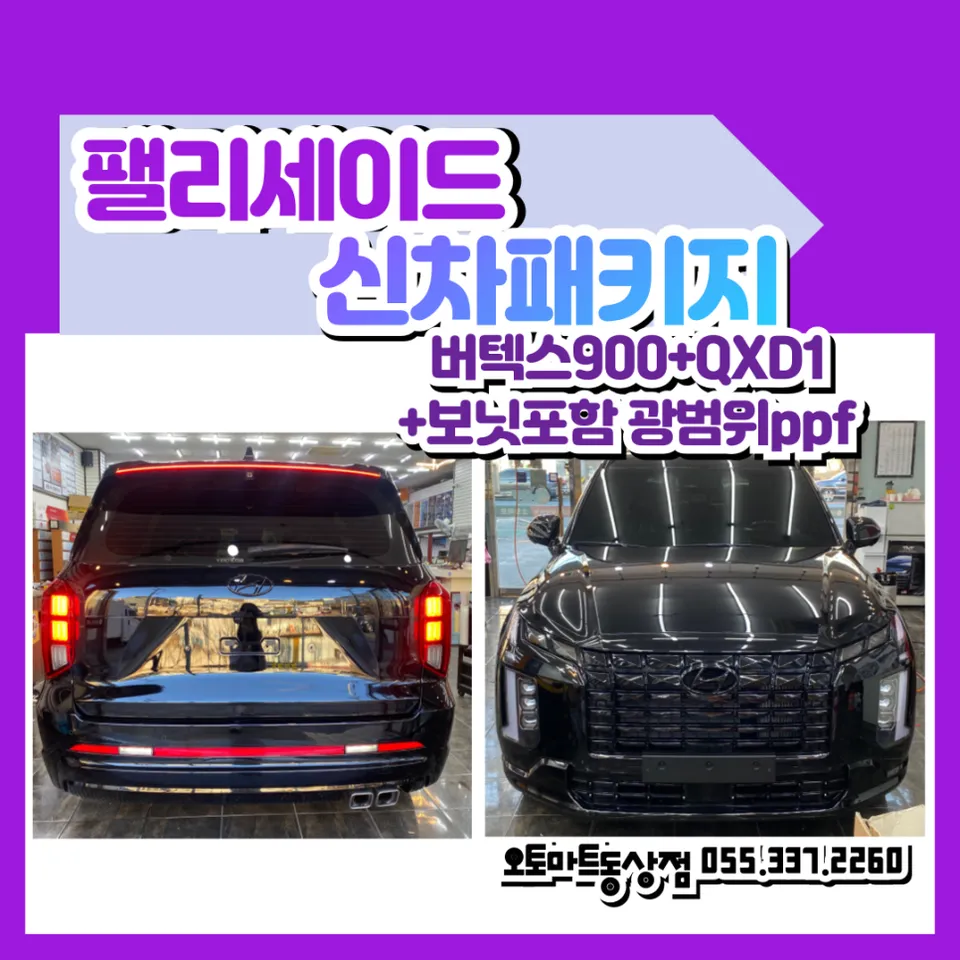
Hyundai Palisade Body Kit Installation Review
Service Price
$40–80
Estimated price · Actual price may vary by shop
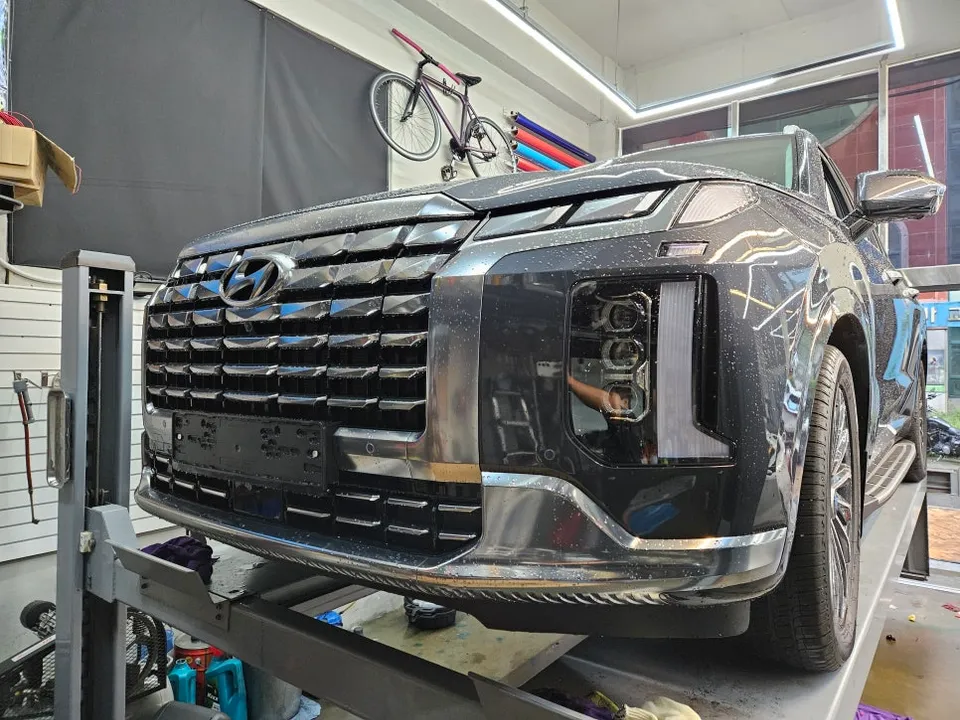
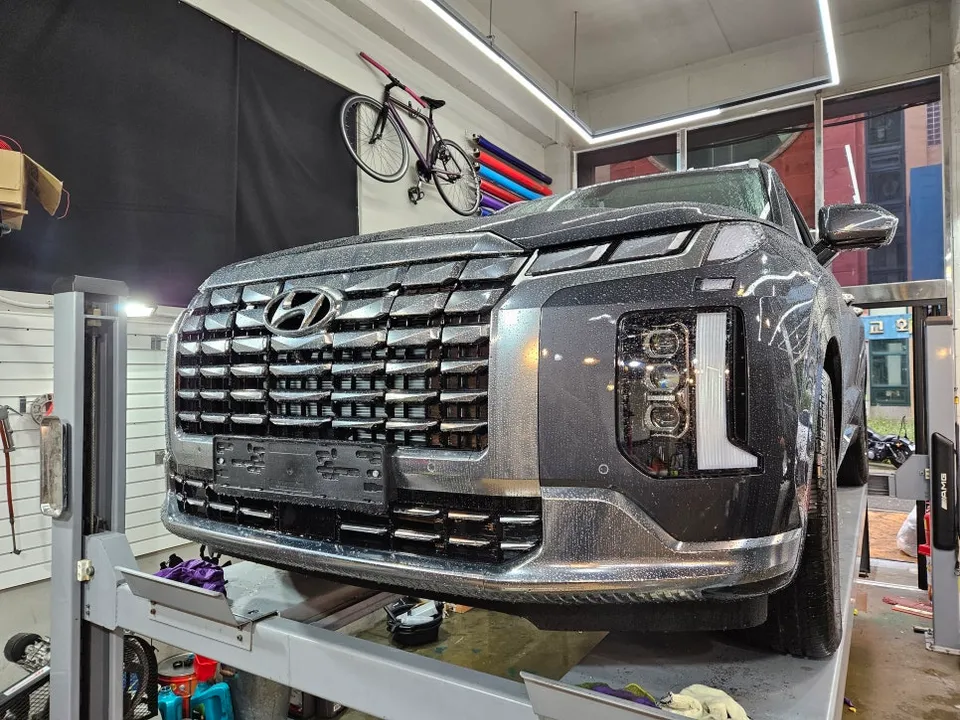
Hyundai Palisade body kit installation: Costs vary, genuine parts recommended for durability and fit. Enhances SUV's look.
Enhancing Your Hyundai Palisade with a Body Kit
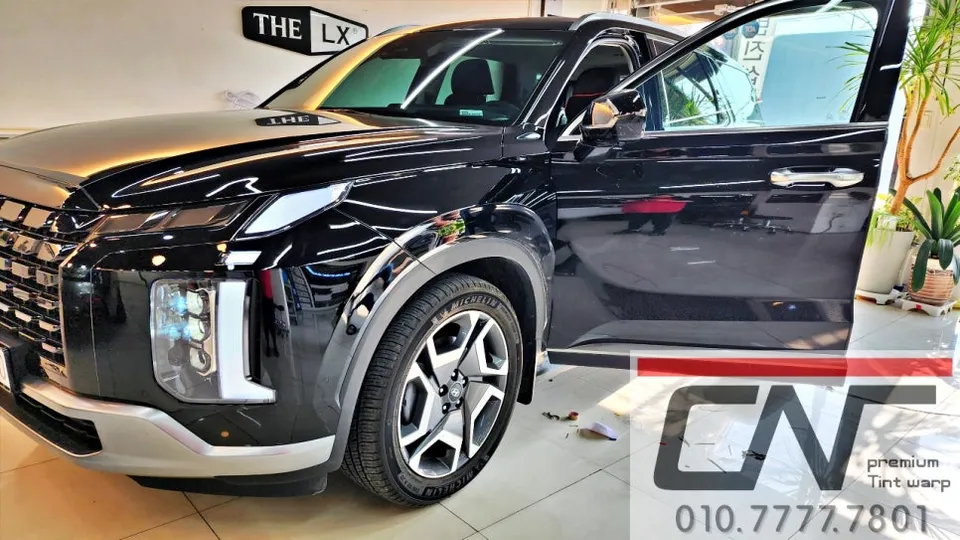
Many Hyundai Palisade owners look to enhance their vehicle's aesthetics and functionality, and a body kit is a popular way to achieve this. While the original Korean context focuses on side steps, the principles apply broadly to body kits, which often include elements like front lips, side skirts, and rear diffusers. These additions can give your large SUV a sportier, more aggressive stance. This review delves into the installation process, potential costs, and the overall value of fitting a body kit to your Palisade.
Body Kit Installation Process for the Palisade
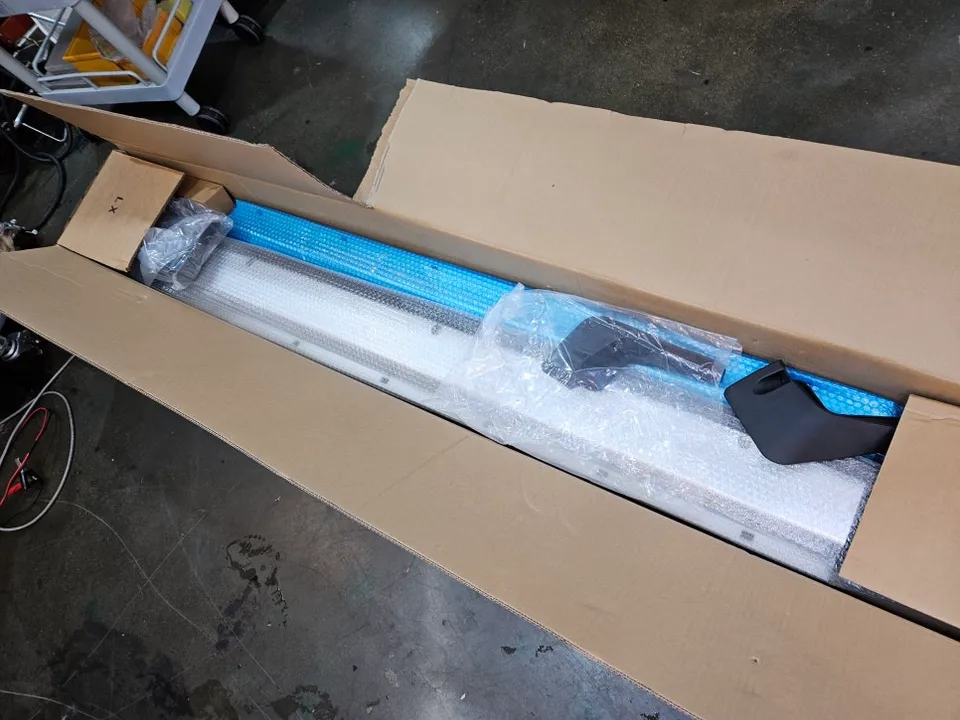
Installing a body kit on a Hyundai Palisade involves several key steps to ensure a perfect fit and finish. The process typically begins with a thorough inspection of all kit components to ensure nothing is missing or damaged. This includes checking for the correct number of mounting pins and bolts required for secure attachment. The next crucial step is precise positioning of the body kit parts, such as side skirts or a front lip, onto the vehicle's designated mounting points. Ensuring these parts are aligned correctly is vital for both aesthetics and structural integrity. Following alignment, the components are securely fastened using bolts, tightened to the manufacturer's specified torque values. This prevents rattling or movement during driving and ensures safety. Finally, any remaining elements, like trim pieces or mudguards, are fitted and secured. The entire process demands attention to detail to achieve a seamless look that complements the Palisade's design.
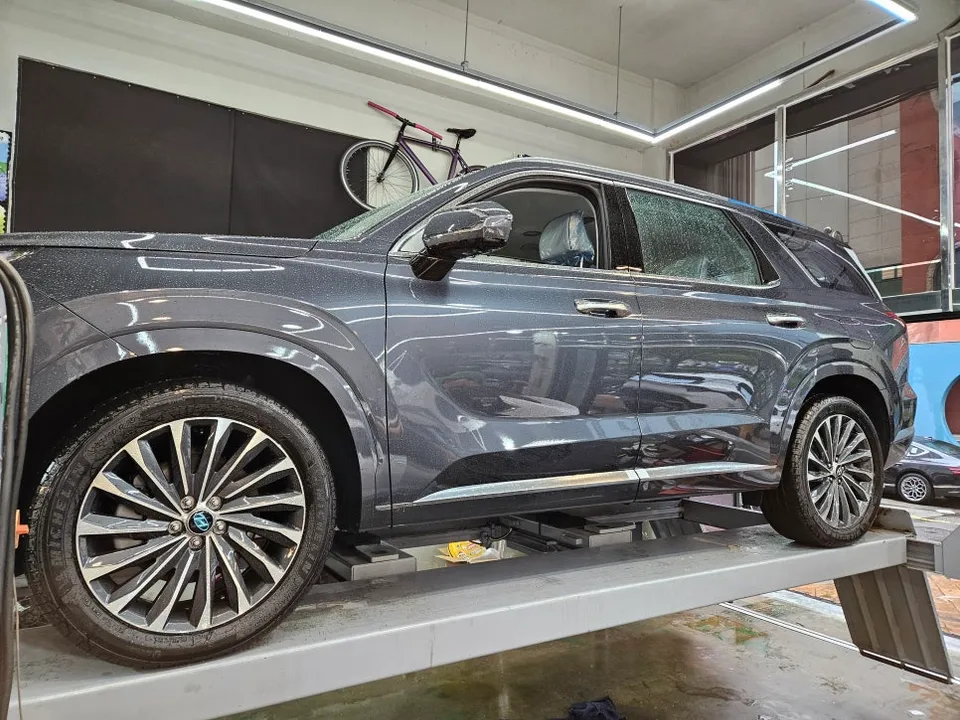
Cost and Value Considerations for a Palisade Body Kit
The cost of a body kit installation for a Hyundai Palisade can vary significantly. Based on the provided Korean context for side steps, which are a component of many body kits, professional installation using genuine parts can range from approximately 300,000 to 600,000 Korean Won (roughly $220-$450 USD, depending on exchange rates). Aftermarket parts might be cheaper initially but can compromise on fit, finish, and long-term durability. Genuine parts offer superior quality, perfect integration with the vehicle's existing lines, and better resistance to wear and tear. While the initial investment for a genuine body kit might be higher, the enhanced durability, perfect fit, and maintained vehicle value often make it a worthwhile choice for discerning owners. The decision between genuine and aftermarket parts often comes down to balancing budget with long-term satisfaction and vehicle aesthetics.
Frequently Asked Questions
Q. How much does a body kit cost for a Hyundai Palisade?
Professional installation using genuine parts for components like side steps can range from 300,000 to 600,000 KRW (approx. $220-$450 USD). Aftermarket kits may have lower upfront costs but can impact quality and durability.
Q. How long does body kit installation take on a Hyundai Palisade?
Body kit installation typically requires careful attention to detail and can take several hours to complete. Proper maintenance involves regular cleaning and checking for any loose fittings to ensure long-term durability.
Q. Is a body kit worth it for a Hyundai Palisade?
A body kit is often worth it for Palisade owners seeking a sportier aesthetic and potentially improved aerodynamics. It's particularly beneficial for those who prioritize a seamless fit and long-lasting quality, justifying the investment in genuine parts.
Q. How is a body kit installed on a Hyundai Palisade?
Installation involves inspecting all parts, precisely positioning them on the vehicle, and securely fastening them with bolts to specified torque values. Finally, any trim pieces or accessories are attached for a complete finish.
Q. What is the difference between FRP and polyurethane body kits for a Hyundai Palisade?
Fiber-Reinforced Plastic (FRP) kits are often lighter and more affordable but can be brittle and prone to cracking. Polyurethane kits are more flexible, durable, and impact-resistant, making them a better long-term investment despite a higher initial cost.
OhCar Partner Shop