Hyundai Porter 2 OEM Options Review - Cost & Results
Service Price
$under $40
Estimated price · Actual price may vary by shop
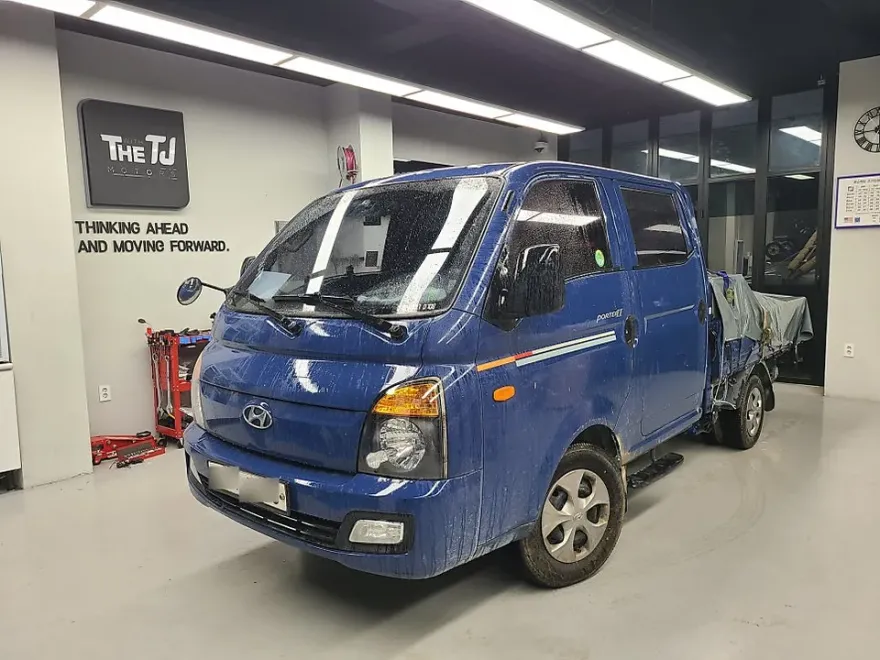
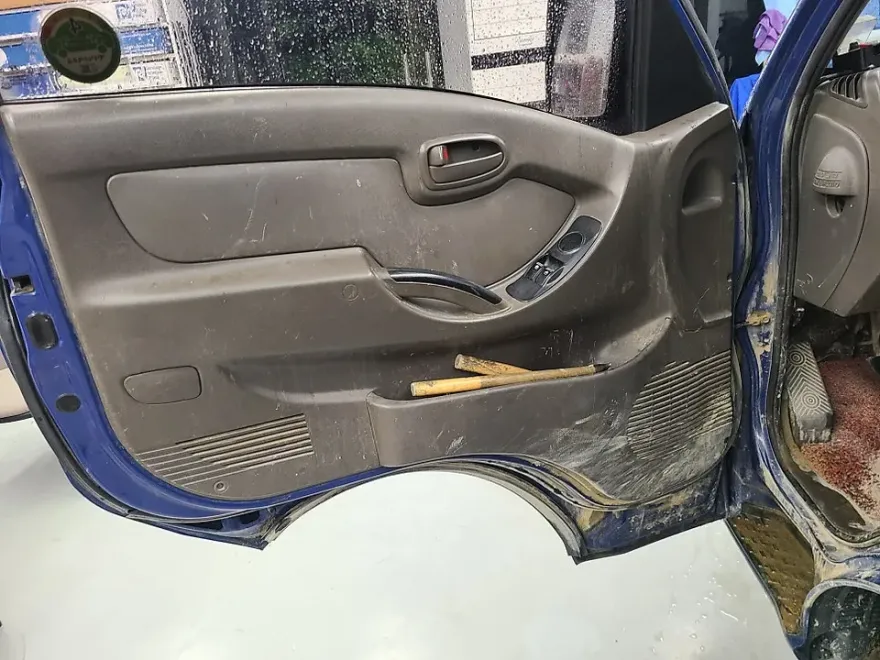
Hyundai Porter 2 automatic window retrofit: Approx. $220 USD. Adds convenient one-touch window control.
Hyundai Porter 2: Enhancing Convenience with Factory Options
Many Hyundai Porter 2 owners find themselves wishing for a bit more convenience, especially when it comes to features that are often standard on other vehicles. One common area of improvement is the lack of automatic window functionality for the rear passengers. This can be a minor annoyance, but it detracts from the overall driving experience. This review explores the process and benefits of retrofitting OEM options, specifically focusing on adding automatic window controls to the Hyundai Porter 2. We'll cover the installation, the results, and whether this factory upgrade is a worthwhile investment.
The Need for Automatic Window Upgrades
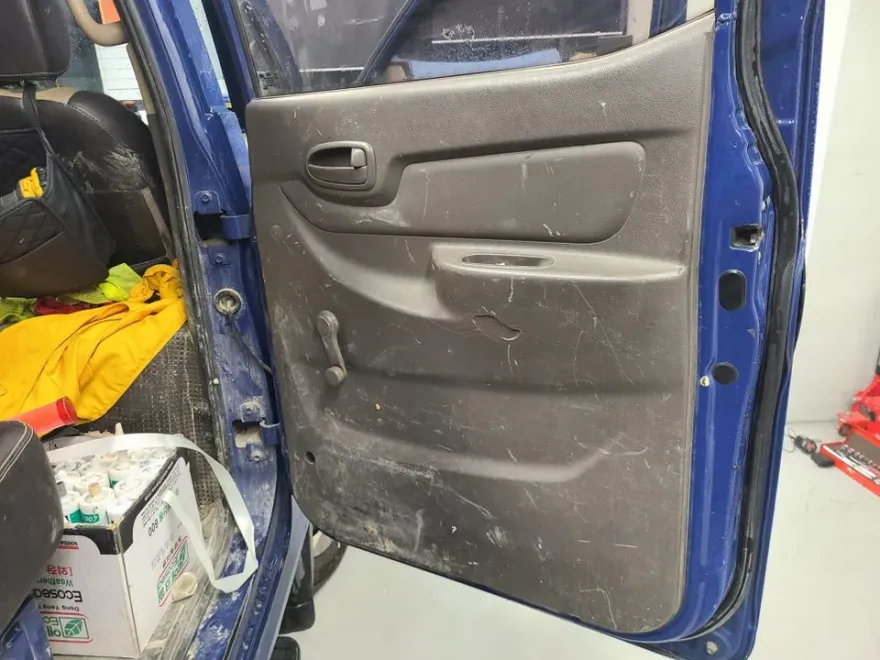
The Hyundai Porter 2, while a workhorse, often omits the automatic window feature for its rear occupants. This means that if a rear passenger needs to open or close the window, they must manually crank it, or the driver must reach over to operate it. This is particularly inconvenient during driving, as it can be distracting and cumbersome. For those who frequently carry passengers in the rear, or simply value a more refined and convenient cabin experience, adding this factory option retrofit can significantly enhance comfort and ease of use. The goal is to bring the Porter 2's interior functionality closer to modern expectations, making every drive smoother.
OEM Options Installation Process and Results
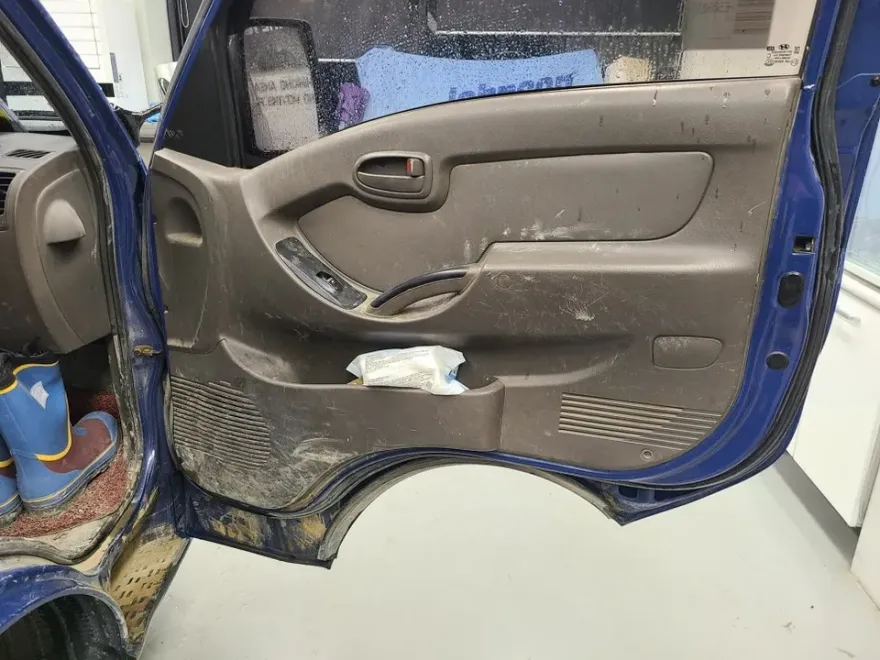
Retrofitting the automatic window function on a Hyundai Porter 2 involves a detailed installation process that requires professional attention. Here’s a breakdown of how it typically works:
- Door Panel Removal: The first step is to carefully remove the interior door panels on the rear doors. These panels currently house the manual window crank mechanisms.
- Component Replacement: The existing manual window regulators (often referred to as 'crank' mechanisms) are removed. They are then replaced with new window regulators that incorporate an electric motor. This is the core component that enables automatic operation.
- Wiring Installation: New wiring harnesses are meticulously installed to connect the new motor-driven regulators to the vehicle's electrical system. This includes routing wires to the appropriate power sources and switches.
- Switch Integration: Switches for controlling the automatic windows are installed in a convenient location, typically on the door panels themselves, allowing rear passengers to operate their windows independently. The system is also integrated so the driver can control all windows from the driver's seat.
- Testing and Reassembly: After all components are connected, the system is thoroughly tested to ensure smooth and reliable operation of all windows. Once confirmed, the door panels are reassembled, completing the upgrade.
The result of this installation is a significant improvement in convenience. Both front and rear passengers gain the ability to operate their windows with a simple touch of a button. The driver also benefits, gaining full control over all windows from their seat. This transforms the cabin from a functional space to a more comfortable and user-friendly environment. The materials used are typically OEM-grade parts, ensuring compatibility and durability similar to factory-installed features. While specific durability data isn't available, these systems are designed for regular use, and with proper care, should last for many years. Maintenance is generally minimal, focusing on ensuring the window tracks remain clean.
The cost for this type of factory upgrade in Korea typically starts in the range of 300,000 KRW (approximately $220 USD, though exchange rates vary). The installation process usually takes around 3 to 4 hours, often allowing for same-day completion. It's important to consult with a specialized installer for an exact quote based on your specific vehicle year and the chosen components.
Frequently Asked Questions
Q. How much does OEM option and factory upgrade installation cost for a Hyundai Porter 2?
In Korea, this factory upgrade typically costs from 300,000 KRW (around $220 USD). Actual costs can vary based on vehicle year and specific parts used.
Q. How long does OEM options installation take on a Hyundai Porter 2?
The installation process for automatic windows usually takes about 3-4 hours and can often be completed the same day. These systems are designed for long-term use with minimal maintenance.
Q. Are OEM options worth adding after purchase for a Hyundai Porter 2?
Adding automatic windows is highly recommended for Porter 2 owners who frequently carry passengers or desire enhanced cabin convenience. It significantly improves the daily driving experience and comfort.
Q. How are OEM factory options installed on a Hyundai Porter 2?
Installation involves removing door panels, replacing manual window cranks with motorized regulators, integrating new wiring, and installing control switches. The system is then tested and panels are reassembled.
Q. What is the difference between dealer-installed options and aftermarket upgrades for a Hyundai Porter 2?
OEM options, like factory upgrades, are designed to integrate seamlessly with your vehicle's existing systems, often using original manufacturer parts. Aftermarket upgrades may offer more customization but can sometimes have compatibility or durability concerns.
OhCar Partner Shop