Hyundai Porter 2 OEM Options Review — Factory Upgrade Cost
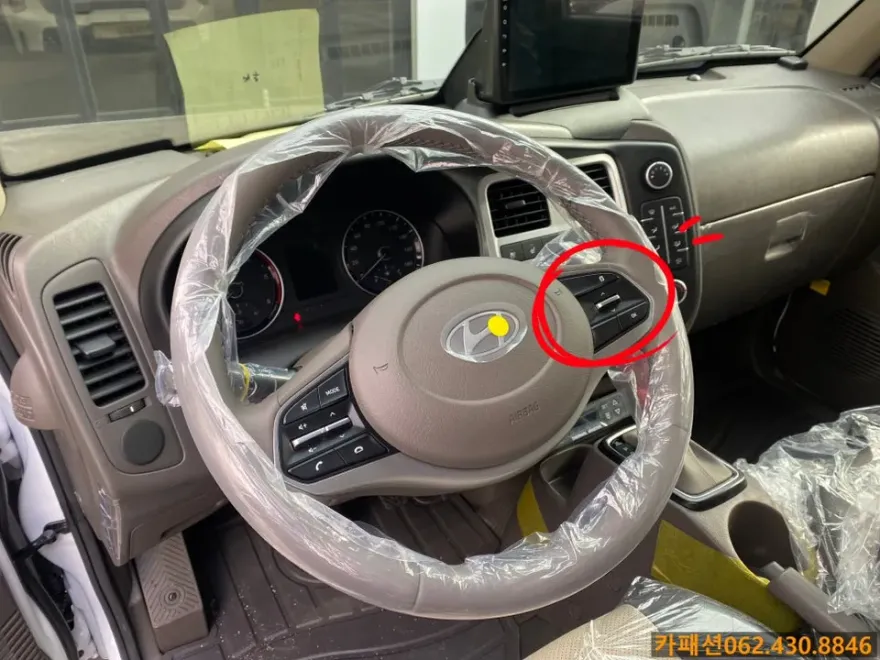
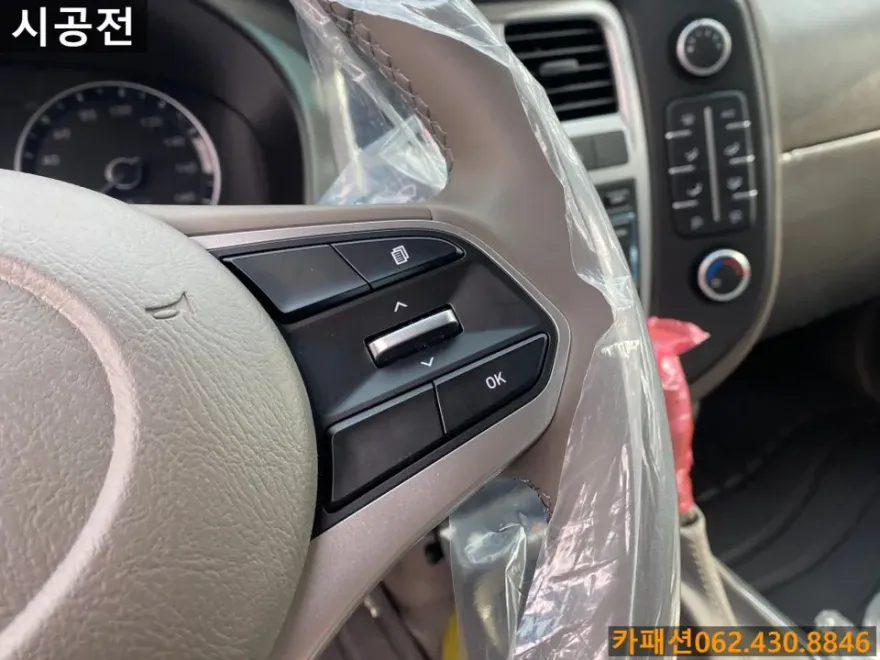
Before
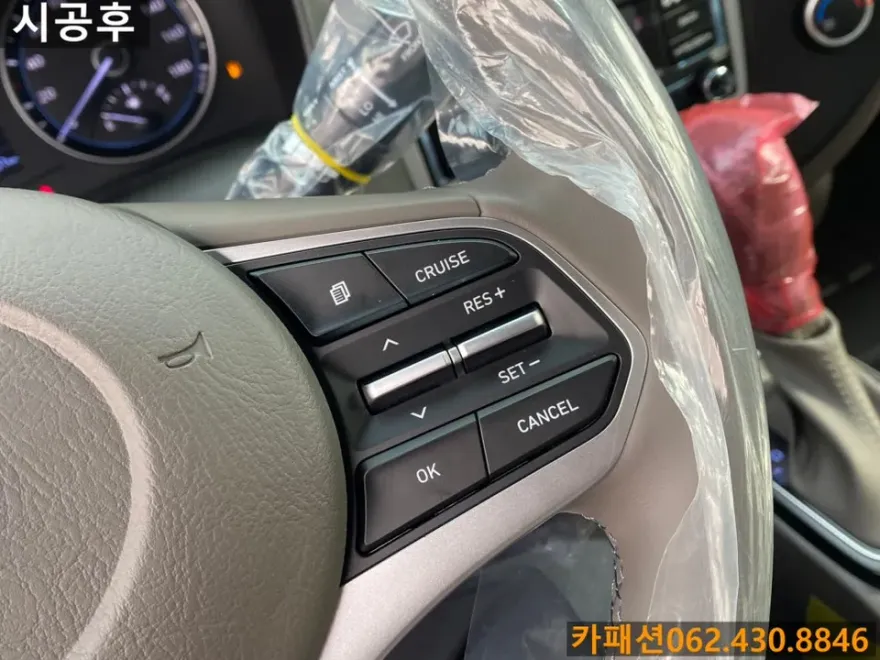
After
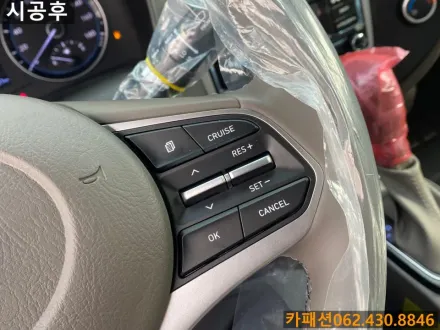
Hyundai Porter 2 cruise control OEM retrofit: Approx. ₩200k-400k. Enhances driving comfort and reduces fatigue.
Enhancing Your Hyundai Porter 2 with OEM Options
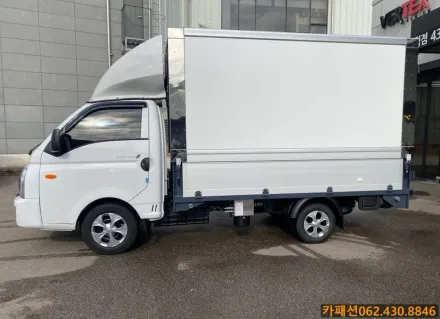
The Hyundai Porter 2 is a workhorse, and many owners look to enhance its functionality and comfort. Opting for OEM (Original Equipment Manufacturer) options, often referred to as factory options or dealer options, provides a way to upgrade your vehicle with parts designed specifically for it. This review delves into the specifics of installing OEM options, focusing on cruise control as a prime example, based on work performed in South Korea. We'll cover the installation process, potential before-and-after results, durability, and whether these factory upgrades are a worthwhile investment for your Porter 2.
Understanding Factory Upgrades: OEM Options vs. Aftermarket
When considering upgrades for your Hyundai Porter 2, you'll encounter two main paths: OEM options and aftermarket parts. OEM options, also known as factory options or dealer options, are components manufactured by Hyundai or its approved suppliers. These are designed to integrate seamlessly with your vehicle's existing systems, ensuring compatibility and often maintaining the vehicle's original warranty. A common and highly beneficial OEM option for the Porter 2 is the cruise control system, which significantly enhances driving comfort on longer journeys or highway stretches. The installation of such factory upgrades is typically performed by dealerships or specialized shops familiar with OEM procedures. This contrasts with aftermarket parts, which are made by third-party companies and may offer a wider variety of features or lower price points, but can sometimes lead to compatibility issues or void certain vehicle warranties. For the Hyundai Porter 2, choosing OEM options like cruise control ensures a clean integration and reliable performance.
Installation Process and Expected Results
Installing OEM options on a Hyundai Porter 2, such as a cruise control system, is a precise process. While specific steps can vary, the general procedure involves integrating new control modules and switches into the vehicle's existing electrical system. Based on typical installations performed in South Korea, the process generally includes:
- Component Integration: Installing the necessary cruise control module and wiring harness.
- Switch Installation: Fitting the steering wheel-mounted cruise control buttons.
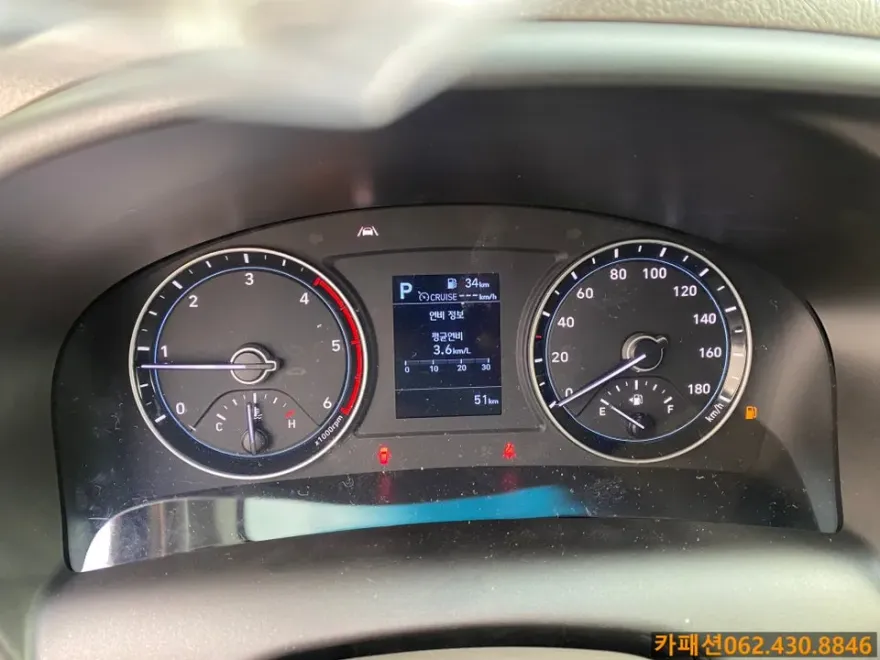
- System Activation: Connecting diagnostic tools to activate and calibrate the cruise control function within the vehicle's ECU (Engine Control Unit).
- Testing: Thoroughly testing the system to ensure all functions operate correctly and safely.
The before-and-after results of installing cruise control are significant. Before the upgrade, the driver must manually maintain speed, which can be tiring on long drives. After installation, the driver can set a desired speed and allow the vehicle to maintain it, reducing fatigue and potentially improving fuel efficiency. The durability of OEM options is generally excellent, as they are built to the same standards as the original parts. Maintenance typically involves ensuring the system is functioning correctly during regular vehicle check-ups. The materials used are high-quality plastics and electronics designed for longevity within the vehicle's environment.
Is the Hyundai Porter 2 OEM Options Upgrade Worth It?
Deciding whether to invest in OEM options for your Hyundai Porter 2 depends on your priorities. For features like cruise control, the benefits in terms of driving comfort and reduced fatigue are substantial, especially if you frequently drive long distances. The cost of such a retrofit, when performed in Korea, might range from approximately ₩200,000 to ₩400,000 (roughly $150-$300 USD, subject to exchange rates and specific shop pricing), making it a relatively accessible upgrade. The primary advantage of choosing OEM options is the assurance of perfect fitment and integration, avoiding potential issues associated with aftermarket alternatives. If you value reliability, seamless operation, and maintaining the vehicle's original integrity, then investing in factory-installed options like cruise control for your Porter 2 is a sound decision. It enhances the driving experience without compromising the vehicle's core functionality or warranty.
Frequently Asked Questions
Q. How much does OEM option and factory upgrade installation cost for a Hyundai Porter 2?
In Korea, the installation cost for OEM options like cruise control on a Hyundai Porter 2 typically ranges from ₩200,000 to ₩400,000. Similar factory upgrade retrofits in the US can often range from $200 to $500, depending on the specific option and installer.
Q. How long does OEM options installation take on a Hyundai Porter 2?
The durability of OEM options is generally excellent, designed to last the lifetime of the vehicle with proper care. Basic maintenance usually involves checking the system's functionality during routine vehicle inspections.
Q. Are OEM options worth adding after purchase for a Hyundai Porter 2?
OEM options are highly recommended for owners who prioritize seamless integration, reliability, and maintaining their vehicle's original warranty. They offer a significant enhancement in driving comfort and functionality, making them a worthwhile investment for many Porter 2 drivers.
Q. How are OEM factory options installed on a Hyundai Porter 2?
OEM factory options are installed by integrating specific modules and wiring harnesses into the vehicle's existing electrical system. The process typically involves fitting new components, such as steering wheel controls, and then activating and calibrating the system via diagnostic tools.
Q. What is the difference between dealer-installed options and aftermarket upgrades for a Hyundai Porter 2?
Dealer-installed OEM options are designed and manufactured by the vehicle's maker for perfect compatibility, while aftermarket upgrades are made by third-party companies and may offer different features or price points. For guaranteed integration and to maintain your warranty, OEM options are generally the preferred choice.
OhCar Partner Shop