Hyundai Santa Fe TM Remote Start & Coding Review — Cost & Results
Service Price
$approx. $400–800
Estimated price · Actual price may vary by shop

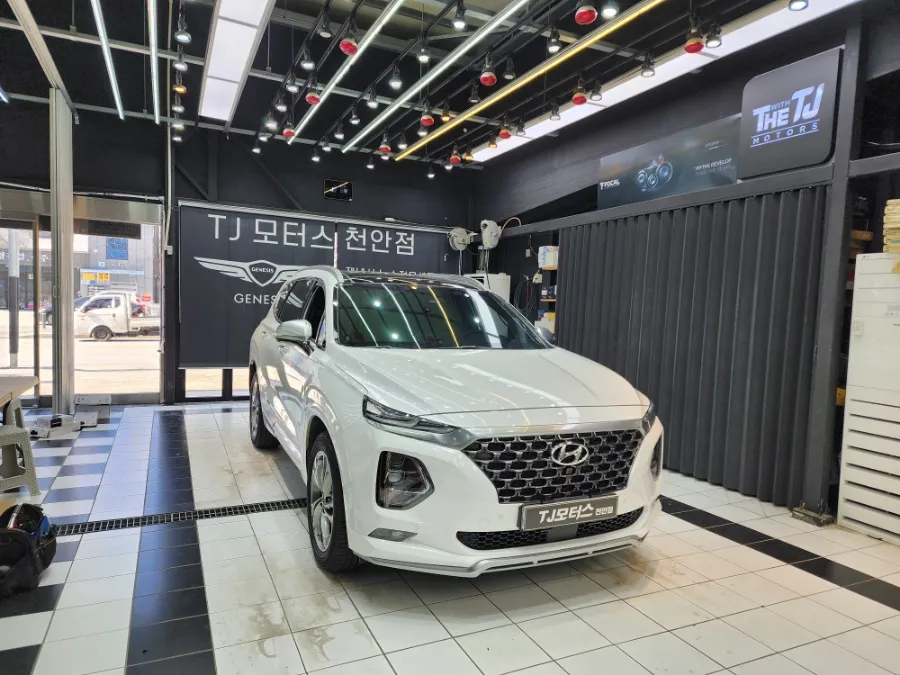
Remote Start & Coding for Hyundai Santa Fe TM: Cost varies, adds convenience. Start your car remotely for comfort.
Enhance Your Drive with Remote Start & Coding for the Hyundai Santa Fe TM
For Hyundai Santa Fe TM owners seeking to elevate their driving experience, the integration of a remote start system, often coupled with vehicle coding, presents a compelling upgrade. This service aims to bring convenience and modern functionality to your vehicle, allowing you to start your car remotely and potentially unlock other features through specialized coding. This review delves into the specifics of Remote Start & Coding for the Santa Fe TM, covering the installation process, the tangible before and after results, the associated costs, and whether this upgrade is a worthwhile investment for your vehicle.
Understanding Remote Start & Coding for Your Santa Fe TM
The core of this service involves installing a remote start module and then utilizing vehicle coding to ensure seamless integration with your Hyundai Santa Fe TM's existing systems. This isn't just about adding a simple remote starter; it's about making it work harmoniously with your car's electronics. The coding aspect is crucial, often referred to as firmware coding, as it allows the new system to communicate effectively with the car's computer. This ensures that features like the factory alarm, door locks, and even the ignition system function correctly with the remote start. The process typically involves specialized diagnostic tools to 'talk' to your car's ECU (Engine Control Unit) and program it to recognize and operate the new remote start functionality. For the Santa Fe TM, this means that after installation, you can expect the same level of reliability and integration as if the remote start was a factory-fitted option.

The Installation Process and Expected Results
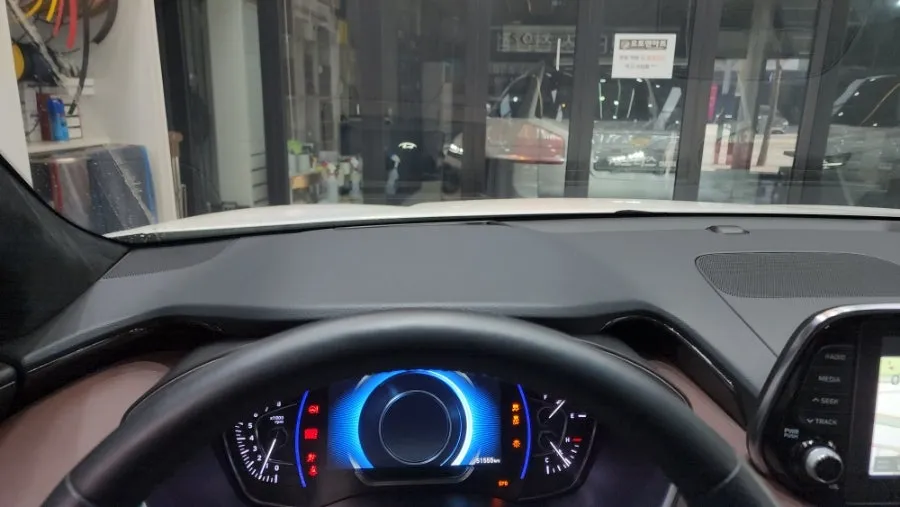
Installing a remote start system with coding on a Hyundai Santa Fe TM is a precise procedure. While the original context mentions a Head-Up Display (HUD) installation in Korea, the principles of integrating aftermarket or retrofitted options apply. The process generally involves:
- Module Installation: A remote start module is physically installed within the vehicle's dashboard, requiring careful access to wiring harnesses for power, ignition, and starter connections.
- Bypass Module Integration: Often, a bypass module is needed to handle the car's immobilizer system, allowing the remote start to function without a physical key present.
- Coding and Programming: Using specialized software and an OBD-II port connection, the vehicle's computer is programmed. This step activates the remote start functions and ensures compatibility with other vehicle systems. This firmware coding is essential for a clean, factory-like integration.
- Testing: Thorough testing is performed to confirm the remote start, door locks, and any other integrated features operate correctly and reliably.
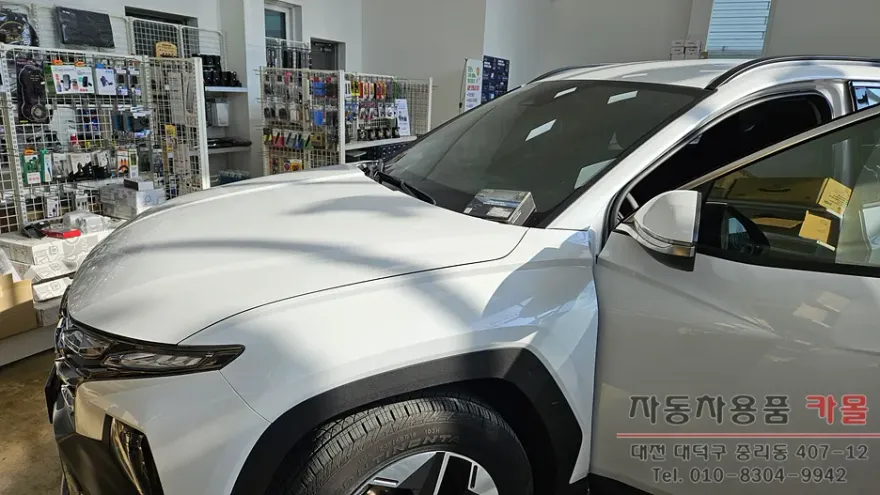
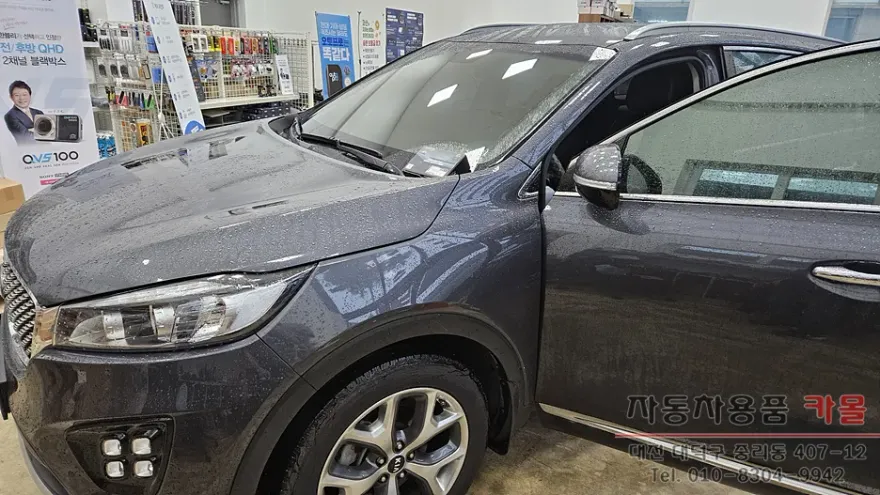
The 'before' state is your Santa Fe TM without remote start capability. The 'after' is a vehicle you can start from a distance, warming it up or cooling it down before you even step inside. This not only adds significant convenience, especially in extreme weather conditions, but can also be seen as a subtle enhancement to the vehicle's overall appeal and modernity. Durability is generally high, as reputable systems are designed for long-term use, and maintenance typically involves ensuring the remote fob battery is replaced periodically.
Is Remote Start & Coding Worth the Investment?
The decision to invest in Remote Start & Coding for your Hyundai Santa Fe TM hinges on your priorities. The Remote Start & Coding cost can vary, but it generally encompasses the price of the remote start kit, the bypass module, and the labor for installation and coding. While specific pricing wasn't detailed for the Santa Fe TM in the provided context, such installations in the US can range from $300 to $700 or more, depending on the system's complexity and features. The primary benefit is undeniable convenience. Imagine starting your car on a frigid morning or a sweltering afternoon from the comfort of your home. For many, this level of comfort and the modern functionality it brings makes the remote start cost entirely justifiable. It's a practical upgrade that enhances daily usability and can potentially add value to your vehicle.
Frequently Asked Questions
Q. How much does remote start or coding cost for a Hyundai Santa Fe TM?
The cost for Remote Start & Coding on a Hyundai Santa Fe TM can range from approximately $300 to $700 in the US, depending on the system's features and installation complexity. This price typically covers the hardware, bypass module, and professional installation and programming.
Q. How long does a remote start coding session take on a Hyundai Santa Fe TM?
The durability of a remote start system is generally excellent, designed for long-term use with proper installation. Basic maintenance involves ensuring the remote fob battery is replaced when needed, typically every 1-2 years.
Q. Is remote start coding worth it for a Hyundai Santa Fe TM?
Remote start coding is worth it for Santa Fe TM owners who prioritize convenience and comfort, especially in climates with extreme temperatures. It adds significant daily usability and a modern feature set to the vehicle.
Q. How is remote start or vehicle coding performed on a Hyundai Santa Fe TM?
Vehicle coding for remote start on a Santa Fe TM involves 1. Physically installing the remote start module and necessary wiring. 2. Integrating a bypass module to handle the immobilizer. 3. Connecting a diagnostic tool to the OBD-II port to program the car's ECU. 4. Testing all functions thoroughly.
Q. What is the difference between remote start coding and ECU tuning for a Hyundai Santa Fe TM?
Remote start coding integrates convenience features like remote engine start, while ECU tuning modifies engine parameters for performance gains. Remote start coding focuses on functionality, whereas ECU tuning aims to enhance power and efficiency.
OhCar Partner Shop