Hyundai Sonata DN8 ASCC Retrofit Review
Hyundai Sonata DN8 ASCC retrofit: Approx. ₩700,000-₩1,000,000. Adds adaptive cruise control for enhanced driving comfort.
Enhancing Your Hyundai Sonata DN8 with Factory Options
Welcome! If you're looking to enhance your Hyundai Sonata DN8, particularly with advanced features like Adaptive Smart Cruise Control (ASCC), you've come to the right place. This post focuses on the possibility and process of retrofitting genuine OEM options, specifically for the Sonata DN8. We'll cover what ASCC is, the installation process, and what to consider when opting for these factory upgrades after your initial purchase.
What is ASCC and Why Retrofit It?
ASCC, or Adaptive Smart Cruise Control, is a sophisticated driver-assistance system that automatically adjusts your vehicle's speed to maintain a safe distance from the car ahead. For the Hyundai Sonata DN8, adding this feature can significantly improve driving comfort, especially on long commutes or highway driving. While not originally equipped, many owners seek to add this functionality through specialized shops that handle OEM option retrofits. This is distinct from aftermarket accessories, as it involves integrating genuine Hyundai parts and software to ensure seamless operation and compatibility with your vehicle's existing systems.

The OEM Options Installation Process
Retrofitting factory options like ASCC on a Hyundai Sonata DN8 involves a precise installation procedure. The process typically includes:
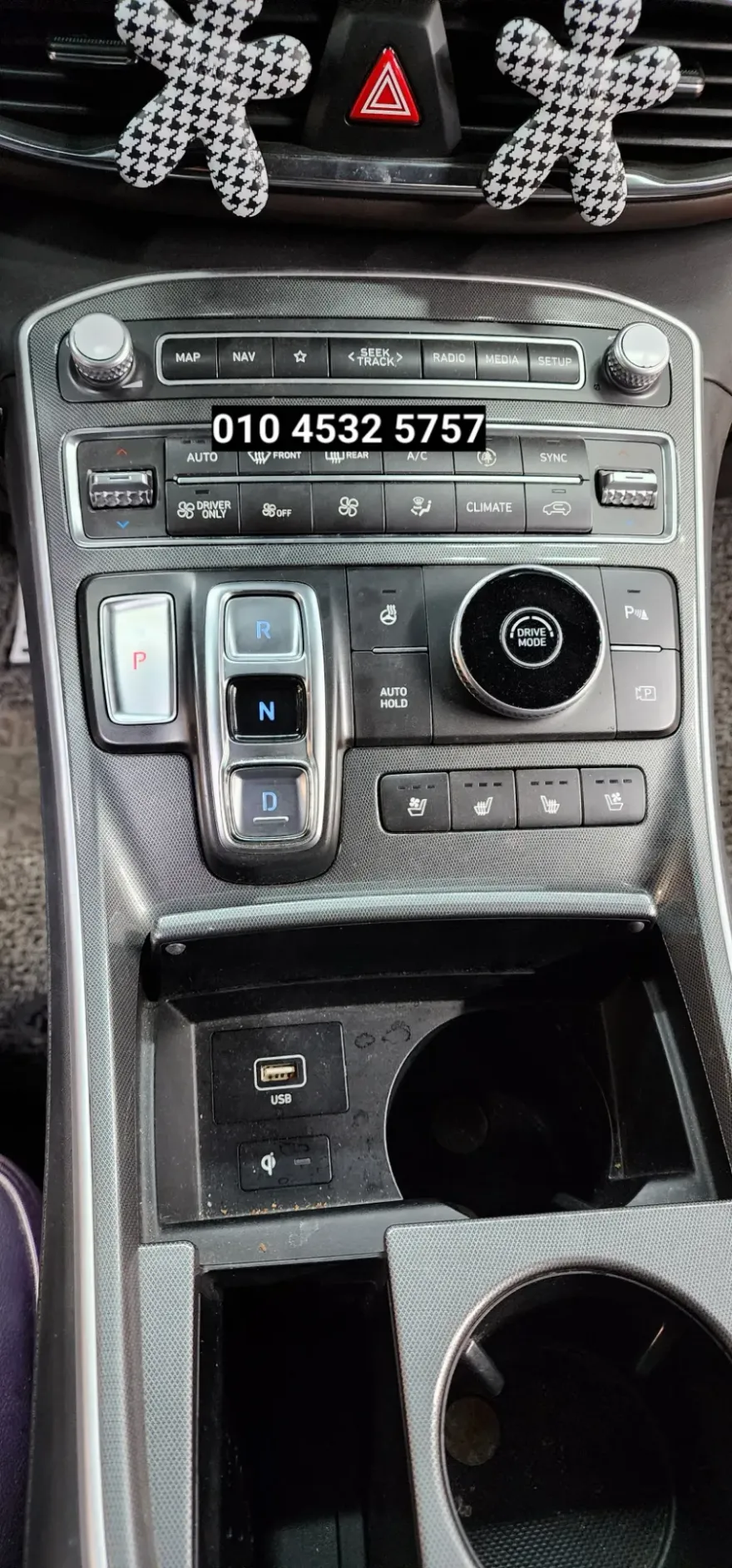
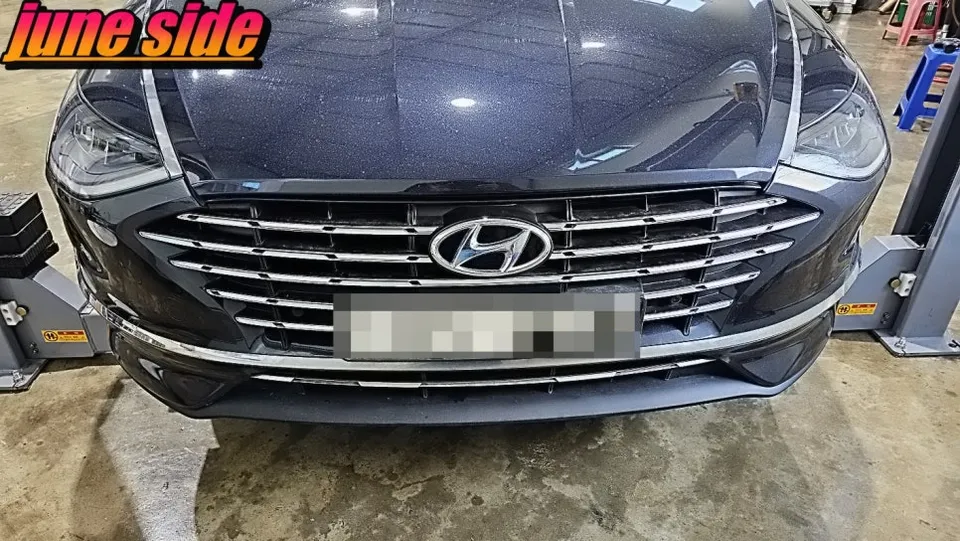
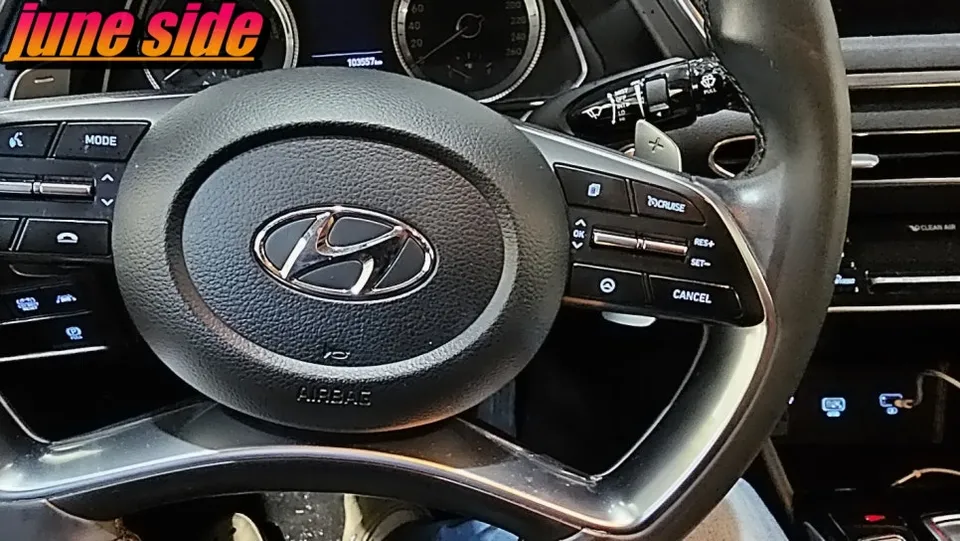
- Component Integration: This involves installing the necessary sensors, control modules, and buttons for the ASCC system. For the Sonata DN8, this often means replacing the steering wheel buttons and mounting a radar sensor behind the front grille or bumper.
- Wiring Harness Connection: A dedicated wiring harness is connected to the vehicle's existing electrical system, linking the new components to the car's main computer (ECU).
- Software Configuration: After the physical installation, the vehicle's software needs to be programmed to recognize and operate the new ASCC system. This step is crucial for ensuring the system functions correctly and safely.
- Testing and Calibration: A thorough test drive is performed to verify that the ASCC operates as intended, including its adaptive and cruise control functions, and that all safety parameters are met.
The durability of these retrofitted OEM options is generally excellent, as they are designed to be integrated into the vehicle from the factory. Maintenance is typically minimal, often just requiring occasional cleaning of the sensor area. The key benefit is that these are genuine parts, meaning they perform and integrate just like factory-installed equipment, offering a level of reliability and seamlessness that aftermarket solutions often can't match.

Is Retrofitting OEM Options Worth It?
Deciding whether to retrofit OEM options like ASCC for your Hyundai Sonata DN8 depends on your priorities and budget. If you frequently drive on highways and value the convenience and safety of adaptive cruise control, the investment can be well worth it. The cost for such retrofits in Korea, where this service is commonly offered, can range from approximately ₩700,000 to ₩1,000,000 (roughly $500-$750 USD, subject to exchange rates and specific shop pricing). While this is a significant cost, it's often less than the price difference between trim levels that would have included this feature from the factory. For drivers who missed out on this option initially but desire its benefits, it represents a viable way to upgrade their Sonata DN8 without compromising on quality or integration.

Frequently Asked Questions
Q. How much does OEM option and factory upgrade installation cost for a Hyundai Sonata DN8?
The cost for retrofitting OEM options like ASCC on a Hyundai Sonata DN8 in Korea typically ranges from ₩700,000 to ₩1,000,000. In the US, similar professional retrofits can range from $500 to $1,500 depending on the specific option and installer.
Q. How long does OEM options installation take on a Hyundai Sonata DN8?
The durability of retrofitted OEM options is comparable to factory-installed features, offering long-term reliability. Basic maintenance usually involves keeping sensors clean, similar to any other vehicle component.
Q. Are OEM options worth adding after purchase for a Hyundai Sonata DN8?
Retrofitting OEM options is worth it for Sonata DN8 owners who prioritize enhanced driving comfort and safety features like ASCC. It offers a factory-like integration and performance that significantly improves the driving experience on highways.
Q. How are OEM factory options installed on a Hyundai Sonata DN8?
Installation involves integrating genuine Hyundai parts such as sensors and control modules, connecting them via a dedicated wiring harness, and configuring the vehicle's software. The process concludes with thorough testing and calibration to ensure proper functionality.
Q. What is the difference between dealer-installed options and aftermarket upgrades for a Hyundai Sonata DN8?
OEM factory options use genuine Hyundai parts and are integrated with the vehicle's original systems, ensuring seamless performance and warranty compatibility. Aftermarket upgrades, while sometimes cheaper, may not offer the same level of integration or long-term reliability.
OhCar Partner Shop