Hyundai Staria Body Kit Installation Review
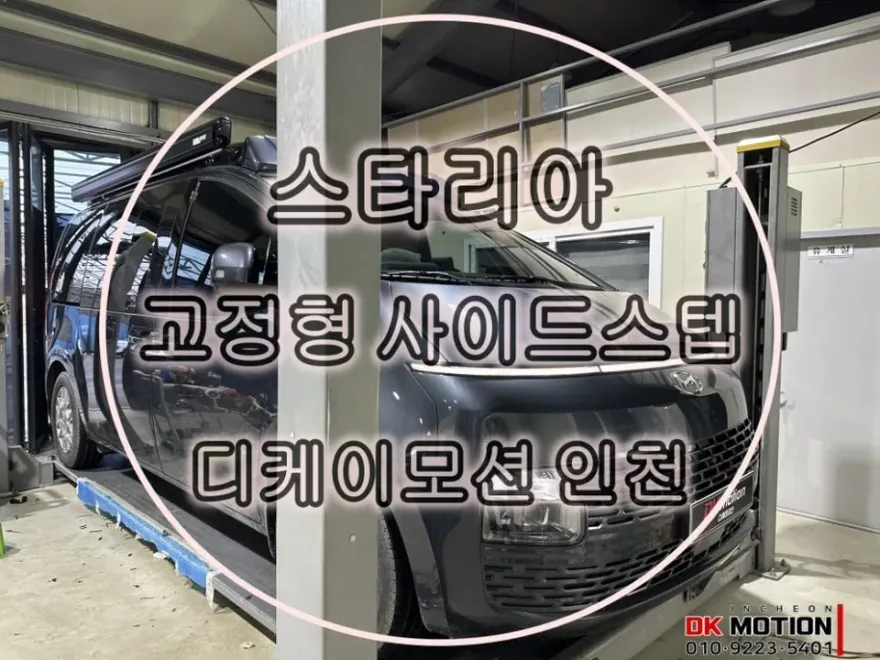
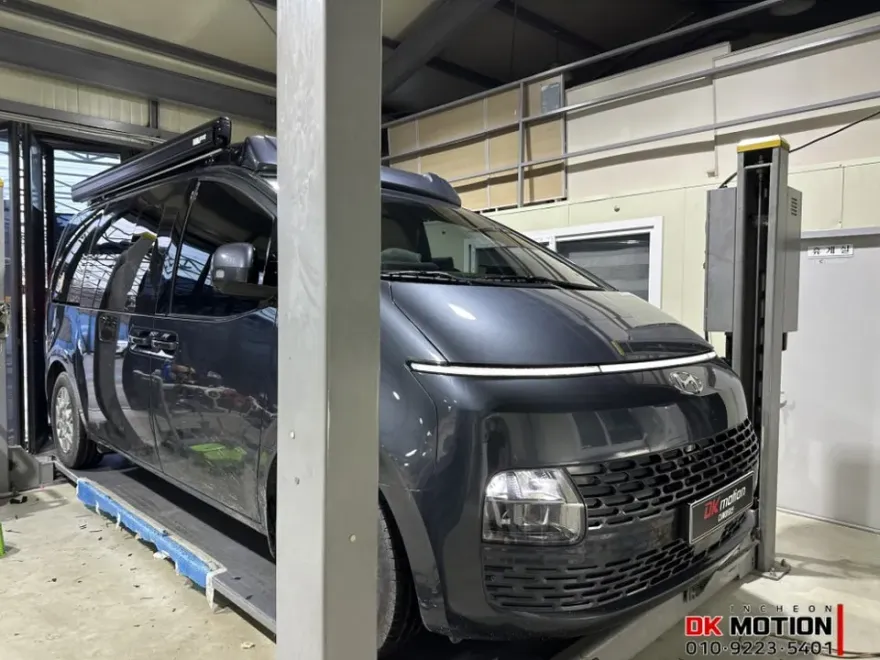
Hyundai Staria body kit installation costs vary. Enhances accessibility and aesthetics. Durability depends on material and installation quality.
Enhancing Your Hyundai Staria with an Aero Kit
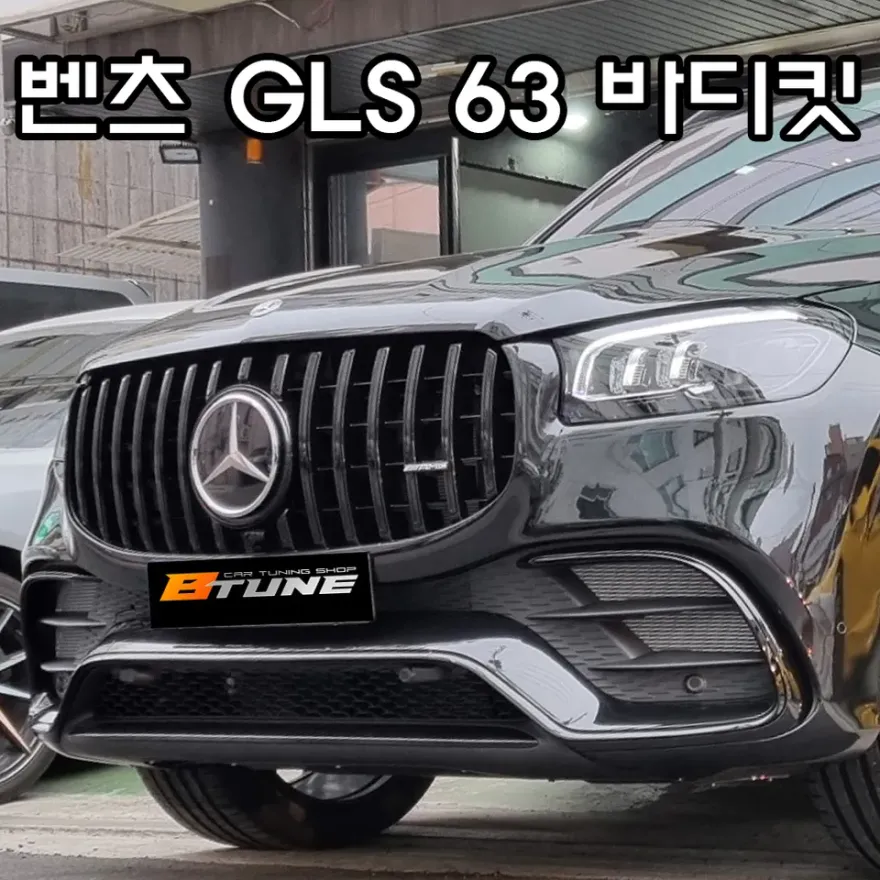
The Hyundai Staria is a versatile vehicle, often used for family transport, camper conversions, or even executive purposes. While its spacious interior and practicality are major draws, the vehicle's height can present a challenge for some passengers, particularly children and the elderly, when getting in and out. This is where the consideration of an aero kit, often including components like front lips and side skirts, comes into play. While the original Korean context focused on side steps, the concept of enhancing vehicle accessibility and aesthetics with exterior additions is similar. This review will explore the general aspects of body kit installation, costs, and benefits for a vehicle like the Staria, drawing parallels from the Korean market's experience with similar enhancements.
Understanding Body Kit Options and Costs
Body kits, including aero kits, can significantly alter the appearance and sometimes the functionality of your Staria. In the Korean market, enhancements like side steps (which function similarly to a lower body kit component for accessibility) range in price. Fixed side steps typically cost between 200,000 to 400,000 Korean Won (approximately $150-$300 USD), while powered, retractable versions can cost 500,000 to 800,000 KRW or more (approximately $375-$600+ USD). While these are for side steps, full body kits, which might include front lips, rear diffusers, and side skirts, can vary widely in price depending on the material (like FRP or polyurethane) and brand. Installation costs are additional and depend on the complexity of the kit and the installer's labor rates. It's crucial to research specific body kit manufacturers and local installers to get accurate quotes for your Staria.
Installation Process and Durability Considerations
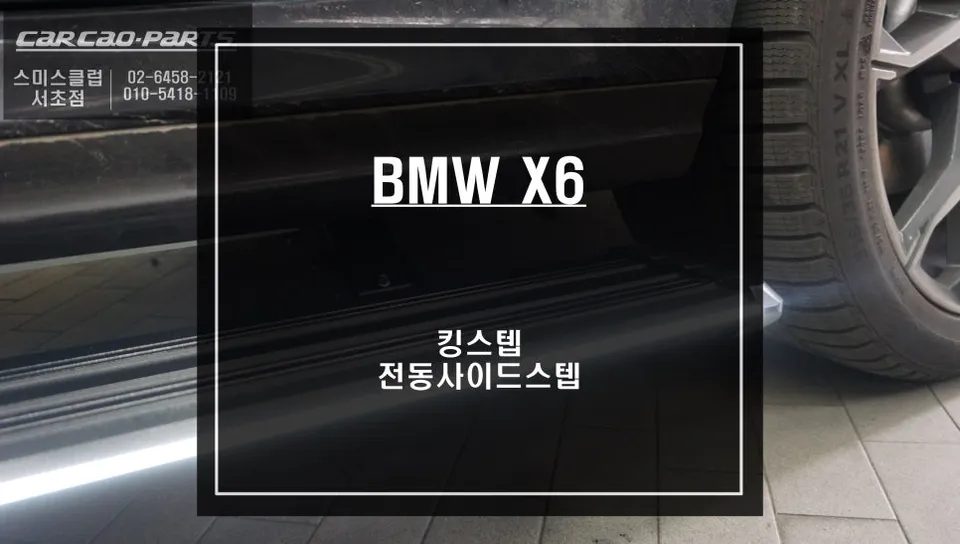
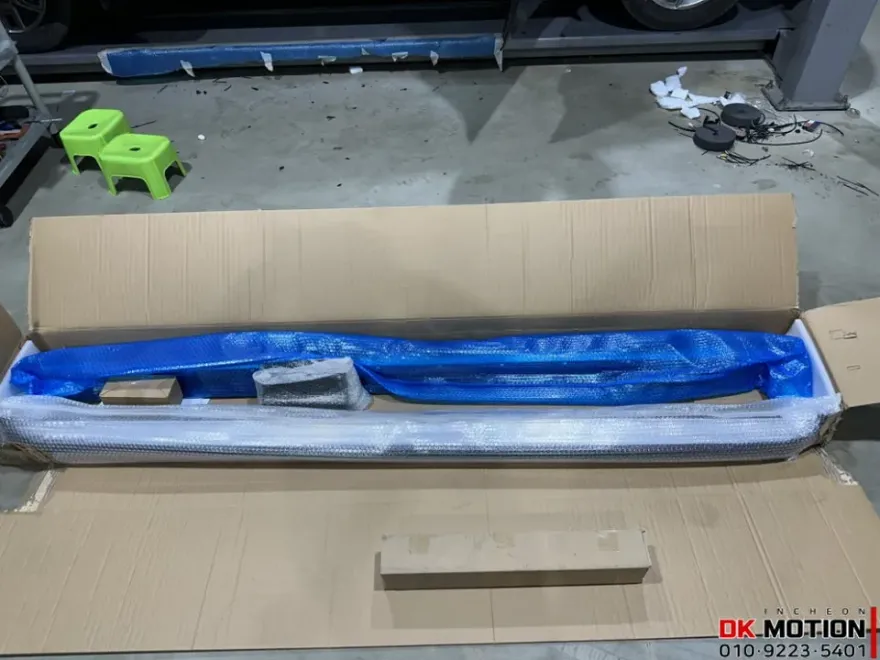
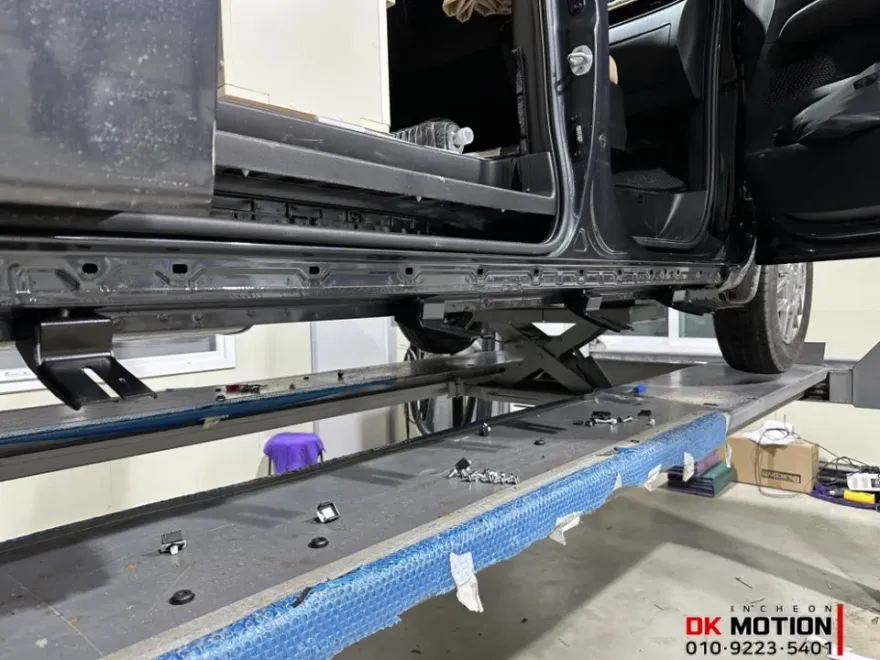
Installing a body kit on a Hyundai Staria, much like the side step installation described in the Korean context, requires careful attention to detail. The process generally involves removing existing trim pieces, precisely fitting mounting brackets, and then attaching the body kit components. For instance, when installing side steps, installers first carefully remove the original side sills, a process that requires skill to avoid damaging the vehicle's paint. Then, brackets are securely fastened according to the manual, ensuring they can bear the weight and stress of the steps. Finally, the side step units are attached, and the fit is checked for any gaps or misalignment. A full body kit installation follows a similar principle, ensuring all parts align perfectly with the Staria's body lines for a seamless look. Durability depends heavily on the material used and the quality of the installation. Polyurethane kits are generally more flexible and impact-resistant than FRP (Fiber Reinforced Plastic) kits, making them a better choice for daily driving and potentially rougher conditions. Proper maintenance, such as regular cleaning and checking for any loose fittings, will ensure the longevity of your body kit.
Installation process:
- Carefully remove any existing factory trim or side skirts.
- Securely attach the necessary mounting brackets to the vehicle's chassis or designated points.
- Align and attach the new body kit components (e.g., front lip, side skirts, rear diffuser).
- Ensure all parts are flush, properly aligned, and securely fastened.
- Perform a final inspection for fitment and finish.
Frequently Asked Questions
Q. How much does a body kit cost for a Hyundai Staria?
In Korea, side steps (a similar enhancement) range from approximately $150-$300 for fixed types to $375+ for powered versions. Full body kits for a Staria will vary significantly based on brand and material, with installation costs being additional.
Q. How long does body kit installation take on a Hyundai Staria?
Installation typically takes 2-4 hours and can often be completed the same day. Durability depends on the kit's material (polyurethane is more resilient than FRP) and professional installation.
Q. Is a body kit worth it for a Hyundai Staria?
A body kit is most beneficial for Staria owners who want to improve passenger accessibility, especially for children or the elderly, or enhance the vehicle's visual appeal. It adds practicality and a custom look.
Q. How is a body kit installed on a Hyundai Staria?
Installation involves removing existing trim, securely mounting brackets to the vehicle's frame, and then attaching the body kit components like lips and skirts. A final check ensures a flush and secure fit.
Q. What is the difference between FRP and polyurethane body kits for a Hyundai Staria?
Polyurethane kits are more flexible and impact-resistant, making them better for daily use and minor bumps. FRP kits are generally stiffer but can be more prone to cracking upon impact.
Q. What should I know before getting Body Kit on a Hyundai Staria? (common regrets and mistakes)
The most common regret is choosing a kit that doesn't fit well or is made of brittle material. Always opt for professional installation and research the material's durability for your driving conditions.
OhCar Partner Shop