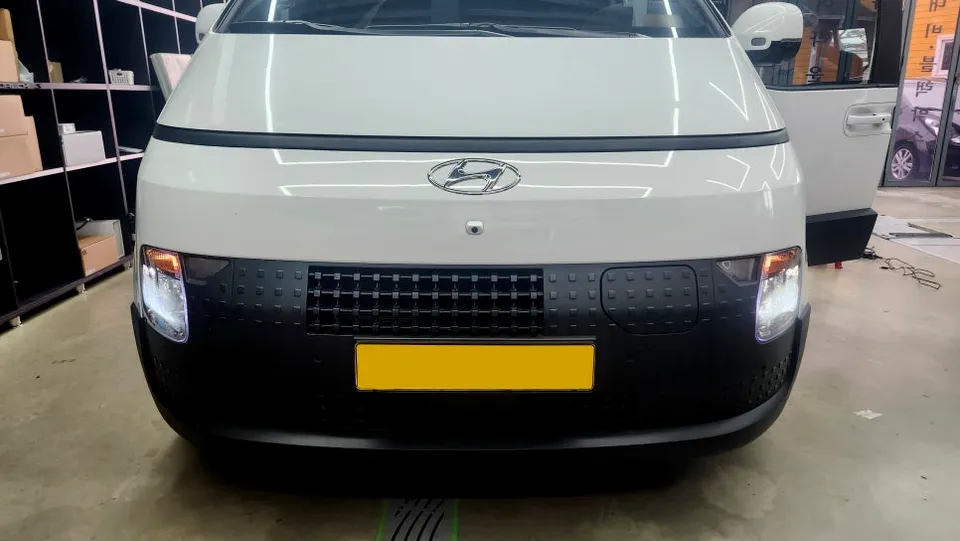
Hyundai Staria Body Kit Installation Review
Service Price
$approx. $400–800
Estimated price · Actual price may vary by shop
Before
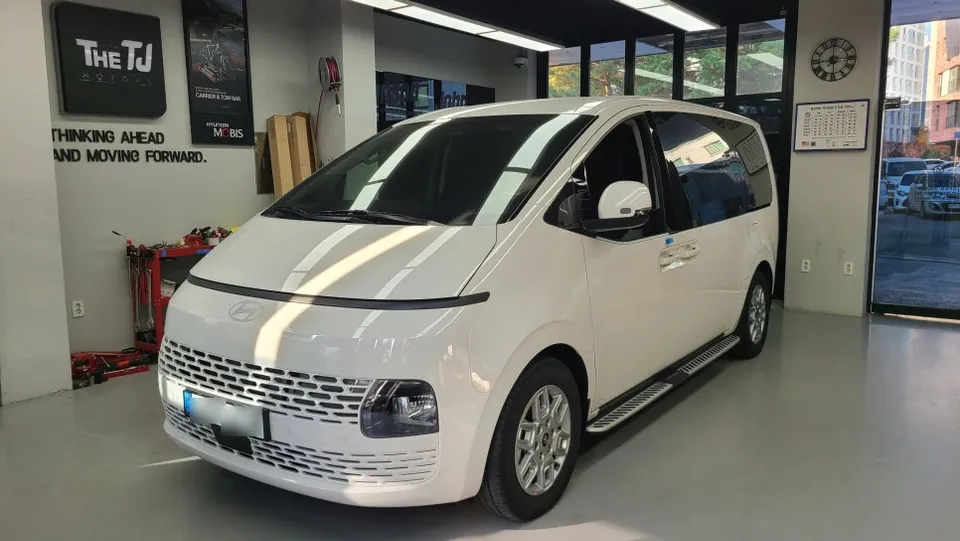
After
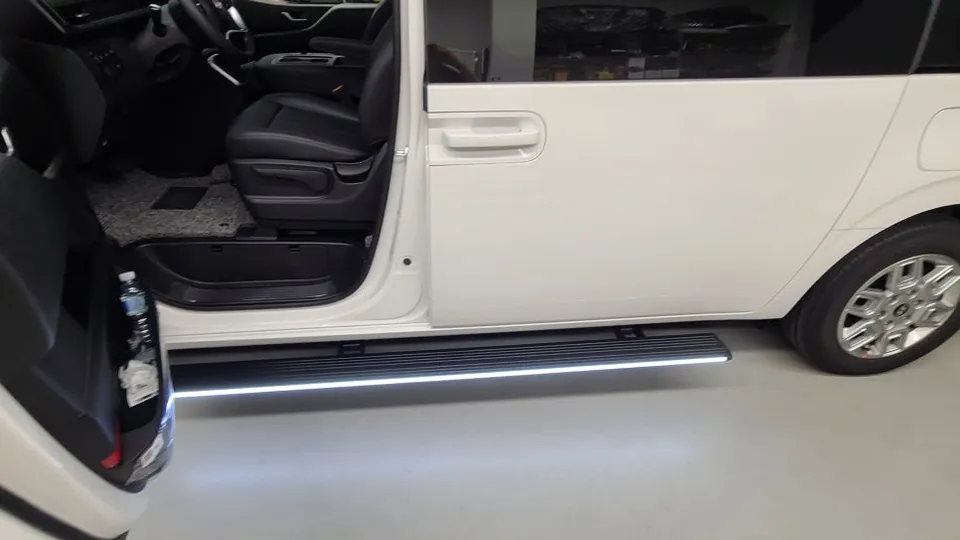
Process photos
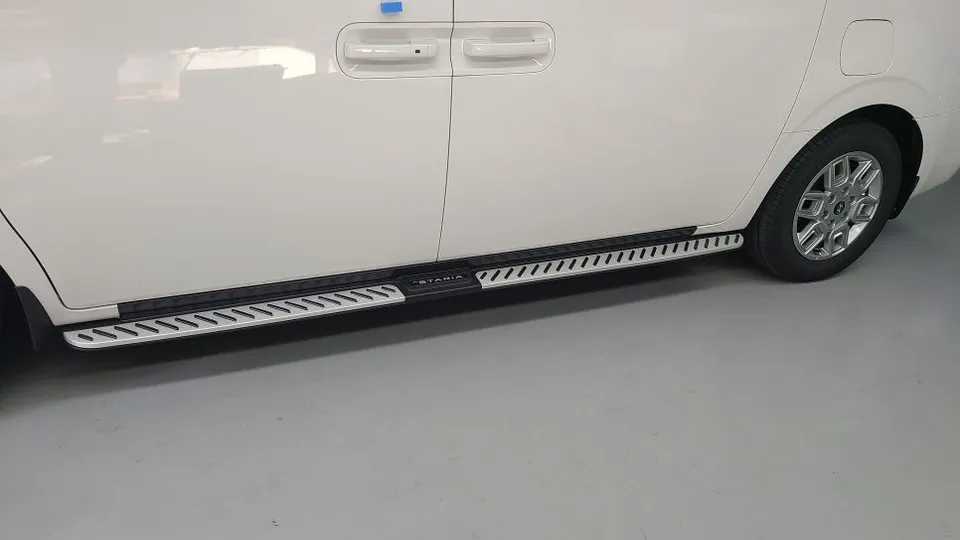
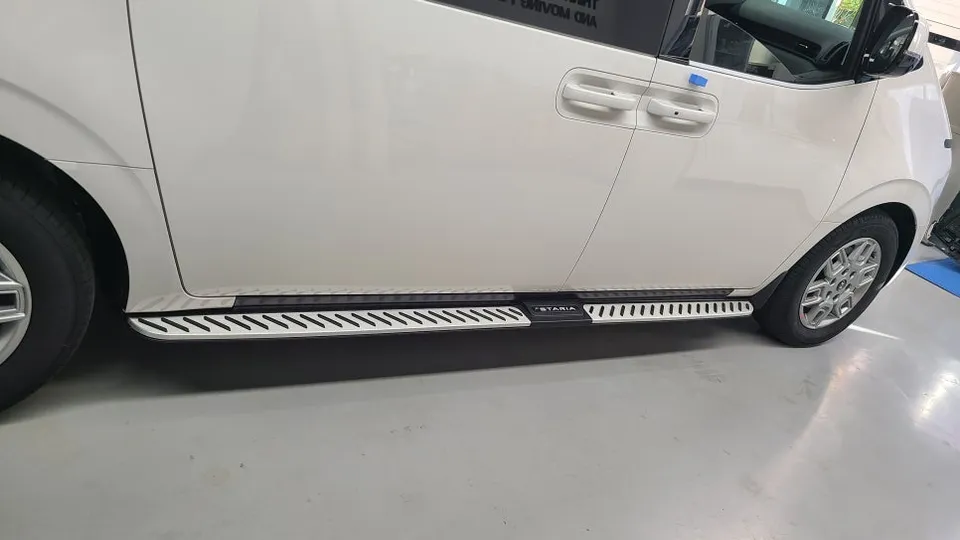
Hyundai Staria body kit installation review: Costs range from $400-$800+ for parts. Enhances aesthetics and potentially aerodynamics.
Hyundai Staria Body Kit Installation: Enhancing Style and Function
The Hyundai Staria, with its distinctive minivan design, offers a unique canvas for customization. For owners looking to elevate their vehicle's aesthetics and potentially its aerodynamics, a body kit is a popular choice. This review delves into the process, costs, and considerations involved in fitting a body kit to a Hyundai Staria, drawing insights from a recent upgrade in South Korea. While the original context focused on replacing fixed side steps with powered ones, the principles of body kit installation, including front lips and side skirts, share many similarities in terms of process and potential benefits.
Understanding Body Kit Components and Benefits
A typical body kit for a vehicle like the Staria might include a new front bumper or lip, side skirts, and a rear bumper or diffuser. These components are designed to give the vehicle a sportier, more aggressive stance. The primary benefits often cited are improved visual appeal and, in some cases, enhanced aerodynamic performance, though the latter is more pronounced with performance-oriented kits. The Korean context highlighted the upgrade from basic, fixed side steps to powered, retractable ones, emphasizing improved ease of use, safety (especially for children and the elderly), and a cleaner look when not in use. This mirrors the desire for both form and function that often drives body kit installations. The estimated cost for a body kit in the US can range from approximately $400 to $800, excluding installation, with professional fitting adding to the overall expense. In Korea, the powered side step upgrade mentioned cost around 700,000 KRW (approximately $500-550 USD at the time of writing), with installation included.
The Installation Process and Considerations
Installing a body kit, whether it's a full kit or individual components like a front lip or side skirts, requires precision and care. The process generally involves:
- Preparation: Thoroughly cleaning the mounting areas on the vehicle's existing bumpers and body panels is crucial for proper adhesion and fitment.
- Component Fitting: The new body kit parts are carefully aligned and test-fitted to ensure they match the vehicle's contours. This may involve minor adjustments.
- Attachment: Parts are secured using a combination of automotive-grade adhesive tape, specialized clips, and sometimes drilling into the vehicle's original panels for a secure fit. For components like side skirts, specific mounting points are used.
- Finishing: After installation, any gaps are sealed, and the new components are checked for stability. Some installations may require painting to match the vehicle's color.
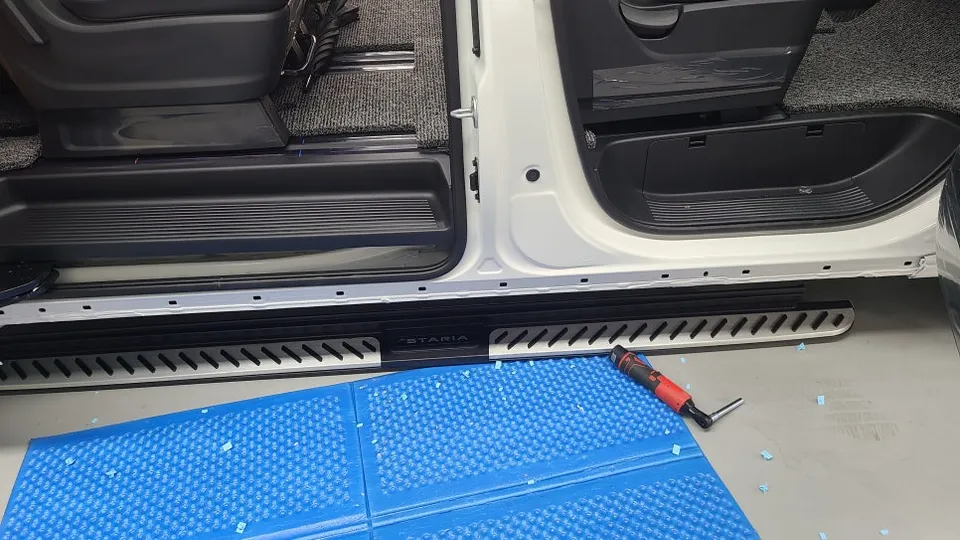
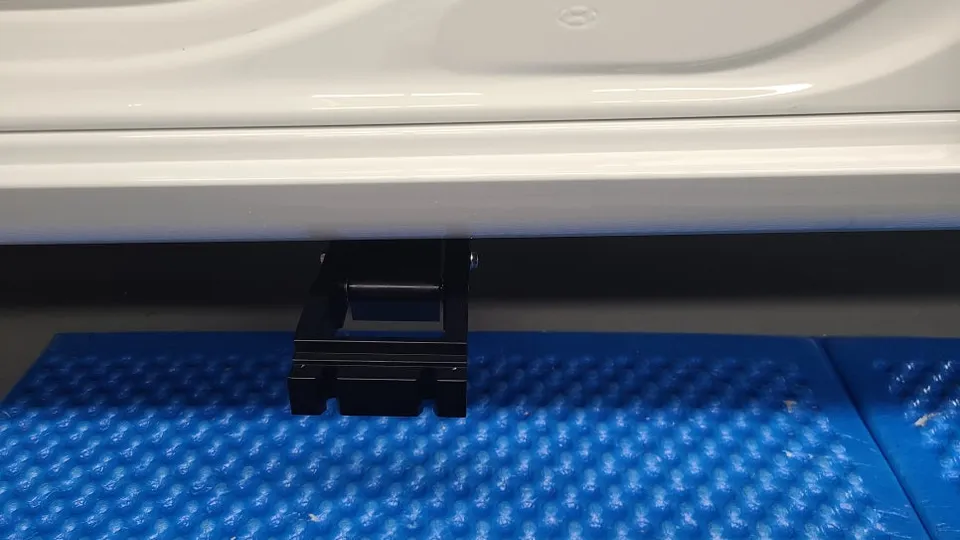
The Korean example detailed the careful removal of old fixed side steps before installing the new powered units, which involved precise assembly of joint mechanisms. This meticulous approach is vital for any body kit installation to ensure a seamless look and proper function. Durability is a key factor; kits made from materials like ABS plastic or polyurethane tend to be more resilient to minor impacts than those made from fiberglass (FRP). Maintenance typically involves regular washing and waxing, similar to the rest of the vehicle's exterior, to preserve the finish and material integrity. Expect a lifespan of 3-5 years for many kits, with warranties varying by manufacturer and installer.
Is a Hyundai Staria Body Kit Worth the Investment?
Deciding whether to install a body kit on your Hyundai Staria involves weighing the aesthetic benefits against the cost and potential risks. For owners seeking a more personalized and visually striking appearance, a well-chosen and professionally installed body kit can be a rewarding upgrade. The enhanced visual appeal can make the Staria stand out. However, it's important to consider the potential downsides. Installation costs can add significantly to the price of the kit itself. Furthermore, poorly fitted kits can detract from the vehicle's appearance and may even cause issues with aerodynamics or sensor functionality if not done correctly. The Korean context's focus on powered side steps underscores that upgrades can also significantly enhance practicality and safety, especially for families. Ultimately, the value of a body kit depends on individual priorities – if a unique look and enhanced presence are paramount, and you opt for quality parts and professional installation, it can be a worthwhile modification.
Frequently Asked Questions
Q. How much does a body kit cost for a Hyundai Staria?
Body kit parts for a Hyundai Staria typically range from $400 to $800 in the US, with installation costs being additional. Professional installation can add several hundred dollars to the total price.
Q. How long does body kit installation take on a Hyundai Staria?
The installation process for a body kit on a Hyundai Staria can take anywhere from 3-4 hours to a full day, depending on the complexity of the kit and the installer's experience. Proper maintenance involves regular cleaning and waxing to preserve the finish.
Q. Is a body kit worth it for a Hyundai Staria?
A body kit can be worth it for a Hyundai Staria if your priority is a more aggressive or personalized aesthetic. It offers a significant visual upgrade, making the vehicle stand out.
Q. How is a body kit installed on a Hyundai Staria?
Body kit installation on a Hyundai Staria typically involves preparing the vehicle's surface, carefully fitting and aligning the new components (like front lips or side skirts), and securing them with automotive adhesive, clips, or fasteners. Some kits may require drilling for a secure attachment.
Q. What is the difference between FRP and polyurethane body kits for a Hyundai Staria?
FRP (fiber-reinforced plastic) body kits are often more affordable but can be brittle and prone to cracking. Polyurethane kits are generally more flexible, durable, and resistant to impacts, making them a better long-term investment for a Hyundai Staria.
Q. What should I know before getting Body Kit on a Hyundai Staria? (common regrets and mistakes)
The most common regret is choosing a kit that doesn't fit perfectly or is made from low-quality materials, leading to a poor appearance and potential damage. Always opt for reputable brands and professional installation to ensure a seamless fit and finish.
OhCar Partner Shop