Hyundai Tucson TL Body Kit Installation Review: Cost & Results
Service Price
$under $40
Estimated price · Actual price may vary by shop
Before
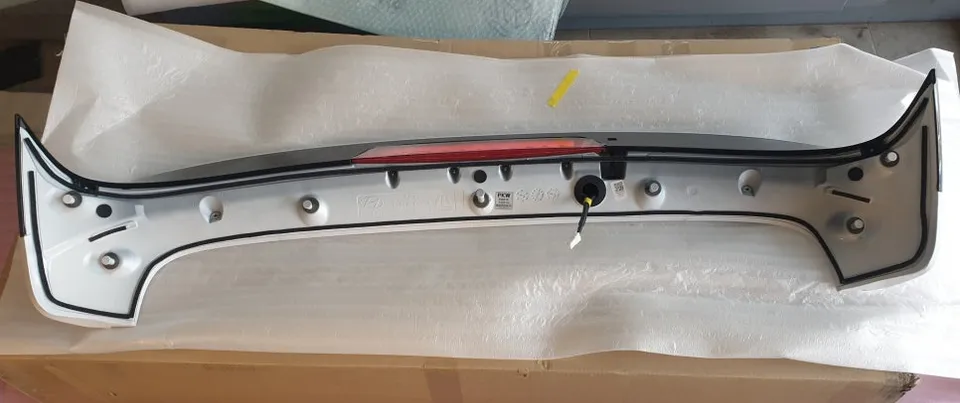
After
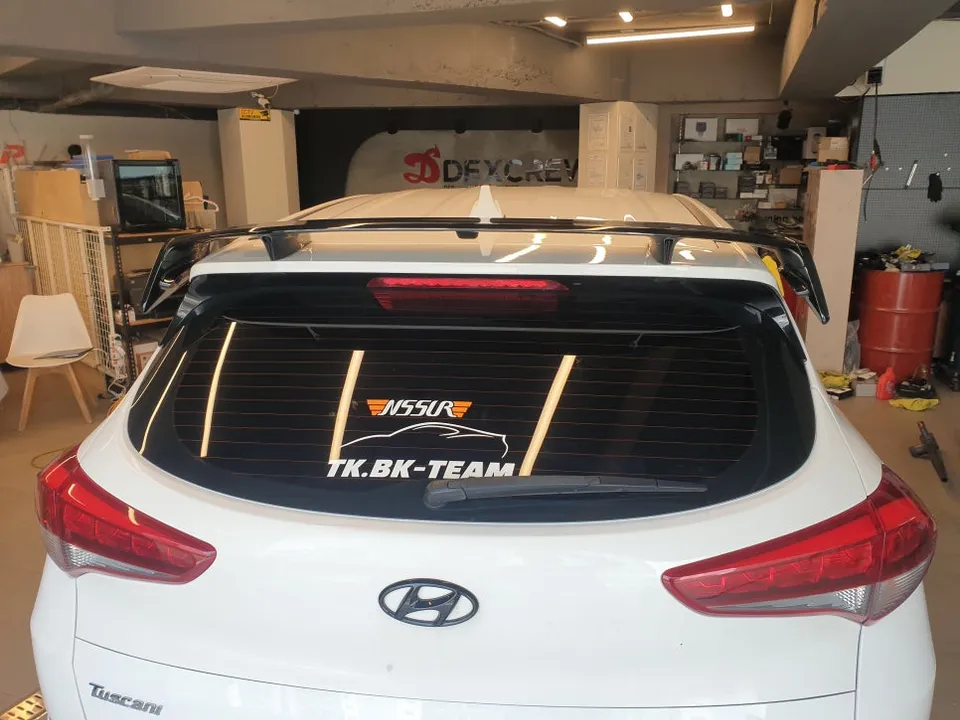
Process photos
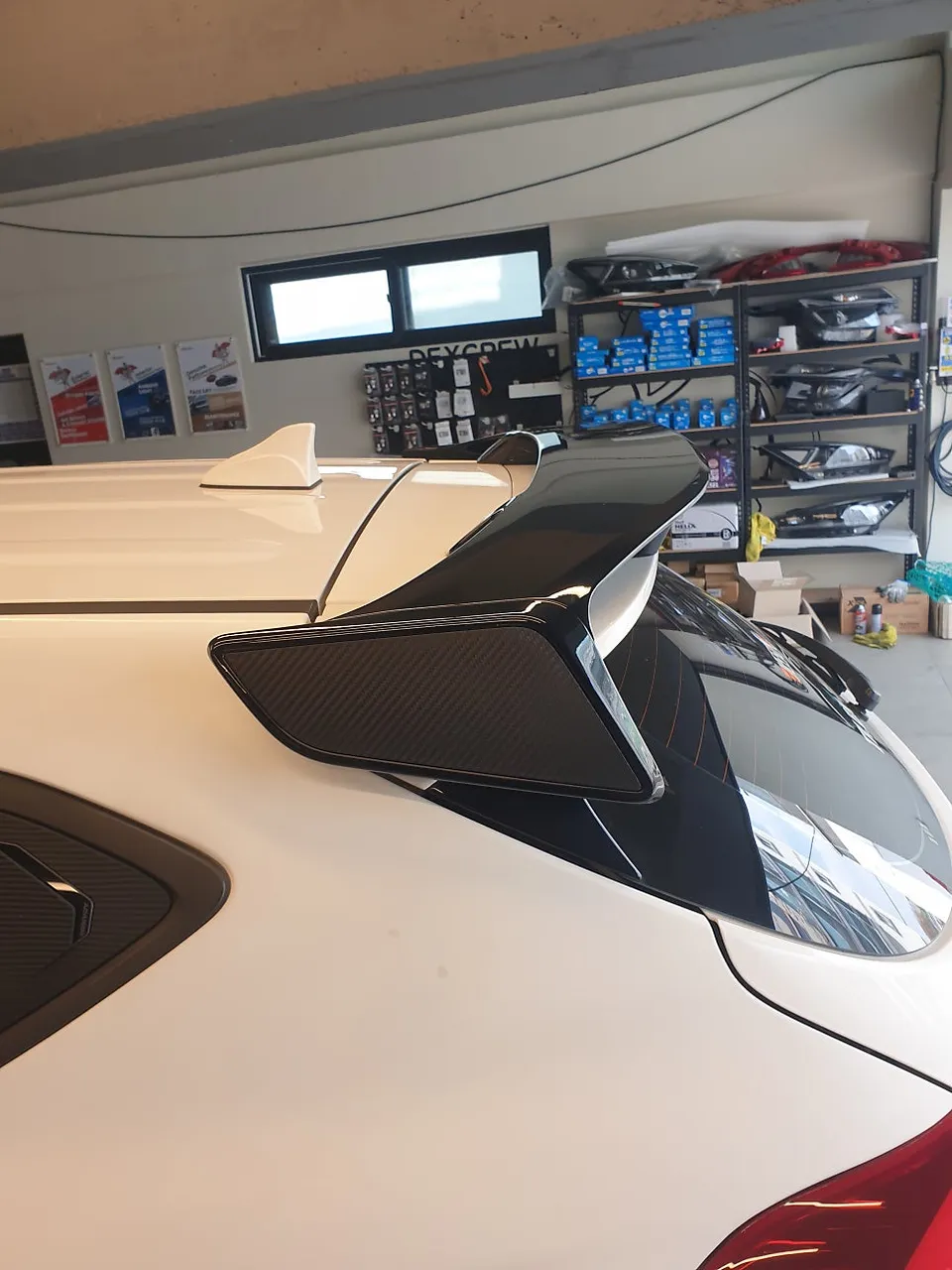
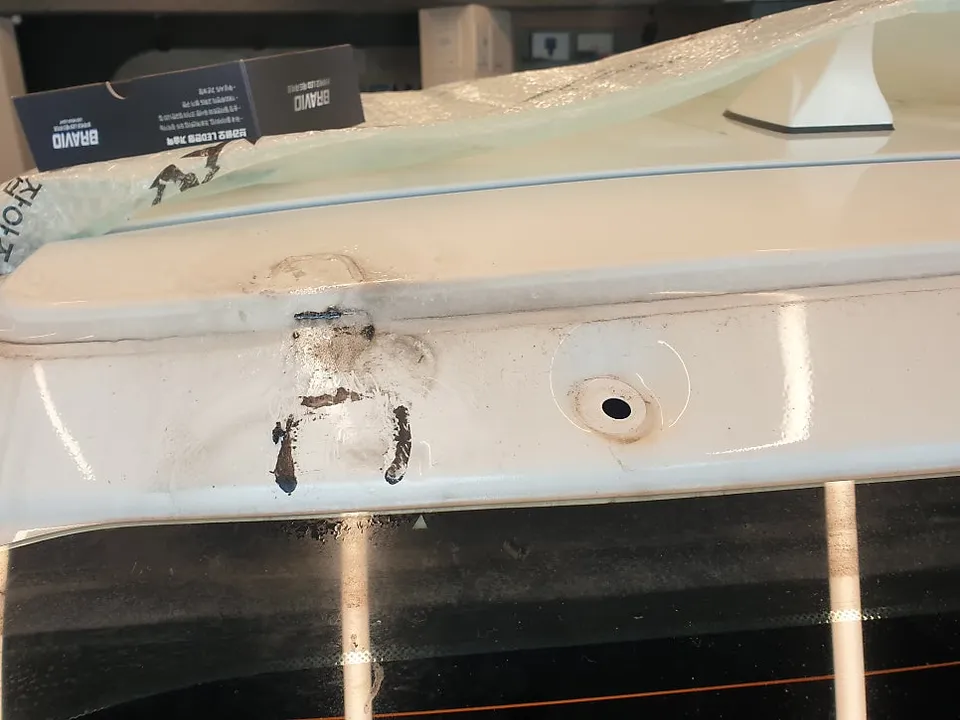
Hyundai Tucson TL body kit installation: Costs vary widely, from $1000-$3000+. Enhances sporty look but consider durability and potential damage risks
Transforming Your Hyundai Tucson TL with a Body Kit
Many car owners enjoy customizing their vehicles to reflect their personal style. For those who own a Hyundai Tucson TL, adding a body kit can significantly alter its appearance, giving it a sportier or more aggressive stance. This review delves into the process, costs, and outcomes of installing a body kit, specifically focusing on the front lip, side skirts, and rear elements. We'll cover what to expect from the installation, the potential before-and-after transformations, and whether this upgrade is a worthwhile investment for your Tucson TL.
Body Kit Installation Process and Considerations
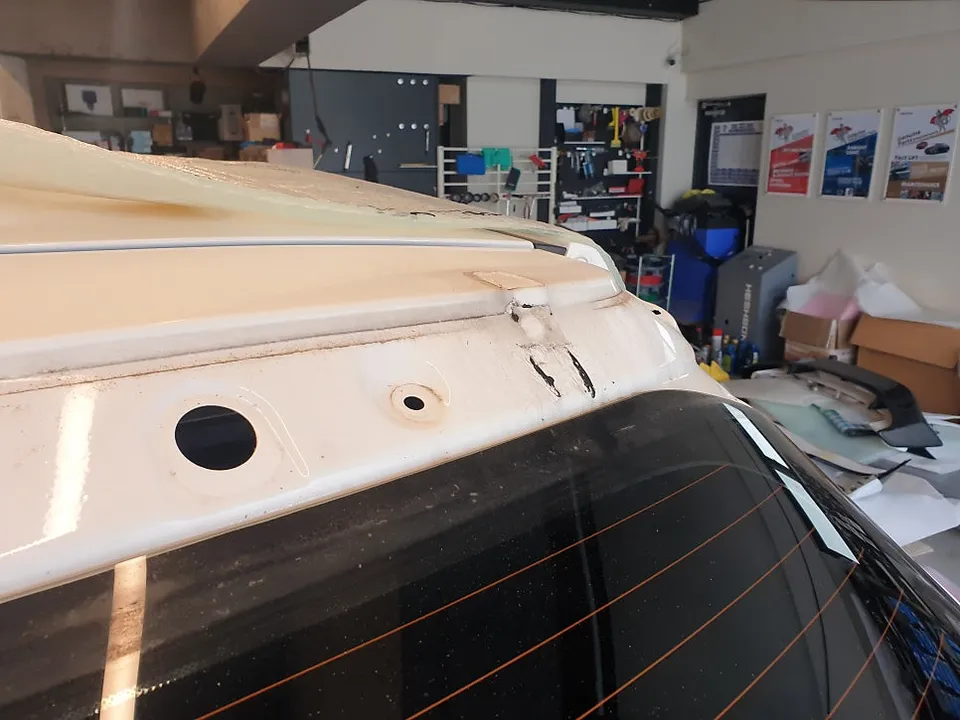
Installing a body kit, often referred to as an aero kit, involves fitting new exterior panels to your vehicle. For the Hyundai Tucson TL, this typically includes a front lip spoiler, side skirts, and sometimes a rear diffuser or spoiler. The process requires precision to ensure a seamless fit and a factory-like finish. While some enthusiasts might attempt a DIY installation, professional help is often recommended to avoid damage and achieve optimal results. The original Korean context for a similar modification involved removing an aftermarket wing spoiler and restoring the original rear spoiler for a cleaner look. This highlights that modifications can go both ways – adding aggressive styling or returning to a more subtle, factory aesthetic. When considering a full body kit, the installation is more involved than a simple spoiler swap.
Installation process:
- Surface Preparation: The existing bumpers and body panels are thoroughly cleaned and degreased. Any imperfections are addressed to ensure a smooth surface for adhesion or mounting.
- Component Fitting: The new body kit components (front lip, side skirts, etc.) are carefully aligned with the vehicle's body. This may involve test fitting and minor adjustments.
- Attachment: Components are secured using a combination of automotive-grade adhesives, screws, or clips, depending on the kit's design and manufacturer recommendations. For parts like side skirts, drilling into the vehicle's chassis might be necessary for a secure fit.
- Finishing Touches: After installation, gaps are checked, and any necessary sealing or touch-up paint is applied. The vehicle is then cleaned thoroughly.
Before & After: The Visual Impact of a Body Kit
The visual transformation a body kit provides for the Hyundai Tucson TL can be dramatic. A well-designed aero kit can lower the perceived height of the vehicle, giving it a more planted and performance-oriented look. The front lip adds aggression to the fascia, while side skirts visually connect the front and rear, creating a cohesive and sporty profile. The rear may receive a new diffuser or spoiler, completing the aggressive aesthetic. Unlike the Korean example of reverting to a stock look, a full body kit aims to enhance the vehicle's sporty character. The durability of a body kit depends heavily on the material (e.g., polyurethane, ABS plastic, or fiberglass) and the quality of the installation. Polyurethane and ABS are generally more flexible and resistant to cracking than fiberglass, making them better suited for daily driving and varying road conditions. Proper maintenance, including regular washing and waxing, will help preserve the finish and longevity of the body kit components.
Is a Body Kit Worth It for Your Tucson TL?
Deciding whether to install a body kit involves weighing the aesthetic benefits against the cost and potential risks. The body kit cost can vary significantly, ranging from a few hundred dollars for basic kits to several thousand for high-end, multi-piece designs, plus installation fees. In Korea, a simple rear spoiler replacement might cost around ₩100,000 to ₩200,000 (approximately $75-$150 USD) for parts and labor. A full body kit installation in the US could range from $1,000 to $3,000 or more, depending on the kit's complexity and the shop's labor rates. While a body kit can enhance your Tucson TL's appearance and potentially its aerodynamics, it's crucial to consider the trade-offs. Increased susceptibility to damage from road debris, speed bumps, or minor impacts is a concern. Furthermore, some modifications might affect vehicle warranty or resale value. For owners seeking a unique look and willing to invest in the modification and potential upkeep, a body kit can be a rewarding upgrade. However, if practicality and maintaining a factory appearance are priorities, sticking to the stock look or opting for less intrusive modifications might be a better choice.
Frequently Asked Questions
Q. How much does a body kit cost for a Hyundai Tucson TL?
In Korea, a simple rear spoiler replacement can cost around $75-$150 USD for parts and labor. A full body kit installation in the US typically ranges from $1,000 to $3,000 or more, depending on the kit and labor rates.
Q. How long does body kit installation take on a Hyundai Tucson TL?
Installation time can vary from a few hours for simple kits to a full day or more for complex aero kits. Durability depends on material quality and installation precision; regular washing and waxing are recommended for maintenance.
Q. Is a body kit worth it for a Hyundai Tucson TL?
A body kit is worth it if you prioritize a unique, aggressive aesthetic and are prepared for the associated costs and potential risks of damage. It's less suitable if practicality and maintaining a factory appearance are your main concerns.
Q. How is a body kit installed on a Hyundai Tucson TL?
Installation involves preparing the vehicle's surface, carefully fitting the new components (front lip, side skirts, etc.), and securing them with adhesives, screws, or clips. Professional installation is recommended for a seamless finish and to avoid damage.
Q. What is the difference between FRP and polyurethane body kits for a Hyundai Tucson TL?
Polyurethane and ABS plastic kits are generally more flexible and resistant to cracking than Fiberglass Reinforced Plastic (FRP) kits. For daily driving, polyurethane or ABS is often recommended due to better durability and impact resistance.
OhCar Partner Shop