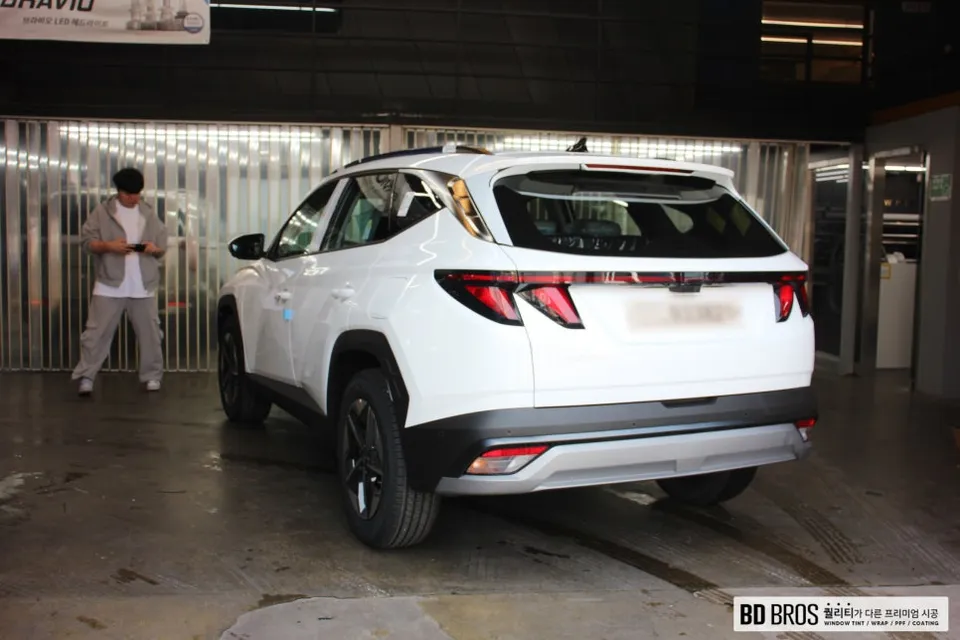
Hyundai Venue OEM Options Review: Cost & Results
Service Price
$approx. $400–800
Estimated price · Actual price may vary by shop
Before

After
Process photos
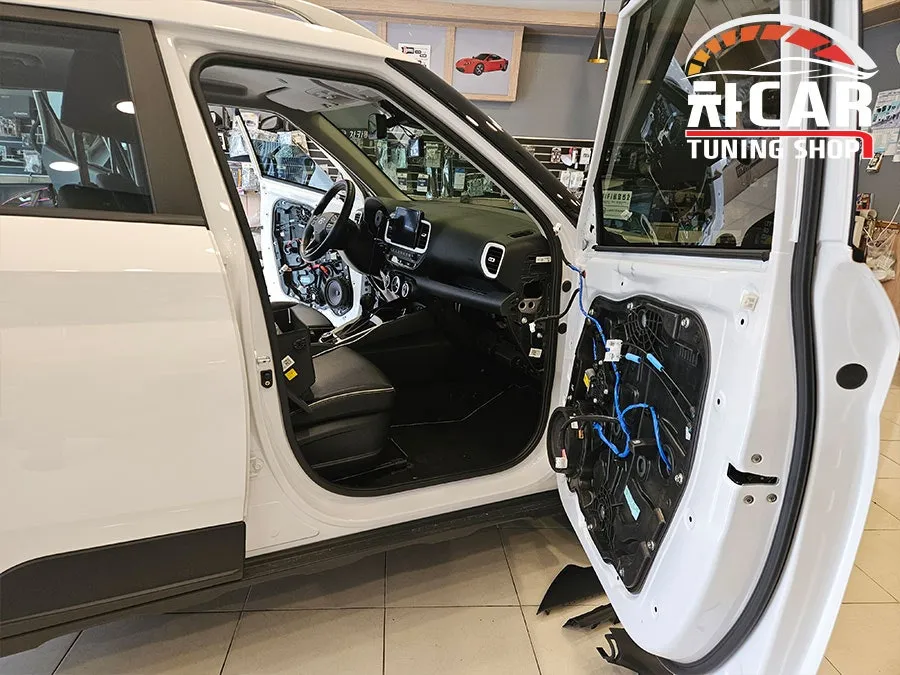
Hyundai Venue BSD sensors + lock-folding mirrors: Approx. $150-$300. Enhances safety and convenience with blind-spot alerts and auto-folding mirrors.
Upgrading Your Hyundai Venue with OEM Options
Many new Hyundai Venue owners, especially those new to driving, look to enhance their vehicles with popular options. This review details the installation of a Blind Spot Detection (BSD) system and a power-folding mirror relay, often sought-after upgrades. We'll cover the process, the benefits, and whether these OEM options are a worthwhile investment for your Venue.
Understanding Blind Spot Detection (BSD) vs. Blind Spot Assist (BSA)
When considering rear-facing sensors for your Venue, two main technologies exist: BSD (radar-based) and BSA (ultrasonic-based). BSD systems typically involve embedding radar modules within the rear bumper, offering a clean, factory-integrated look without external modifications. This is generally considered the more 'OEM-like' approach. In contrast, BSA systems use ultrasonic sensors mounted externally on the bumper, which requires drilling and can be visually apparent. The key functional difference lies in what they detect: BSD targets moving vehicles, while BSA can detect both moving and stationary objects, including pedestrians. For a seamless, factory-integrated feel, the radar-based BSD is the preferred choice.
How the BSD System Works and Installation
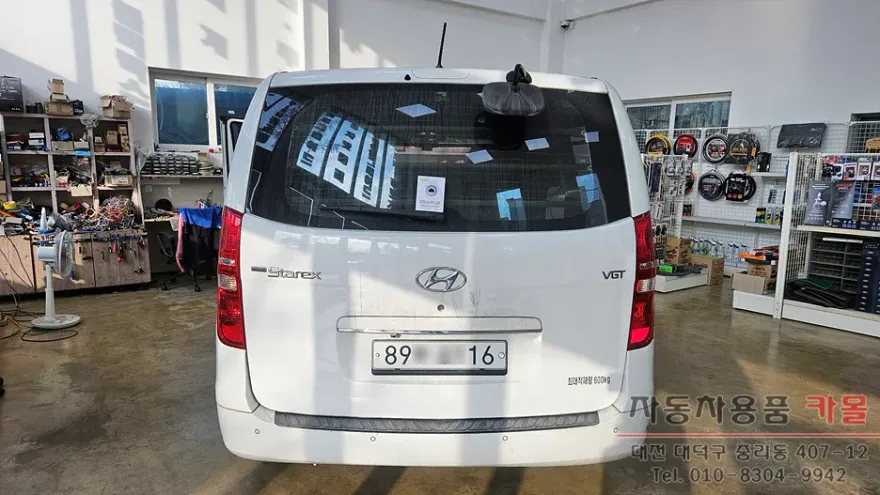
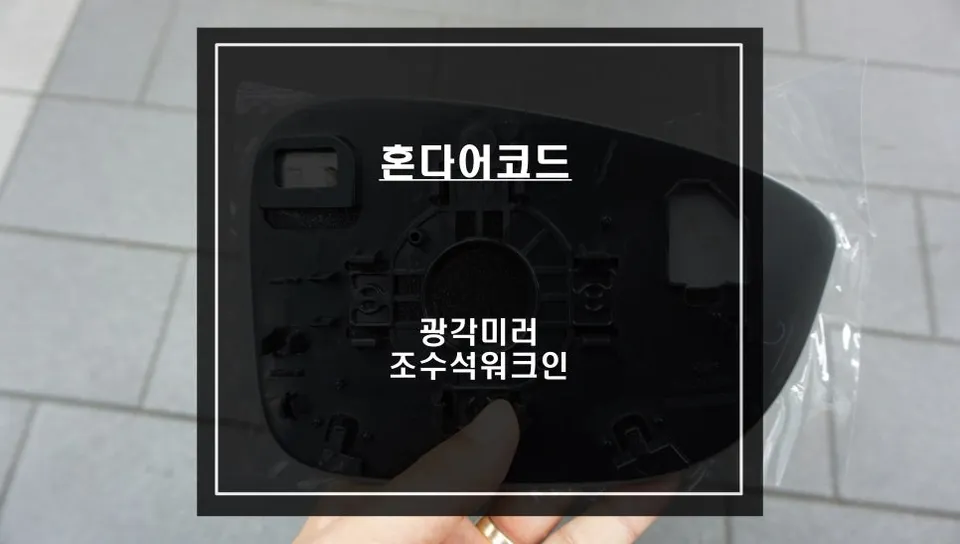
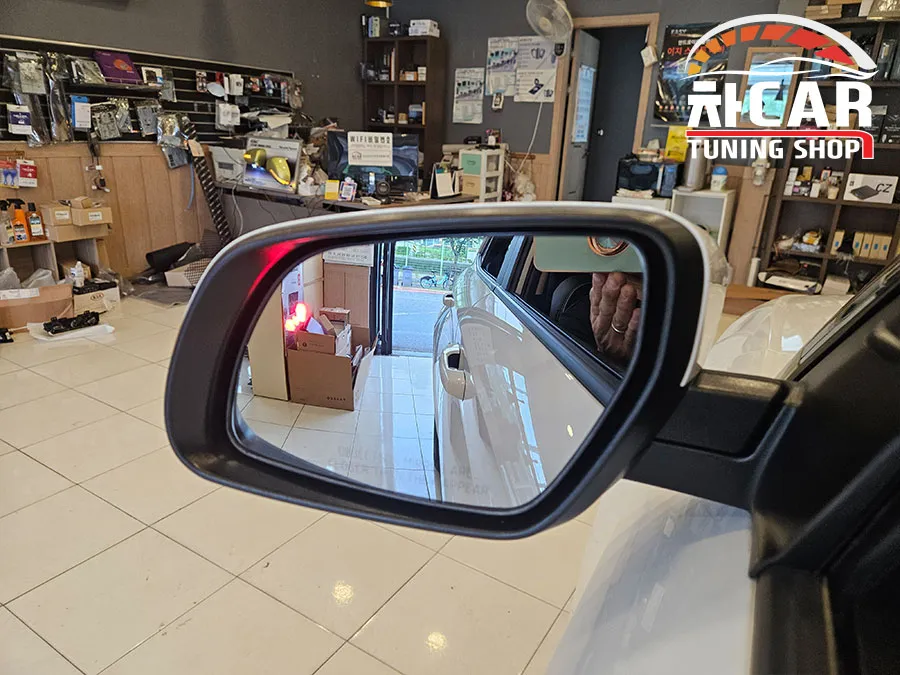
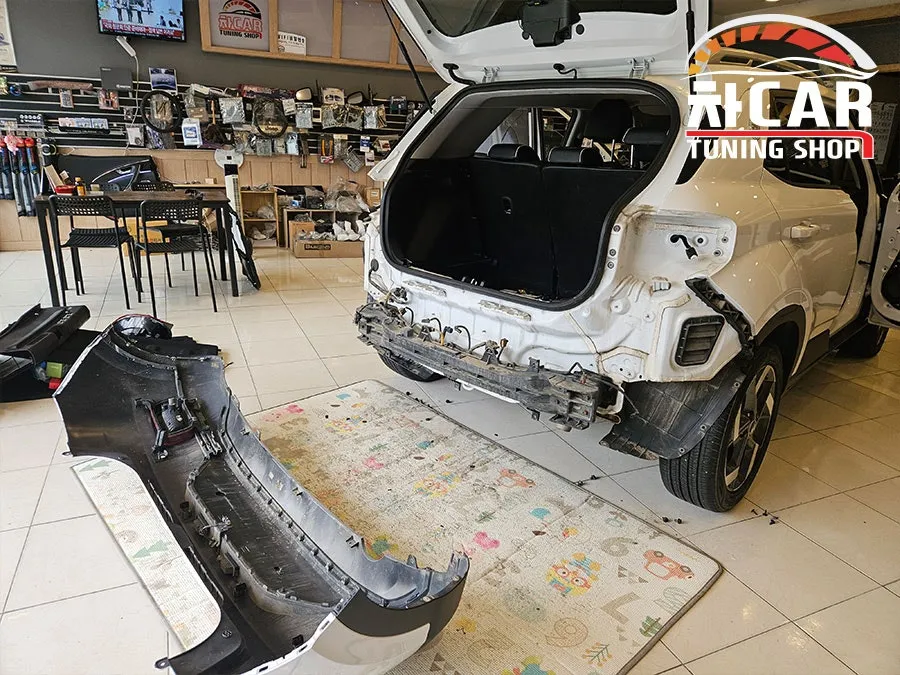
Once installed, the BSD system alerts you to vehicles in your blind spots. When a moving object is detected, an LED indicator illuminates on the corresponding side mirror. If you activate your turn signal while a vehicle is present in the blind spot, the LED will flash rapidly, accompanied by an audible warning chime, providing a multi-layered alert. The responsiveness is often surprisingly quick. For compact vehicles like the Venue, where maximizing visibility is crucial, pairing the BSD system with wide-angle mirrors significantly enhances the field of view and further mitigates blind spots. The installation process involves removing the rear bumper to mount the radar sensors internally, followed by wiring the LED indicators into the side mirrors. The rear bumper is then reinstalled, leaving no visible trace of the modification.
The Convenience of Auto-Folding Mirrors (Lock-Folding Relay)
The lock-folding relay module adds a significant convenience feature by linking your vehicle's remote lock/unlock signals to the side mirrors. When you lock the car, the mirrors automatically fold inwards, and when you unlock it, they unfold. This not only adds a touch of sophistication but also serves a practical purpose by visually confirming the vehicle is locked. It's important to note that if you manually operate the mirrors using the interior switch, it might temporarily disrupt the automatic folding sequence. Adjusting your usage habits slightly after installation can ensure the system works seamlessly.
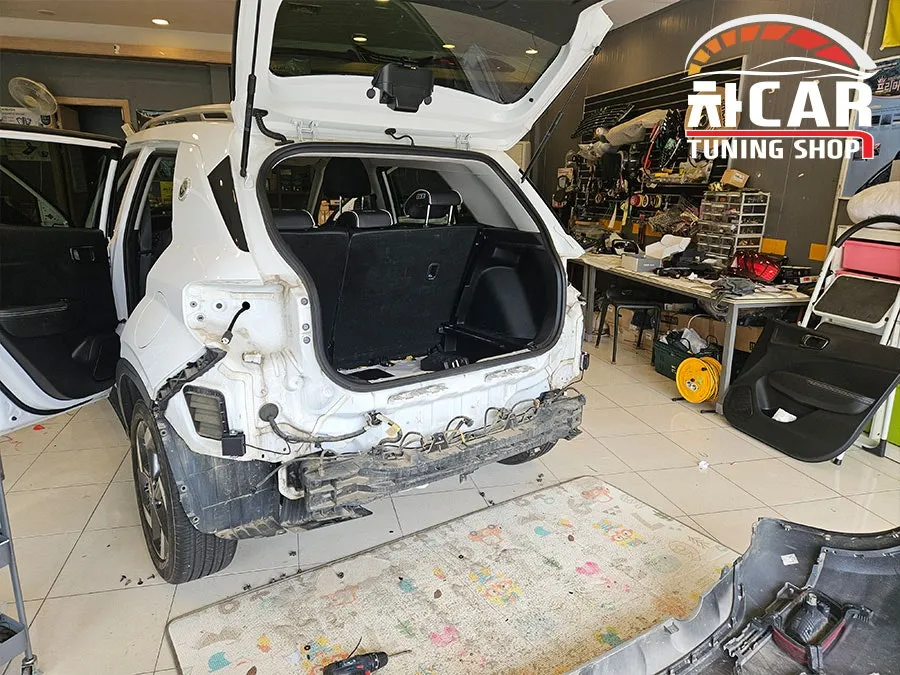
Installation Process:
- The rear bumper is carefully removed to access the mounting locations for the BSD radar sensors.
- The BSD radar modules are securely installed inside the rear bumper on both sides.
- Wiring is routed for the LED indicators, which are integrated into the side mirror assemblies.
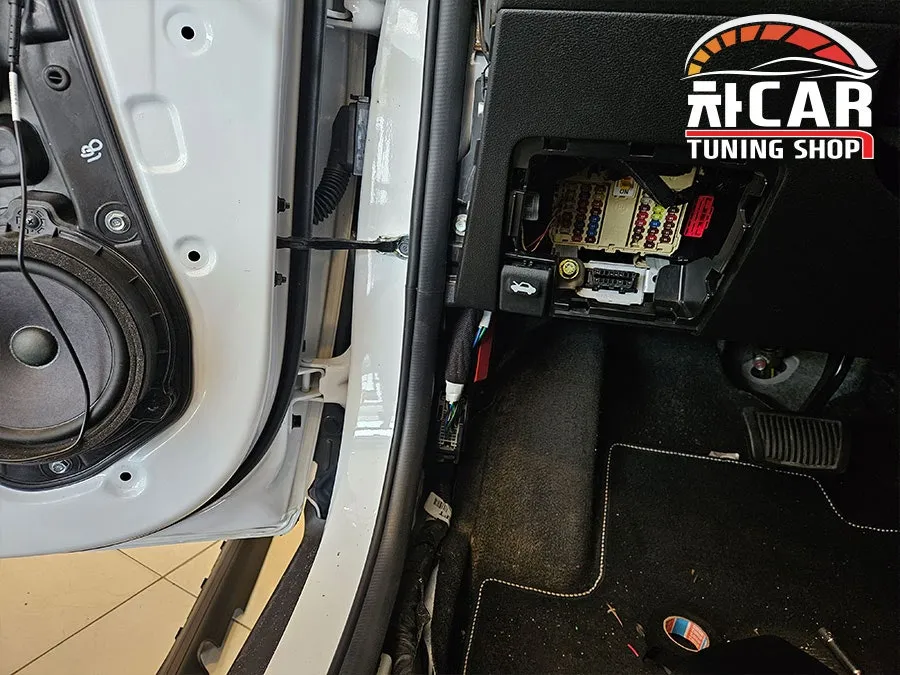
- The lock-folding relay module is connected to the vehicle's electrical system, typically near the fuse box or door wiring harnesses.
- The rear bumper is reinstalled, and all systems are tested for proper functionality.
The entire process, including both the BSD sensors and the lock-folding relay, typically takes a few hours. While specific pricing can vary, these types of installations in Korea can range from approximately 200,000 to 400,000 KRW (roughly $150-$300 USD), depending on the specific components and installer.
Frequently Asked Questions
Q. How much does OEM option and factory upgrade installation cost for a Hyundai Venue?
In Korea, installations like BSD sensors and lock-folding relays for a Hyundai Venue typically cost between 200,000 to 400,000 KRW (approximately $150-$300 USD). US pricing can vary significantly based on regional labor rates and specific parts used.
Q. How long does OEM options installation take on a Hyundai Venue?
The durability of these OEM options is generally excellent, designed to last the lifetime of the vehicle with minimal maintenance. A simple tip is to keep the sensors clean from dirt and debris for optimal performance.
Q. Are OEM options worth adding after purchase for a Hyundai Venue?
These OEM options are most beneficial for novice drivers or those frequently navigating tight parking situations, significantly enhancing safety and convenience. The value lies in the improved awareness and reduced risk of minor collisions.
Q. How are OEM factory options installed on a Hyundai Venue?
Installation involves carefully removing the rear bumper to embed BSD radar sensors internally. Wiring is then run to integrate LED warning lights into the side mirrors. A lock-folding relay module is also connected to the vehicle's power and door lock systems.
Q. What is the difference between dealer-installed options and aftermarket upgrades for a Hyundai Venue?
OEM options, like the BSD sensors discussed, are designed to integrate seamlessly with the vehicle's existing systems and aesthetics, often using factory-like components. Aftermarket upgrades may offer similar functionality but can sometimes compromise the vehicle's original look or integration.