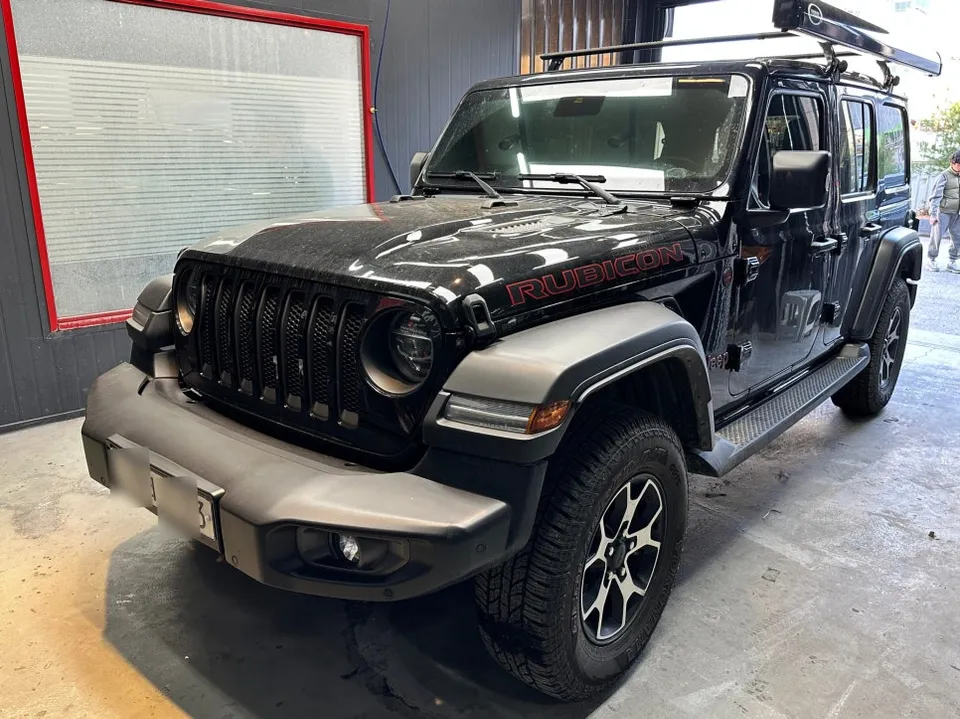
Jeep Grand Cherokee Performance Upgrade Review — Enhanced Sound
Service Price
$approx. $1,150–1,500
Estimated price · Actual price may vary by shop
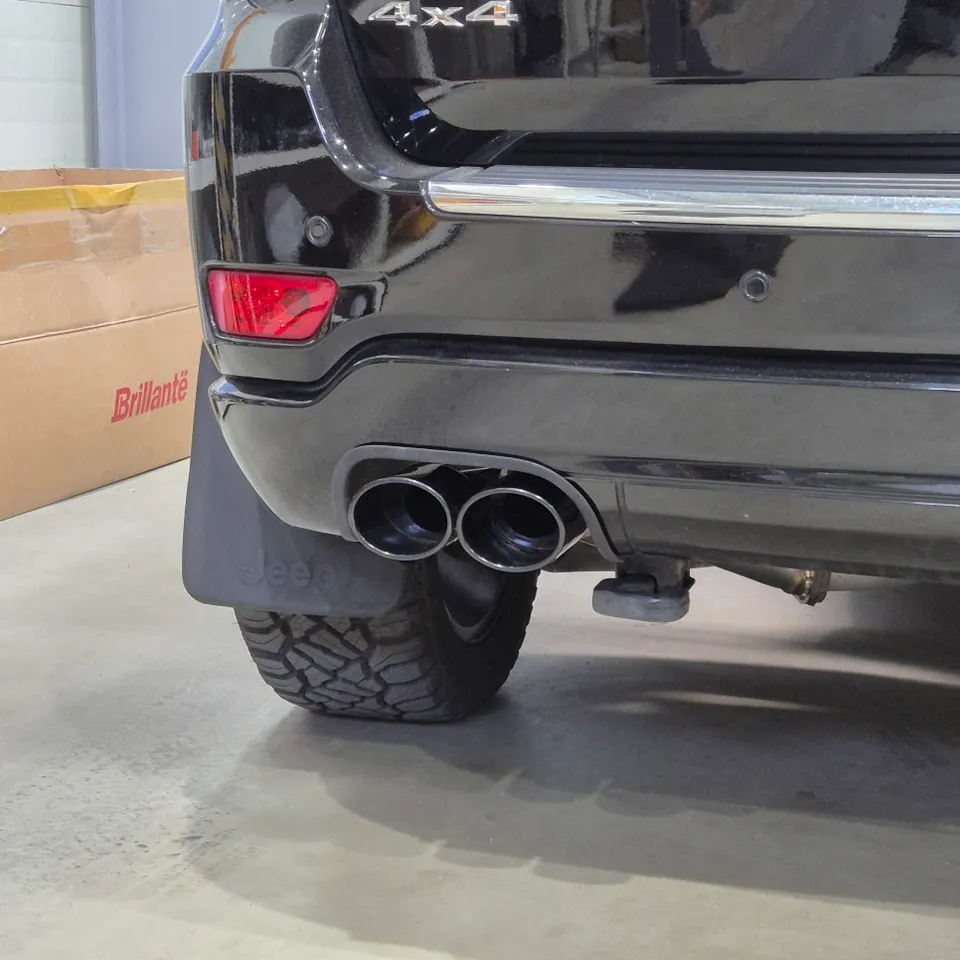
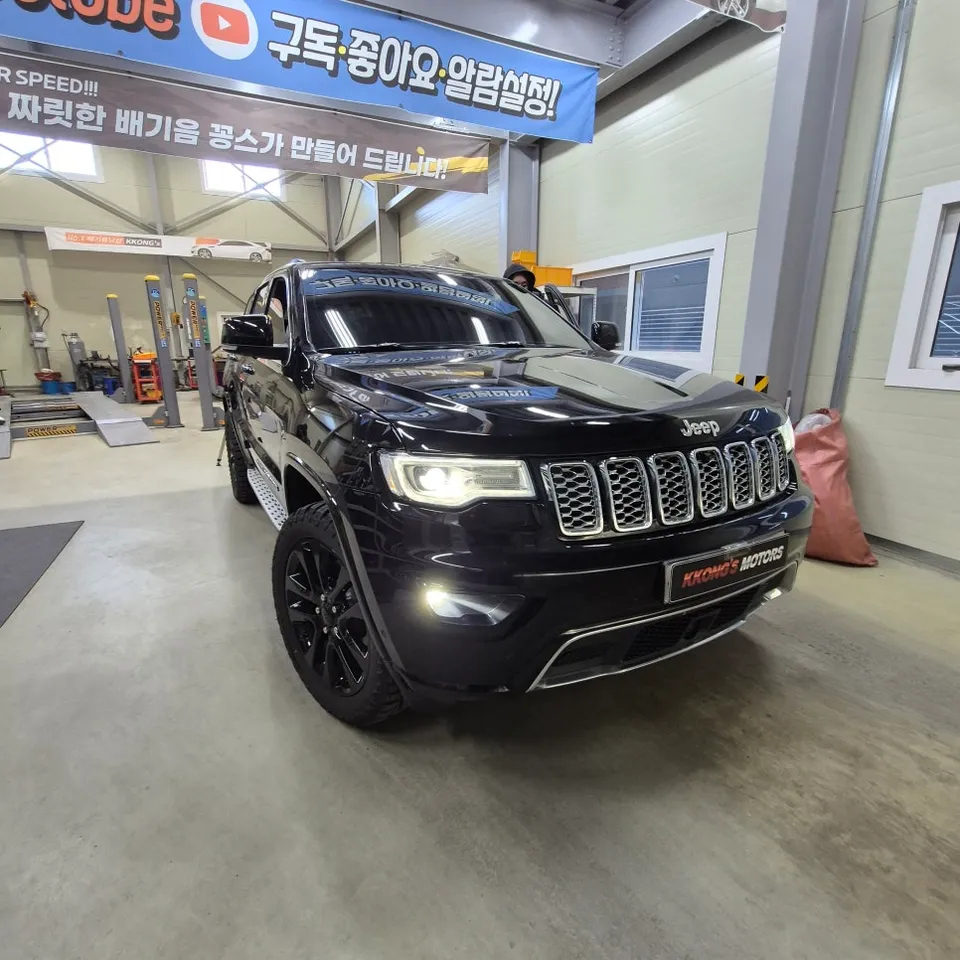
Jeep Grand Cherokee end muffler custom: 800,000-1,500,000 KRW. Achieved a deeper, resonant low-frequency exhaust note.
Elevating the Grand Cherokee's Presence with an End Muffler Customization
Many daily SUV drivers seek a more engaging driving experience without sacrificing comfort. The owner of this Jeep Grand Cherokee desired a "heavier exhaust note while maintaining comfort." To achieve this, an end muffler custom was performed, focusing on a solid, low-frequency tone. The goal wasn't an overly aggressive sound but rather to imbue the SUV's inherent weight into its exhaust acoustics.
Understanding the Need for Acoustic Refinement
The Grand Cherokee typically features a well-designed exhaust system. However, the stock muffler prioritizes noise reduction over sound quality, which can dampen the driving feel. A diagnostic of the vehicle revealed that the exhaust flow was already in good condition, indicating that an end muffler custom would be sufficient to achieve the desired transformation. The process involved measuring the existing exhaust path and determining the most suitable tone for the vehicle, considering its weight, engine displacement, and the owner's preferences. For a mid-size SUV, this type of customization typically takes 2-3 hours and can range from 800,000 to 1,500,000 Korean Won.
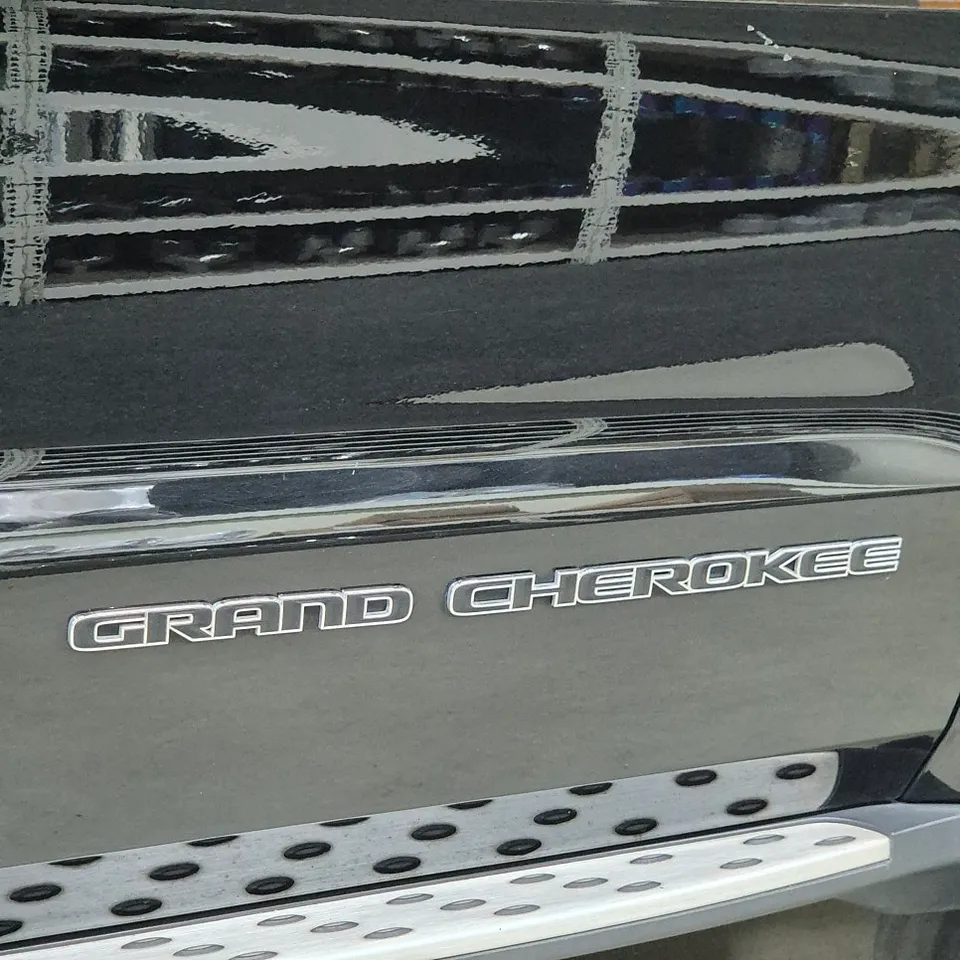
The Crucial Role of Muffler Selection
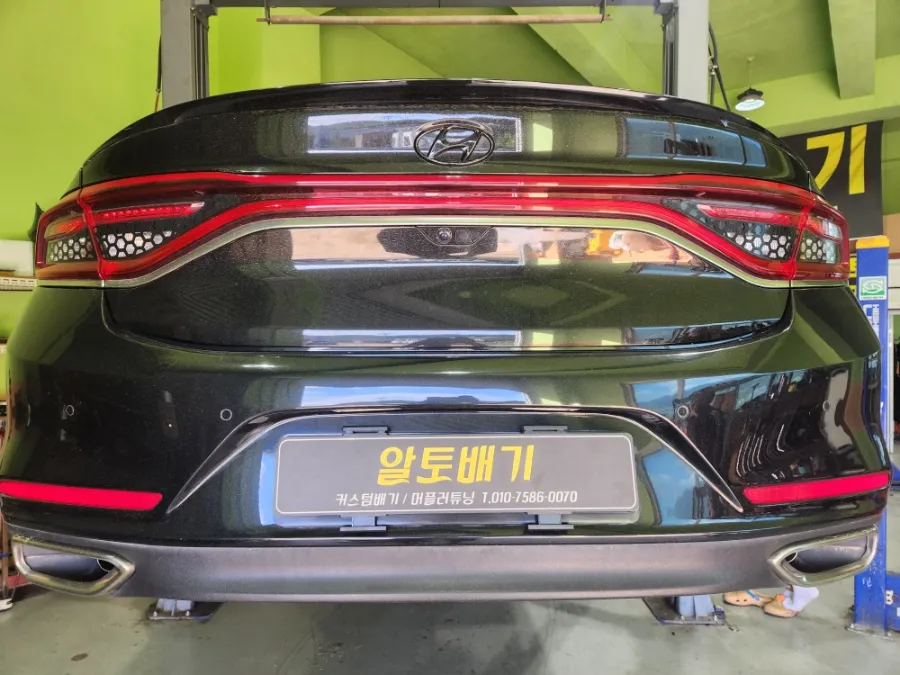
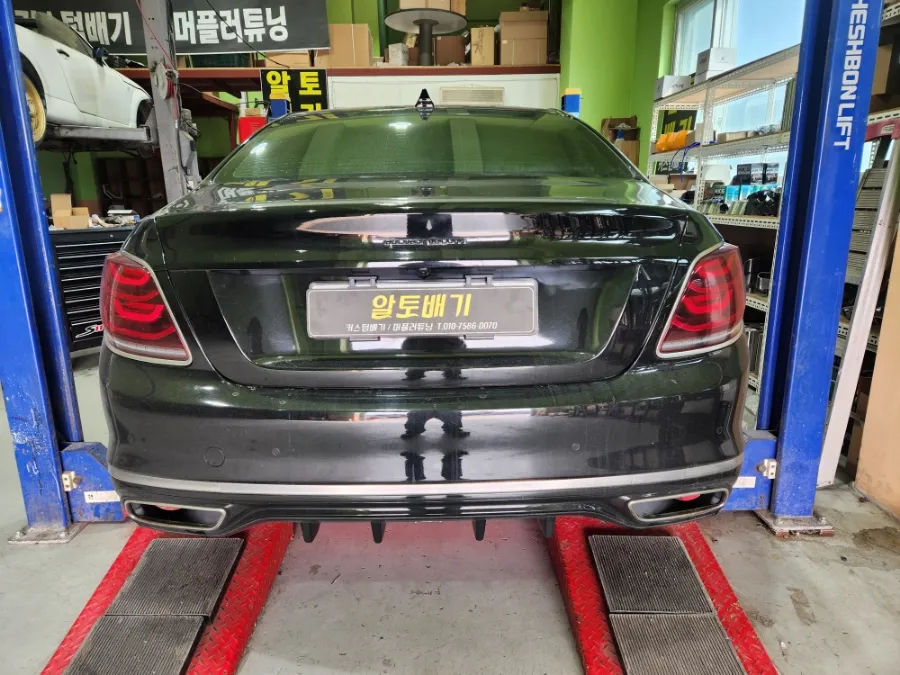
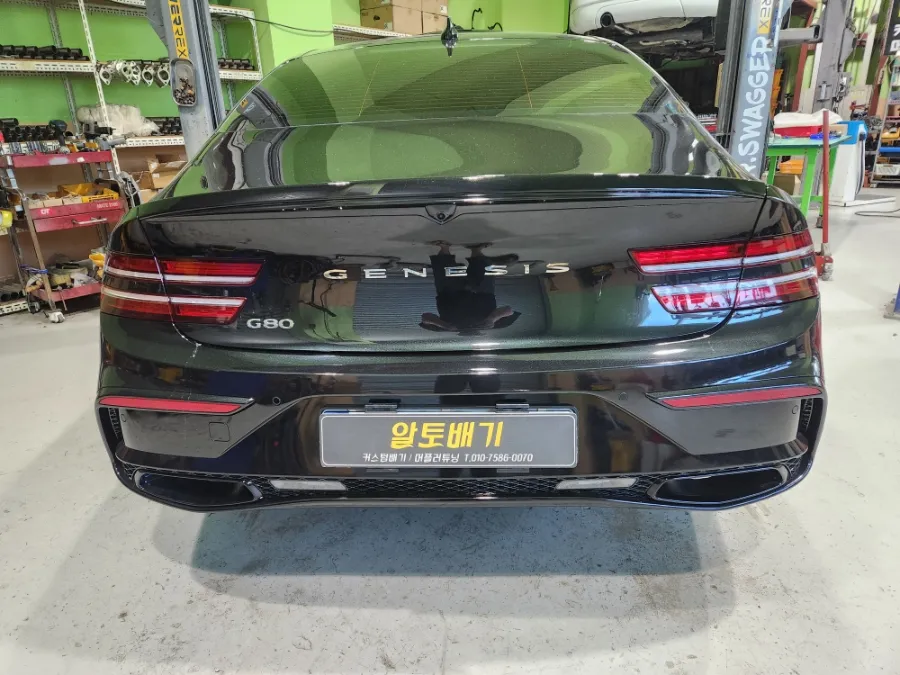
The core of muffler customization lies in the choice of the muffler itself. The market offers a wide variety of products, each differing in sound quality, structure, and material. This particular upgrade utilized a premium stainless steel muffler, chosen for its durability (guaranteed for over 5 years) and exceptional control over resonance. The primary distinction between standard and premium mufflers is their internal structure. Standard mufflers aim solely for volume reduction, while premium options feature sophisticated chamber designs that precisely manage exhaust flow. A dual-chamber design was implemented here to emphasize low-frequency tones while controlling higher pitches. The muffler tip also plays a significant role in aesthetics. Given the vehicle's black rear exterior, black metallic tips were selected to create a cohesive look that complements the enhanced sound.
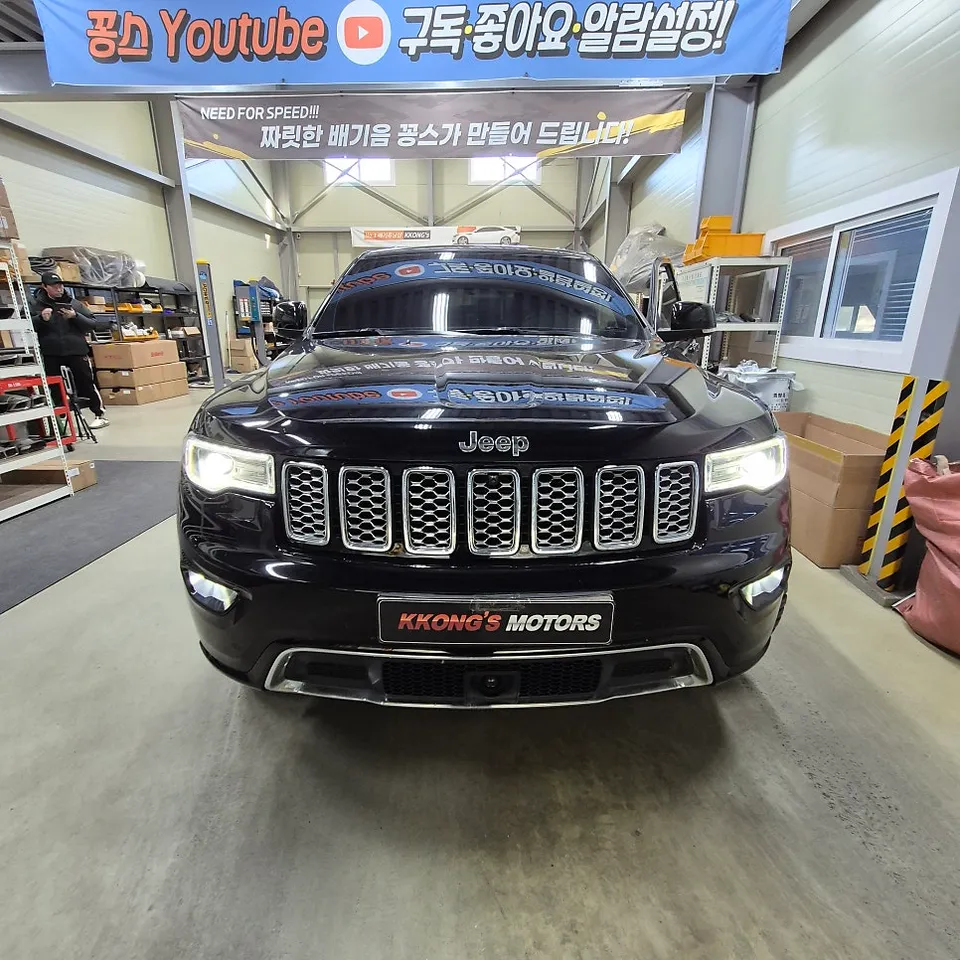
Fine-Tuning the Low-Frequency Tone
Simply replacing the muffler does not guarantee optimal sound. It requires testing the compatibility between the existing exhaust line and the new muffler, along with meticulous setting adjustments to minimize resonance. This ensures a "solid yet not excessive" tone. The installation process begins with disassembling the old muffler and cleaning the exhaust pipe interior, as carbon deposits can negatively impact sound quality. This cleaning step alone can take about an hour. After installing the new muffler, the engine sound is recorded and verified. Objective measurement using a decibel (dB) meter is crucial, as auditory judgment can be subjective. For this Grand Cherokee, the system was tuned to produce a stable low-frequency sound within the 82-85 dB range during acceleration. This is distinct but not overpowering, considering typical city traffic noise is around 75 dB. Finally, a thorough check for any leaks in the exhaust line after the muffler replacement is essential to prevent performance degradation and fuel economy issues.
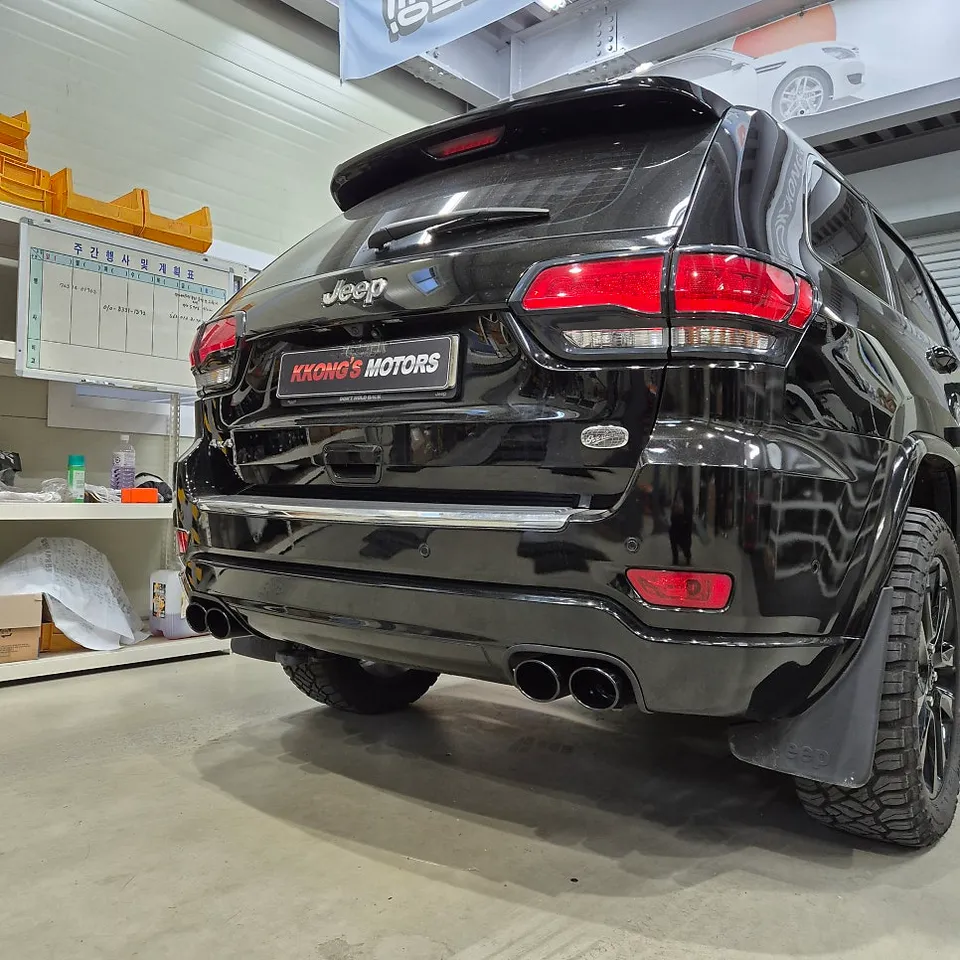
Finishing Touches and Final Sound Verification
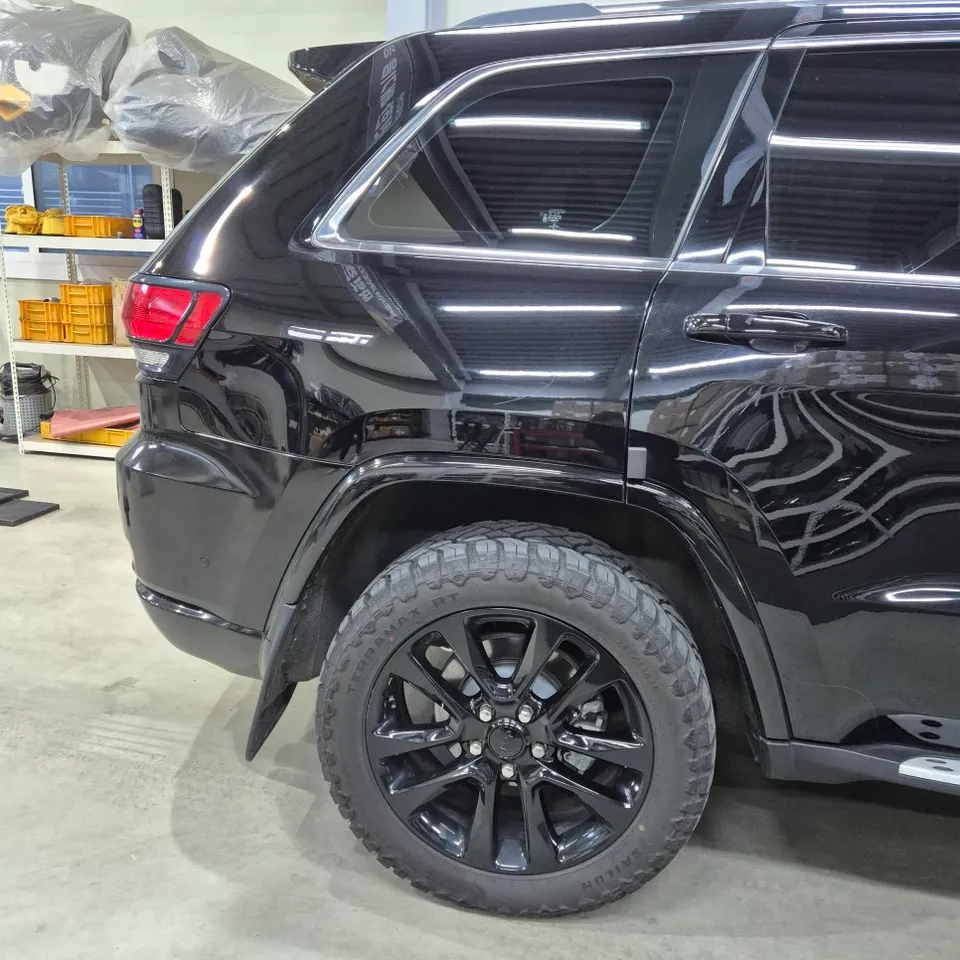
Upon completion of the main installation, finishing touches are applied. This includes sealing around the muffler tips and addressing any undercoating damage. The final verification ensures that the exhaust system is perfectly sealed and the new sound profile meets the owner's expectations, providing a more satisfying driving experience.
Frequently Asked Questions
Q. How much does an exhaust upgrade cost for a Jeep Grand Cherokee?
In Korea, an end muffler custom for a Jeep Grand Cherokee typically ranges from 800,000 to 1,500,000 Korean Won. In the US, similar performance exhaust upgrades can range from $500 to $2,000 depending on the components and brand.
Q. How does an exhaust upgrade affect performance on a Jeep Grand Cherokee?
An exhaust upgrade, particularly an end muffler custom, primarily enhances the vehicle's sound profile, adding a deeper, more resonant tone. While it can slightly improve exhaust flow, significant performance gains are usually achieved with more comprehensive systems like cat-back or header upgrades. Regular checks for leaks will ensure optimal performance and longevity.
Q. Is an exhaust upgrade worth it for a Jeep Grand Cherokee?
An exhaust upgrade is most worthwhile for Grand Cherokee owners seeking to enhance the auditory experience and add a more premium sound to their daily driver. It offers a noticeable improvement in driving engagement without compromising the vehicle's comfort and practicality.
Q. How is an exhaust system upgraded on a Jeep Grand Cherokee?
1. The existing muffler is removed. 2. The exhaust pipe interior is cleaned to remove carbon deposits. 3. A new, selected muffler (e.g., premium stainless steel with dual chambers) is fitted and connected to the exhaust line. 4. The new muffler tips are attached, and sealing is applied around the tips. 5. The system is tested for leaks and sound output (dB levels).
Q. What is the difference between a catback and axleback exhaust for a Jeep Grand Cherokee?
An axle-back exhaust replaces only the muffler and tips (from the rear axle back), offering a simpler sound modification. A cat-back exhaust replaces everything from the catalytic converter back, including the mid-pipe, muffler, and tips, providing more significant changes in sound and potentially performance. For enhancing sound with a focus on low-frequency tones, an axle-back or end muffler custom is often sufficient.
OhCar Partner Shop