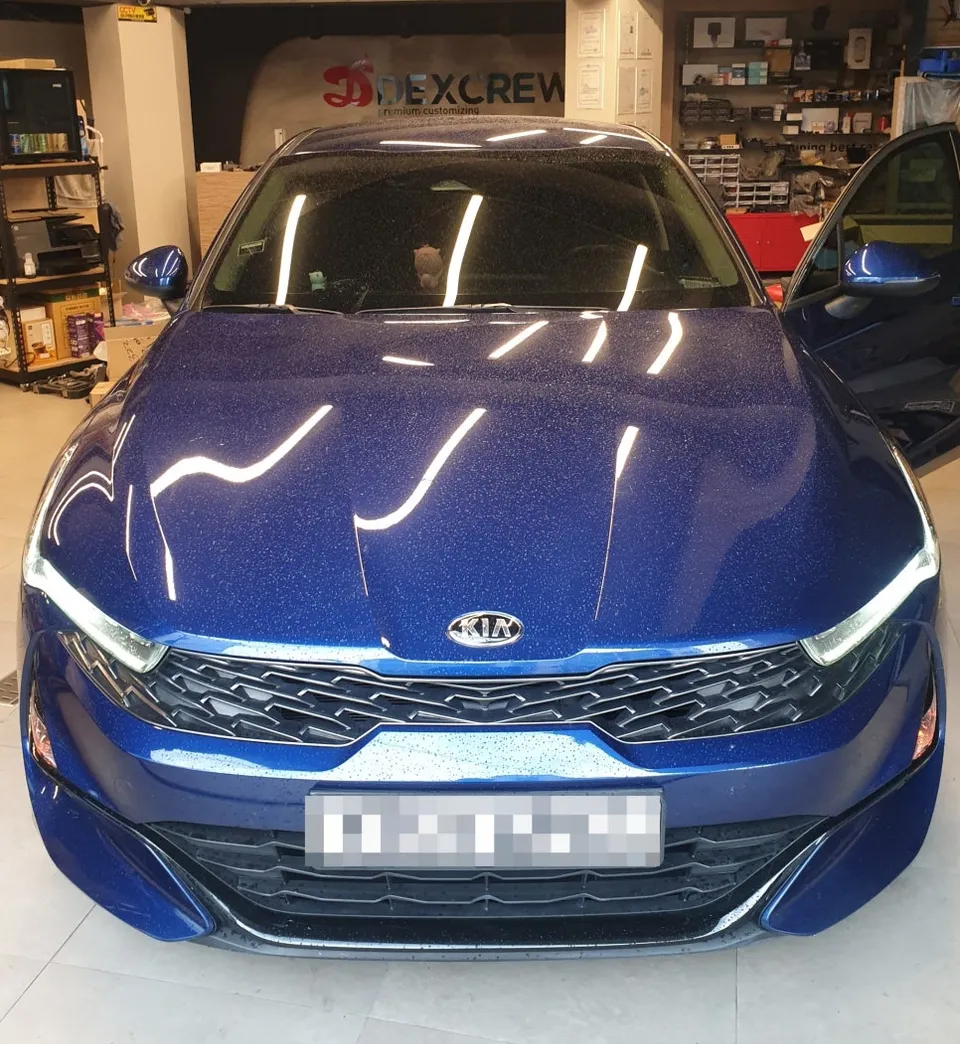
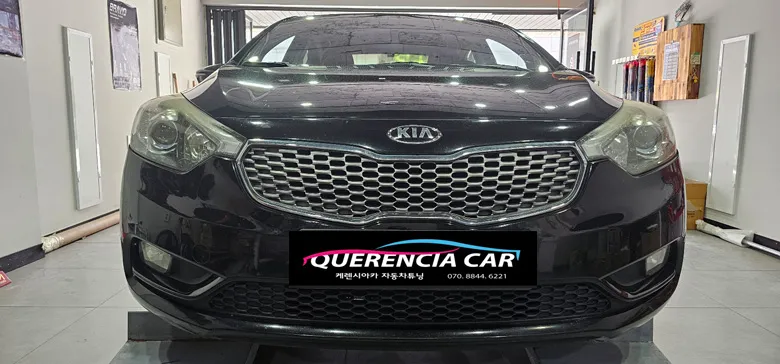
Kia K5 Lighting Upgrade Review — Enhanced Safety & Visibility
Service Price
$under $40
Estimated price · Actual price may vary by shop
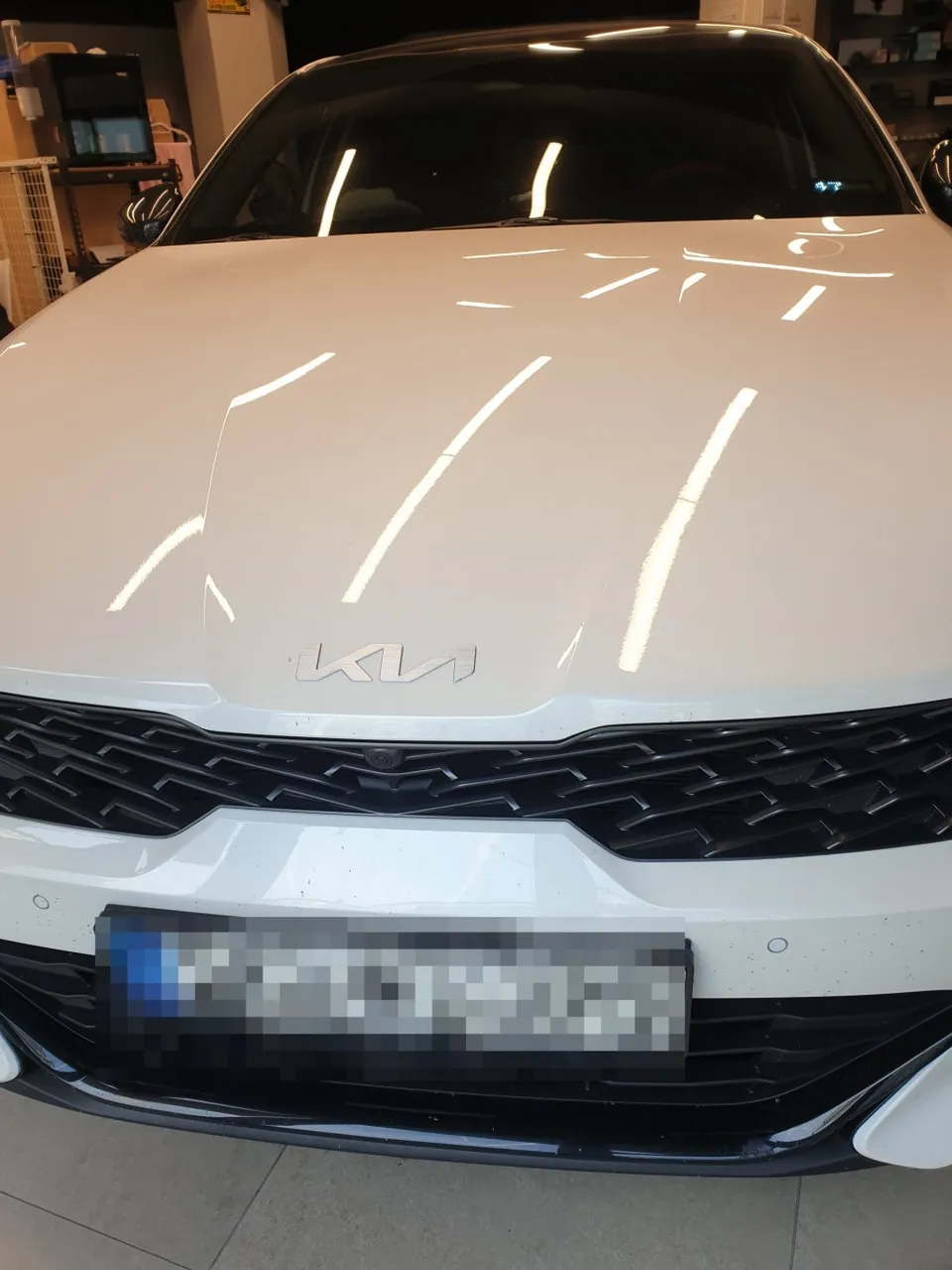
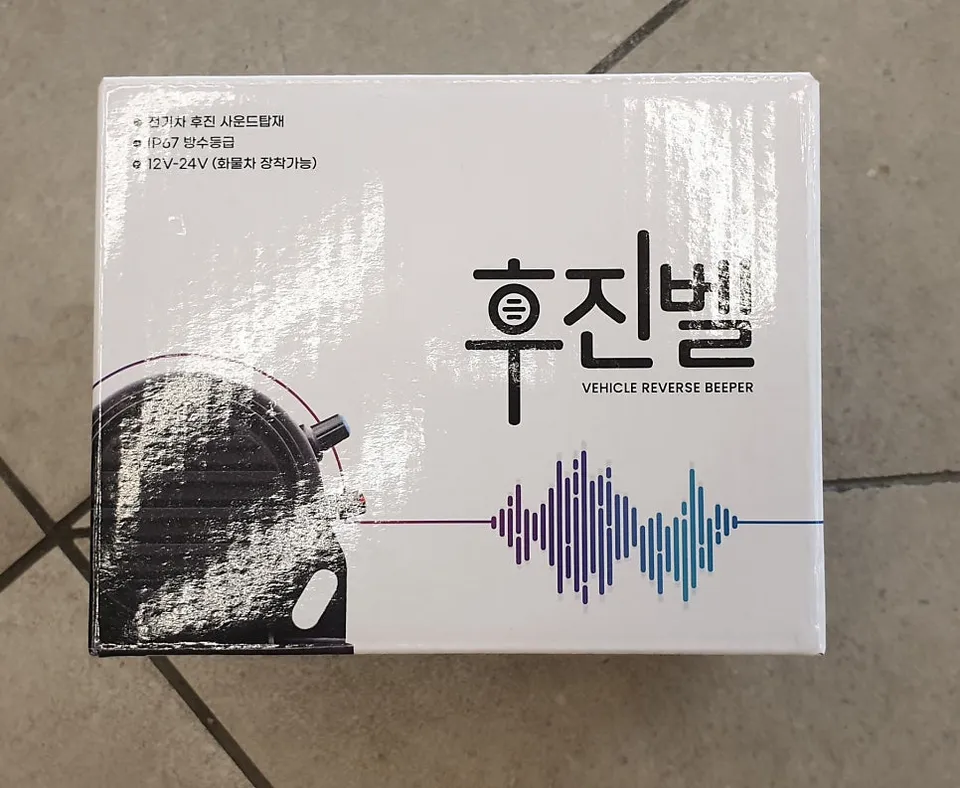
Kia K5 lighting upgrade: LED reverse lights & sensor installed. Improved safety & visibility. Approx. $110-$260 total.
Enhancing Kia K5 Safety with Lighting Upgrades
For Kia K5 owners looking to significantly boost reversing safety, two key upgrades are essential: the installation of a reverse sensor (often called a 'reverse buzzer' or 'reverse alarm') and replacing the stock reverse lights with certified LED units. These modifications are crucial for reducing accident risks, especially when maneuvering in low light conditions or confined spaces. This guide details the process of installing a reverse sensor and upgrading to high-performance LED reverse lights on a Kia K5, focusing on safety, visibility, and long-term value.
Reverse Sensor Installation for Added Security
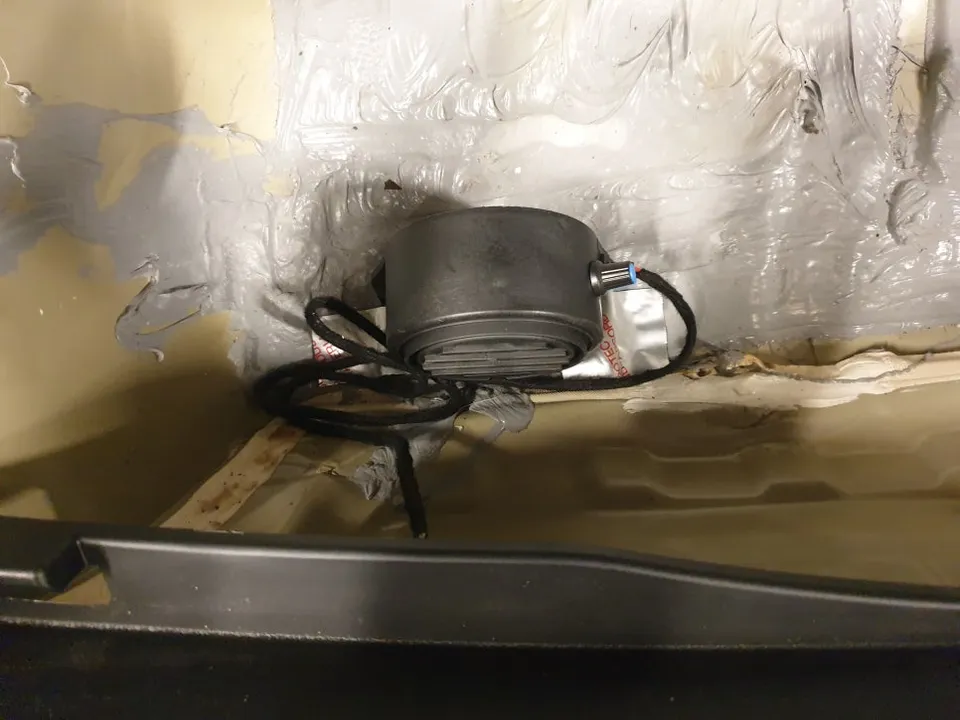
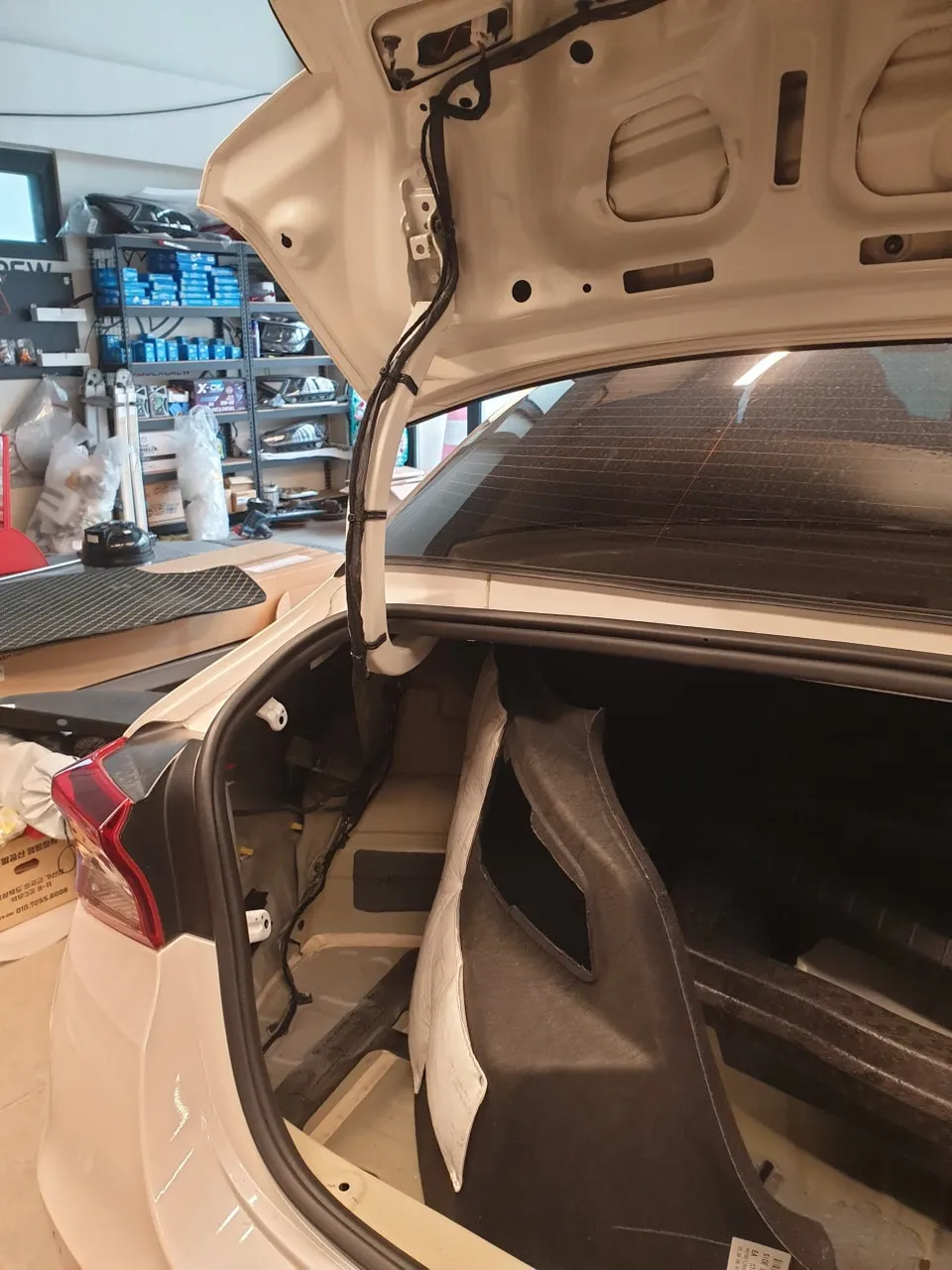
A reverse sensor acts as an audible warning system, alerting the driver to obstacles behind the vehicle. In this installation, a waterproof reverse sensor, supplied by the owner, was carefully fitted to the lower section of the Kia K5's trunk. While external mounting is an option, internal installation was chosen for optimal sound control and a cleaner wiring finish. The sensor was precisely wired to the reverse light power source and routed discreetly along the vehicle's original wiring harness for a tidy appearance. This proactive measure substantially minimizes the risk of collisions during reversing.
Maximizing Nighttime Visibility with Certified LED Reverse Lights
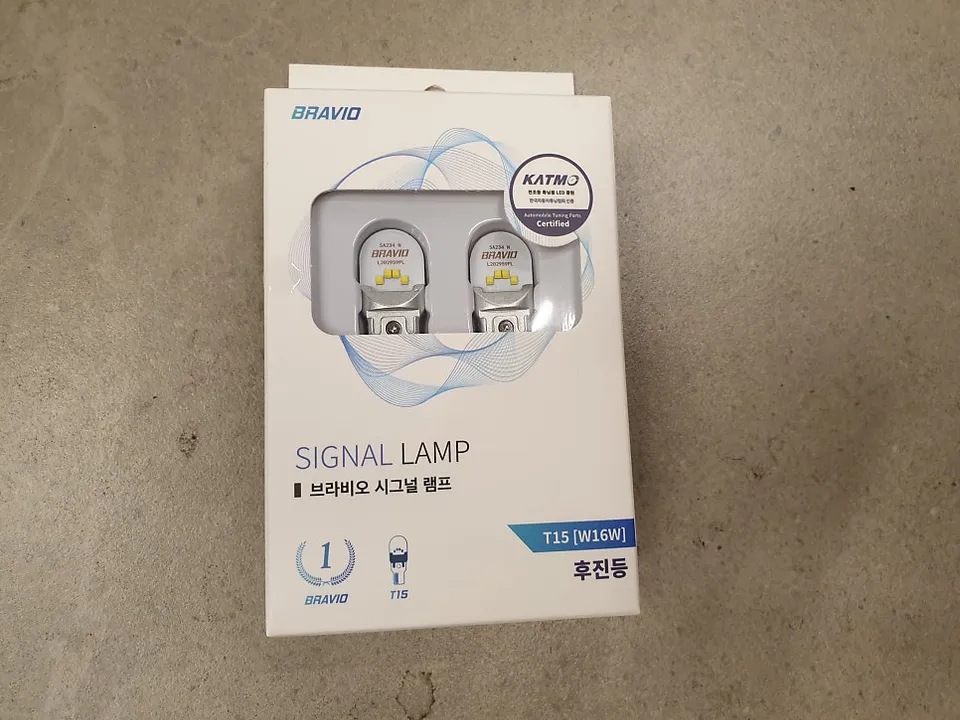
The reverse light bulbs were replaced with certified Brravio LED units. Certified LED lamps emit a significantly brighter and clearer light compared to standard bulbs, greatly improving rearward visibility during nighttime driving or in adverse weather. This enhanced illumination is vital for clearly signaling your vehicle's movements to other drivers and pedestrians. Certified products guarantee stable performance and durability while ensuring compliance with all relevant regulations for safe operation. Following the installation, a certification sticker was applied, and the necessary component registration was completed to meet all legal requirements.
Before & After: A Leap in Safety and Convenience
Previously, the standard reverse lights offered limited illumination in dark environments, making it challenging to gauge distances accurately. The upgrade to Brravio certified LED reverse lights provides a much brighter and wider light spread, allowing for clear perception of the surroundings when reversing. Combined with the audible alerts from the reverse sensor, which warns of unexpected obstacles, these upgrades elevate the Kia K5's reversing safety to a new level.
Durability and Maintenance of Your Lighting Upgrade
Both reverse sensors and LED reverse lights are designed for long-term use with minimal maintenance. However, for the reverse sensor, prolonged exposure to excessive moisture or dust could potentially affect internal components; hence, internal trunk installation can contribute to better long-term durability. While LED reverse lights boast a longer lifespan than conventional bulbs, they can be sensitive to extreme heat or physical impact. Periodic checks of the wiring and monitoring the brightness of the LED lamps are recommended to ensure continued optimal performance.
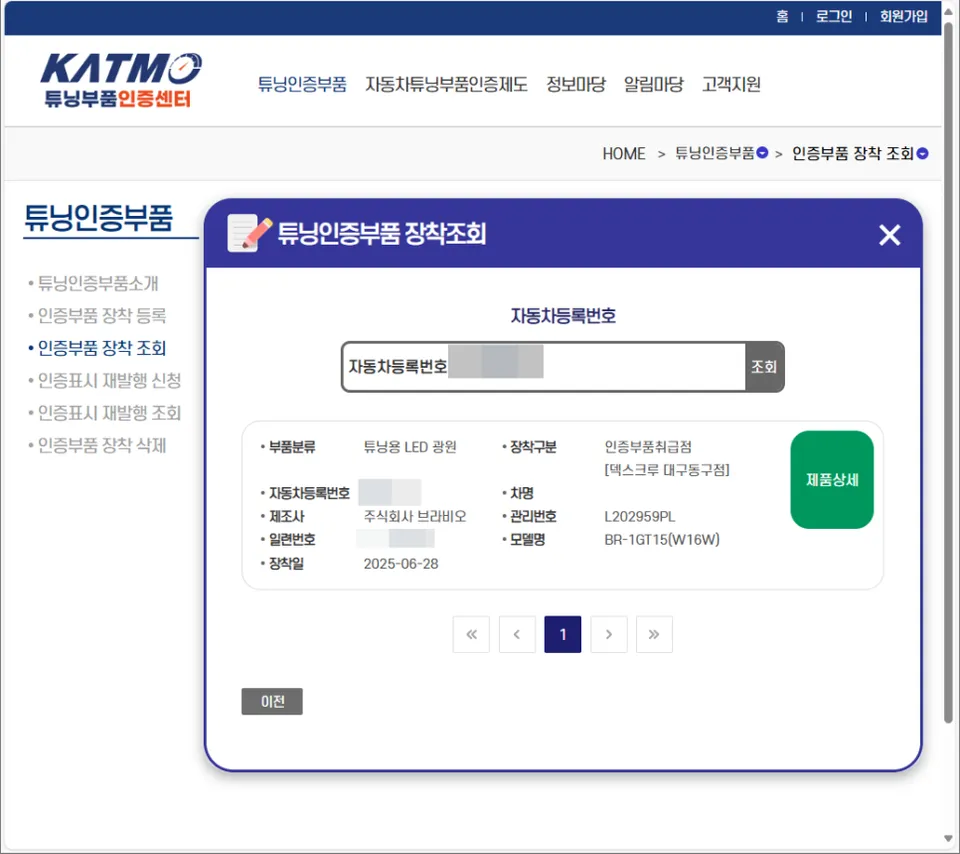
Installation Process:
- Sensor Placement: Determine the optimal location for the reverse sensor, typically on the lower rear bumper or trunk area, ensuring unobstructed sound output.
- Wiring Connection: Connect the sensor's wiring harness to the vehicle's reverse light circuit and a suitable power source, ensuring secure and insulated connections.
- Cable Management: Route and secure all wiring neatly along existing harnesses, using zip ties or clips to prevent damage and maintain a clean look.
- LED Bulb Replacement: Carefully remove the old reverse light bulbs and install the new certified LED bulbs, ensuring they are properly seated.
- Testing and Finalization: Test both the reverse sensor's audible alerts and the brightness/functionality of the new LED reverse lights. Apply any necessary certification stickers.
The original work was performed in South Korea. The estimated cost for the Brravio certified LED reverse lights was between ₩100,000 - ₩200,000 (approximately $75 - $150 USD), and the reverse sensor installation ranged from ₩50,000 - ₩150,000 (approximately $35 - $110 USD), not including installation fees. These prices are approximate and can vary based on the specific product chosen and the installation service provider.

Frequently Asked Questions
Q. How much does an LED lighting upgrade cost for a Kia K5?
In Korea, certified LED reverse lights for a Kia K5 typically cost between ₩100,000 - ₩200,000 (approx. $75-$150 USD), with reverse sensors ranging from ₩50,000 - ₩150,000 (approx. $35-$110 USD) plus installation fees. US pricing can vary significantly based on brand and installer.
Q. How long do aftermarket LED headlights last on a Kia K5?
Certified LED reverse lights generally offer a longer lifespan than standard bulbs, often lasting for many years with proper installation. Minimal maintenance is required, though periodic checks of wiring and brightness are advisable.
Q. Is an LED lighting upgrade worth it for a Kia K5?
An LED lighting upgrade, especially combined with a reverse sensor, is highly recommended for Kia K5 owners prioritizing enhanced safety and visibility during reversing. The improved illumination and audible warnings significantly reduce the risk of accidents.
Q. How is an LED lighting upgrade installed on a Kia K5?
Installation involves carefully replacing the stock reverse light bulbs with new LED units. A reverse sensor is typically mounted externally or internally, with its wiring connected to the vehicle's reverse light circuit and power source, followed by thorough testing.
Q. What is the difference between HID and LED headlights for a Kia K5?
LED headlights offer instant illumination and superior brightness compared to HID systems, which require a warm-up period. LEDs are also generally more energy-efficient and have a longer lifespan, making them a preferred choice for modern upgrades.
OhCar Partner Shop