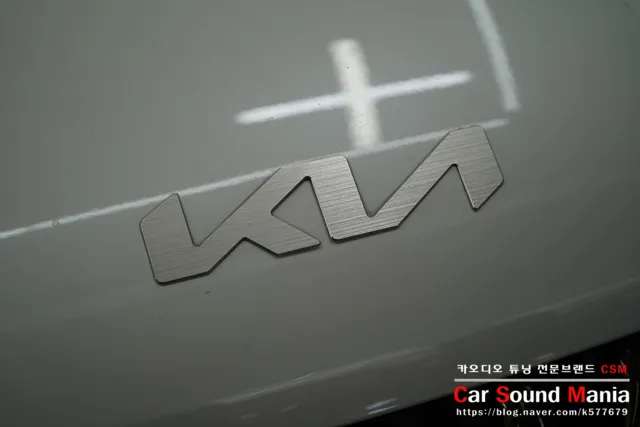
Kia K7 Blind-Spot Collision-Avoidance Assist Installation Review
Before
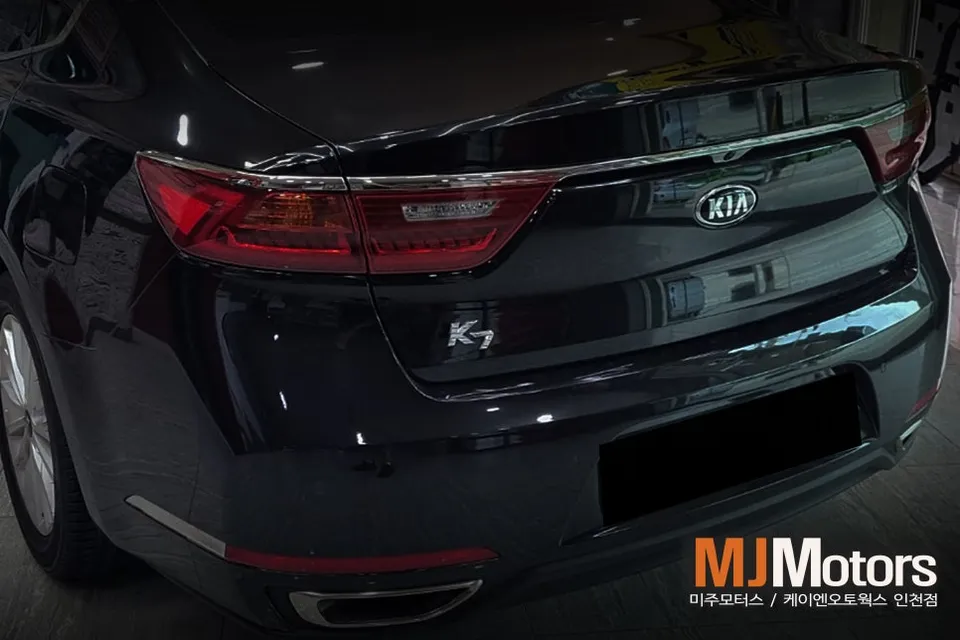
After

Process photos
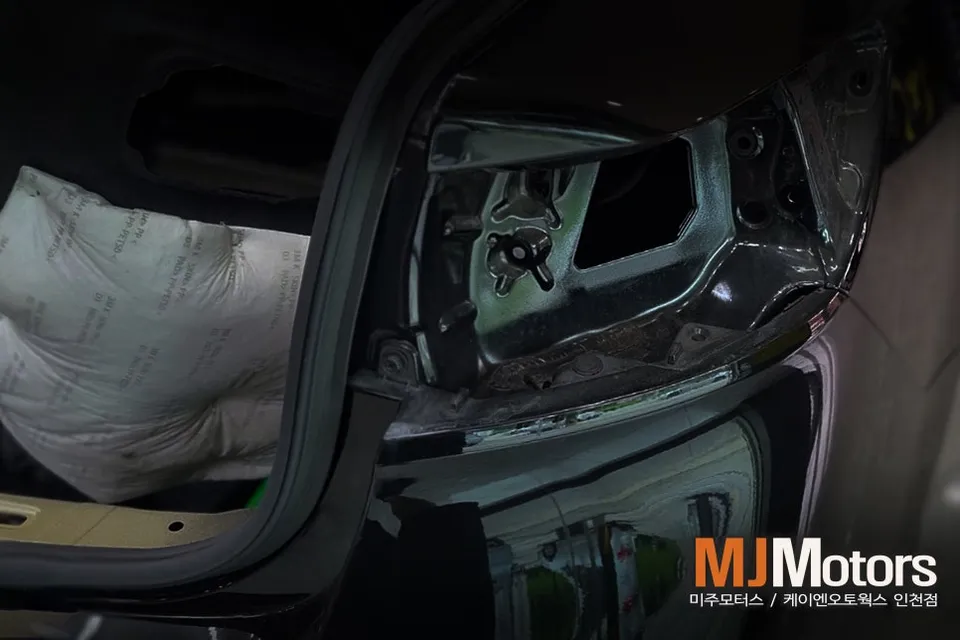
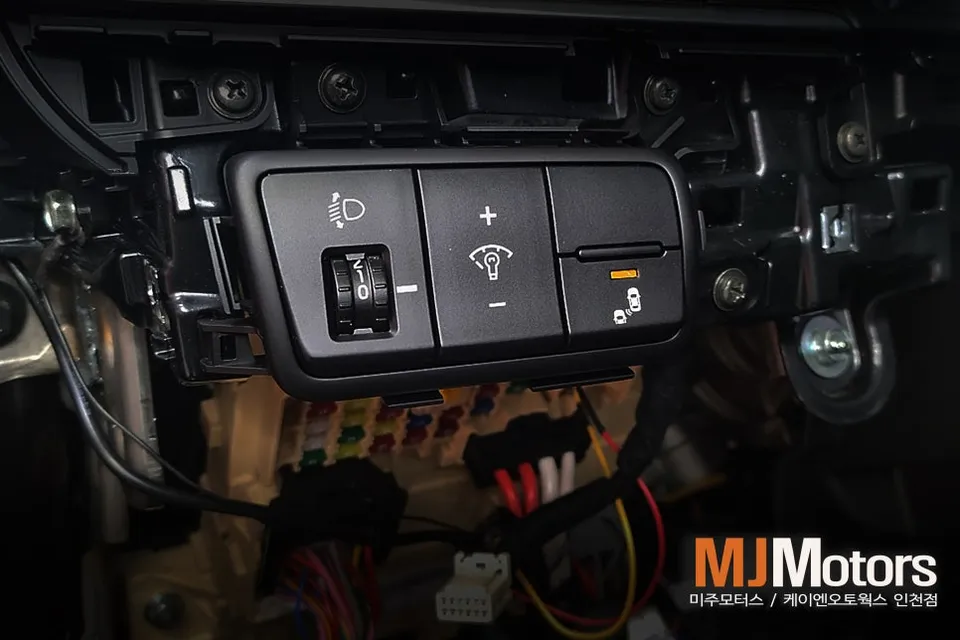
Kia K7 Blind-Spot Collision-Avoidance Assist installation. Enhances safety with rear cross-traffic alert. Professional installation.
Enhancing Kia K7 Safety with Blind-Spot Collision-Avoidance Assist
At K-Auto Works, we understand the importance of advanced safety features for your vehicle. This review details the installation of the Blind-Spot Collision-Avoidance Assist system, often referred to as a blind-spot sensor or rear cross-traffic alert, on a Kia K7. This OEM option significantly enhances driving safety by alerting the driver to vehicles in their blind spots and approaching from the rear when reversing.
Professional Installation and Benefits
The installation process for the Kia K7's Blind-Spot Collision-Avoidance Assist system is a precise procedure performed by our expert technicians. This system utilizes sensors integrated into the rear bumper to detect vehicles that may be hidden from the driver's direct view. When a vehicle is detected in the blind spot or approaching from the rear while the K7 is in reverse, the system provides visual and auditory warnings, helping to prevent potential collisions. This upgrade is particularly beneficial in busy urban environments and during lane changes, providing peace of mind and a safer driving experience.
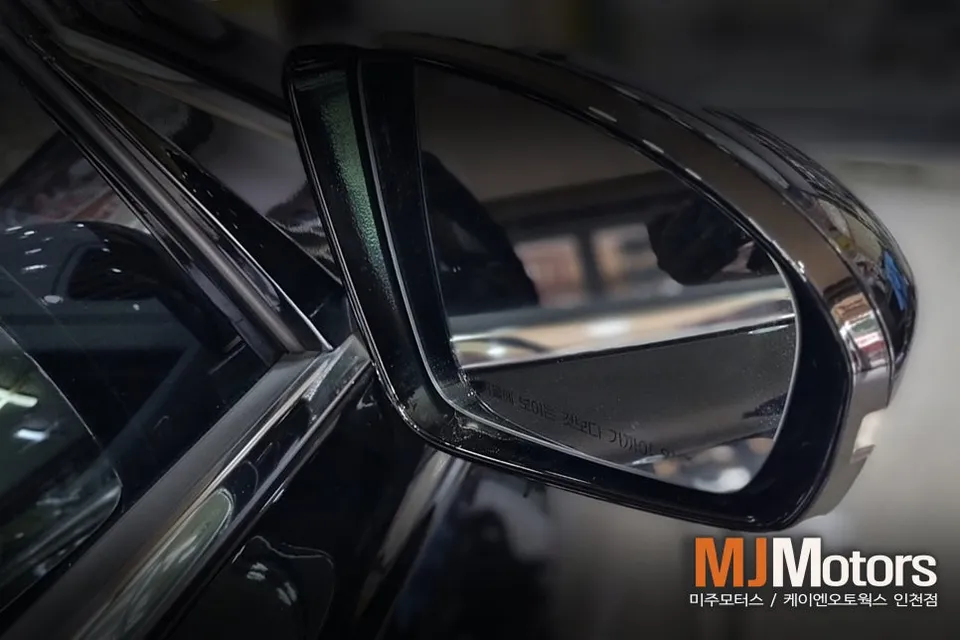
Installation Process:
- Careful removal of the rear bumper to access the installation points for the sensors.
- Precise mounting of the OEM blind-spot sensors into designated locations on the bumper.
- Wiring the sensors and control module, integrating them seamlessly with the K7's existing electrical system.
- Calibration of the system to ensure accurate detection and warning signals.
- Reassembly of the rear bumper and final system testing.
The result is a factory-integrated safety feature that functions identically to a K7 equipped with this option from the assembly line. The visual indicators are typically located in the side mirrors, and audible alerts are integrated into the vehicle's warning systems. This upgrade not only adds a critical safety layer but also maintains the aesthetic integrity of the vehicle.
Frequently Asked Questions
Q. How much does OEM option and factory upgrade installation cost for a Kia K7?
The installation of the Blind-Spot Collision-Avoidance Assist for the Kia K7 detailed in this review was performed by K-Auto Works. While specific pricing can vary, similar OEM safety system installations in the US typically range from $500 to $1500 depending on the complexity of the system and vehicle model.
Q. How long does OEM options installation take on a Kia K7?
The installation of OEM options like the Blind-Spot Collision-Avoidance Assist typically takes several hours to complete, ensuring all components are correctly fitted and calibrated. Regular maintenance of your vehicle's sensors, such as keeping them clean from dirt and debris, will help ensure their continued optimal performance.
Q. Are OEM options worth adding after purchase for a Kia K7?
Adding OEM options like the Blind-Spot Collision-Avoidance Assist is highly recommended for drivers who frequently navigate busy roads or wish to enhance their vehicle's safety features. The value proposition lies in gaining advanced safety technology that integrates seamlessly with the vehicle's existing systems, potentially preventing accidents and increasing resale value.
Q. How are OEM factory options installed on a Kia K7?
OEM factory options are installed by carefully integrating new components, such as sensors and control modules, into the vehicle's existing electrical and structural framework. The process typically involves disassembling relevant parts of the car (like bumpers or interior panels), securely mounting the new hardware, connecting wiring harnesses, and calibrating the system through diagnostic tools to ensure it functions as intended.
Q. What is the difference between dealer-installed options and aftermarket upgrades for a Kia K7?
Dealer-installed options, often referred to as OEM (Original Equipment Manufacturer) options, are designed and manufactured by the car's maker to perfectly integrate with the vehicle's systems, ensuring optimal performance and warranty compatibility. Aftermarket upgrades are produced by third-party companies and, while they can offer similar functionality, may not always integrate as seamlessly or carry the same level of manufacturer backing.
OhCar Partner Shop