Kia K7 Ventilated Seats Review — Cost & Installation

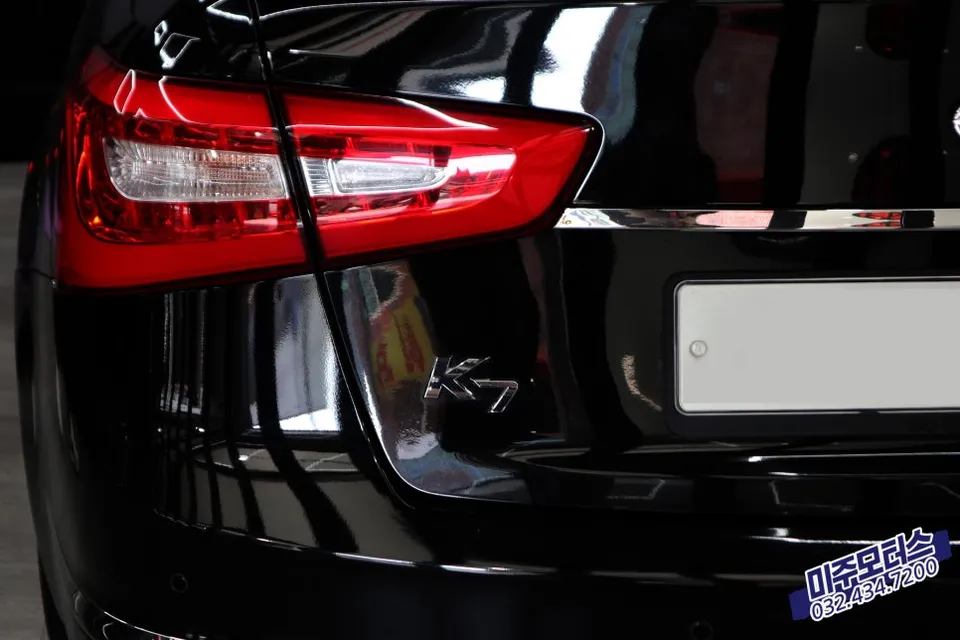
Kia K7 seat climate upgrade with OEM ventilated & heated seats: approx. ₩700k-1M. Enhances comfort significantly.
Kia K7 Seat Climate Upgrade: OEM Parts for Enhanced Comfort
This review details the installation of genuine Kia Mobis ventilated and heated seats for the first row of a Kia K7. The goal was to enhance interior comfort by adding a seat climate upgrade using OEM parts, transforming the driving experience, especially during warmer or colder months. The process involved meticulous work to ensure a factory-like finish and functionality.
Installation Process and Before/After Results
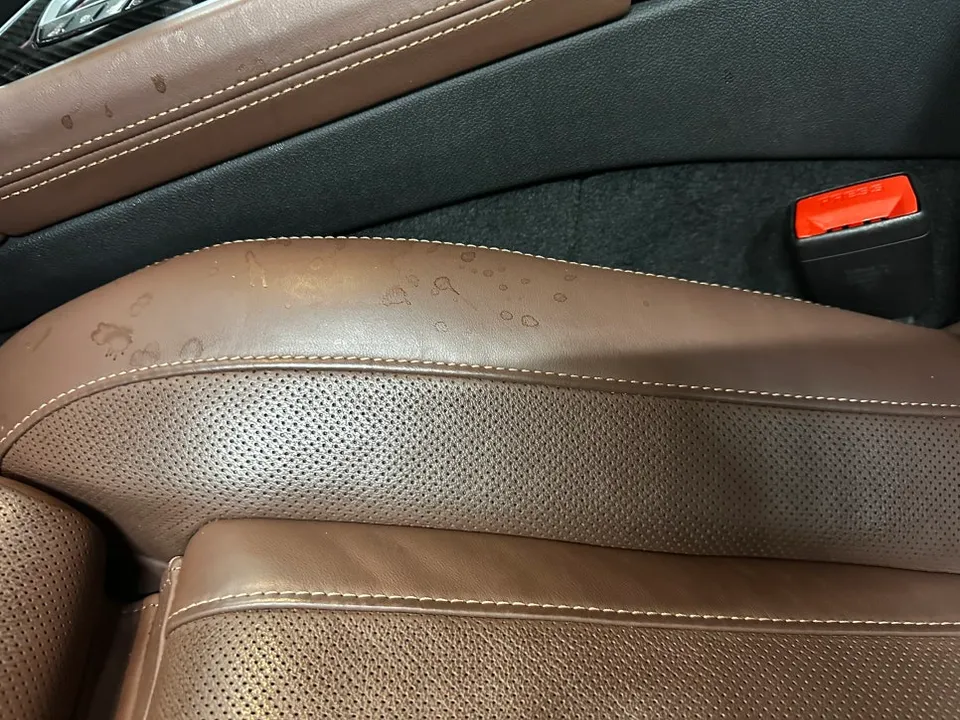
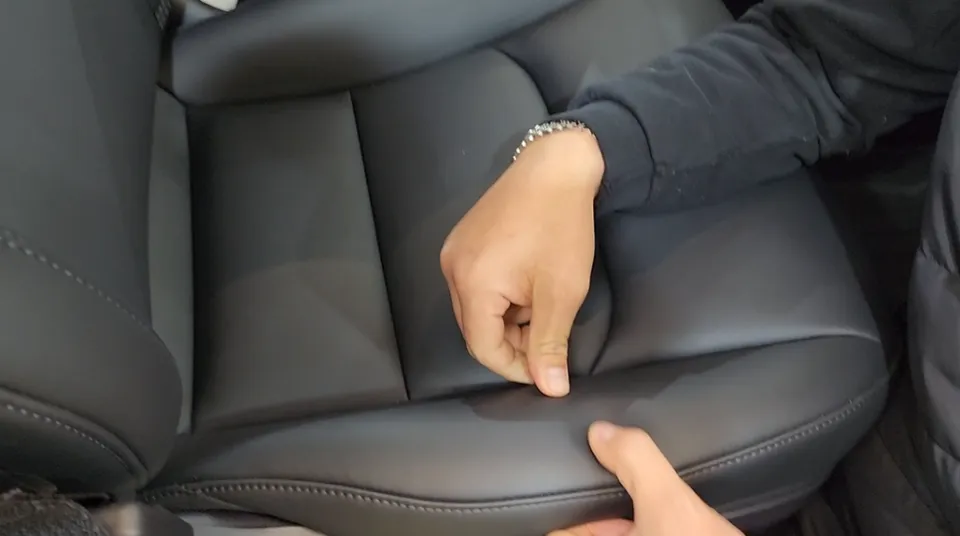
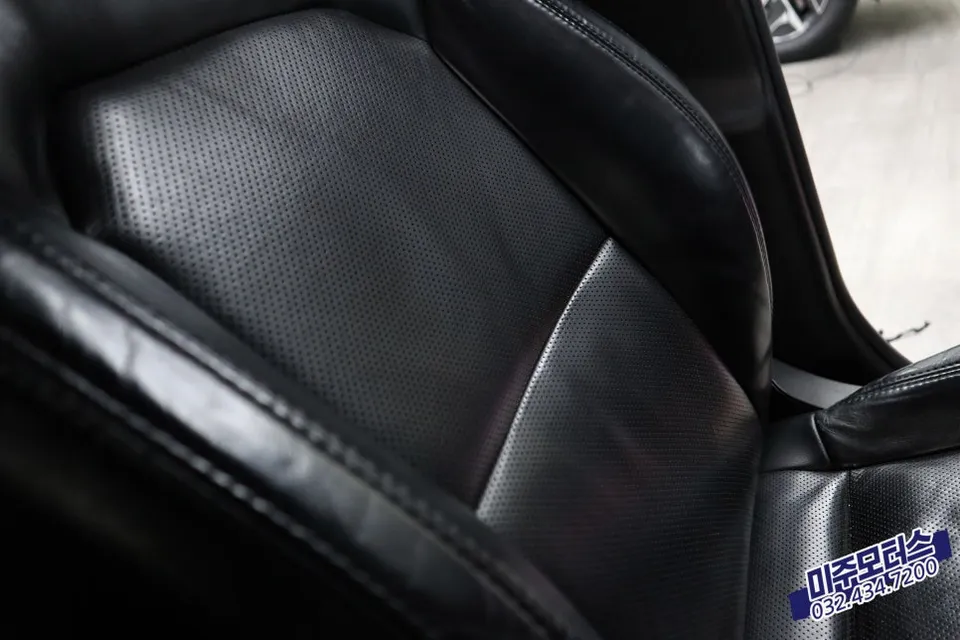
The installation of ventilated and heated seats in the Kia K7 is a complex procedure that requires specialized knowledge and tools. The process typically involves disassembling the existing seats to integrate the new ventilation and heating modules. This includes fitting the fans for air circulation, heating elements, and the necessary wiring harnesses to connect to the vehicle's electrical system and control switches. The before and after results are significant: the seats move from providing standard comfort to offering active climate control, with noticeable airflow for cooling and rapid warmth for heating. The integration aims to make the new features feel as if they were factory-installed, with controls seamlessly incorporated into the dashboard or seat panels.
Installation process:
- Seat disassembly to access the internal structure.
- Integration of ventilation fans and heating elements within the seat cushions and backrests.
- Installation of the wiring harness, connecting to the vehicle's power and control modules.
- Testing of all functions (ventilation levels, heating temperatures) to ensure proper operation.
- Reassembly of the seats to their original state, ensuring all panels and upholstery are correctly fitted.
Durability, Maintenance, and Is It Worth It?
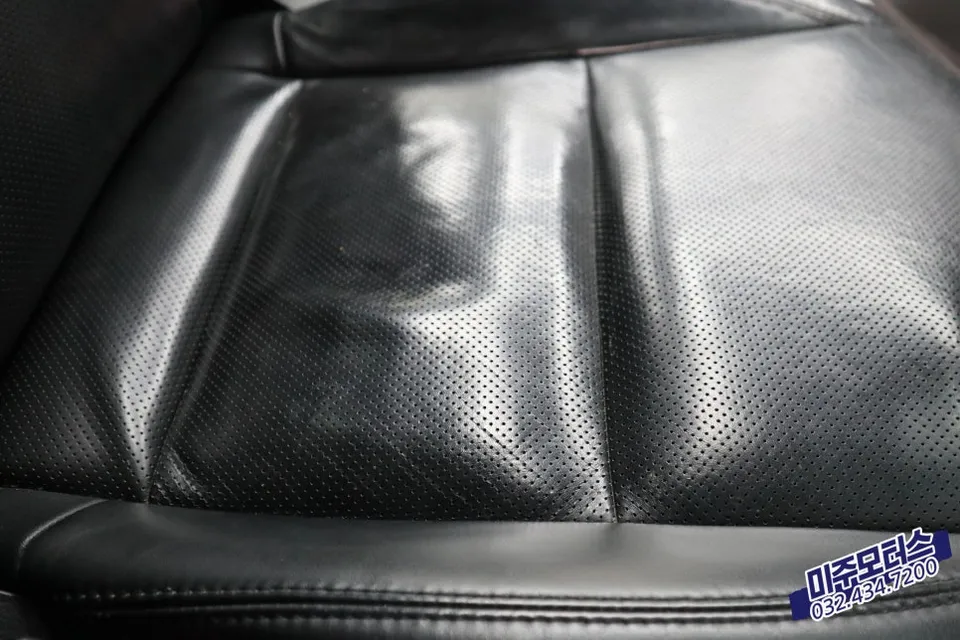
Using genuine Kia Mobis parts for this seat climate upgrade generally ensures high durability and longevity, comparable to factory-installed options. Maintenance is minimal, typically involving keeping the seat surfaces clean and ensuring no obstructions block the ventilation outlets. The primary consideration for owners is the Seat Ventilation & Heating cost. While the exact price can vary, such retrofits in Korea using OEM parts can range from approximately ₩700,000 to ₩1,000,000 (roughly $500-$750 USD, subject to exchange rates and specific parts). This investment provides a substantial improvement in driving comfort, making it a worthwhile upgrade for those who frequently experience extreme temperatures or simply desire a more luxurious and comfortable cabin environment. The decision often hinges on the perceived value of enhanced comfort versus the installation cost.
Frequently Asked Questions
Q. How much does ventilated seat installation cost for a Kia K7?
In Korea, this Seat Ventilation & Heating installation using genuine parts cost approximately ₩700,000 to ₩1,000,000. In the US, similar aftermarket retrofits can range from $500 to $1,500 depending on the provider and parts used.
Q. How long does seat ventilation installation take on a Kia K7?
The durability of these retrofitted ventilated and heated seats is generally excellent when using OEM parts. Basic maintenance involves keeping the seat surfaces clean and ensuring ventilation grilles are free from debris.
Q. Are aftermarket ventilated seats worth it for a Kia K7?
Ventilated seats are most beneficial for drivers in hot climates or those who spend extensive time in their vehicle. The added comfort and luxury provided by a seat climate upgrade often justify the installation cost for many owners.
Q. How are ventilated seats installed in a Kia K7?
Installation involves disassembling the seats to integrate fans and heating elements, followed by wiring them to the vehicle's power and control systems. The process concludes with reassembling the seats and testing all functions.
Q. What is the difference between OEM and aftermarket ventilated seats for a Kia K7?
OEM parts, like the Kia Mobis components used here, offer guaranteed compatibility and factory-level performance and durability. Aftermarket options can vary widely in quality and may not integrate as seamlessly with the vehicle's existing systems.
OhCar Partner Shop