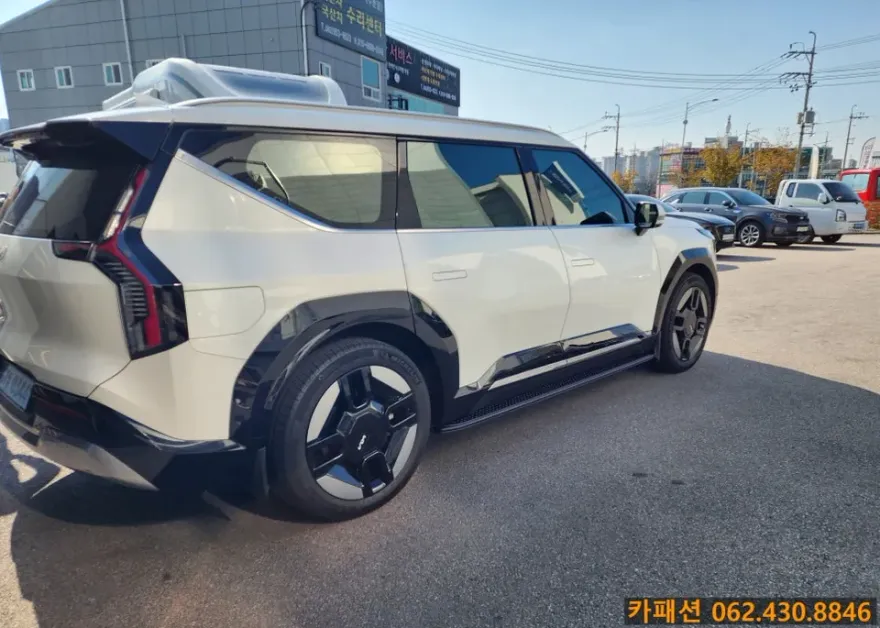
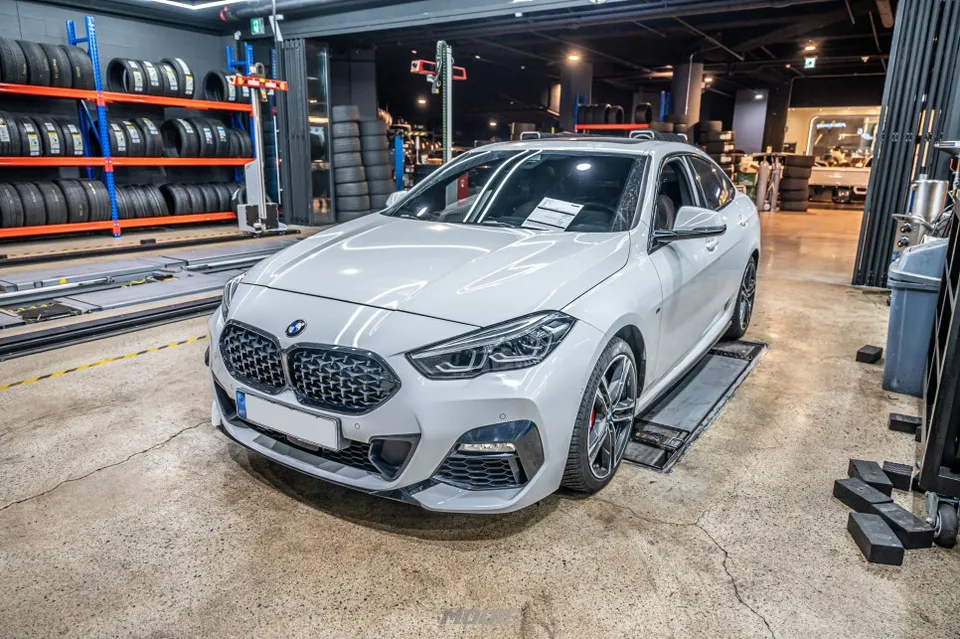
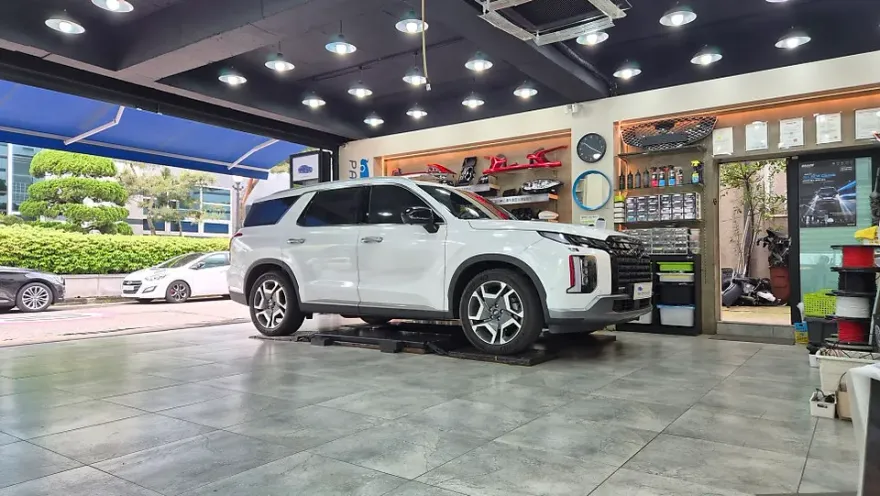
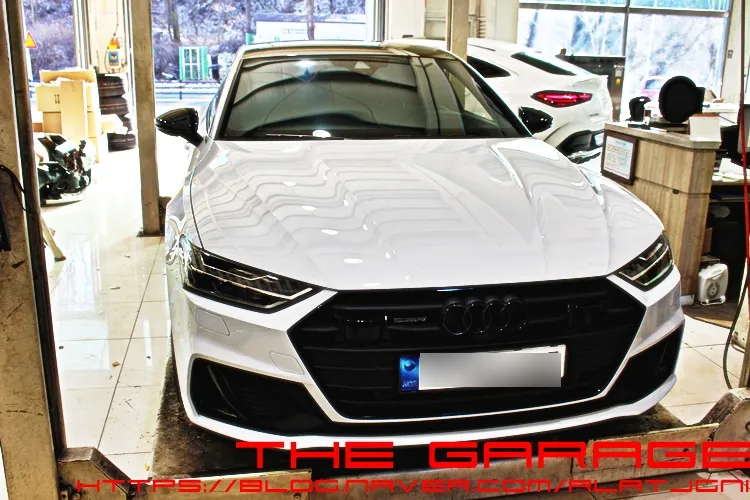
Kia K8 Body Kit Review: Enhanced Aesthetics
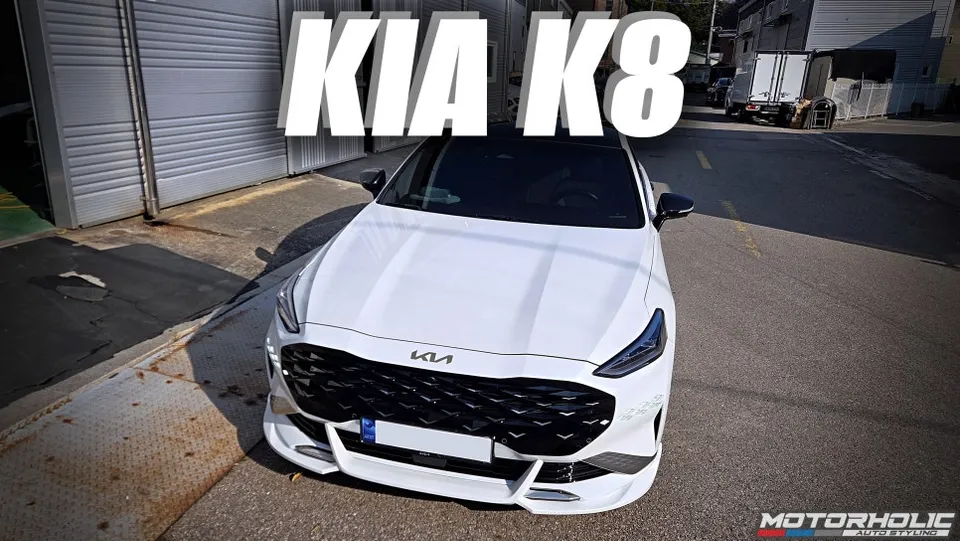
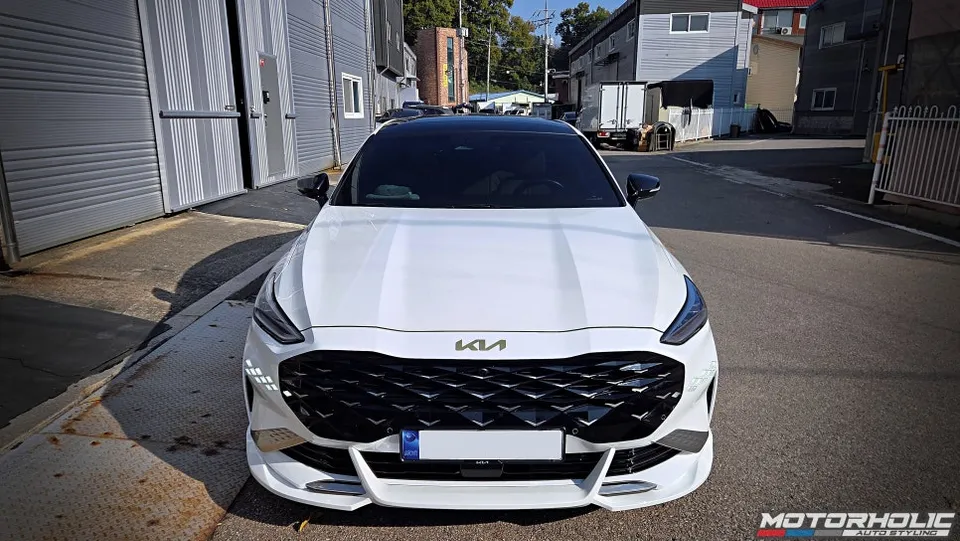
Kia K8 body kit upgrade for enhanced aesthetics and performance. Professional installation recommended for a seamless, custom look.
Transform Your Kia K8 with a Custom Body Kit
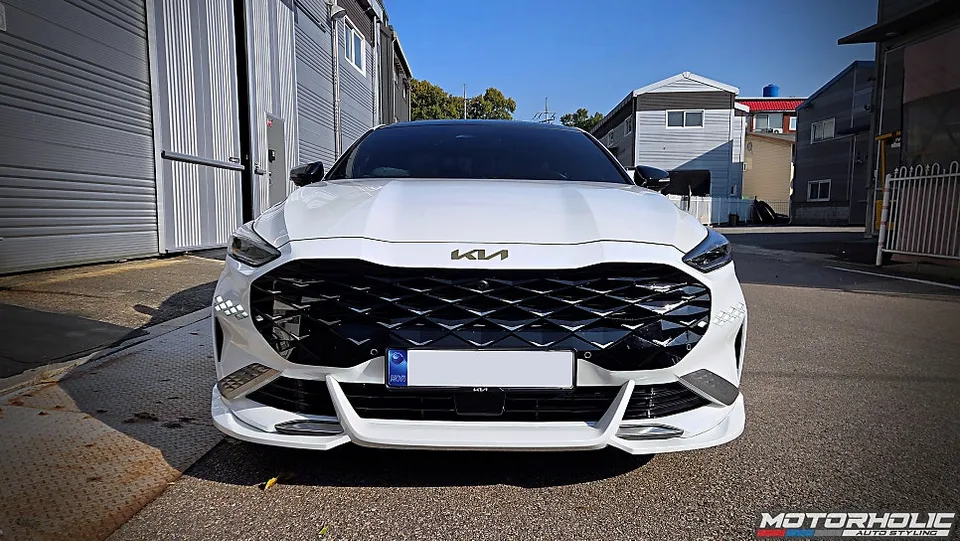
The Kia K8, already a striking sedan, can be further elevated with the addition of a custom body kit. This review explores the impact of body kit modifications, focusing on aesthetic enhancements and potential performance benefits. A well-chosen body kit can dramatically alter the vehicle's profile, giving it a more aggressive, sporty, or luxurious appearance depending on the kit's design. From subtle spoilers to full bumper replacements, the options are vast, allowing K8 owners to personalize their cars to an exceptional degree. This guide will delve into the installation process, the visual transformations, and the overall value proposition of outfitting your K8 with a premium body kit.
Installation Process and Notable Details
Installing a body kit on a Kia K8 typically involves several key steps to ensure a perfect fit and finish. While professional installation is recommended for optimal results, understanding the process can be beneficial for enthusiasts. The quality of the body kit material, often FRP (Fiber-Reinforced Plastic) or polyurethane, plays a significant role in the installation's ease and the final durability. FRP kits are generally lighter and can be more affordable, but may require more prep work for a smooth finish. Polyurethane kits are known for their flexibility and impact resistance, making them more durable and easier to fit, though often at a higher cost.
Installation process:
- Surface Preparation: Thoroughly clean and degrease the original K8 body panels where the new kit components will attach. Minor sanding may be required for optimal adhesion.
- Component Fitting: Carefully align and test-fit each body kit piece (e.g., front bumper, side skirts, rear diffuser, spoiler) to ensure proper fitment before any permanent attachment.
- Attachment: Secure the components using a combination of automotive-grade adhesives, clips, and sometimes screws, depending on the kit's design and the specific mounting points.
- Finishing: After the kit is securely attached, professional bodywork, priming, and painting are essential to match the K8's original paint color and achieve a seamless, factory-like finish.
The visual impact of a body kit is undeniable. Aggressive lines, wider stances, and aerodynamic elements can make the Kia K8 stand out from the crowd. Beyond aesthetics, some body kit components, like front splitters and rear diffusers, can contribute to improved aerodynamics by managing airflow more effectively, potentially enhancing stability at higher speeds. The choice of kit should align with the owner's vision for their vehicle, whether it's a subtle enhancement or a complete overhaul.
Frequently Asked Questions
Q. How much does a body kit cost for a Kia K8?
The price for a Kia K8 body kit can range significantly, with custom kits often starting around ₩1,000,000 and going upwards. In the US, expect prices from $500 to $3000+ depending on the brand and complexity.
Q. How long does body kit installation take on a Kia K8?
Body kit installation on a Kia K8 typically takes 1-3 days for professional fitting and painting. Proper care involves regular washing and avoiding harsh chemicals to maintain the finish.
Q. Is a body kit worth it for a Kia K8?
A body kit is worth it for Kia K8 owners seeking a unique, personalized aesthetic and a more aggressive stance. It significantly enhances visual appeal for enthusiasts who value distinctive styling.
Q. How is a body kit installed on a Kia K8?
Installation involves preparing the vehicle's surface, test-fitting components, and then securely attaching them using automotive adhesives and sometimes fasteners. Finally, the kit is professionally primed and painted to match the car's original color.
Q. What is the difference between FRP and polyurethane body kits for a Kia K8?
FRP (Fiber-Reinforced Plastic) kits are typically lighter and more affordable but may require more prep work for a smooth finish. Polyurethane kits offer superior flexibility and impact resistance, leading to easier installation and greater durability, though they are usually more expensive.