Kia K8 HDA2 Upgrade Review — Enhanced Driving Assist
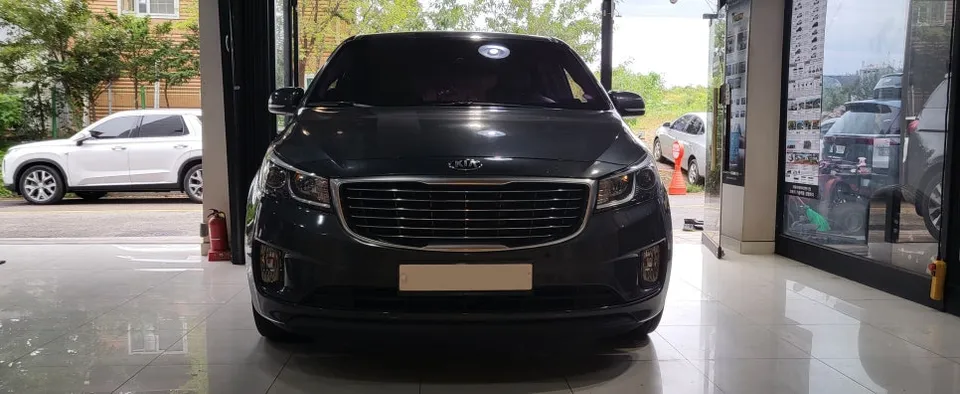
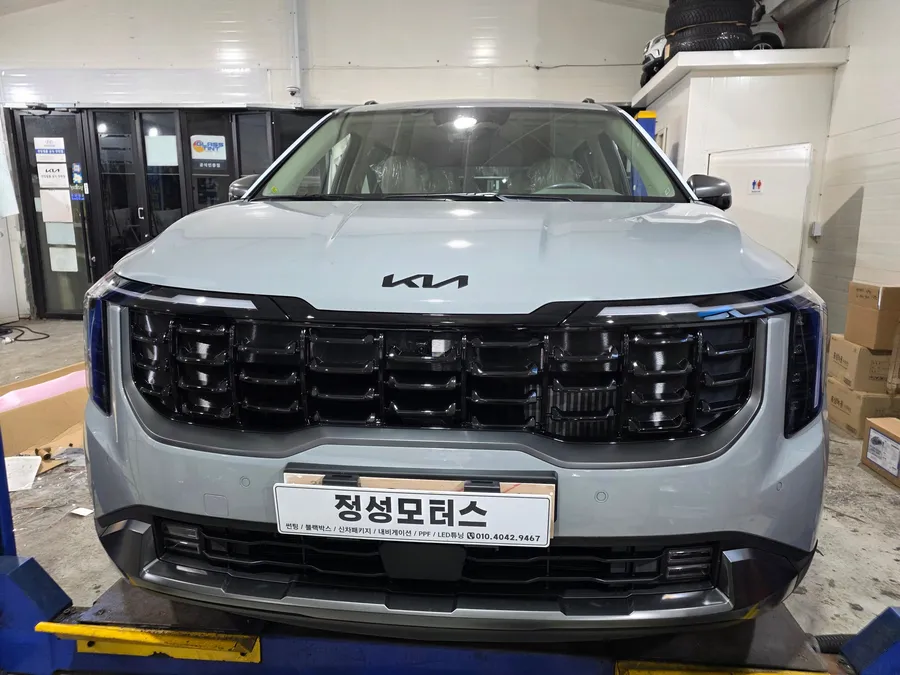
Before
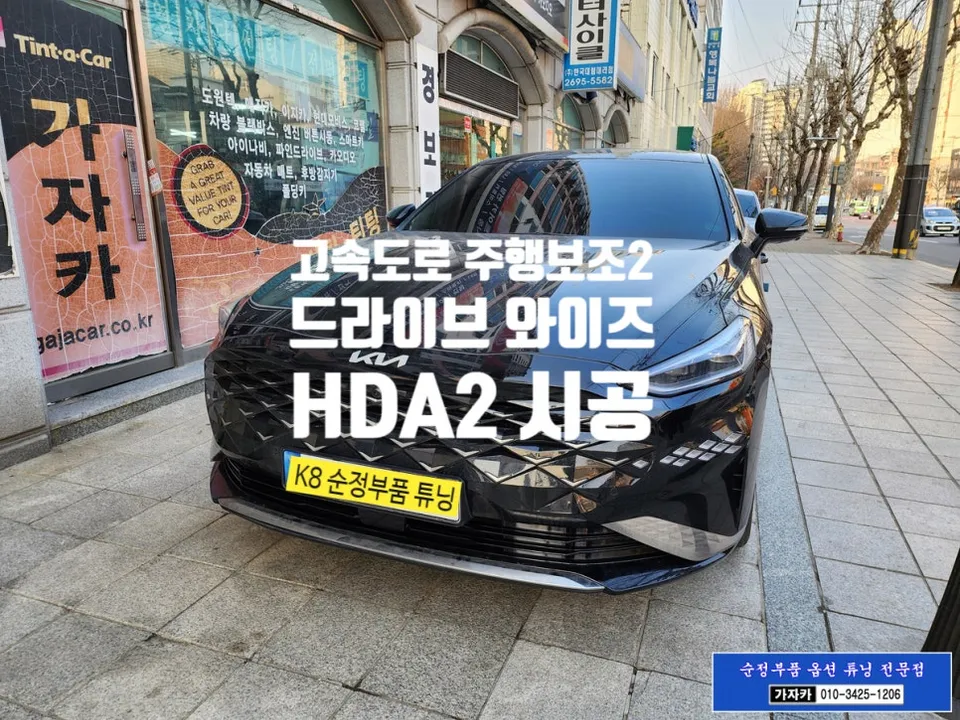
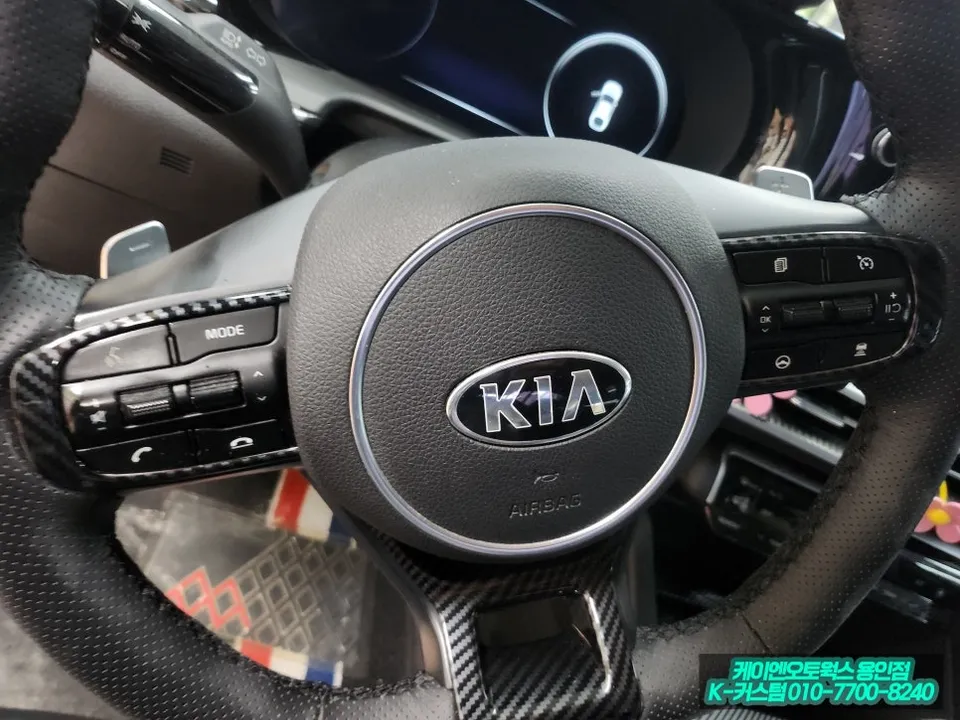
After
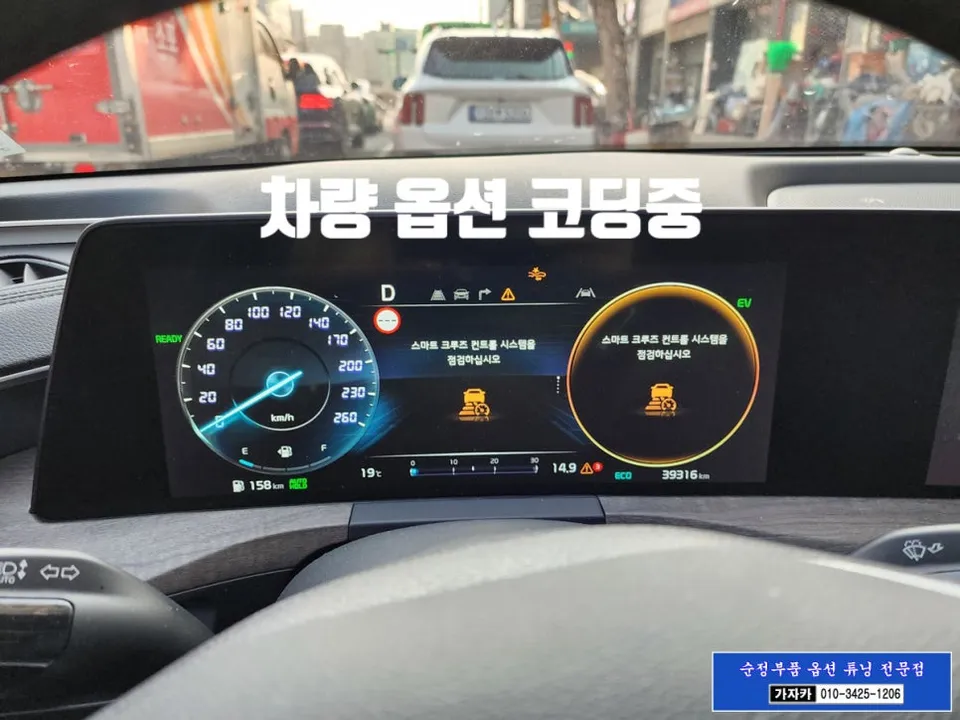
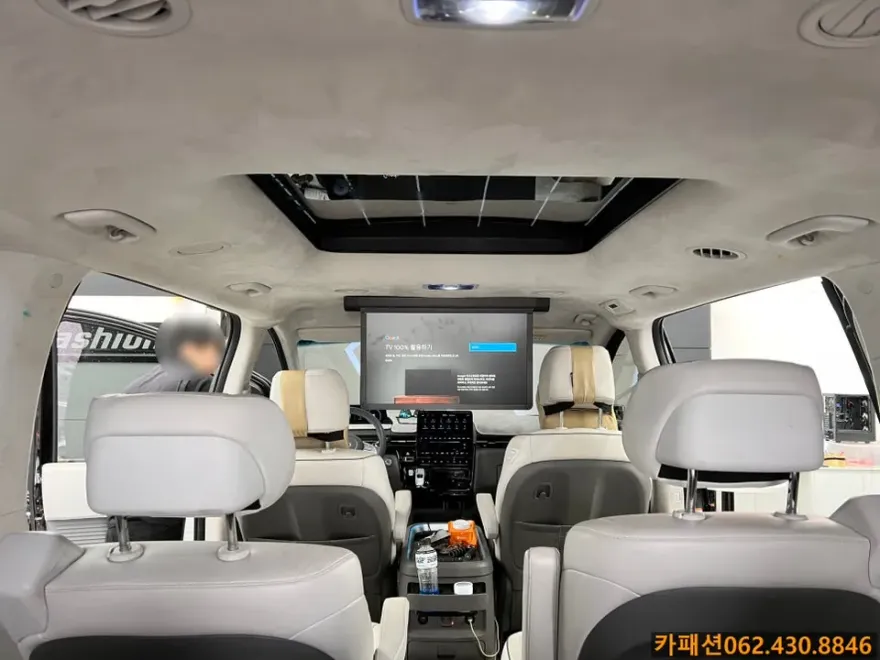
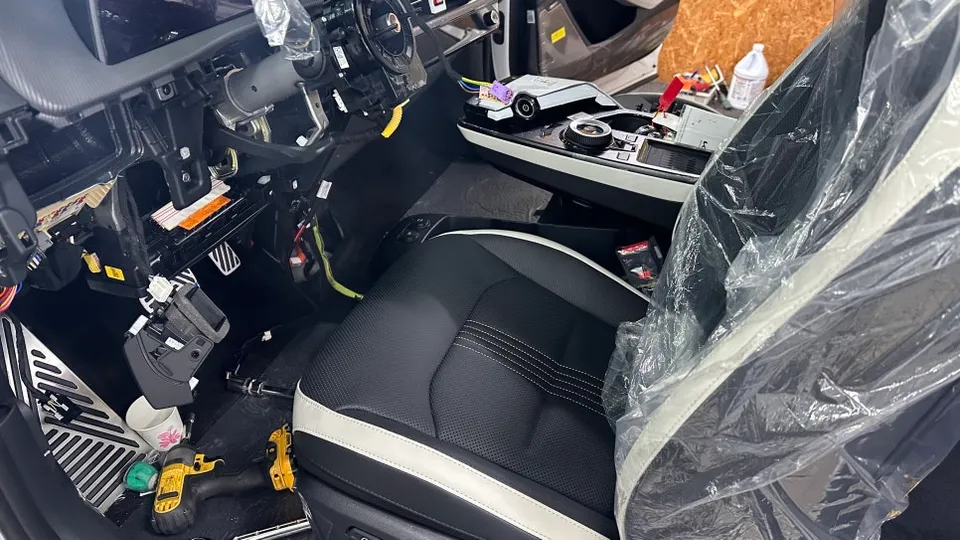
Process photos
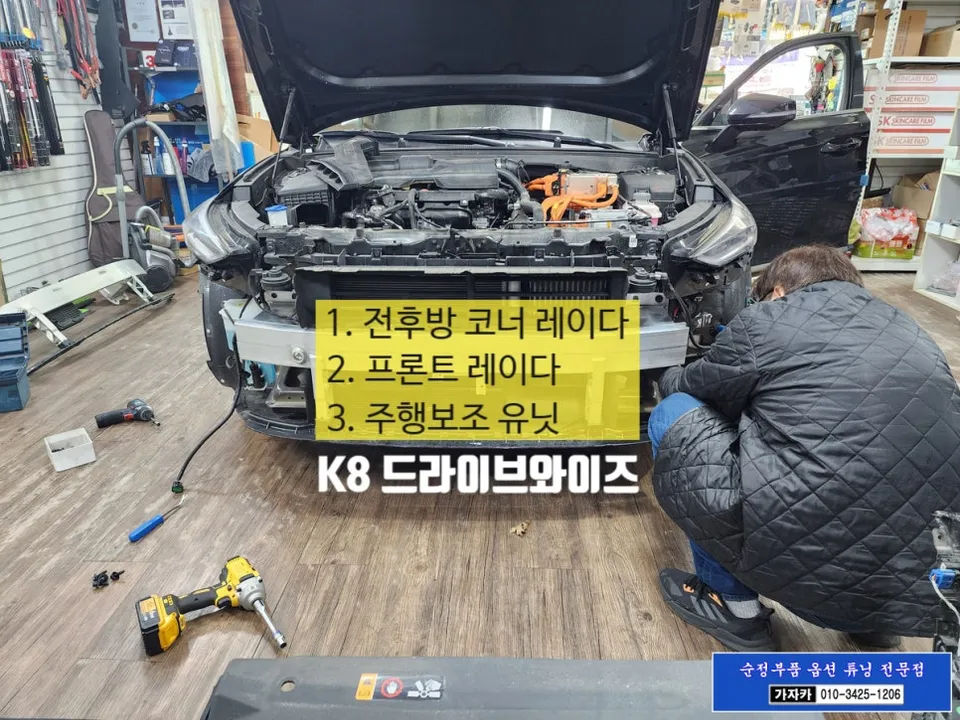
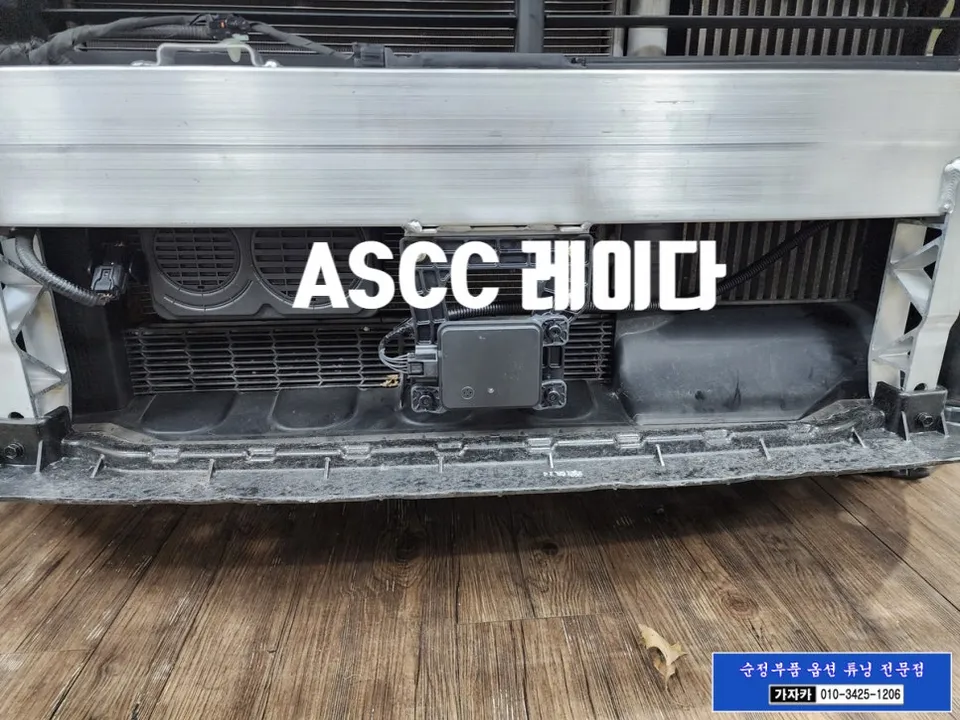
Kia K8 HDA2 upgrade: Enhances highway driving with auto lane changes. Cost varies by model. Improves safety and comfort.
What is Highway Driving Assist 2 (HDA2)?
Highway Driving Assist 2 (HDA2) represents a significant leap forward in automotive driver assistance technology, building upon the capabilities of its predecessor, HDA. The most notable enhancement in HDA2 is its ability to automatically assist with lane changes when the turn signal is activated on highways. This feature is particularly beneficial for reducing driver fatigue during long journeys or in complex traffic scenarios. The Kia K8 is fully capable of integrating this advanced HDA2 functionality through the installation of genuine OEM parts.
This particular installation was performed on a Kia K8 Hybrid model. A key advantage for hybrid variants is the elimination of the need to replace the VDC module, potentially leading to a more cost-effective upgrade compared to gasoline models. Services like the one described leverage extensive data from a network of installation centers to guide customers to the optimal location for their specific vehicle and needs.
Kia K8 HDA2 Genuine Upgrade Process
The process of enabling HDA2 on the Kia K8 involves the precise installation of several critical OEM components. These typically include the front radar, corner radars (front and rear), and sensors for Blind-Spot Collision Warning (BCW). Ensuring these genuine parts are correctly fitted to the vehicle is the foundational step.
Following the physical installation, a crucial step known as 'coding' is performed using vehicle-specific diagnostic tools. This procedure tailors the software to integrate the newly installed components seamlessly with the car's existing systems, accounting for variations based on the vehicle's model year and powertrain. It's common for dashboard warning lights or error messages related to functions like lane change assist to appear temporarily before coding is complete; these are normal and will disappear once the system is properly configured.
Post-Installation Enhancements
Upon successful completion of the coding process, the HDA2 features become visibly active on the vehicle's instrument cluster and navigation displays. Drivers can confirm the proper functioning of advanced systems such as Smart Cruise Control, Highway Lane Change Assist, and Forward Collision-Avoidance Assist. These activated features significantly enhance both driving convenience and overall safety.
Cost and Timeframe for K8 HDA2 Upgrade
The total cost for upgrading a Kia K8 to HDA2 can vary depending on the vehicle's specific year, whether it's a hybrid or gasoline model, and the exact components required. As mentioned, hybrid models often present a more economical upgrade path. For precise pricing, it is recommended to obtain a personalized quote based on your vehicle's details and desired features. The installation and coding process typically takes between 4 to 6 hours, often completed within a single business day.

Frequently Asked Questions
Q. How much does OEM option and factory upgrade installation cost for a Kia K8?
The cost for HDA2 upgrades on a Kia K8 varies, with hybrid models often being more economical. While specific pricing requires a quote, expect costs to be in the range of several hundred to over a thousand US dollars depending on components.
Q. How long does OEM options installation take on a Kia K8?
OEM option installations on a Kia K8 typically take between 4 to 6 hours to complete. Proper maintenance involves ensuring sensors remain clean and unobstructed for optimal performance.
Q. Are OEM options worth adding after purchase for a Kia K8?
Adding OEM options like HDA2 is highly beneficial for drivers who frequently use highways, significantly enhancing driving comfort and safety. The value proposition lies in gaining advanced features that improve the driving experience without compromising factory integration.
Q. How are OEM factory options installed on a Kia K8?
OEM factory options are installed by first fitting necessary genuine components like radar sensors and cameras. Subsequently, vehicle-specific diagnostic tools are used to code the car's software, integrating the new features seamlessly into the existing system.
Q. What is the difference between dealer-installed options and aftermarket upgrades for a Kia K8?
Dealer-installed OEM options are designed and manufactured by the vehicle's maker, ensuring perfect integration and maintaining warranty. Aftermarket upgrades are made by third-party companies and may offer different features or aesthetics but can sometimes impact vehicle warranty or integration.
OhCar Partner Shop