Kia K900 Ambient Lighting Review: Cost & Results
Service Price
$approx. $1,500+
Estimated price · Actual price may vary by shop
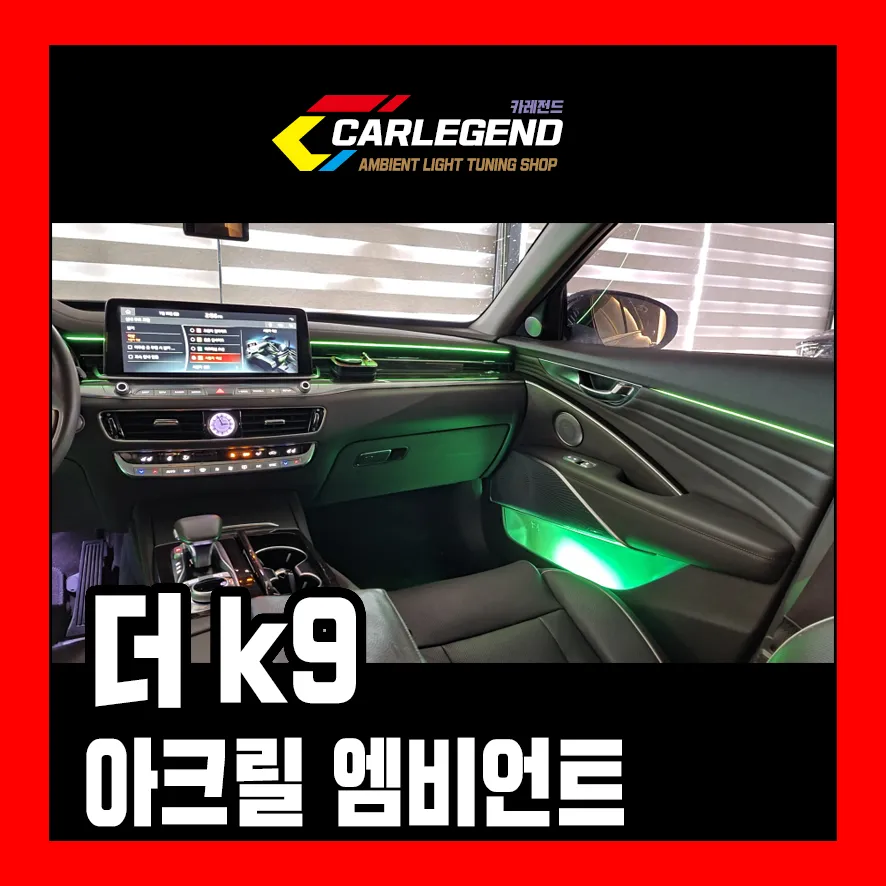
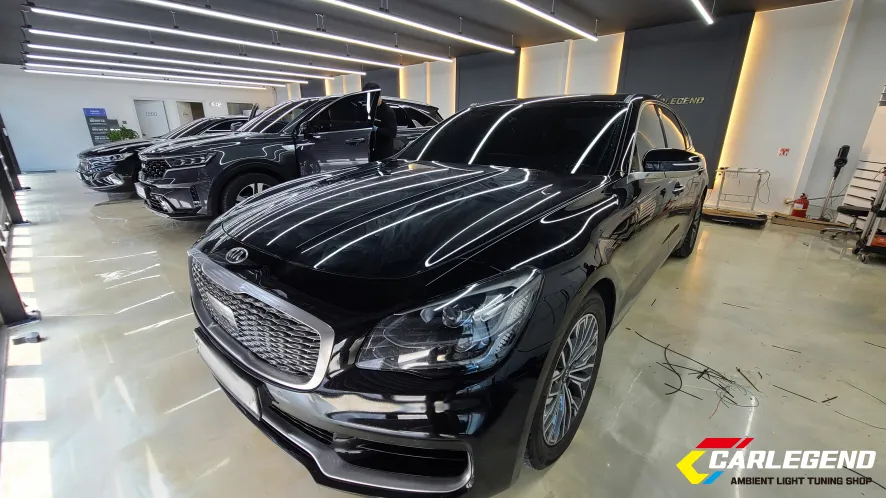
Kia K900 ambient lighting retrofit: 400,000-600,000 KRW. Enhances luxury interior with integrated mood lighting.
Elevating the Luxury Kia K900 with Ambient Lighting
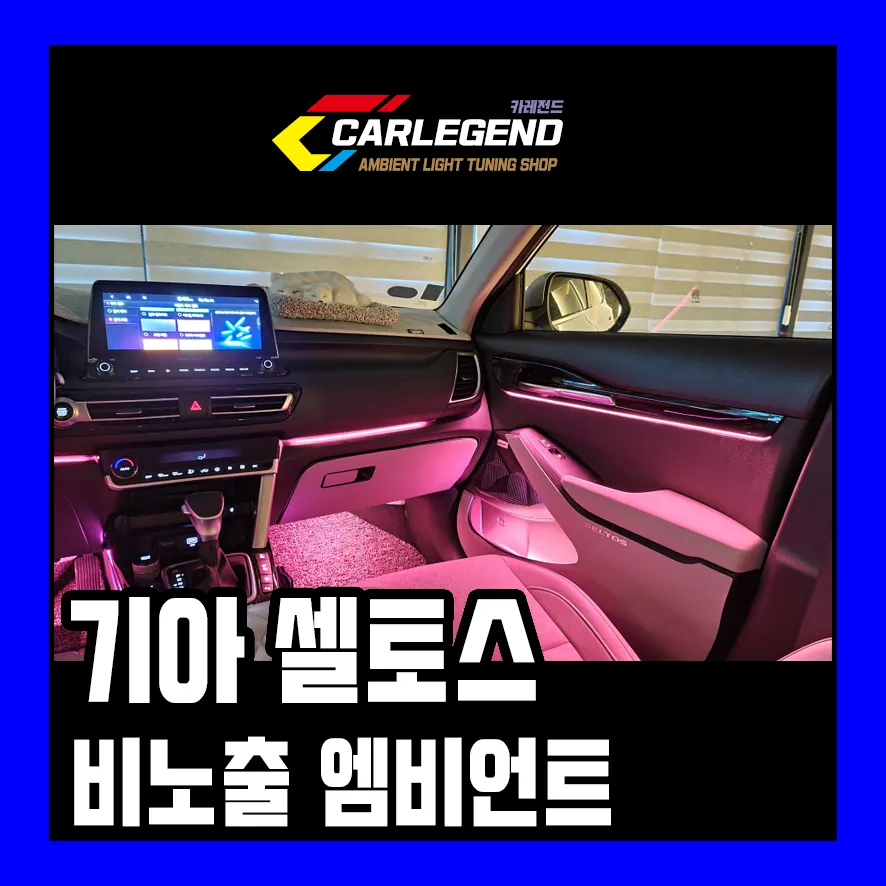
The Kia K900, already a symbol of premium design, can achieve an even more sophisticated ambiance, especially during nighttime drives. While the K900 boasts a rich front-end design and a three-dimensional interior, its inherent lighting might feel understated after dark. This is where an ambient lighting retrofit comes in, transforming the cabin into an emotionally resonant space. This review details a specific ambient lighting installation on a K900, focusing on the process, materials, and the resulting aesthetic enhancement.
Why Consider an Interior Lighting Upgrade?
Ambient lighting is more than just decorative; it serves a functional purpose by reducing driver fatigue during night journeys. The soft, consistent glow across the dashboard, door panels, and storage areas creates a calming atmosphere. The installation discussed here offers integration with the factory navigation system, allowing for direct control over color and brightness via the car's infotainment screen. This seamless integration ensures the lighting feels like a natural extension of the vehicle's luxury features, rather than an aftermarket add-on.
The Ambient Lighting Installation Process
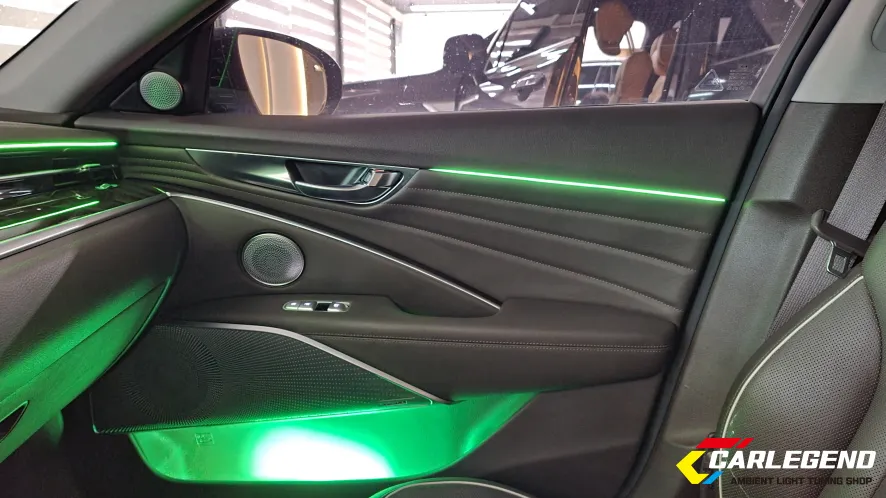
The process begins with a consultation to determine the desired scope of the ambient lighting. For this K900, the client opted for the basic line covering both sides of the dashboard and all four doors, plus an additional option for lighting in the door storage compartments. This combination aims to enhance both the overall mood and the practicality of the interior.
Installation process:
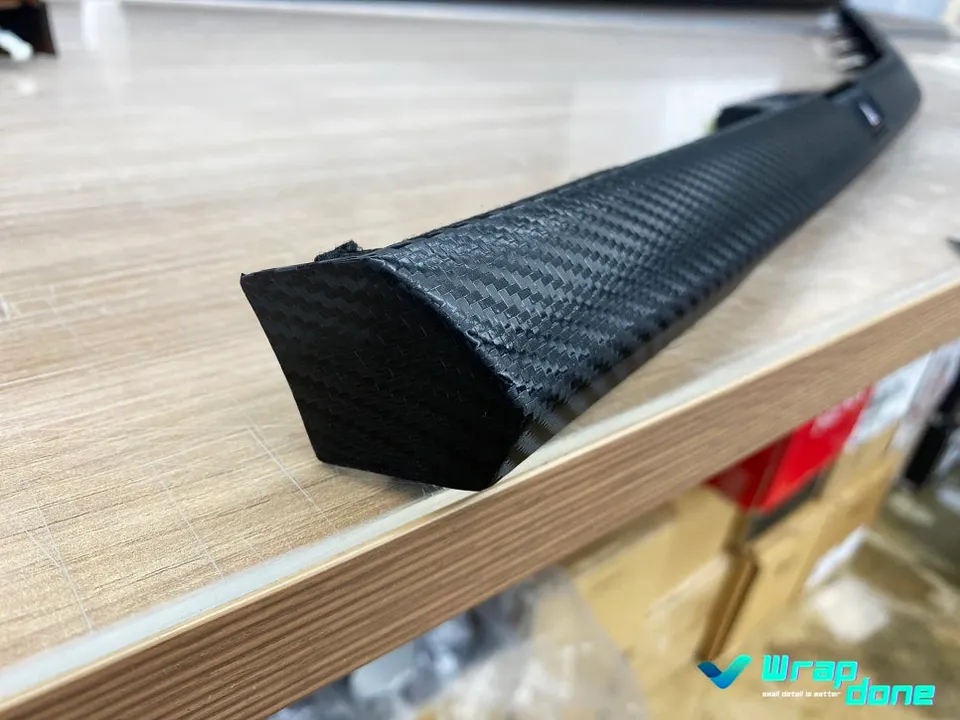
- Component Integration: The ultra-slim acrylic light strips are meticulously prepared for installation, ensuring they are ready to be seamlessly integrated into the vehicle's interior panels.
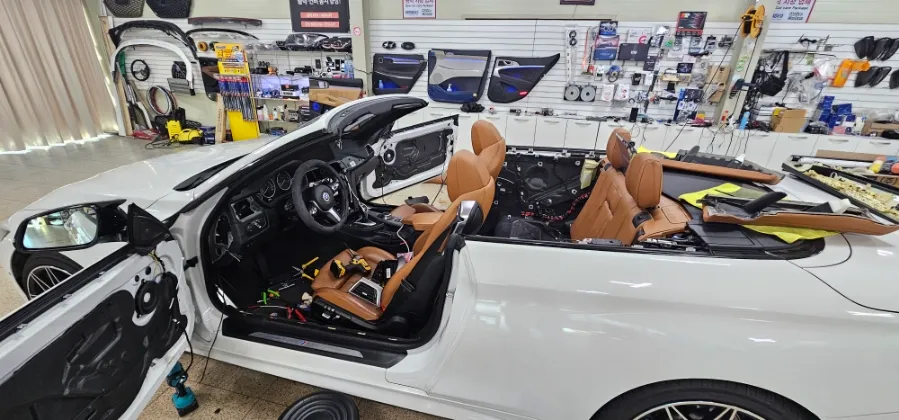
- Panel Modification & Embedding: Using specialized tools, precise channels are created within the dashboard and door panels. The ultra-slim acrylic light guides are then carefully embedded into these channels, ensuring a flush fit with zero external protrusion. This requires significant skill to avoid damaging the original panels.
- Wiring and System Connection: Wiring harnesses are run discreetly throughout the cabin, connecting the light strips to a central control module. This module is then linked to the vehicle's navigation system for integrated control of color and brightness.
- Testing and Calibration: After installation, all lights are tested to ensure consistent brightness and color across all installed locations. The navigation system interface is checked to confirm smooth operation and responsiveness for color and brightness adjustments.
The key to this method is the 'zero external protrusion' principle. The ultra-slim acrylic material is designed to fit into the tightest gaps, creating a clean, defined line of light without any part sticking out. This ensures that doors can be opened and closed without obstruction and maintains the original interior feel. Consistent light output is crucial; uneven brightness would detract from the premium finish. The rear doors are treated with the same care, ensuring a cohesive and immersive experience for all passengers, creating a grand and unified atmosphere throughout the cabin.
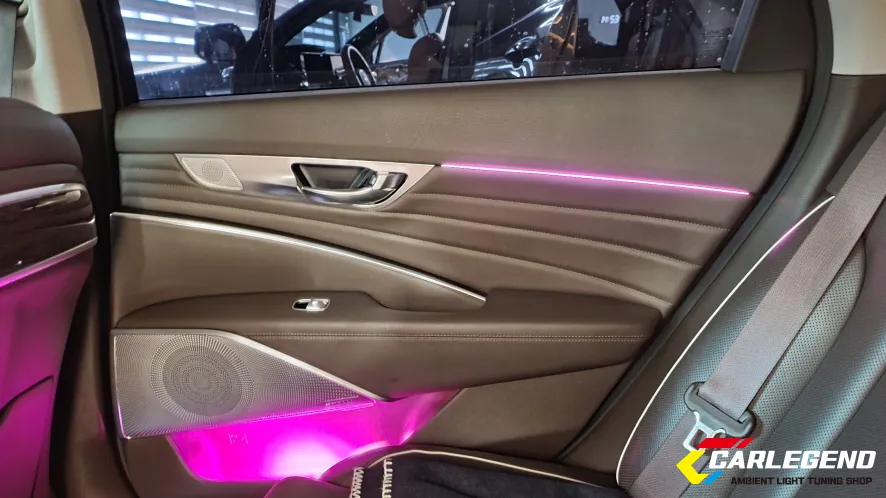
Before and After: A Dramatic Interior Transformation
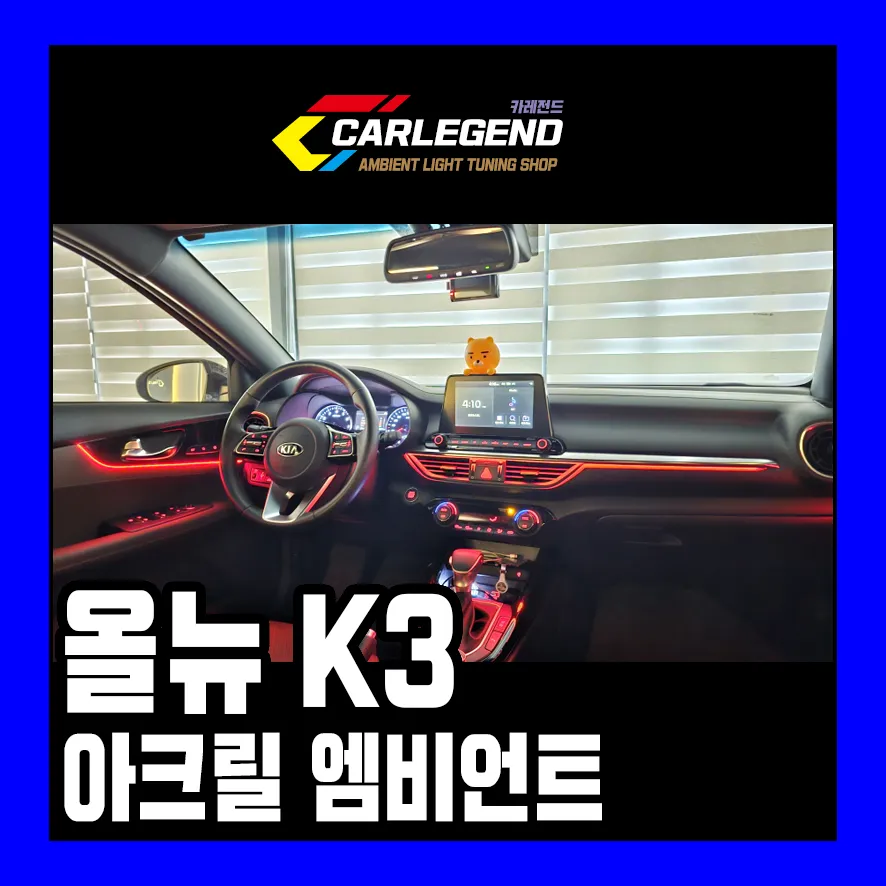
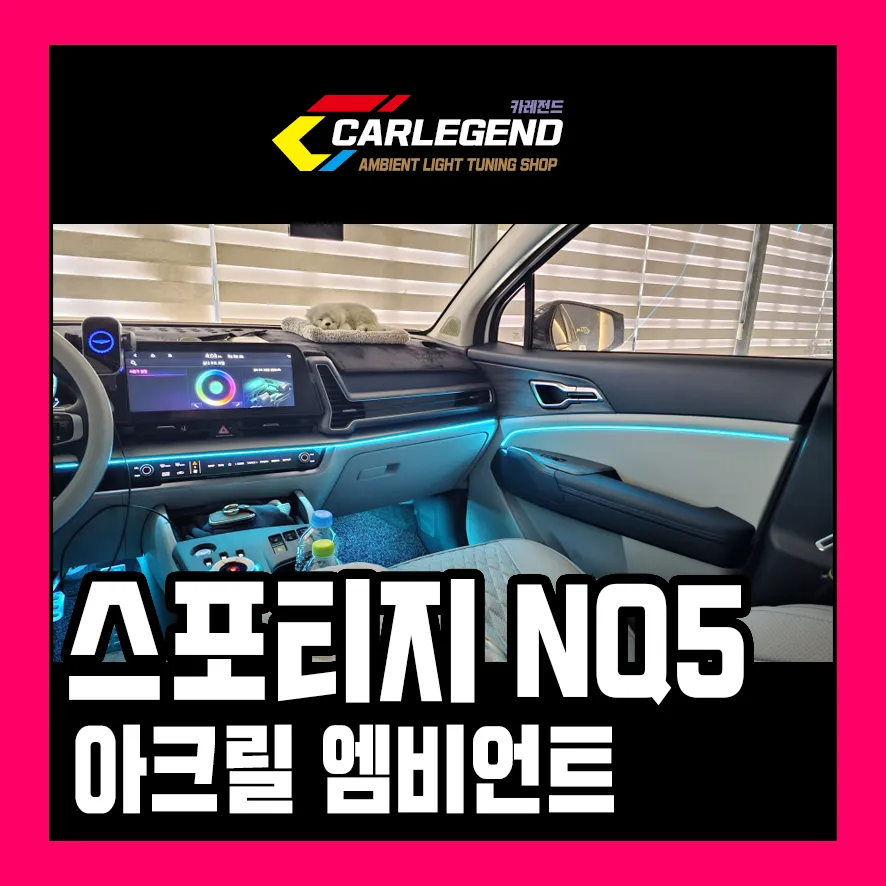
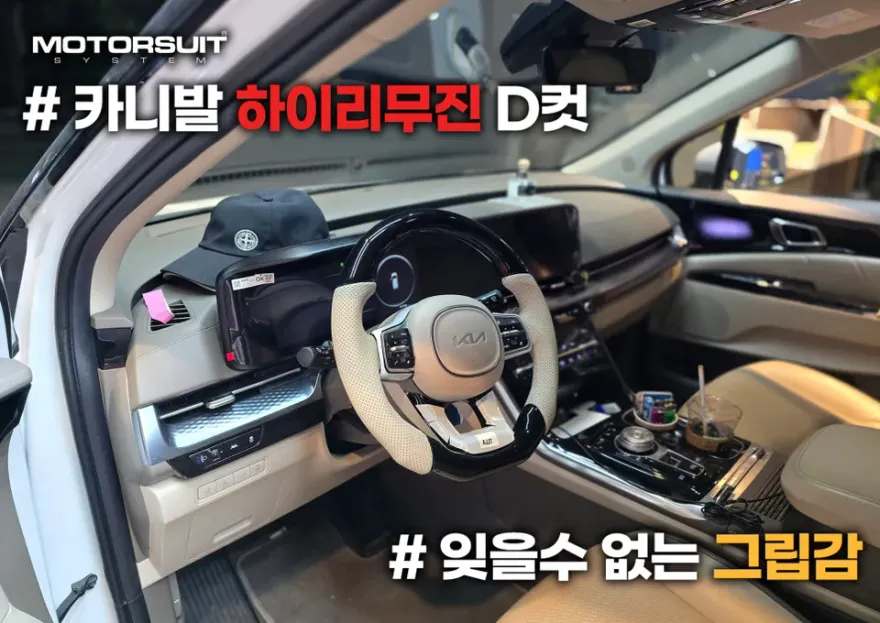
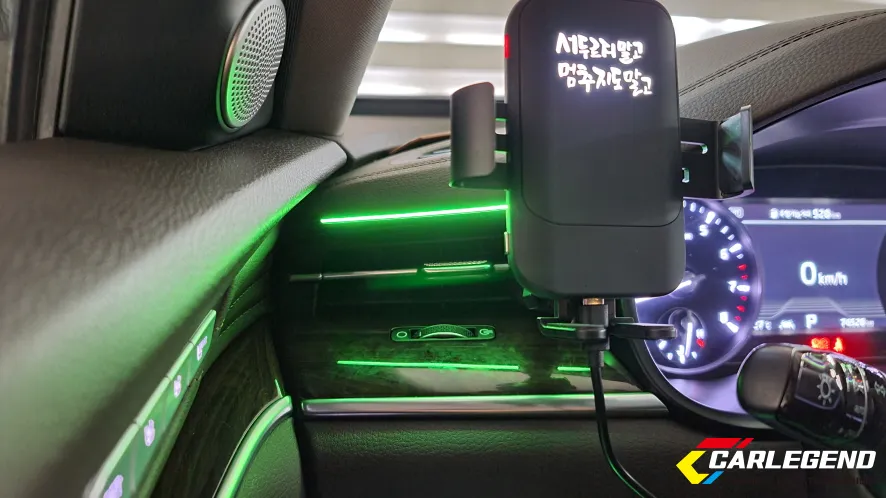
Examining the driver's side dashboard, the light strip follows the contour above the instrument cluster. This area demands precision, as the line must be perfectly straight. The result is a soft, elegant beam that envelops the dashboard, significantly enhancing the K900's already refined interior design. The right side of the dashboard receives the same treatment, creating a symmetrical and sophisticated lighting effect. The visual impact is immediate, turning a standard luxury interior into a bespoke, high-end environment, perfectly complementing the K900's sophisticated cabin architecture.
The cost for this type of installation in Korea, including the dashboard and door panels, typically ranges from 400,000 to 600,000 KRW (approximately $300-$450 USD), with additional options like door storage lighting adding to the total. This ambient light retrofit offers a significant aesthetic upgrade, making the Kia K900 feel even more luxurious and personalized.
Frequently Asked Questions
Q. How much does ambient lighting cost for a Kia K900?
In Korea, this type of ambient lighting installation for a Kia K900 typically costs between 400,000 and 600,000 KRW (approx. $300-$450 USD), with potential additional costs for extra features. US pricing can vary significantly based on the installer and specific kit used.
Q. How long does ambient lighting installation take on a Kia K900?
The installation process for ambient lighting on a Kia K900 generally takes about 6-8 hours, allowing for meticulous integration and testing. Proper maintenance involves occasional cleaning of the light strips and ensuring connections remain secure, which is usually not an issue with professional, flush-mount installations.
Q. Is aftermarket ambient lighting worth it for a Kia K900?
Aftermarket ambient lighting is highly recommended for Kia K900 owners seeking to enhance their vehicle's luxury ambiance and reduce nighttime driving fatigue. The value lies in the personalized atmosphere and sophisticated aesthetic it adds, making the cabin feel more premium and unique.
Q. How is ambient lighting installed on a Kia K900?
Ambient lighting is installed by embedding ultra-slim acrylic light strips into precise channels cut into the dashboard and door panels, ensuring a flush, 'zero protrusion' fit. The wiring is then discreetly routed and connected to a control module, often integrated with the factory navigation system for color and brightness adjustments.
Q. What is the difference between OEM and aftermarket ambient lighting for a Kia K900?
OEM ambient lighting is factory-integrated and typically offers limited customization, whereas aftermarket ambient lighting, like the ultra-slim acrylic retrofit shown, provides more extensive coverage and often allows for greater control over colors and brightness via the infotainment system.
Car Legend