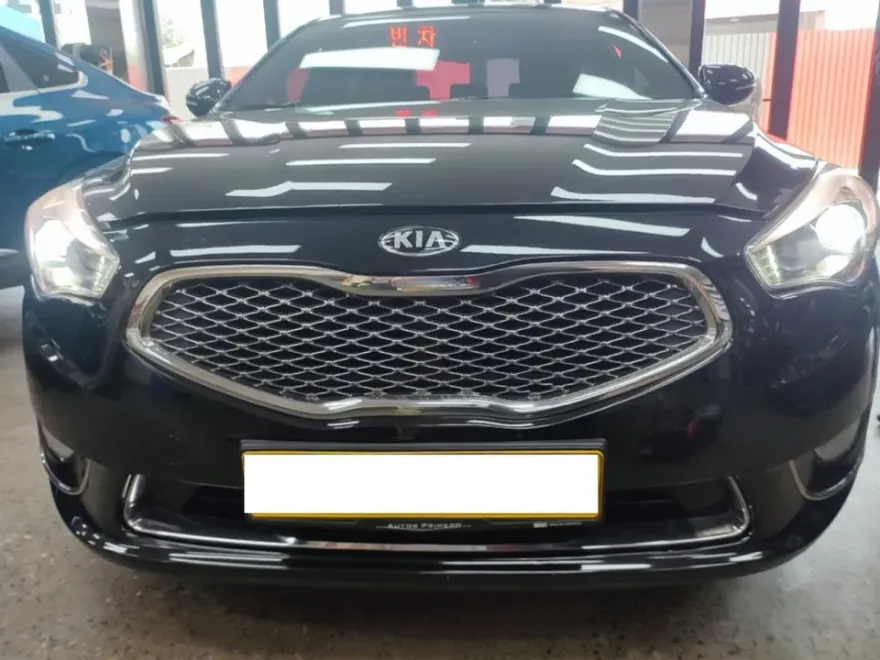
Kia K900 Wheel Repair & Painting Review — Cost & Results
Service Price
$approx. $1,500+
Estimated price · Actual price may vary by shop
Before
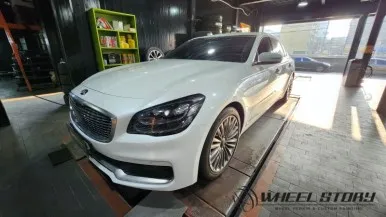
After
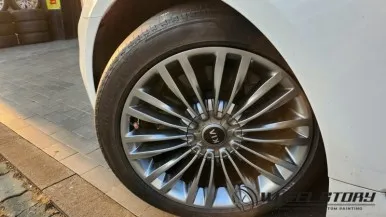
Process photos
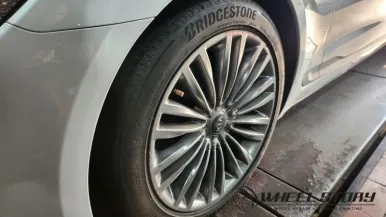
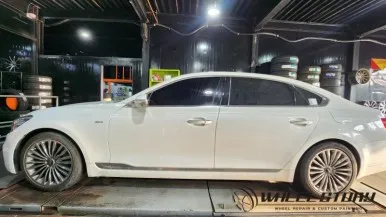
Kia K900 Wheel Repair & Painting: Approx. $1,500+. Restored wheels look like new, protecting against further damage.
Kia K900 Wheel Restoration: A Comprehensive Review
Driving a luxury sedan like the Kia K900 means paying attention to every detail, and that includes the wheels. Scratches and curb rash don't just look bad; they can detract from the overall aesthetic and potentially impact the wheel's integrity. Many owners may not realize that professional wheel repair and painting is a viable and often cost-effective solution compared to full replacement. This review details a real-world Wheel Repair & Painting experience for a Kia K900's 19-inch wheels, covering the process, cost, and outcomes.
Wheel Repair vs. New Wheels: Understanding the Value
Replacing a set of 19-inch wheels on a luxury vehicle like the K900 can be a significant investment, often ranging from approximately $1,500 USD (or 2 million KRW) upwards to $3,000 USD (or over 4 million KRW) for a full set. Wheel repair and restoration offer a much more economical alternative. For a full restoration of four wheels, costs typically fall between $600 to $1,100 USD (or 800,000 to 1.5 million KRW), depending on the extent of damage and the specific services required. Minor cosmetic repairs to one or two wheels might cost between $220 to $370 USD (or 300,000 to 500,000 KRW). It's crucial to note that structural damage like cracks or bends may incur additional welding costs, making a professional assessment vital before proceeding.
When it comes to the painting process itself, two main methods are common: powder coating and liquid painting. Powder coating involves applying a dry powder electrostatically and then curing it under heat, resulting in a hard, durable finish (often rated 3H to 5H hardness) that offers excellent resistance to the elements. Liquid painting, similar to standard automotive paint application, allows for a wider range of color options and is generally less expensive. While powder coating is often considered more durable for long-term protection, opinions can vary between professional shops. The choice often comes down to prioritizing cost-effectiveness (liquid paint) versus longevity (powder coating). Regardless of the method, a final clear coat is essential for UV protection and maintaining the finish's integrity.
Kia K900 Wheel Restoration: The Installation Process
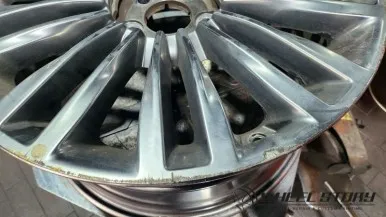
This specific K900 required a full restoration for all four 19-inch wheels due to widespread scratches and scuffs. The process involved several key stages:
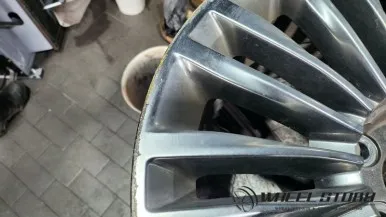
- Stripping and Sandblasting: The existing paint and any contaminants are completely removed to create a clean surface.
- Cleaning and Damage Assessment: After stripping, the wheels are thoroughly cleaned, and inspected for any cracks or bends. Fortunately, this set had no structural damage, avoiding extra welding fees.
- Precision Sanding: The wheel surfaces are meticulously sanded to ensure optimal adhesion for the new paint.
- Powder Coating Application: The chosen paint is applied evenly using an electrostatic sprayer, followed by curing in a high-temperature oven to achieve the desired color and gloss.
- Clear Coat Application: A protective clear coat is applied to shield the paint from UV rays and oxidation, significantly impacting the finish's lifespan.
- Wheel Balancing and Tire Re-mounting: Post-restoration, wheel balancing is critical to prevent vibrations. TPMS sensors are also reinstalled correctly.
Results and Durability Expectations
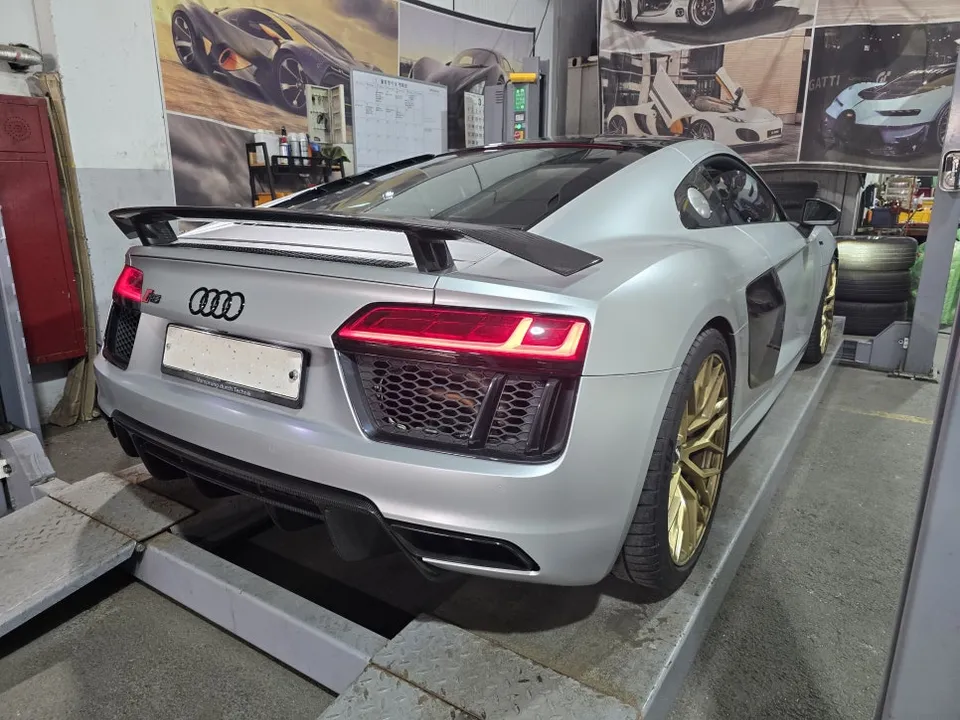
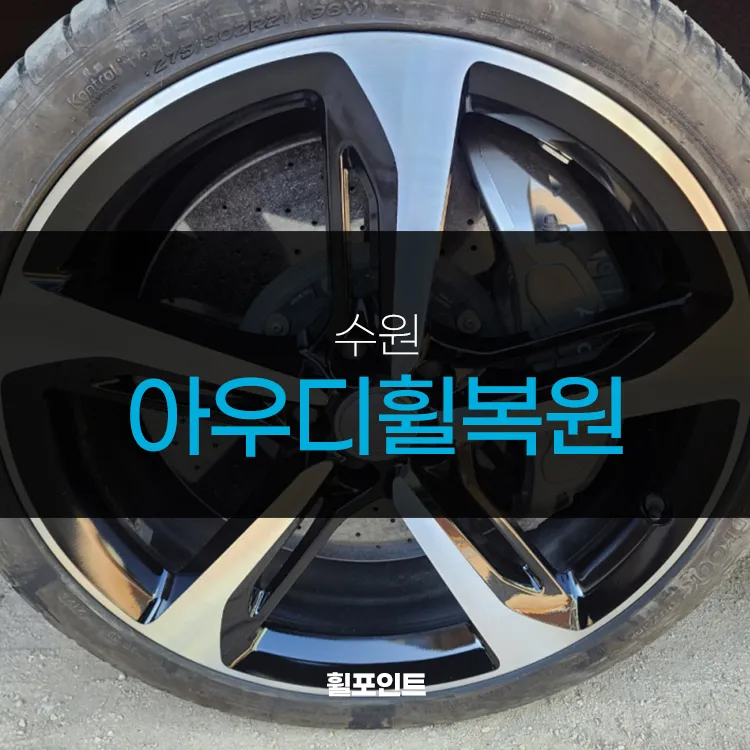
The transformation was remarkable. The previously dull and scratched 19-inch wheels on the Kia K900 were restored to a like-new condition, with sharp color definition and a brilliant gloss. Beyond the improved aesthetics, the restoration provides crucial protection against further damage. The clear coat acts as a barrier against oxidation and UV degradation, slowing down natural fading. Powder coating typically offers a lifespan of 3 to 5 years, though this can be extended with proper maintenance. Regular cleaning with dedicated wheel cleaners and occasional reapplication of protective coatings can help maintain the finish. The entire process for four wheels, assuming no structural repairs are needed, usually takes about 3 to 5 days due to necessary drying times after painting.
Frequently Asked Questions
Q. How much does wheel repair cost for a Kia K900?
For a Kia K900, a full set of four wheels typically costs between $600-$1,100 USD for repair and painting. In the US, expect prices to start around $1,500+ for high-end wheel restoration.
Q. Can curb rash be fully repaired on Kia K900 wheels?
Yes, curb rash and scratches can typically be fully repaired through professional wheel refinishing, restoring the wheels to a like-new appearance. Proper maintenance, including regular cleaning and applying protective coatings, will help ensure the repair's longevity.
Q. Is wheel repair or replacement cheaper for a Kia K900?
Wheel repair is significantly cheaper than replacement for a Kia K900, potentially saving over 50% of the cost of a new set. This service is ideal for owners seeking to restore their vehicle's appearance without the high expense of new wheels.
Q. How is wheel curb rash repaired on a Kia K900?
Wheel curb rash repair typically involves stripping the old finish, sanding down the damaged areas to smooth the surface, applying a new coating (like powder coating or liquid paint), and finishing with a protective clear coat. Finally, the wheel is balanced before re-mounting the tire.
Q. What is the difference between wheel refinishing and full replacement for a Kia K900?
Wheel refinishing restores your existing wheels to a like-new condition, addressing cosmetic damage like curb rash and scratches, while full replacement involves purchasing entirely new wheels. Refinishing is the more economical choice for restoring appearance.
Q. What should I know before getting Wheel Repair & Painting on a Kia K900? (common regrets and mistakes)
The most common regret is not getting a proper assessment for structural damage like cracks, which can increase costs or necessitate replacement. Always ensure the shop checks for and addresses any bends or cracks before cosmetic work begins.
Oka Garage