Kia Niro Hybrid OEM Options Review: LKAS Upgrade
Service Price
$75–115
Estimated price · Actual price may vary by shop
Before

After

Process photos
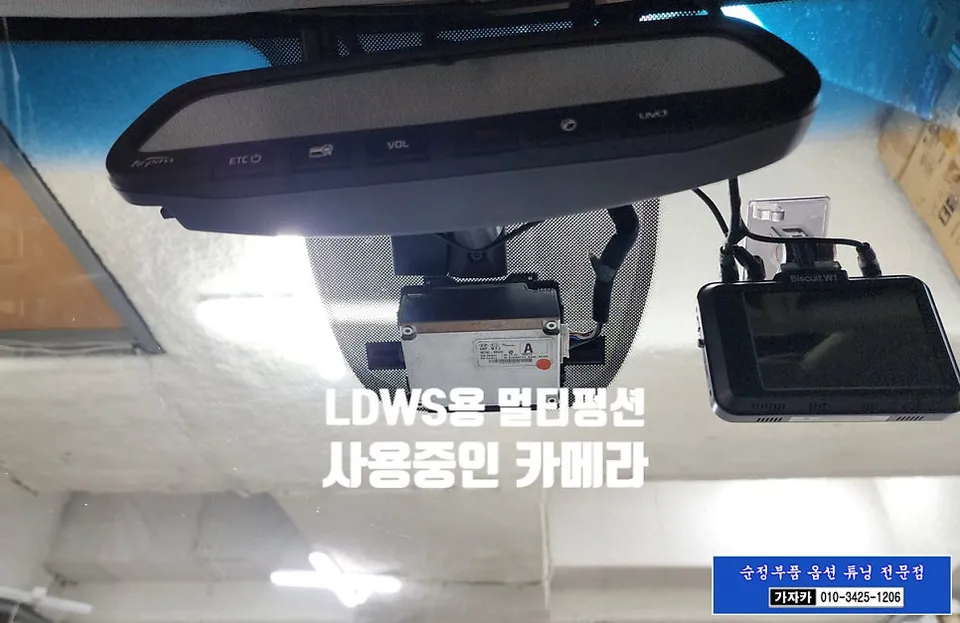
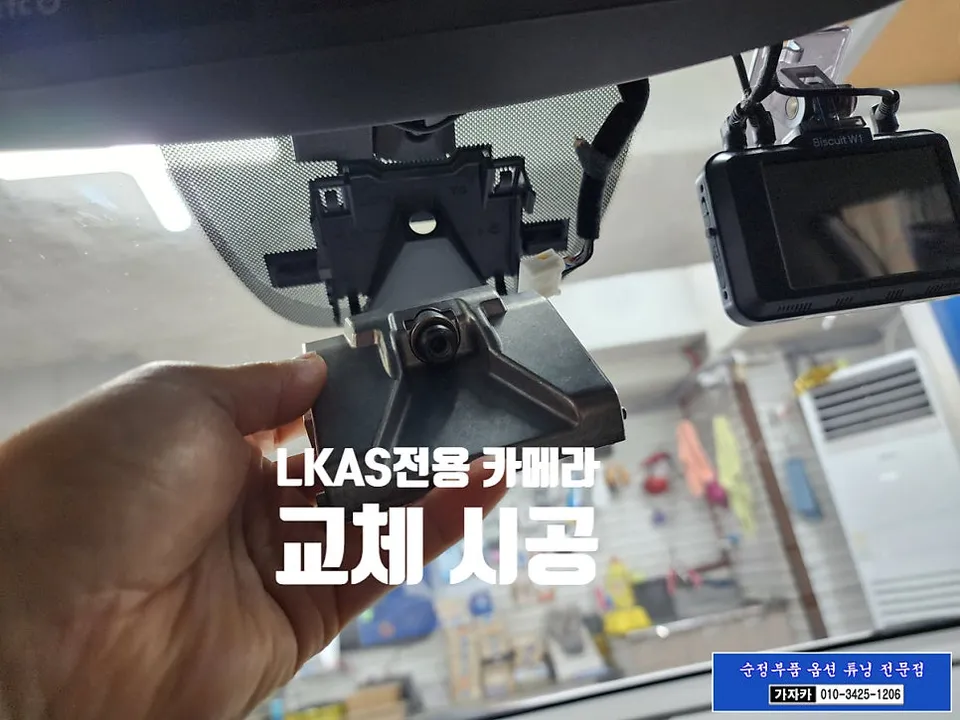
Kia Niro Hybrid LKAS upgrade: Factory option retrofit adds active steering assist. Enhances highway driving safety and reduces fatigue.
Upgrade Your Kia Niro Hybrid with Advanced Lane Keeping Assist
For owners of the 2016 Kia Niro Hybrid, an exciting upgrade is available: enhancing your vehicle's capabilities by retrofitting the Lane Keeping Assist System (LKAS). While your original model may have come equipped with the Lane Departure Warning System (LDWS), this upgrade transforms it into a more active safety feature. This review delves into the process, benefits, and real-world performance of adding LKAS to your Niro Hybrid, offering a glimpse into a more advanced driving experience.
Understanding the Difference: LDWS vs. LKAS
The fundamental distinction between LDWS and LKAS lies in their approach to lane safety. LDWS primarily serves as an alert system; it notifies you with an audible warning if your vehicle begins to drift out of its lane without signaling. In contrast, LKAS goes a significant step further. It not only warns you but also actively assists in keeping the vehicle centered within its lane by providing gentle steering input. This active support is particularly beneficial during long drives or highway cruising, significantly reducing driver fatigue and enhancing overall safety. The LKAS system typically activates at speeds above 60 km/h (approximately 37 mph) and is visually indicated on the instrument cluster by a green steering wheel icon. When paired with Smart Cruise Control (SCC), which automatically adjusts speed to maintain a safe distance from the vehicle ahead, LKAS contributes to a semi-autonomous driving environment, even supporting stop-and-go traffic. However, it's important to note that SCC disengages below 10 km/h (approximately 6 mph).
The LKAS Retrofit Process for Your Kia Niro Hybrid
This factory option retrofit involves a precise installation procedure. The process begins with the careful removal of the existing multi-function camera, which currently only supports LDWS. Following this, a new multi-function camera capable of LKAS functionality is installed. This isn't merely a component swap; it requires seamless integration with the vehicle's existing electronic systems to ensure full compatibility. After the camera replacement, diagnostic tools are used to clear any potential fault codes and perform crucial calibration. This calibration ensures that the new camera and the vehicle's systems communicate accurately, enabling the LKAS to function correctly. Upon successful calibration, the instrument cluster will display the LKAS activation message, confirming that the active steering assist is ready for use. This professional installation is key to unlocking the full potential of the LKAS system.
Real-World Performance and Durability
Following the installation, rigorous testing on public roads confirms the effectiveness of the upgraded LKAS. During test drives, the system demonstrated stable operation at speeds above 60 km/h. The steering assistance was smooth and unobtrusive, making highway driving noticeably less tiring. The integration with SCC was seamless, allowing the vehicle to autonomously manage speed and maintain lane position, providing a tangible sense of the convenience offered by semi-autonomous driving. The durability of such factory upgrades is generally high, as they utilize OEM components designed to withstand typical automotive conditions. Maintenance typically involves keeping the camera lens clean from dirt, dust, or snow, as a clear view is essential for the system's optimal performance. Regular checks during routine vehicle servicing can also ensure the system remains calibrated and functional.

Is the LKAS Factory Upgrade Worth It for Your Niro Hybrid?
The decision to pursue this factory upgrade hinges on your driving habits and priorities. If you frequently drive on highways or undertake long journeys, the enhanced safety and reduced fatigue offered by LKAS can be invaluable. The ability of the system to actively assist in steering and work in conjunction with cruise control significantly enhances the driving experience, making it a worthwhile investment for many owners. While the initial cost of the upgrade should be considered, the long-term benefits in terms of safety and comfort often outweigh the expense. This is particularly true for a vehicle like the Kia Niro Hybrid, where efficiency and comfort are already key selling points.

Frequently Asked Questions
Q. How much does OEM option and factory upgrade installation cost for a Kia Niro Hybrid?
The installation cost for this specific LKAS upgrade on a Kia Niro Hybrid in Korea was approximately ₩300,000-₩400,000 (around $225-$300 USD). Typical US dealer installation costs for similar factory option retrofits can range from $75 to $115, though this can vary significantly by option and dealership.
Q. How long does OEM options installation take on a Kia Niro Hybrid?
The installation and calibration process for the LKAS upgrade typically takes a few hours. For long-term durability, ensure the multi-function camera lens remains clean and unobstructed by dirt or debris.
Q. Are OEM options worth adding after purchase for a Kia Niro Hybrid?
OEM options like the LKAS upgrade are often worth it for drivers who frequently use highways, as they significantly enhance safety and reduce driving fatigue. The value proposition lies in gaining advanced driver-assistance features that improve comfort and security on longer journeys.
Q. How are OEM factory options installed on a Kia Niro Hybrid?
Installation involves removing the existing camera module, replacing it with an upgraded OEM unit supporting new features like LKAS, and then performing a precise calibration using diagnostic tools. This ensures the new system integrates seamlessly with the vehicle's electronics.
Q. What is the difference between dealer-installed options and aftermarket upgrades for a Kia Niro Hybrid?
Dealer-installed OEM options, like the LKAS retrofit, are designed and manufactured by the vehicle's maker for seamless integration and guaranteed compatibility. Aftermarket upgrades are made by third-party companies and may offer different features or quality levels, sometimes requiring more complex installation and potentially affecting vehicle warranty.
OhCar Partner Shop